

Executive Overview
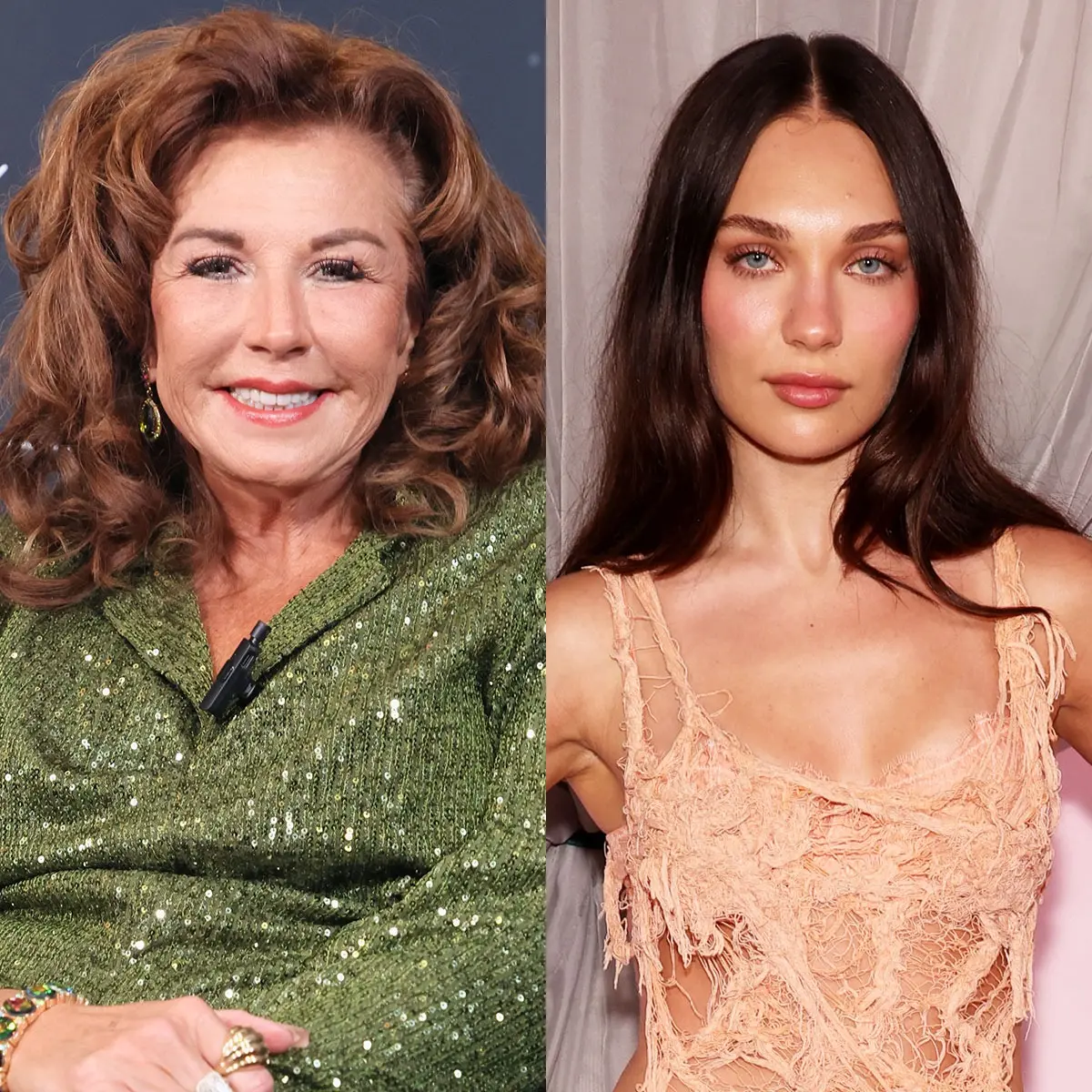
More than a decade after the cultural phenomenon Dance Moms first captured the nation’s attention on Lifetime, the shockwaves of its high-stress production environment continue to reverberate through the entertainment industry. At the center of this ongoing narrative is Abby Lee Miller, the polarizing studio owner whose infamous "pyramid" structure dictated the social and professional hierarchy of her young students.
Recent commentary from Miller and her former pupils reveals a deeply fractured landscape. While some alumni have severed ties entirely—citing enduring trauma and toxic environments—others maintain complex, symbiotic alliances with their former mentor. This comprehensive retrospective examines the state of these relationships, the lingering psychological toll of reality television on minors, and where the pivotal figures of the franchise stand today as they navigate their adult careers in music, acting, entrepreneurship, and professional dance.
Detailed Chronology: From Lifetime Stages to Adult Realities
The trajectory of the Abby Lee Dance Company (ALDC) elite junior competition team is a study in contrasting outcomes. The timeline of their collective and individual journeys highlights how early childhood exposure to high-stakes reality television shaped their professional and personal trajectories.
The Early Years and the Production Pressure Cooker (2011–2016)
During its initial six-season run, Dance Moms positioned young dancers like Maddie Ziegler, Chloe Lukasiak, Nia Sioux, and the Hyland sisters against one another in weekly competitions manufactured for maximum dramatic tension. The emotional toll on the children and their mothers was a frequent point of contention, leading to high-profile departures. Chloe Lukasiak and her mother, Christi, exited the series following a tumultuous fourth season, while Maddie and Kenzie Ziegler made their final bows in 2016.
The Post-Show Schism and Legal Realities (2016–2018)
Following their departures, cracks in the foundational narratives of the show widened. In subsequent years, stars like Maddie Ziegler openly characterized the production environment as "toxic." Simultaneously, Miller faced legal and personal trials, including a federal bankruptcy fraud indictment and a subsequent cancer diagnosis in 2018. While some former students reached out during her health crisis, others used the distance to establish firm boundaries for personal healing.
The Era of Reunions and Independent Reckonings (2020–Present)
As the cast transitioned into adulthood, the cultural reappraisal of child stardom brought new scrutiny to the franchise. The release of tell-all memoirs, such as Nia Sioux’s Bottom of the Pyramid, alongside reunion specials and independent podcast ventures, allowed the alumnae to reclaim their narratives. Today, the group is starkly divided: a cohort of dancers has completely excised Miller from their lives, while others—most notably JoJo Siwa and Kalani Hilliker—continue to credit Miller as a foundational catalyst for their success.
Supporting Context & Metrics: Where the Cast Stands Today
The post-Dance Moms ecosystem spans major Hollywood milestones, global music tours, and entrepreneurial ventures. Below is a detailed tracking of key franchise alumni and their current professional standing:
- Maddie Ziegler: Transitioned successfully from Sia’s music video muse (Chandelier) to a burgeoning film career. Her credits include Steven Spielberg’s West Side Story (2021), the 2024 film My Old Ass, and Pretty Lethal. She is a New York Times best-selling author (The Maddie Diaries) and maintains a massive multi-platform social media presence.
- Kenzie Ziegler: Evolved from her early acro days into an established singer-songwriter, releasing deeply personal musical projects such as her third album biting my tongue and the EP notes from the in between.
- Chloe Lukasiak: A Pepperdine University graduate who transitioned into content creation, fantasy fiction writing, and advocacy. Alongside her mother, she previously co-founded an alternative, positive-reinforcement dance competition, actively seeking to counteract her early competitive trauma.
- Nia Sioux: Graduated from UCLA with a degree in American Literature and Culture in June 2024. Alongside a recurring role on The Bold and the Beautiful and recognition on Variety’s Young Hollywood Impact Report, she published her candid memoir, Bottom of the Pyramid, cementing her status as a multifaceted storyteller and actress.
- Brooke & Paige Hyland: The original sisters of the franchise have largely stepped away from traditional performance. Brooke graduated with a marketing degree, married Brian Thalman in early 2026, and manages culinary and lifestyle content. Paige graduated from West Virginia University and continues a successful career in modeling and influencing alongside her long-term partner.
- Kendall Vertes: A James Madison University graduate who balanced political science studies with performing on the university’s championship-winning dance team, alongside maintaining significant digital sponsorships.
- JoJo Siwa: Perhaps the breakout commercial success of the franchise. From a two-season stint on the show to a global empire comprising exclusive licensing deals, a historic run as half of the first same-sex couple on Dancing With the Stars, and headline-grabbing pop music releases like her EP Guilty Pleasure.
- Kalani Hilliker: Founded the Arizona-based Khaos Dance Studio and launched the inclusive self-care and beauty line Kare. She married Nathan Goldman in late 2025 while actively teaching the next generation of dancers with a focus on constructive encouragement rather than intimidation.
- Asia Monet Ray: Graduated high school as valedictorian in 2023, balancing acting credits (Grey’s Anatomy, American Crime Story) with brand endorsements and a blossoming music career.
- Camryn Bridges: Transitioned into elite commercial dance, securing high-profile contracts performing alongside industry titans including Kendrick Lamar, Usher, Missy Elliott, and Tate McRae across major stadium tours and award shows.
- Brynn Rumfallo: Focused on digital media, co-hosting the Out of Line podcast, engaging with millions of followers across platforms, and occasionally crossing paths with young fans while judging regional dance competitions.
Official Statements and Industry Perspectives
The dichotomy between Miller’s assessment of her former pupils and the alumnae’s lived experiences underscores the complicated psychological architecture of youth competitive sports and reality television.
In recent interviews on digital platforms like Hot Goss, Miller has expressed sharp critiques regarding the revisionist history she believes some students project. Reflecting on Maddie Ziegler, Miller argued that the dancer’s immense success was driven by an internal perfectionism and relentless desire for private instruction—traits she believes were downplayed once public sentiment shifted against the show’s intense culture.
Conversely, alumnae have been unyielding regarding the boundaries necessary for their emotional recovery. Nia Sioux detailed her outreach following Miller’s 2018 cancer diagnosis as an act of personal grace, noting that Miller’s dismissive response provided the ultimate closure. "As far as I’m concerned, she no longer exists in my world," Sioux stated, highlighting the necessity of removing individuals who maintain contact with Miller in order to safeguard her healing process.
Meanwhile, alternate perspectives within the alumni network illustrate a broader spectrum of processing trauma. Kalani Hilliker noted that while she does not condone or forgive the psychological toll the environment took on her and her peers, she pragmaticially acknowledges the professional doors the platform opened. Similarly, JoJo Siwa remains in an active professional alliance with Miller, emphasizing that their shared history remains an asset in navigating the entertainment landscape.
Future Outlook
As the Dance Moms diaspora moves further into their twenties and thirties, the long-term impact of their formative years on reality television continues to provoke vital industry conversations regarding the protection of minors in entertainment.
The divergence in their paths—ranging from commercial performance giants backing global pop stars to independent studio owners deliberately cultivating healthy, trauma-informed training environments—signals a generational shift in how dancers view discipline, mentorship, and artistic expression. Whether through literature, acting, entrepreneurship, or stage performance, the alumnae have collectively redefined their identities far beyond the confines of the Abby Lee Dance Company pyramid, proving that their survival of the phenomenon was merely the opening act of much larger careers.