

Executive Overview
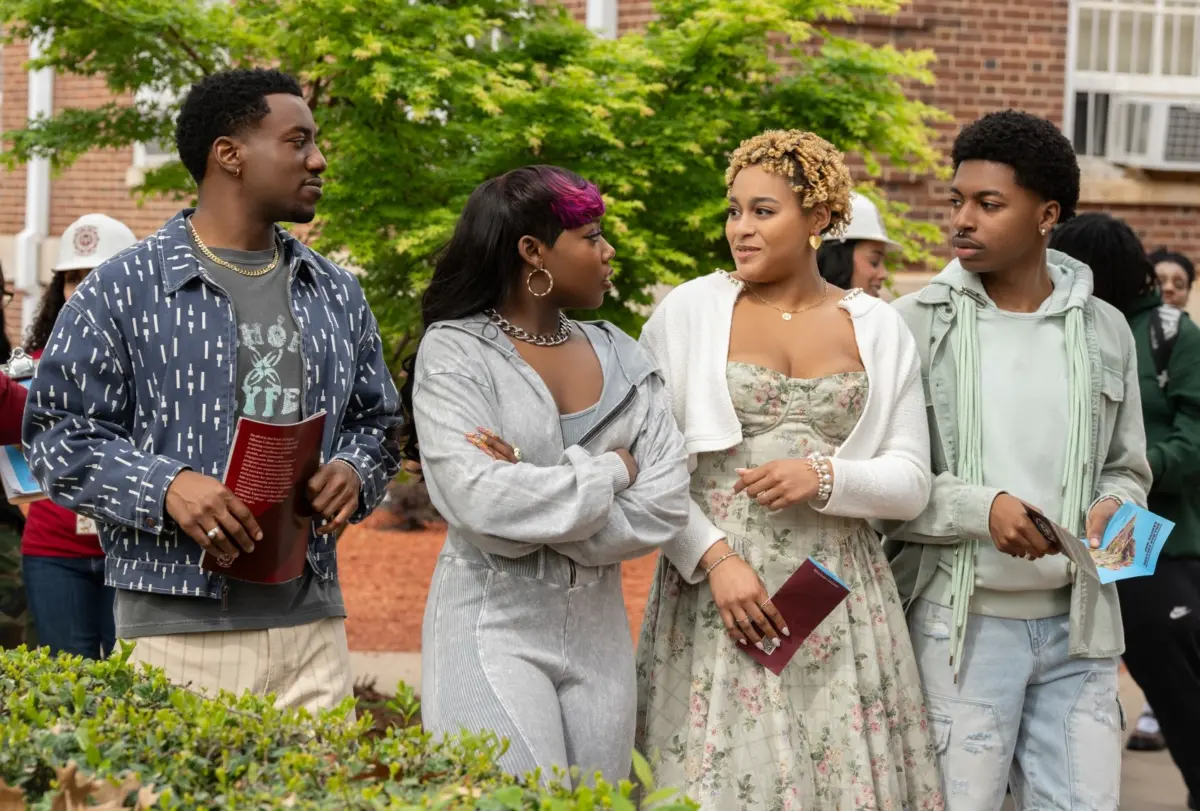
Thirty-nine years after its initial premiere on NBC, the iconic television landscape is once again making room for the fictional halls of Hillman College. Netflix’s anticipated 2026 revival of A Different World arrives at a uniquely fraught cultural and political crossroads. Helmed by Grey’s Anatomy alumna Felicia Pride and carrying the torch of original guiding forces Debbie Allen and Susan Fales-Hill, the single-camera streaming sequel does not attempt to simply replicate the multi-camera magic of the late 1980s and early ’90s. Instead, it confronts the harsh realities of the contemporary socio-political climate—ranging from bomb threats targeting Historically Black Colleges and Universities (HBCUs) to volatile federal debates over Diversity, Equity, and Inclusion (DEI) funding.
Yet, beneath the heavy pall of constant vigilance and systemic pressure, the series makes an uncompromising artistic choice: it centers Black joy not merely as an emotional respite, but as an act of radical resistance. By bridging the generational gap through returning favorites—such as Dwayne Wayne (Kadeem Hardison), Freddie Brooks (Cree Summer), Ron Johnson (Darryl M. Bell), and Whitley Gilbert-Wayne (Jasmine Guy)—alongside a dynamic new generation of students, the revival reflects both the enduring fragility and the unbreakable spirit of Black academic spaces.
Detailed Chronology: From the 1987 Genesis to the 2026 Streaming Era
To understand the weight of Netflix’s new iteration, one must trace the historical arc of A Different World and the tumultuous path that brought it back to screens in 2026.
- September 1987: A Different World premieres on NBC as a companion and spin-off to The Cosby Show. Initially shaped under different creative parameters, the show pivots dramatically when legendary actress, director, and choreographer Debbie Allen takes the helm for its subsequent seasons.
- The Early 1990s Golden Era: Under Allen and head writer Susan Fales-Hill, the series transforms into a cultural touchstone. It boldly tackles apartheid in South Africa, colorism, safe sex, and political activism. However, its willingness to delve into raw socio-political trauma culminates in an unforgettable, harrowing exploration of the 1992 Los Angeles uprising—a creative risk that industry insiders note contributed to NBC’s eventual cancellation of the high-rated series.
- Decades of Legacy and Syndication: In the decades following its off-air status, the show’s blueprint directly paves the way for a generation of culturally defining television, including Living Single, Moesha, and Martin. It permanently etches HBCU culture, step shows, and the nuances of Black collegiate life into the American consciousness.
- The Development Hurdle: Bringing the series back was not without its industry hurdles. Though audience demand remained high, the shadow of original creator Bill Cosby’s legal troubles—including sexual assault allegations, a 2018 conviction, and its subsequent 2021 overturn based on a prior non-prosecution agreement—loomed large over the intellectual property, complicating executive greenlights until a new creative team and platform could safely shepherd it forward.
- September 2026: Netflix officially premieres the new single-camera streaming sequel. Set in a modern era defined by hyper-connected social media feeds, political polarization, and renewed institutional threats against minority-serving entities, the series re-opens the gates of Hillman College.
Supporting Context & Metrics: Navigating Real-World Threats and Policy Shifts
The fictional anxieties experienced by Hillman College students in the 2026 revival mirror verifiable, alarming trends in American higher education. The series does not exist in a vacuum; it addresses a world where the physical safety and financial stability of HBCUs are routinely weaponized in national political discourse.
Security Crises and Institutional Vulnerabilities
In the narrative arc of the revival’s fifth episode, Hillman faces a terrifying bomb threat—an event that sends students scrambling to safety at "The Pit." This storyline hits close to home for real-world students.
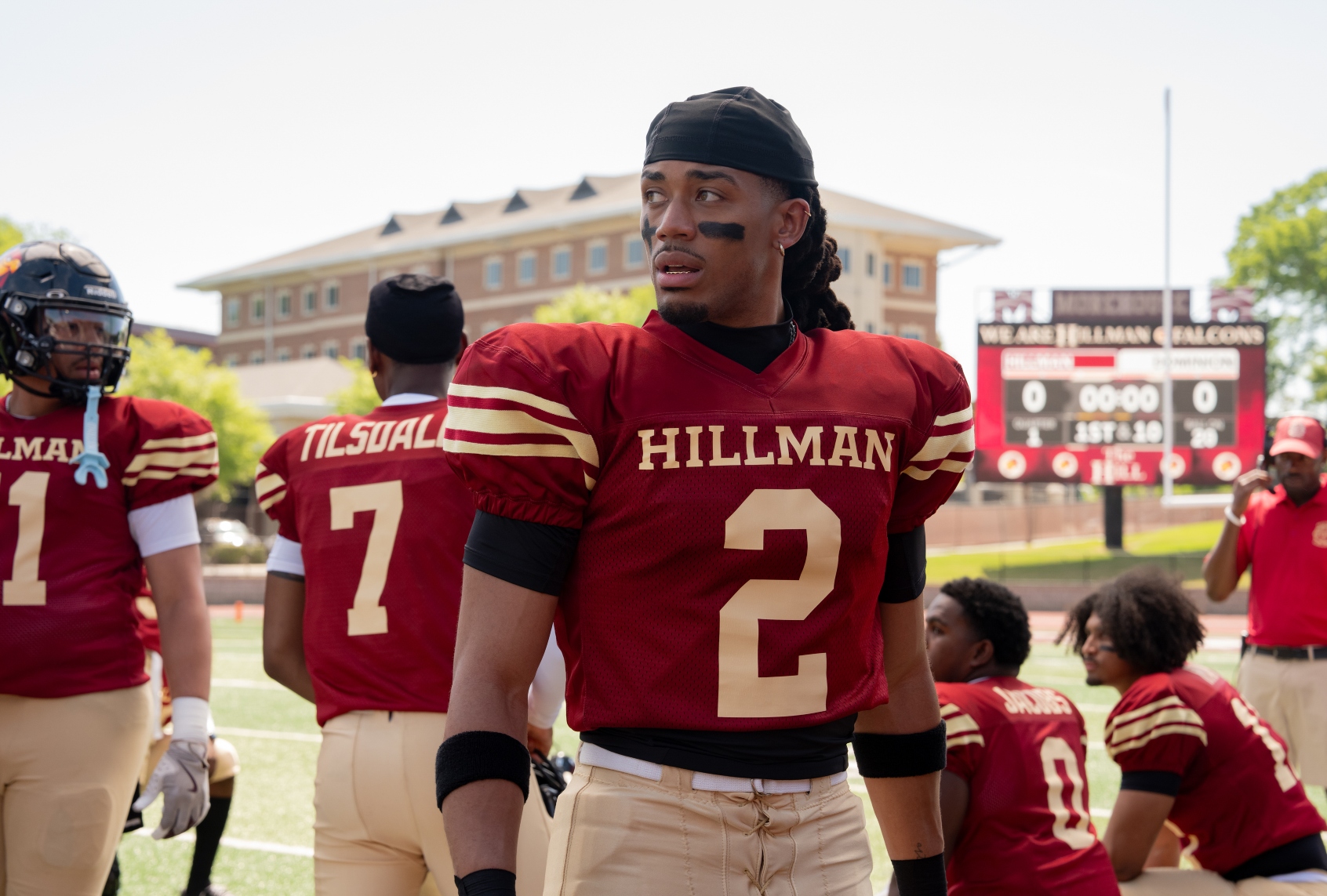
- Historical Precedents: The narrative directly parallels a wave of racially motivated bomb threats that targeted more than 30 HBCUs nationwide between January and March 2022, prompting federal investigations.
- Recent Escalations: Similar security responses and heightened threat levels have continued to plague minority-serving institutions in the wake of high-profile political violence, such as the shooting of conservative commentator Charlie Kirk in September 2025.
The Financial Tug-of-War: DEI and Federal Funding
Beyond physical safety, the characters in the Netflix revival navigate a labyrinth of shifting federal education policies.
- The Funding Paradox: Recent Department of Education realignments—such as the redirection of hundreds of millions of dollars in minority-serving institution (MSI) funds toward HBCUs and tribal colleges—present a complex double-edged sword.
- The Broader Impact: While these cash infusions offer critical lifelines to under-resourced Black and Indigenous colleges, simultaneous rollbacks on DEI grants elsewhere across the higher-education landscape intentionally diminish undergraduate diversity at historically non-diverse institutions, such as Ivy League and Big Ten universities.
As Deborah Wayne (played by Maleah Joi Moon)—the daughter of Dwayne and Whitley—succinctly puts it in the series:
"It’s all so exhausting. We go to their institutions, they punish us. We try to build our own; they destroy it. We mess up, they use it against us. What is even the point of trying?"
Official Statements and Creative Insights
The transition from a multi-camera 1980s sitcom to a modern, single-camera streaming format required a delicate balancing act by the creative team. Showrunner Felicia Pride and executive producer Debbie Allen approached the revival with a clear mandate: honor the past while forcefully speaking to the present.
In interviews surrounding the launch, the creators emphasized that the modern iteration acknowledges the realities of Gen Z college students. Unlike their predecessors, today’s Hillman students navigate life under the relentless gaze of smartphone cameras, viral social media gossip, and "situationships" that travel across digital networks at blinding speeds.
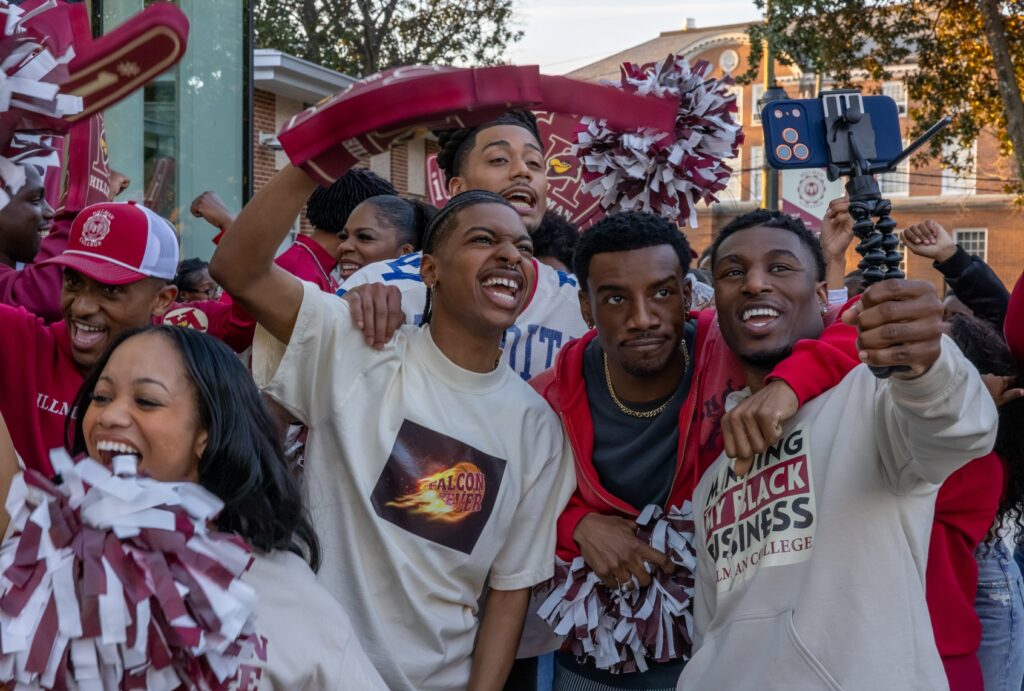
Yet, the core philosophy of the show remains anchored in political awareness. Reflecting on the legacy of the series, cultural critics and academics note that Black learning spaces have historically been viewed by outside powers as inherently dangerous—not merely for actions taken by students, but for the intellectual and political power of who they might become.
When Freddie Brooks (Cree Summer), now a seasoned Hillman faculty member, reminds her anxious students of this persistent historical cliff, she anchors the show’s mission statement: maintaining Black joy is not a passive luxury; it is a deliberate, necessary strategy of survival and resistance.
Future Outlook
As the A Different World revival streams to audiences worldwide on Netflix, its reception signals a pivotal shift in how classic television intellectual properties can be leveraged for contemporary socio-political commentary.
By refusing to shy away from the darker realities of modern campus life—such as institutional threats, bomb scares, and volatile funding politics—the series avoids the trap of hollow nostalgia. Instead, it offers a blueprint for how cultural revivals can honor legacy characters while giving voice to a new generation grappling with twenty-first-century pressures.
Ultimately, the enduring success of Hillman College’s fictional gates in 2026 lies in its refusal to let external hostility extinguish internal light. As the students of Hillman continue to harmonize through moments of crisis, the series asserts that joy, community, and unyielding self-preservation will always remain the ultimate curriculum.