

Executive Overview
The American media ecosystem is currently navigating a period of unprecedented volatility, shaped by high-stakes political maneuvers, monumental corporate consolidation, and ongoing legal battles over the First Amendment. As the nation barrels toward a fiercely contested set of midterm elections, television networks are positioning themselves at the epicenter of the political discourse.
Against this backdrop, CBS News has announced a primetime town hall featuring Vice President JD Vance in the critical battleground state of Michigan, offering Republicans a vital national platform just weeks before Election Day. Concurrently, cable news pioneer Fox News has celebrated its 30th anniversary, sparking fresh nationwide debates over its enduring cultural impact, its symbiotic relationship with populist conservatism, and its role as a permanent driver of political polarization.
Adding to the industry’s turbulence, federal courts are currently weighing whether the Trump administration violated constitutional due process by revoking the press credentials of several prominent news organizations. At the corporate level, the finalized Paramount-Warner Bros. Discovery mega-merger—now operating under Skydance—has introduced both cautious optimism and deep-seated anxiety regarding the future editorial independence of iconic newsrooms like CNN and CBS News. This report provides an authoritative, comprehensive examination of these converging developments, analyzing their profound implications for journalism, politics, and the public square.
Detailed Chronology
Mid-September to Early October 2026: The Lead-Up to High-Stakes Media Dynamics
The autumn of 2026 has brought a series of cascading events that underscore the friction between modern political strategy and traditional journalistic institutions.
- September 13, 2026: CBS’s flagship investigative newsmagazine, 60 Minutes, debuts its new season with an audience of 7.94 million viewers—marking what media analysts describe as one of the lowest-rated season premieres in the program’s storied history. The rating is severely impacted by a split audience, as both CBS and Fox broadcast late-window NFL games prior to the broadcast window.
- Late September 2026: Following critical coverage, the Trump administration enacts sweeping bans, barring journalists from CNN, MS NOW, and Politico from accessing White House grounds and various travel pools, including Air Force One. In response, legal teams for the affected networks file emergency motions in federal court.
- Two Weeks Prior to October: U.S. District Judge Timothy Kelly grants CNN, MS NOW, and Politico a 14-day temporary restraining order (TRO), restoring their press credentials. Judge Kelly rules that the administration’s actions likely violated the Fifth Amendment’s due process guarantees and expresses skepticism over vague White House claims that routine reporting constituted a national security threat.
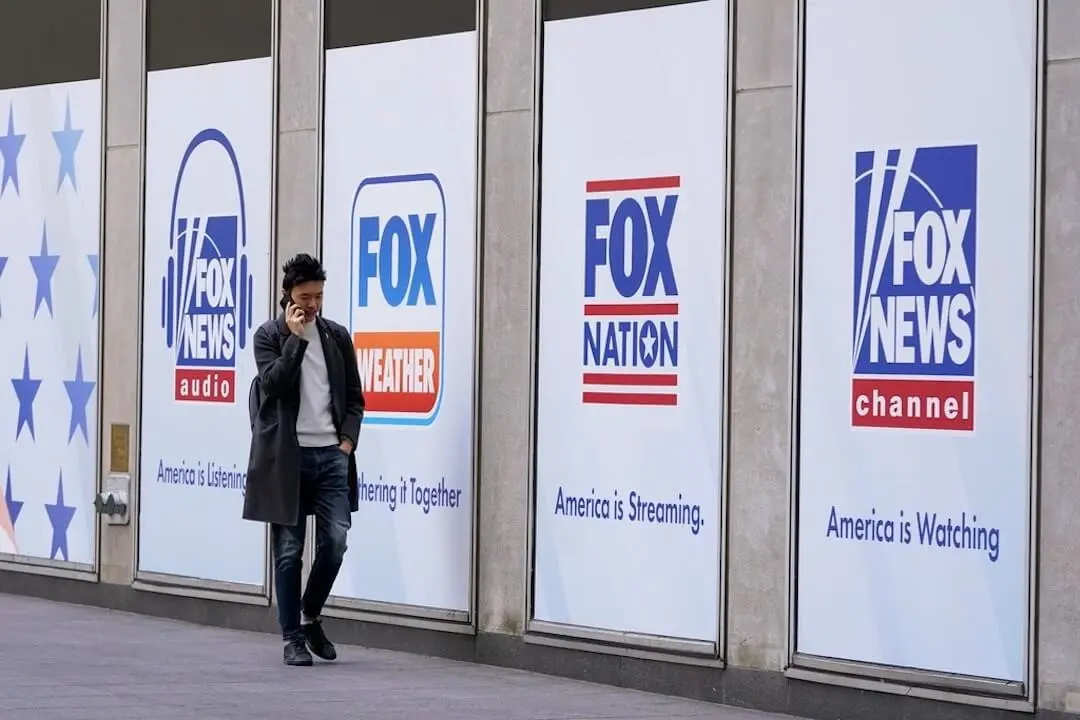
- October 7, 2026: Fox News officially marks its 30th anniversary, having first launched on October 7, 1996. Media critics, historians, and network executives trade sharp retrospective analyses regarding the network’s transformation of the American political and informational landscape.
- October 7, 2026 (Continued): Legal representatives for the banned news outlets return to federal court to argue for an extension of the restraining order, as the initial 14-day window nears its expiration and the administration continues to restrict access to smaller pool assignments.
- October 7, 2026 (Continued): The formal completion of the massive Paramount-Warner Bros. Discovery merger into Skydance is announced. David Ellison steps in as chairman and co-chief executive, successfully persuading CNN chief Mark Thompson to remain at the helm, thereby calming initial anxieties over sweeping corporate interference.
- October 11, 2026: Buoyed by a thrilling, high-scoring nationally televised NFL matchup between the Kansas City Chiefs and the Las Vegas Raiders (ending in a 30-27 victory), 60 Minutes rebounds significantly, drawing 10.2 million viewers—its highest audience numbers of the young season.
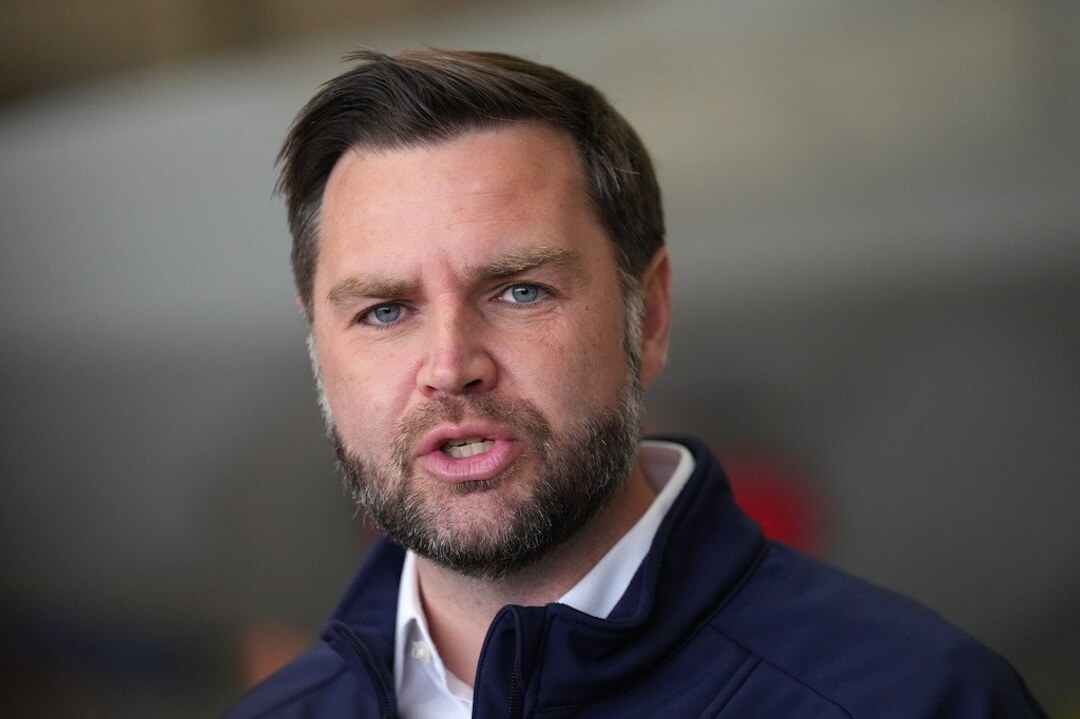
- October 14, 2026 (Announced for October 17): CBS News formally schedules a primetime single-guest town hall featuring Vice President JD Vance. Set to air at 8:00 p.m. ET from Michigan and moderated by CBS Evening News anchor Tony Dokoupil, the broadcast represents a rescheduled appearance from earlier in the year and arrives precisely two and a half weeks before the pivotal midterm elections.
Supporting Context & Metrics
Ratings Rebounds and Audience Fragmentation
The television industry continues to experience dramatic fluctuations in linear viewership, heavily dependent on live-event lead-ins and polarized political engagement. The trajectory of 60 Minutes illustrates this dynamic with clinical clarity:
- Episode 1 (Sept. 13): 7.94 million viewers (Split lead-in audience due to late-window NFL games on CBS and Fox).
- Episode 2: 6.77 million viewers (Absence of a featured national NFL lead-in game).
- Episode 3 (Mid-October): 10.2 million viewers (Boosted by a powerhouse NFL lead-in: Kansas City Chiefs vs. Las Vegas Raiders).
These metrics demonstrate that while traditional news programs retain immense drawing power when paired with live sports, their baseline audiences remain vulnerable to counter-programming and structural scheduling shifts.
The Political Stakes of CBS’s "Things That Matter" Series
The upcoming town hall with Vice President Vance is the fourth installment of CBS News’s experimental single-guest series, "Things That Matter," conceived by CBS News editor-in-chief Bari Weiss. The previous episodes highlight a deliberate effort to capture distinct cultural and political segments:
- Erika Kirk: Widow of Turning Point USA founder Charlie Kirk.
- Ben Sasse: Former Republican Senator from Nebraska.
- Wes Moore: Democratic Governor of Maryland (the sole Democrat featured in the series to date, appearing in February).
- JD Vance: Vice President of the United States (scheduled for October 17 in Michigan).
For a Republican Party facing a challenging electoral map in the midterms, the timing of Vance’s appearance offers a high-visibility platform to rally conservative bases and appeal to independent voters in a crucial industrial swing state.
Official Statements
Perspectives on Fox News at 30
The three-decade milestone of Fox News elicited starkly contrasting assessments from media commentators, political observers, and network insiders:
- Steve Cuozzo (The New York Post): Praised the network as "not merely the most influential conservative major televised news organization, but a vibrant, colorful and often controversial foil to the liberal and leftist voices that dominate broadcast and cable news." Cuozzo credited FNC with exposing administrative corruption that competitors allegedly ignored.
- Oliver Willis (Daily Kos): Offered a scathing counter-perspective, writing that "since launching on Oct. 7, 1996, Fox News has spent the past 30 years airing a nonstop stream of bile, misinformation, bigotry, and stupidity… Fox billed itself as ‘fair and balanced,’ but the network has been anything but. First and foremost, Fox is an attack machine."
- Brian Stelter (CNN): Highlighted the profound political legacy of the network, noting that "Trump is Fox’s biggest contribution to American history to date… Fox helped turn Trump from a celebrity businessman into a GOP political force, and over time reshaped itself in his image."
- Bret Baier (Chief Political Anchor, Fox News): Emphasized the duality of the network’s programming during an interview with Forbes, stating, "You know, we obviously have our opinion shows, but we have a really robust news presence, and I’m proud of that. So, you know, when I travel the country, I hear from people that really appreciate that there’s a news program as much as they appreciate the opinion programs."
Corporate Assurances on Journalistic Independence
Addressing widespread industry concerns regarding the Skydance acquisition of the newly merged Paramount-Warner Bros. Discovery entity, newly installed leadership offered explicit guarantees regarding editorial autonomy:
- David Ellison (Chairman and Co-CEO, Skydance): When directly questioned by CNN’s Anderson Cooper regarding whether he would pledge not to interfere with CNN’s news coverage, Ellison stated unequivocally: "Correct. We’ve been very clear."
- Dan Kennedy (Media Nation): Analyzed the structural realities of the merger, writing: "I have no illusions about Ellison’s motivations. But looking at it from the most cynical view possible, he got the regulatory permission he needed to merge the two companies, so there’s nothing more that he really needs from Trump; and Trump these days is weak and flailing, making him a far less formidable presence than he was a year ago." Kennedy also praised the retention of CNN chief Mark Thompson as a positive signal for ongoing digital reinvention and editorial integrity.
Future Outlook
The convergence of corporate consolidation, electoral pressures, and legal confrontations suggests that the American media landscape will remain in a state of high-stakes transformation for the foreseeable future.
- The Impact of the Midterms on Broadcast Journalism: The immediate electoral fallout from the upcoming midterm elections will heavily influence how major networks structure political programming. If Republican candidates outperform expectations, networks like CBS will likely face increased demand for prime-time conservative balancing acts. Conversely, a Democratic wave could prompt a realignment in how executive access is granted and managed.
- The Legal Battle Over White House Access: The outcome of the ongoing court battles between banned news organizations and the Trump administration will set a critical modern precedent for First Amendment protections and executive branch accountability. Should the federal judiciary uphold the administration’s national security pretexts, future administrations could wield credential revocation as a routine tool for silencing critical coverage.
- Post-Merger Realities at Skydance: As Skydance integrates its vast portfolio—encompassing both CBS News and CNN—industry watchers will monitor whether economic pressures ultimately force resource-sharing agreements that dilute distinct newsroom identities. However, the retention of seasoned executive leadership like Mark Thompson offers a stabilizing force, suggesting that digital transformation and traditional journalistic standards may weather the corporate storm.
Ultimately, the interplay between partisan media ecosystems, traditional broadcast accountability, and corporate ownership will continue to define the parameters of public information in the United States, shaping how millions of citizens perceive governance, elections, and truth itself.