

Executive Overview
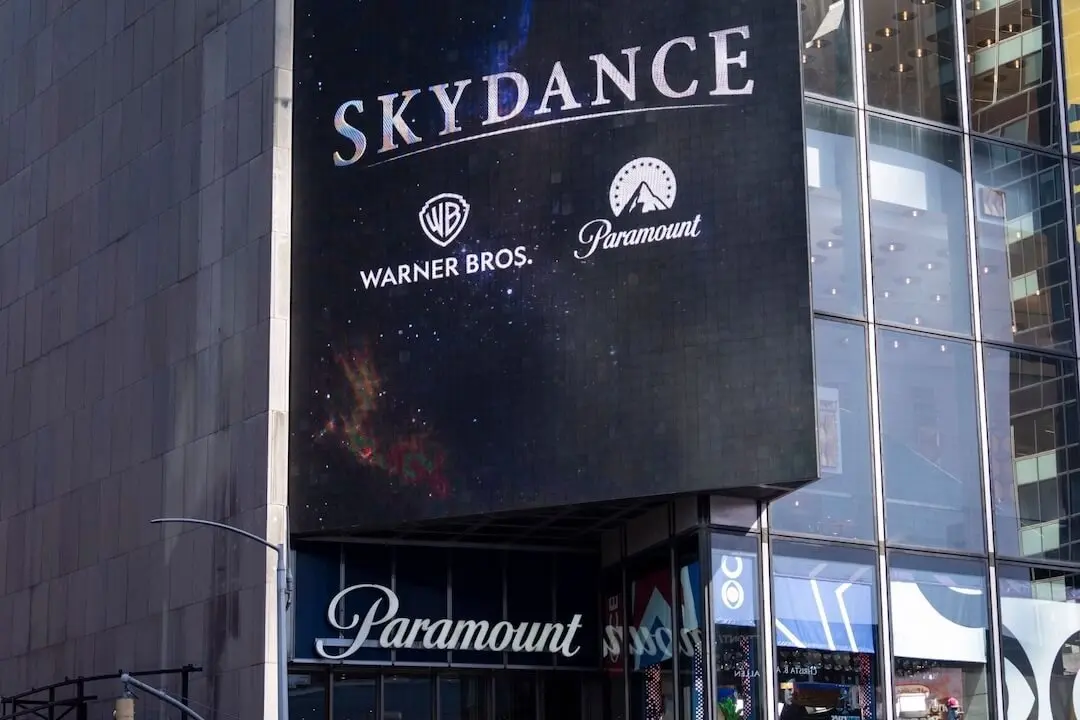
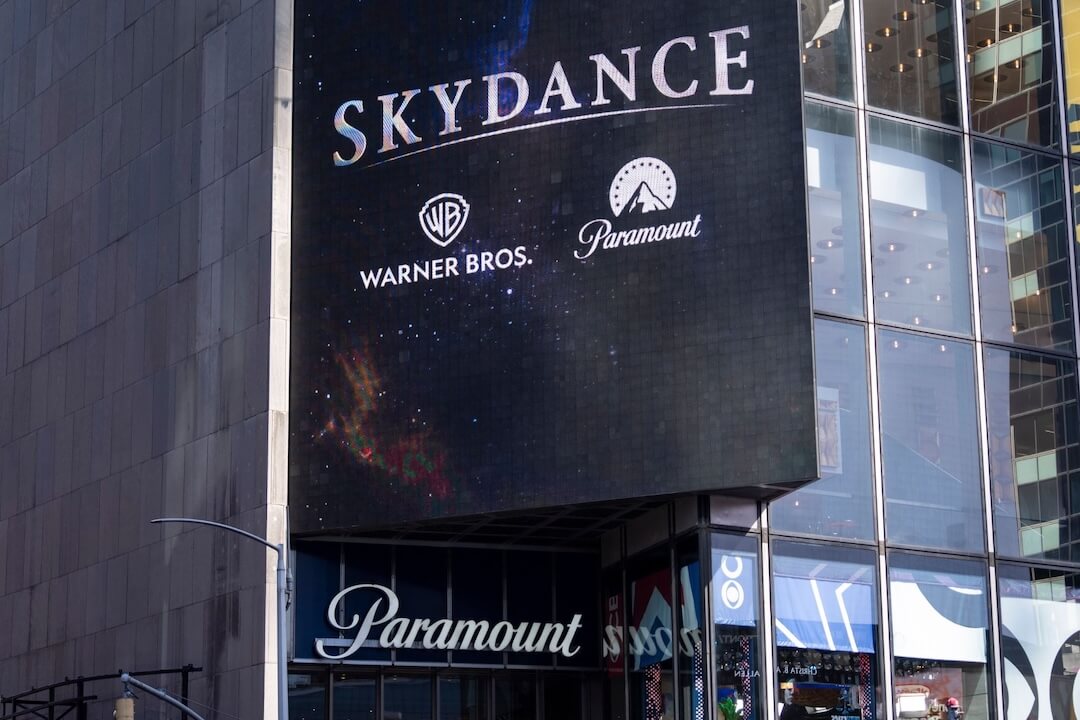
In what marks a seismic shift for the entertainment, streaming, and news sectors, the monumental $111 billion merger between Paramount Skydance and Warner Bros. Discovery officially closed on Tuesday. Following months of arduous regulatory hurdles, courtroom arm-wrestling, and high-profile pushback from industry heavyweights, the transaction has birthed an unprecedented Hollywood megacorporation simply operating under the Skydance banner.
The newly unified entity commands a vast empire spanning major film and television studios, premier subscription streaming platforms (Paramount+ and HBO Max), and two of the world’s most influential journalistic institutions: CNN and CBS News. Yet, even as industry leaders celebrate the historic closure, the corporate consolidation brings immediate ramifications. Financial analysts have already flagged steep integration risks, while leadership has acknowledged looming workforce reductions necessary to meet aggressive cost-cutting mandates.
Concurrently, the broader media landscape is reeling from compounding pressures. From federal free-speech legal battles involving Disney and the Federal Communications Commission (FCC) to turbulent flashpoints in sports broadcasting ethics, the modern media ecosystem is facing an unprecedented convergence of corporate, political, and cultural challenges.
Detailed Chronology of the Skydance-WBD Merger
The path to finalizing the Skydance and Warner Bros. Discovery transaction was fraught with legal maneuvers, financial structuring, and executive negotiations that dragged on for months.
- Early 2025–Mid 2026: Initial reports of a potential blockbuster combination surfaced, drawing immediate scrutiny from antitrust regulators, competitors, and Hollywood unions concerned about hyper-consolidation.
- Late Summer 2026: Skydance navigated high-profile resistance from various entertainment figures and secured the necessary financial backing to solidify the $111 billion valuation. Court battles over market dominance tested the resolve of both corporate boards.
- Tuesday, October 6, 2026: The transaction officially closed. Skydance leadership formally took the reins, establishing a unified corporate structure that merges foundational Hollywood legacies under a single umbrella.
- Post-Closure (Same Day): Fitch Ratings downgraded the newly combined company’s debt rating, citing heightened leverage and significant integration execution risks. Simultaneously, leadership distributed internal memos signaling upcoming workforce restructuring.
Supporting Context, Corporate Metrics, and Strategic Realities
The sheer financial scale of the Skydance-WBD merger places it among the largest corporate combinations in media history. However, Wall Street and credit agencies have expressed immediate caution regarding the viability of the combined balance sheet.
Debt, Integration, and Workforce Impact
On Tuesday, ratings agency Fitch announced a downgrade of the combined company’s credit profile. The adjustment reflects not only an unprecedented burden of accumulated debt but also what analysts term "significant execution and integration risks."
To stabilize finances, Skydance Chairman and Co-CEO David Ellison and Co-CEO Ynon Kreiz face the formidable task of delivering $6 billion in cost-cutting over the next three years. Industry analysts widely agree that achieving this ambitious target will require eliminating thousands of jobs across administrative, studio, and network divisions.
In a joint memo to employees, Ellison and Kreiz addressed the human cost of the merger:
"Integrating two companies will bring change, including difficult decisions that affect our workforce. We are committed to handling this process thoughtfully and respectfully."
The High-Stakes NFL Gamble
Beyond streaming and theatrical releases, Skydance has inherited massive sports broadcasting obligations that require immediate strategic management. According to sports media reporting by The New York Times, live sports remain one of the last bastions of appointment viewing, with the National Football League (NFL) serving as the ultimate crown jewel.
CBS Sports’ current rights deal with the NFL—costing approximately $2.1 billion annually—is scheduled to run through the end of the 2033 season. However, because control of CBS Sports shifted when Ellison acquired Paramount last year, the NFL holds a contractual window to reopen negotiations or exercise a change-of-control option as early as August 2026, alongside an opt-out clause at the conclusion of the 2029 season.
While the NFL has not yet exercised its change-of-control option, industry insiders suggest the league could leverage its position to extract up to $1 billion more per year from CBS Sports. In exchange, the NFL might drop its 2029 opt-out clause, granting CBS Sports long-term broadcasting certainty well into the next decade.
Official Statements and Editorial Independence at the News Giants
The integration of two journalistic powerhouses—CBS News and CNN—under a single corporate parent has triggered intense scrutiny regarding editorial integrity, particularly given the shifting political climate.
Leadership Structure
For the immediate future, CBS News will remain under the operational direction of Editor-in-Chief Bari Weiss, while CNN will continue to be headed by Mark Thompson.
Addressing CBS News staff during a call on Tuesday, Weiss sought to calm anxieties:
"Nothing right now is going to change. This is a process that’s going to unfold under time."
The CNN Question and Political Scrutiny
At CNN, concerns regarding political interference have centered primarily on David Ellison, whose reported personal and professional associations with President Donald Trump—including hosting a dinner for Trump and socializing at Ultimate Fighting Championship (UFC) events—have drawn skepticism from media critics.
To address these fears directly, Ellison appeared at a corporate town hall meeting on Tuesday, participating in a candid, public interview with CNN anchor Anderson Cooper.
- Cooper: "You’re pledging not to interfere with news coverage of CNN?"
- Ellison: "Correct. We’ve been very clear. We believe in complete editorial independence. We trust Mark. We trust the team."
Furthermore, Ellison publicly endorsed CNN’s aggressive resistance against attempts by the Trump administration to bar the network from official press coverage. Nevertheless, skeptics note that Ellison has strategically walled off CNN from Bari Weiss’s oversight at CBS News—a structural firewall that media analysts warn remains susceptible to future executive adjustments.
The Exit of David Zaslav
With the transaction officially complete, Warner Bros. Discovery President and CEO David Zaslav has departed the company, concluding a tenure marked by aggressive asset consolidation and substantial personal compensation. According to financial filings analyzed by Variety, Zaslav’s 2025 pay package totaled $165 million, and his departure triggers a lucrative "golden parachute" severance payout valued at a minimum of $550 million.
In a three-minute farewell video broadcast to WBD employees, Zaslav reflected on his tenure:
"For me, it’s been a great honor to be alongside all of you. I hope you take pride in what you’ve built, what you’ve created, and the role you’ve played in shaping an extraordinary history… I can’t wait to see what you do in the years ahead."
Broader Media Fronts: Disney vs. the FCC and Sports Media Ethics
While the Skydance-WBD merger dominates business headlines, the broader media landscape is actively battling critical regulatory and ethical battles on multiple fronts.
Disney Challenges the Federal Communications Commission
In federal court on Tuesday, The Walt Disney Company launched a direct legal challenge against the Trump administration, accusing the Federal Communications Commission of "blatant violations of the U.S. Constitution." Disney petitioned a federal judge to bar the FCC from pursuing what it terms an unprecedented, early review of local broadcast licenses for eight ABC television stations.
The regulatory dispute stems from an aggressive push by FCC Chairman Brendan Carr, who launched early license review proceedings in April. Disney argues that these targeted proceedings are being weaponized at the behest of President Trump in retaliation for critical programming on networks like ABC, specifically citing satirical late-night and daytime commentary on Jimmy Kimmel Live! and The View. Conversely, the FCC maintains that its inquiry is focused strictly on examining corporate diversity, equity, and inclusion employment practices.
Presiding District Judge Loren AliKhan appeared visibly skeptical during Tuesday’s hearings regarding the government’s justification for forcing ABC to apply years ahead of schedule for standard license renewals. Legal experts emphasize that a ruling in Disney’s favor would deal a severe blow to Chairman Carr’s two-year strategy of deploying regulatory threats to police major broadcast networks.
The Braiden Bell Controversy: Old Tweets, Accountability, and Hiring Practices
Simultaneously, the sports media industry has been roped into a fierce cultural debate following a high-profile hiring controversy in the Pacific Northwest.
On October 1, the Portland Trail Blazers announced the hiring of 29-year-old Braiden Bell as the franchise’s new television play-by-play announcer. Within hours, local investigative reporting by Devon Haskins of KGW News (NBC Portland) uncovered a series of offensive, racist, and misogynistic tweets posted by Bell in 2012 when he was 15 years old. The tweets included derogatory slurs against Asian individuals and women.
Faced with immediate public backlash, the Trail Blazers abruptly reversed course and fired Bell on the same day, releasing a statement that read:
"The Portland Trail Blazers have zero tolerance for racist, sexist, or harmful comments. Social media posts made by our recently announced play-by-play broadcaster are in clear violation of team and league policies… We did not meet our own bar in this process, and for that we apologize to Blazers fans."
The firing ignited a polarized debate across sports journalism:
- The Statute of Limitations on Youthful Speech: Supporters of Bell, including his legal counsel Arnie Herz, argued that penalizing an individual for insensitive remarks made as a minor—with no record of problematic behavior in adulthood—sets an impossible standard. Herz noted: "Should the worst words a fifteen-year-old ever wrote decide the rest of his life? That is the question now before the Portland Trail Blazers."
- Corporate Due Diligence: Prominent media critics, including The Athletic’s Andrew Marchand, lambasted the Trail Blazers’ vetting process, arguing that a competent organization would have investigated the context of the social media history, allowed Bell to address his youthful errors transparently, and retained him.
- Digital Hygiene for Young Professionals: Offering sage advice to emerging media professionals, veteran journalist Jemele Hill posted guidance on social media:
"I tell every young journalist to delete their social media accounts and just start new ones once they begin pursuing this career. There is no way you were posting anything on social media as a teenager that is going to age well."
Future Outlook
As the dust settles on the $111 billion Paramount-Skydance integration, the newly formed entertainment leviathan enters a high-stakes proving ground. Over the next 36 months, the success of David Ellison’s leadership will be judged not by the sheer magnitude of the assets acquired, but by the company’s ability to execute $6 billion in operational cost reductions without degrading the creative output of its legendary studios or the journalistic independence of CNN and CBS News.
Concurrently, the resolution of Disney’s constitutional showdown with the FCC will establish a vital legal precedent regarding federal regulatory overreach and the protection of editorial freedom in broadcast media. As streaming models evolve, live sports rights become hyper-competitive, and accountability metrics shift across digital platforms, the media industry of late 2026 finds itself permanently altered—navigating an era defined by consolidation, legal combat, and profound structural transformation.