

Executive Overview
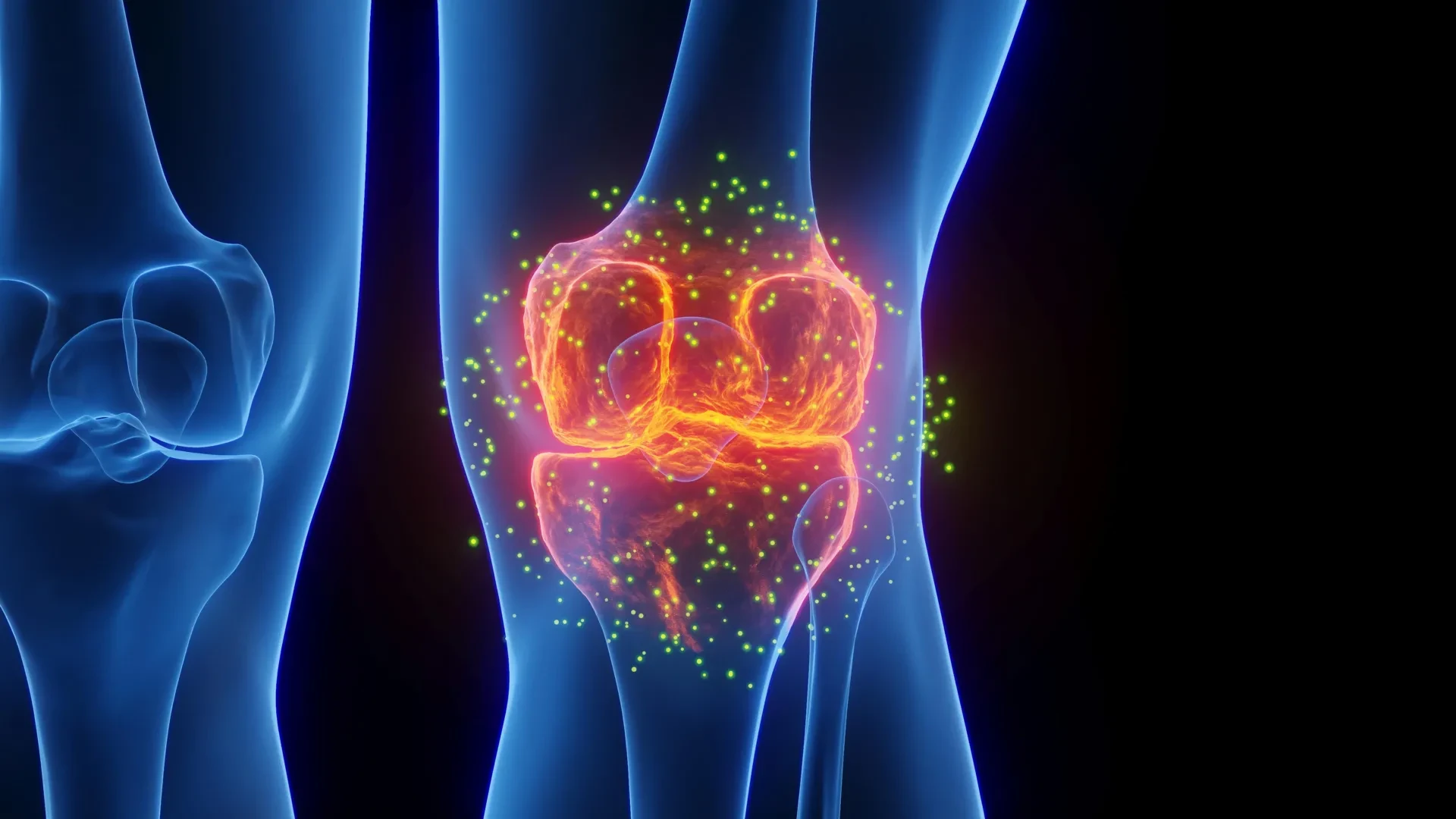
For the millions of individuals worldwide grappling with osteoarthritis, the daily reality is often defined by a relentless cycle of joint pain, debilitating stiffness, and a progressive loss of mobility. For decades, the medical consensus has accepted a frustrating limitation: while modern medicine offers a wide array of treatments—ranging from over-the-counter analgesics and non-steroidal anti-inflammatory drugs (NSAIDs) to corticosteroid injections—these interventions are exclusively palliative. They may temporarily blunt the sharp edges of joint discomfort, but they do nothing to arrest, halt, or reverse the underlying structural destruction of the joint. As articular cartilage slowly disintegrates, patients are marched inexorably toward major surgical interventions, most notably total joint replacement.
Now, a paradigm-shifting breakthrough from researchers at the Yale School of Medicine promises to rewrite the future of degenerative joint disease. In a landmark study published in the peer-reviewed journal Bioactive Materials, a team led by Yale scientists has demonstrated that an existing pharmaceutical agent—lacosamide, a drug traditionally prescribed to manage epilepsy—possesses a remarkable, previously unrecognized dual capability. When deployed correctly, lacosamide not only successfully quiets the agonizing pain signaling intrinsic to osteoarthritis, but it actively reverses cartilage degradation at the cellular level.
Even more compelling than the drug itself is the delivery mechanism engineered by the Yale team. Recognizing the biological reality of joints as "leaky buckets" that rapidly clear out foreign liquids, the researchers paired lacosamide with a specialized, temperature-sensitive hydrogel derived from Collagen II. This "smart" biomaterial acts as a local, long-acting reservoir. Injected directly into the joint space, the hydrogel remains liquid in the syringe but solidifies into a firm, gel-like matrix upon reaching body temperature. From this depot, it gently and continuously releases micro-doses of lacosamide over a period of four weeks or longer.
This fusion of drug repurposing and advanced biomedical engineering addresses a massive, unfulfilled clinical need. By targeting a specific, newly discovered protein pathway—Nav1.7—this novel therapeutic strategy bypasses the need for addictive opioid pain medications while offering a tangible pathway toward true disease modification. Because lacosamide is already FDA-approved and has a well-documented human safety profile, the translational runway from preclinical success to human clinical trials is significantly shortened, offering genuine hope to a patient population long resigned to managing symptoms rather than curing the disease.
Detailed Chronology of the Discovery
The journey from a neurological medication used for seizure control to a revolutionary osteoarthritis therapeutic is a testament to meticulous molecular biology and cross-disciplinary scientific inquiry.
Unmasking the Culprit: Nav1.7 in Cartilage
For years, biomedical researchers understood that osteoarthritis was far more complicated than simple "wear and tear." Healthy joints rely on specialized cells called chondrocytes to maintain a delicate, lifelong homeostasis. These cells continuously synthesize new extracellular matrix components while simultaneously clearing out aged, damaged material. In osteoarthritis, this equilibrium shatters; degradation outpaces synthesis, leading to the eventual erosion of cartilage down to the subchondral bone.
However, the precise molecular drivers behind this metabolic shift remained elusive. The Yale research team turned their attention to Nav1.7, a voltage-gated sodium channel protein. Historically, neurobiologists and pharmacologists viewed Nav1.7 through a narrow lens: it was thought to reside almost exclusively in specialized peripheral nerve cells, acting as a molecular gatekeeper that fires pain signals upward to the central nervous system.
Principal investigator Chuan-Ju Liu, PhD, the Charles W. Ohse Professor of Orthopaedics & Rehabilitation at Yale, and his team hypothesized that Nav1.7’s reach might extend further than previously appreciated. Through rigorous cellular and molecular assays, the team made a startling discovery: Nav1.7 is not just present in nerve tissue; it is also heavily expressed within the chondrocytes of diseased joints.
In healthy, pristine joints, Nav1.7 activity remains largely quiescent. But in the inflammatory, mechanically stressed environment of an osteoarthritic joint, Nav1.7 expression spikes dramatically. The Yale team discovered that this protein acts as a double-edged sword. Not only does its hyper-activation amplify pain signaling along nerve pathways, but it simultaneously signals chondrocytes to accelerate the enzymatic destruction of the very cartilage they are mandated to protect.
Drug Screening and the Power of Low Concentrations
Armed with the knowledge that Nav1.7 serves as a dual catalyst for both pain and structural degeneration, the researchers sought a pharmacological key to lock down the protein. Instead of embarking on the agonizingly slow and expensive path of de novo drug discovery—which can take well over a decade and cost billions of dollars—the team opted to screen existing sodium channel inhibitors.
Among the candidates tested, lacosamide emerged as the standout compound. Clinically established as a safe, effective anti-seizure medication, lacosamide demonstrated a powerful capacity to inhibit Nav1.7 channels at significantly lower concentrations than older, legacy sodium channel blockers, while exhibiting a superior overall safety profile.
However, the Yale team uncovered a critical pharmacological nuance during their dosage trials: lacosamide’s therapeutic efficacy on cartilage repair followed a strict bell curve. More was explicitly not better.
- At excessively high concentrations, the cellular benefits evaporated.
- At near-zero concentrations, no biological effect was observed.
- Only within an optimal, finely tuned low-concentration window did lacosamide successfully prompt chondrocytes to upregulate the synthesis of structural cartilage proteins while shutting down catabolic, tissue-destroying pathways.
Further investigation into the cellular mechanisms revealed that lacosamide triggers a profound shift in cellular communication. The drug stimulated the release of two vital signaling proteins: Heat Shock Protein 70 (HSP70) and midkine. HSP70 equips cells to withstand physical and oxidative stress while facilitating tissue repair, whereas midkine acts as a potent anti-inflammatory agent, shielding the joint microenvironment from further degeneration. Together, these proteins establish a biochemical fortress that favors tissue preservation and regeneration.
Engineering the "Smart" Hydrogel Reservoir
While systemic oral administration of lacosamide proved effective in early preclinical models, oral delivery presents inherent clinical hurdles. Pills circulate throughout the entire systemic vascular system, diluting the effective dose reaching the avascular joint tissue and dramatically increasing the risk of off-target side effects.
Intra-articular injection—delivering the drug directly into the affected joint space—presents an obvious alternative, but it comes with a major anatomical obstacle. As Dr. Liu colorfully described it, the human knee joint naturally functions as a "leaky bucket." Due to the body’s aggressive lymphatic and synovial fluid drainage mechanisms, simple liquid solutions injected directly into the knee capsule are cleared out and metabolized within a matter of hours.
To solve this pharmacokinetic dilemma, the Yale team engineered an advanced biomaterial: a temperature-responsive hydrogel constructed from Collagen II, the primary structural protein found in articular cartilage. This clever biomaterial exists in a liquid state while kept inside a cool syringe, making it easy to administer via standard clinical injection. Yet, the moment it crosses the biological threshold and reaches internal body temperature, it undergoes a phase transition, instantly transforming into a firm, highly cohesive, jelly-like matrix.
When loaded with lacosamide and injected intra-articularly, this hydrogel functions as a local, sustained-release pharmaceutical depot. It anchors the drug precisely where structural remediation is required, slowly diffusing micro-doses of lacosamide over a period of a month or longer. In comparative preclinical evaluations, a single intra-articular injection of the lacosamide-loaded hydrogel administered every four weeks outperformed daily oral dosing in preventing cartilage loss, all while providing continuous, localized analgesia without relying on systemic narcotics or addictive opioids.
Supporting Context & Metrics
To fully appreciate the magnitude of this Yale innovation, it is essential to examine the staggering epidemiological footprint of osteoarthritis and the current limitations of clinical management.
- Global Prevalence: Osteoarthritis is the most common form of joint disease globally, affecting hundreds of millions of individuals. According to global health metrics, more than 325 million people suffer from the condition worldwide, with knee osteoarthritis accounting for the vast majority of cases.
- The Aging Demographics: As global populations age and obesity rates—a major biomechanical risk factor—continue to climb, the prevalence of osteoarthritis is projected to surge dramatically over the coming decades, placing an unsustainable burden on healthcare systems.
- The Economic and Social Toll: Beyond physical disability, chronic osteoarthritis pain is a leading driver of clinical depression, workplace absenteeism, and lost productivity. The direct medical costs associated with outpatient visits, physical therapy, and end-stage joint replacement surgeries run into the tens of billions of dollars annually.
- The Surgical Bottleneck: When conservative therapies fail, patients are funneled into orthopedic operating rooms for total knee or hip arthroplasty. While these procedures are largely successful, they are invasive, carry inherent surgical risks, require extensive physical rehabilitation, and have finite device lifespans, often necessitating revision surgeries later in life.
- The Opioid Crisis Context: Historically, chronic, treatment-resistant joint pain has frequently been managed with prescription opioids when NSAIDs and steroid injections fail. The introduction of a localized, non-addictive, disease-modifying therapy like lacosamide delivered via hydrogel could provide a powerful alternative weapon in combating the broader public health crisis of prescription painkiller dependency.
- Dosage Efficiency: Preclinical trials revealed that lacosamide operates effectively at remarkably low concentrations within the joint microenvironment, reducing the total systemic load of medication and minimizing the risk of adverse neurological or systemic side effects typically associated with epilepsy medications when administered improperly.
Official Statements & Expert Analysis
The implications of the Yale study extend far beyond the immediate confines of the laboratory, signaling a fundamental shift in how orthopedic researchers conceptualize degenerative joint diseases.
Reflecting on the limitations of current medical interventions, principal investigator Dr. Chuan-Ju Liu emphasized the critical distinction between masking symptoms and altering disease trajectory:
"There is a major unmet need in osteoarthritis," says Dr. Chuan-Ju Liu, Charles W. Ohse Professor of Orthopaedics & Rehabilitation at the Yale School of Medicine. "We need therapies that don’t just mask pain but actually change how the disease progresses."
Dr. Liu expanded on the dual-acting nature of the Nav1.7 target, noting how targeting a single molecular pathway bridges the historical divide between pain management and structural tissue preservation:
"When Nav1.7 becomes dysregulated, it contributes to both joint degeneration and pain," Liu explains. "Our findings suggest that Nav1.7 is a dual-acting target. By blocking this single protein, we can potentially quiet the pain nerves and tell the cartilage cells to not only stop breaking down but start repairing as well."
Addressing the pharmacological challenge of delivering the drug efficiently without systemic toxicity, Dr. Liu highlighted the ingenious mechanics of the Collagen II hydrogel system:
"The knee joint, which is also the most common location for osteoarthritis, naturally acts like a leaky bucket. The body’s drainage system can clear out liquids injected into the knee within hours. The hydrogel acts as a local reservoir. It holds the drug in place in the location it is needed most and releases it slowly over time. It transforms a daily pill into a long-lasting, local treatment that stays active for a month or longer."
Looking toward the broader horizon of translational medicine and clinical application, Dr. Liu underscored the ultimate vision driving the Yale research team forward:
"We are not just developing a treatment. We are developing a system that allows the medicine to work more effectively where it matters most. Our goal is to move beyond symptom control and towards true disease modification. This effort brings us closer to that reality."
Independent biomedical experts not directly involved in the study have praised the research for its pragmatic approach. By successfully repurposing lacosamide—a drug with an established human safety pedigree—the Yale team has effectively de-risked the early phases of clinical development. Furthermore, the integration of advanced biomaterials science with established pharmacology represents the vanguard of modern drug delivery engineering, setting a new benchmark for localized therapeutic interventions.
Future Outlook & Clinical Implications
The publication of the Yale study in Bioactive Materials marks the closing of an exploratory chapter and the opening of an ambitious translational roadmap. As the research team pivots from preclinical animal models toward human clinical trials, several critical milestones lie ahead.
1. Accelerated Clinical Translation via Drug Repurposing
Because lacosamide has already cleared rigorous phase I, II, and III human clinical trials for epilepsy—and has furthermore undergone human safety evaluations in specialized trials targeting peripheral neuropathic pain conditions linked to Nav1.7 mutations—regulatory pathways for human osteoarthritis trials may be streamlined. While regulatory bodies such as the U.S. Food and Drug Administration (FDA) will still require dedicated safety and efficacy trials for intra-articular administration in osteoarthritic populations, the extensive existing safety data significantly de-risks the early human testing phase.
2. Validating the Biomaterial Pipeline
The success of the Collagen II temperature-responsive hydrogel opens up expansive possibilities beyond lacosamide. The platform technology—a smart, temperature-sensitive biomaterial that forms an in-situ depot within joint spaces—could theoretically be adapted to deliver a wide array of other small molecules, biologics, or gene therapies. Researchers anticipate evaluating whether similar hydrogel matrices can be tailored to release anti-inflammatory cytokines, growth factors, or stem-cell-derived exosomes tailored to various stages of joint degeneration.
3. Transforming Clinical Practice Guidelines
If human trials successfully replicate the preclinical findings, the clinical management of osteoarthritis could undergo a radical transformation. Instead of the current reactive treatment cascade—where patients progress from physical therapy and NSAIDs to steroid injections, and ultimately to joint replacement—physicians could deploy disease-modifying hydrogel injections at the earliest clinical signs of joint degradation.
- Reduced Surgical Intervention: By actively halting cartilage erosion and stimulating repair, early intervention could delay or entirely eliminate the need for costly, invasive total joint arthroplasties for millions of patients.
- Opioid-Sparing Analgesia: Providing sustained, localized pain relief directly at the source reduces the reliance on systemic analgesics, mitigating the public health risks associated with chronic pain management.
- Improved Quality of Life: Restoring joint homeostasis without systemic toxicity means patients can maintain active, independent lifestyles well into their later years.
Ultimately, the Yale research transcends the boundaries of a single drug and a single disease model. It exemplifies the power of modern biomedical convergence—where molecular biology, pharmacology, and advanced materials engineering meet to solve some of medicine’s most stubborn challenges. For the millions of individuals trapped in the chronic, grinding pain of osteoarthritis, Yale’s dual-action hydrogel offers something that has been missing for generations: the promise of real, disease-modifying hope.