

Executive Overview
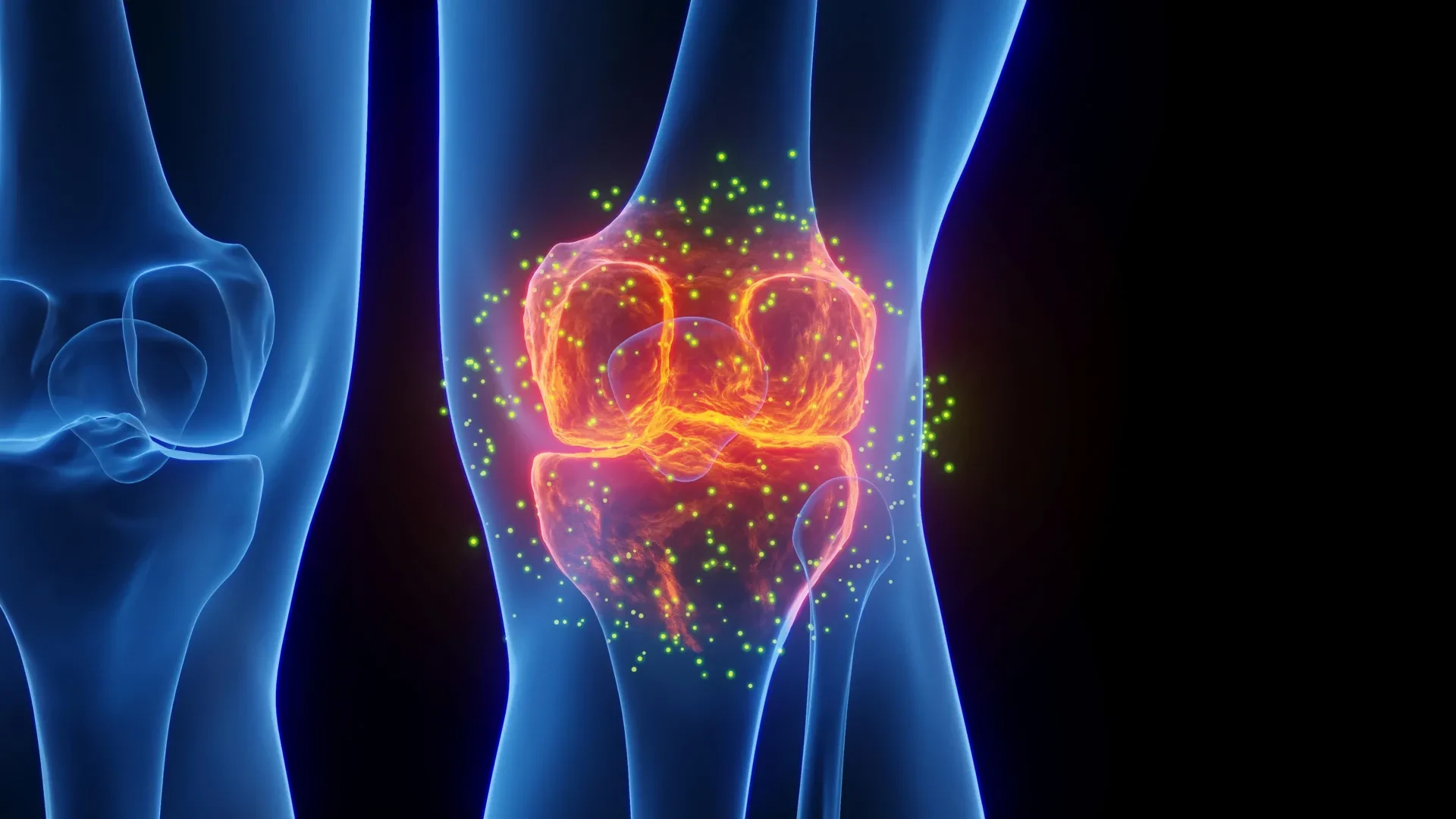
For millions of people living with osteoarthritis (OA), the daily reality is a relentless cycle of joint pain, stiffness, and progressive functional decline. Traditional therapeutic approaches—spanning over-the-counter analgesics, nonsteroidal anti-inflammatory drugs (NSAIDs), and intra-articular corticosteroid injections—offer temporary symptomatic relief. However, they share a critical, defining limitation: they do not alter the underlying pathogenesis of the disease. While patients find short-term respite from discomfort, the structural integrity of their joints continues to erode. Over time, cartilage thins, bone surfaces grind against one another, and many patients ultimately face invasive, irreversible joint reconstruction procedures such as total knee replacement.
Now, a pioneering study published in the journal Bioactive Materials by a research team at the Yale School of Medicine presents a paradigm-shifting approach to OA management. Led by Dr. Chuan-Ju Liu, the Charles W. Ohse Professor of Orthopaedics & Rehabilitation, scientists have discovered that a common, FDA-approved epilepsy medication—lacosamide—possesses a powerful, previously unrecognized dual capability: it simultaneously alleviates neuropathic and inflammatory joint pain while halting, and potentially reversing, cartilage damage.
To overcome the pharmacokinetic hurdles of traditional drug administration, the Yale team engineered an advanced, temperature-responsive biomaterial: a specialized hydrogel derived from Type II collagen. Acting as a localized "smart reservoir," this hydrogel addresses the physiological challenge of joint fluid clearance by releasing precise, sustained doses of lacosamide directly into the affected joint capsule over a period of four weeks or longer.
This breakthrough represents a rare convergence of drug repurposing and biomaterials engineering. By targeting Nav1.7—a sodium channel protein found to be critically dysregulated in both pain-sensing nerves and cartilage-maintaining chondrocytes—the Yale team has demonstrated a method to move modern medicine away from mere symptom management and toward genuine disease modification. With lacosamide already possessing a known human safety profile, this innovative drug-delivery ecosystem could dramatically accelerate the path toward clinical translation, offering new hope for millions worldwide.
Detailed Chronology of the Discovery
The journey from identifying an elusive molecular target to engineering a smart drug-delivery system required years of meticulous biochemical investigation.
Phase I: Redefining the Role of Nav1.7 in Joint Biology
For years, biomedical researchers understood that the protein Nav1.7 operated primarily as a voltage-gated sodium channel within specialized peripheral nerve cells, facilitating the transmission of pain signals to the central nervous system. Because of its role in signal transduction, Nav1.7 became a prime target for pharmaceutical development aimed at non-opioid pain management.
However, Dr. Liu’s laboratory at Yale suspected that Nav1.7’s biological portfolio extended beyond neuro-signaling. Through comprehensive molecular profiling and tissue analysis, the research team made a startling discovery: Nav1.7 is also highly active within chondrocytes—the specialized cells responsible for synthesizing and maintaining the extracellular matrix of articular cartilage.
In healthy joints, Nav1.7 remains largely quiescent. But in the inflammatory, mechanically stressed environment of an osteoarthritic joint, the expression and activity of Nav1.7 surge dramatically. The Yale researchers demonstrated that this hyperactivation triggers a dual catastrophe. First, it amplifies pain signaling to the brain. Second, it shifts the metabolic equilibrium of chondrocytes, driving them away from tissue maintenance and toward catabolic destruction—the systematic enzymatic breakdown of cartilage.
Phase II: Drug Screening and the Identification of Lacosamide
Armed with the knowledge that Nav1.7 simultaneously drives pain and tissue degradation, the Yale team sought an agent capable of inhibiting this protein safely and effectively. Rather than initiating the multi-decade process of designing a novel chemical entity from scratch, the researchers screened a library of existing sodium channel blockers.
Their focus narrowed to lacosamide, an established small-molecule therapeutic conventionally prescribed to manage partial-onset seizures in epilepsy patients. Preclinical evaluations revealed that lacosamide exhibited exceptionally strong biological activity against Nav1.7 at remarkably low concentrations.
Crucially, the drug’s therapeutic window proved to be exceptionally narrow and finely tuned. The researchers observed that lacosamide’s cartilage-protective properties followed a bell-shaped dose-response curve. At optimal low concentrations, the drug stimulated chondrocytes to synthesize essential structural proteins while suppressing catabolic enzymes. When concentrations were either too high or too low, these beneficial effects dissipated. This underscored the necessity of controlled, low-dose delivery.
Phase III: Unlocking Cellular Communication Pathways
To understand how lacosamide exerted its protective and regenerative effects at the molecular level, the Yale investigators analyzed changes in cellular signaling pathways following drug exposure.
They discovered that lacosamide acts as a master regulator of intercellular communication, stimulating the release of two vital cytoprotective signaling proteins:
- Heat Shock Protein 70 (HSP70): A critical molecular chaperone that assists cells in managing oxidative and physical stress while orchestrating tissue repair mechanisms.
- Midkine (MK): A heparin-binding growth factor known to regulate inflammatory cascades, protect cells from apoptosis (programmed cell death), and shield joint tissues from progressive degeneration.
Together, the secretion of HSP70 and midkine creates a supportive local microenvironment. This biological shift enables the therapeutic benefits of lacosamide to extend far beyond individual chondrocytes, transforming the biochemical landscape of the entire joint matrix.
Phase IV: Engineering the Collagen II "Smart Hydrogel"
Even with a potent drug candidate, the researchers faced a formidable pharmacokinetic obstacle: intra-articular clearance. The human knee joint—the primary site of osteoarthritis manifestation—acts naturally as a "leaky bucket." Synovial fluid dynamics and natural lymphatic drainage systems rapidly clear out liquids introduced into the joint capsule, often eliminating conventional liquid injections within hours.
To solve this, Dr. Liu’s team designed an intelligent drug delivery system utilizing a hydrogel composed of Collagen II, the primary structural protein found in articular cartilage. This biomaterial was engineered with thermosensitive properties:
- At room temperature or inside a clinical syringe, the material remains a fluid solution, allowing for easy, minimally invasive injection.
- Upon reaching physiological body temperature inside the joint cavity, the hydrogel undergoes a phase transition, transforming into a stable, firm, jelly-like depot.
This hydrogel acts as a localized reservoir. Trapping lacosamide within its matrix, the hydrogel meters out the drug in controlled, sustained quantities over a period of 30 days or longer. Preclinical testing revealed a dramatic pharmacokinetic advantage: a single intra-articular injection of the lacosamide-loaded hydrogel every four weeks outperformed daily oral dosing regimens in preventing structural cartilage loss.
Supporting Context & Metrics
To appreciate the gravity of the Yale discovery, one must examine the clinical landscape and economic toll of osteoarthritis, alongside the specific metrics defining the new therapeutic strategy.
The Global Burden of Osteoarthritis
- Prevalence: Osteoarthritis affects hundreds of millions of individuals globally, making it the most common form of arthritis and a leading cause of chronic disability among older adults.
- Economic and Healthcare Impact: Direct medical costs—including routine physician visits, physical therapy, diagnostic imaging, and joint reconstruction surgeries—cost healthcare systems billions of dollars annually. Indirect costs, such as lost workplace productivity and early retirement due to chronic pain, further compound the burden.
- The Treatment Gap: Prior to this study, zero FDA-approved pharmacotherapies possessed the dual capability to simultaneously alleviate OA pain and structurally modify or reverse cartilage degradation. Current interventions are largely palliative, designed to manage symptoms while the underlying joint pathology steadily advances toward joint replacement surgery.
Key Study Metrics & Preclinical Findings
- Target Protein: Nav1.7 voltage-gated sodium channel (dual-acting regulator of neuropathic pain signaling and chondrocyte catabolism).
- Selected Compound: Lacosamide (repurposed antiepileptic drug exhibiting high binding affinity and safety at low concentrations).
- Downstream Signaling Up-Regulation: Significant induction of Heat Shock Protein 70 (HSP70) and midkine (MK) to combat oxidative stress and suppress inflammatory destruction.
- Delivery Matrix: Temperature-responsive Type II collagen hydrogel.
- Release Kinetics: Sustained local therapeutic delivery spanning 4 weeks or longer per single intra-articular administration.
- Comparative Efficacy: One hydrogel injection every four weeks successfully outpaced daily oral administration protocols in preserving structural cartilage integrity in preclinical models.
Official Statements and Expert Perspectives
The implications of the Yale study have garnered widespread attention within the orthopedic research and clinical communities. Below are detailed insights from the study’s principal investigators and broader institutional commentary.
"There is a major unmet need in osteoarthritis. We need therapies that don’t just mask pain, but actually change how the disease progresses."
— Dr. Chuan-Ju Liu, PhD, Principal Investigator and Charles W. Ohse Professor of Orthopaedics & Rehabilitation, Yale School of Medicine.
Dr. Liu emphasizes that the historical segregation of pain management and tissue regeneration in OA treatment has severely limited patient outcomes. By demonstrating that a single molecular target—Nav1.7—governs both the perception of discomfort and the physical breakdown of tissue, the research team has unlocked a unified therapeutic target.
Discussing the delicate nature of drug concentration, Dr. Liu noted:
"This tells us the system is finely tuned. There is an optimal range where the drug helps restore balance without overcorrecting. What stood out was not just its effectiveness, but how little of a dose was needed."
Addressing the structural engineering hurdles of intra-articular drug retention, Dr. Liu used a striking biological analogy to describe the mechanics of the knee joint:
"The knee joint, which is also the most common location for osteoarthritis, naturally acts like a leaky bucket. The body’s drainage system can clear out liquids injected into the knee within hours. The hydrogel acts as a local reservoir. It holds the drug in place in the location it is needed most and releases it slowly over time. It transforms a daily pill into a long-lasting, local treatment that stays active for a month or longer."
Concluding on the translational horizon of the research, Dr. Liu stated:
"We are not just developing a treatment. We are developing a system that allows the medicine to work more effectively where it matters most. Our goal is to move beyond symptom control and towards true disease modification. This effort brings us closer to that reality."
Future Outlook and Clinical Translation
The publication of these findings in Bioactive Materials marks a critical transition point from foundational bench science to translational clinical development. The path forward is underpinned by several strategic advantages, though important hurdles remain.
Accelerated Clinical Pathways via Drug Repurposing
Because lacosamide is already a well-characterized, FDA-approved medication with an established safety profile in human populations—and has undergone human clinical evaluation for other nerve-related pain disorders stemming from Nav1.7 mutations—the timeline for clinical translation is significantly compressed. Investigators do not face the lengthy, high-attrition Phase I safety trials required for entirely novel chemical compounds. Instead, clinical researchers can focus directly on formulating the Collagen II hydrogel delivery system for human trials, evaluating optimal dosing parameters, and confirming therapeutic efficacy in osteoarthritis patients.
Reducing Surgical Interventions and Healthcare Costs
If human trials validate the preclinical results, the implications for orthopedic surgery are profound. By halting structural cartilage degradation and providing sustained, non-opioid pain relief, this localized hydrogel therapy could:
- Delay or entirely eliminate the necessity for total knee and hip replacements in a substantial subset of patients.
- Mitigate the public health risks associated with long-term systemic oral analgesic use (such as gastrointestinal bleeding from NSAIDs or the societal risks tied to opioid dependency).
- Streamline healthcare delivery by shifting patients from daily pill regimens to intermittent, long-acting intra-articular procedures administered during routine outpatient visits.
The Broader Horizon of Biomaterial-Assisted Therapeutics
Beyond osteoarthritis, the success of the Yale study exemplifies a broader, transformative trend in modern pharmacology: the marriage of small-molecule therapeutics with advanced, bio-responsive biomaterials. By engineering environments that control where, when, and how a drug is released, scientists can maximize local tissue exposure while minimizing systemic toxicities.
As the Yale research team prepares for the next phases of clinical investigation, millions of individuals suffering from degenerative joint diseases stand on the precipice of a new medical era—one where treatments do more than silence the symptoms of decline, actively preserving the structural foundation of human mobility.