The intersection of politics, law, and journalism has entered a volatile new phase, marked by aggressive legal standoffs over executive branch transparency, public confrontations involving elected officials and student reporters, and massive structural shakeups within legacy broadcast media.
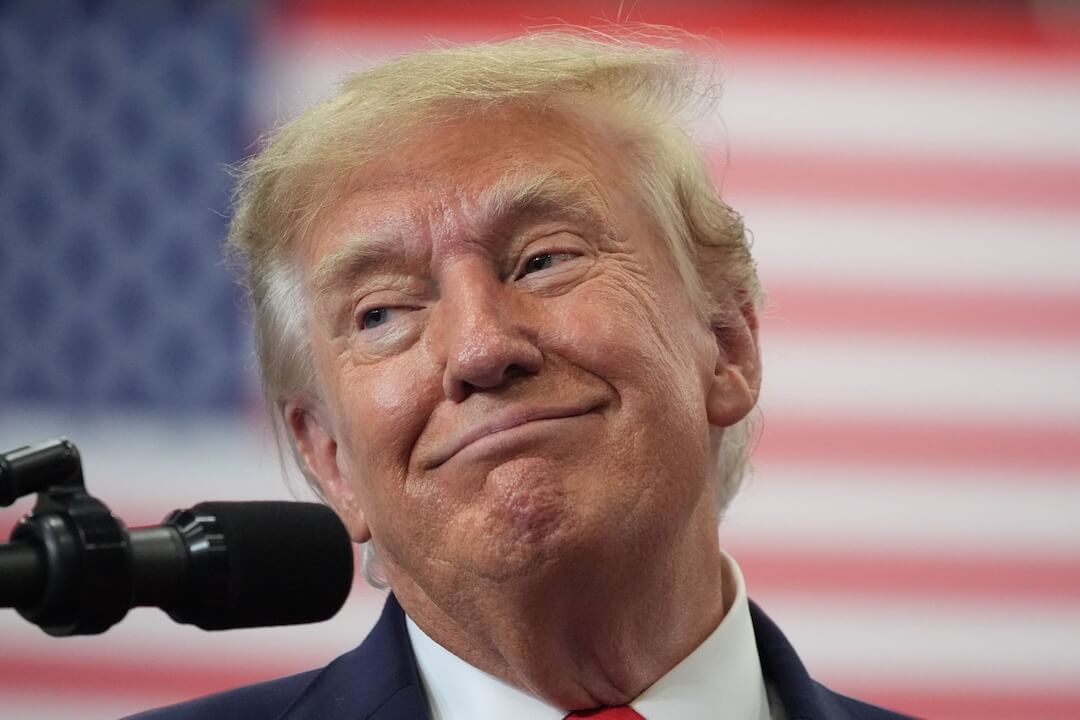
In a decisive legal rebuke to the executive branch, a federal judge has ruled that the Trump administration must restore White House access to major news organizations while their permanent lawsuits play out. The court’s preliminary injunction underscores long-standing constitutional protections under the First and Fifth Amendments, dealing a blow to administration efforts to curb reporting by penalizing outlets it deems critical or biased.
Simultaneously, the tensions playing out at the highest levels of government are trickling down to the campaign trail. A high-profile confrontation between a senior U.S. congressman and a student journalist over public-space recording laws has ignited a nationwide debate regarding the boundaries of press freedom and the misapplication of legal statutes by public officials.
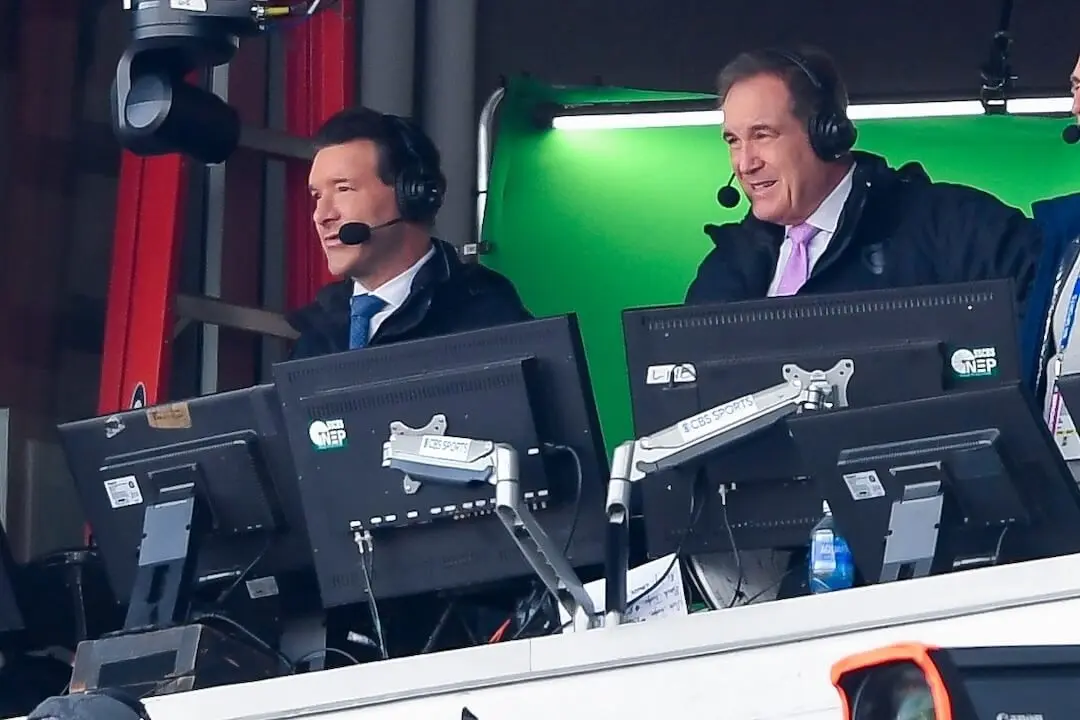
Meanwhile, traditional broadcasting is undergoing its own seismic shifts. CBS News is reeling from a historic ratings slump for its flagship investigative program 60 Minutes, compounded by the fallout from the departure of its top NFL analyst. In contrast, executives at networks like CNN are digging in their heels, vowing unlimited financial and legal commitments to defend the foundational liberties of working journalists. This report examines the multi-front war for press access, the legal realities of public documentation, and the shifting economic and structural landscapes of American journalism.
Detailed Chronology
The White House Access Battle
The ongoing legal war over White House press credentials reached a critical milestone late Tuesday when U.S. District Judge Timothy J. Kelly issued a sweeping preliminary injunction. The ruling forces the Trump administration to immediately reinstate the hard passes of CNN, MS NOW, and Politico.
The controversy began last month when the administration abruptly revoked the press credentials of reporters from these organizations. Public statements by President Trump heavily implied that the revocation was a direct punitive measure against coverage he found unfavorable. Judge Kelly initially stepped in with a 14-day temporary restraining order, which was subsequently extended as the court weighed longer-term injunctive relief.
In his written opinion, Judge Kelly dismantled the administration’s belated national security defense, noting a distinct lack of administrative record or direct statements from the president indicating that national security concerns were the genuine catalyst for the bans. Instead, Kelly found a clear "causal link" between the outlets’ protected First Amendment speech and the revocation of their credentials, explicitly stating that the president likely banned the plaintiffs due to a belief that their reporting was inaccurate and biased against him.
The Congressional Clash in Maryland
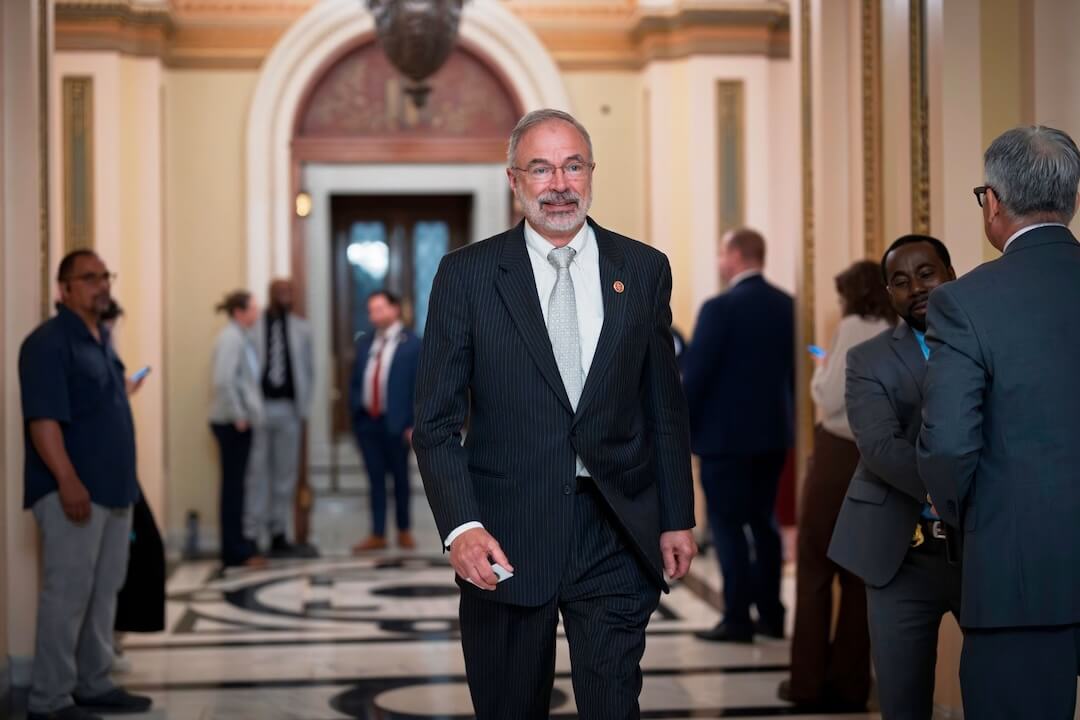
While federal courts work to protect national press corps access, local and regional journalism faced a direct, physical threat on the campaign trail in Maryland. Rep. Andy Harris (R-Md.), a ninth-term congressman and chair of the House Freedom Caucus, experienced a disastrous public relations collapse following a tense debate against Democratic challenger Dan Schwartz.
During the debate, an attempt by Harris to pin the blame for high diesel prices on environmental regulations and Democrats was met with open derision, laughter, and jeers from the audience. Losing his composure, Harris lashed out at the crowd, accusing attendees of hypocrisy regarding the First Amendment and singling out audience members for being "rude."
The true test of press freedom, however, occurred immediately after the event during a press gaggle. Cat Murphy, a graduate student reporting for Capital News Service—a student-powered newsroom operated by the University of Maryland Philip Merrill College of Journalism—began recording the congressman.
Visibly agitated, Harris confronted Murphy, asserting without legal basis that she did not have his permission to record and threatening her with criminal prosecution. He repeatedly demanded that an officer be called and that her camera be confiscated, citing Maryland’s status as a "two-party consent" state for audio recordings.
When another journalist correctly pointed out that the interaction took place in a public forum during an open press gaggle, Harris doubled down on his erroneous legal interpretations, snapping at the reporter and insisting that his status as a legislator gave him superior knowledge of the law. Despite repeated threats of police intervention and demands for the confiscation of her equipment, Murphy maintained her composure and pivoted back to substantive questions regarding foreign policy. Harris ultimately stormed out, blaming Murphy for ruining the availability for her peers.
Supporting Context & Metrics
The Legal Realities of Recording in Public Spaces
The viral fallout from the Andy Harris incident served as an impromptu constitutional masterclass delivered by prominent legal analysts and journalists across social media. CNN anchor Jake Tapper, The Washington Post’s Drew Harwell, and independent journalist Jim Acosta swiftly corrected the congressman’s misapplications of state wiretapping statutes.
Under established American constitutional law:
The Two-Party Consent Exception: Statutes requiring all parties to consent to an audio recording apply strictly to private oral communications where individuals possess a reasonable expectation of privacy.
Public Forums and Officials: Public officials operating in official capacities in public spaces—such as a post-debate press scrum—possess zero expectation of privacy.
The First Amendment Right: Citizens and members of the press maintain an absolute First Amendment right to record video and audio of law enforcement officers and public officials carrying out their duties in public spaces, provided they do not physically obstruct those duties.
Broadcast Metrics: 60 Minutes and the NFL Lead-In Effect
The economic health of legacy network news continues to demonstrate an acute vulnerability to sports scheduling. Nielsen data released following the fourth week of the television season highlighted a historic volatility in viewership for CBS’s legendary investigative newsmagazine, 60 Minutes.
The Peak: One week prior, bolstered by a dramatic late-window NFL matchup between the Kansas City Chiefs and the Las Vegas Raiders, 60 Minutes shattered expectations by cracking 10 million viewers (10.2 million) for the first time in the current season.
The Valley: The following Sunday saw viewership plummet to 6.061 million viewers—despite featuring a high-profile report from the West Bank by veteran correspondent Lesley Stahl. Media analysts noted that this represented the lowest-rated fourth episode of a 60 Minutes season in the 21st century.
The Catalyst: Industry analysts pointed directly to the absence of a strong CBS lead-in game. With Fox broadcasting the marquee late-window game featuring the San Francisco 49ers and the Seattle Seahawks, CBS was deprived of the massive sports audience spillover necessary to sustain elevated news viewership.
Official Statements
The legal and cultural ramifications of these events elicited strong responses from institutional leaders across the media landscape.
Ted Boutrous, Lead Attorney for the Media Plaintiffs:
"When the President issued his ‘ban on the free press,’ he blatantly and explicitly violated due process and the First Amendment. Since then, the President has repeatedly, candidly, and consistently admitted in public that he banned our clients from the White House to punish reporting he doesn’t like and to try to force journalists to cover him in ways he prefers. The harm this ban did to our clients, the First Amendment, and the public as a whole is profound."
Bruce D. Brown, President of the Reporters Committee for Freedom of the Press:
"The court has put an end to a blatantly unconstitutional attempt to punish news outlets for coverage the president doesn’t like. The decision protects not only CNN, MS NOW, and Politico, but all the other holders of White House passes who continued to work under the threat of retaliation — and of course the public, which deserves timely and accurate information from a press corps free from government intimidation."
Mark Thompson, CNN Chief Executive Officer:
Speaking during a rare on-air appearance with Kate Bolduan, Thompson emphasized the network’s long-term resolve: "This topic is one we’re never going to back down from. And no matter how many court cases, investigations, court appearances and all the expense that that entails, will fight this one to the end… It’s a vote of confidence in free speech, and our right — not really so much for ourselves, but on behalf of the public everywhere."
Jim Nantz, CBS Sports Play-by-Play Announcer:
Addressing the departure of former broadcast partner Tony Romo following his legal troubles and subsequent contract buyout, Nantz expressed long-term support on Jimmy Traina’s Traina Thoughts podcast: "I think unquestionably he will work again. I don’t know if it’s calling games or being in studio, but he’s got a lot of talent… It’s a forever relationship."
Future Outlook
The legal battles and structural shifts documented over this past week point toward an increasingly adversarial relationship between political actors and the American press corps.
As the Trump administration prepares its formal appeal against Judge Kelly’s preliminary injunction, media organizations are bracing for a protracted, multi-year legal war that could ultimately find its way to the Supreme Court. Network executives, as evidenced by CNN’s Mark Thompson, have signaled a willingness to commit substantial capital and institutional resources to exhaust every legal avenue in defense of press credentials.
On the local and legislative fronts, the viral confrontation involving Rep. Andy Harris highlights an urgent need for continued media literacy training—not merely for the general public, but for veteran lawmakers who interact with the press daily. The incident has also served as an unexpected showcase for the caliber of emerging journalistic talent produced by university-level programs, best exemplified by Cat Murphy’s poise under intimidation and subsequent recognition by national broadcasters.
Finally, the economic volatility experienced by networks like CBS underscores the precarious modern business model of traditional news broadcasts, which remain inextricably bound to live sports distribution rights. As digital fragmentation accelerates and political hostility toward institutional media persists, the resilience of the working press—from White House correspondents to student reporters on the campaign trail—remains the primary bulwark defending public access to transparent governance.