

Executive Overview
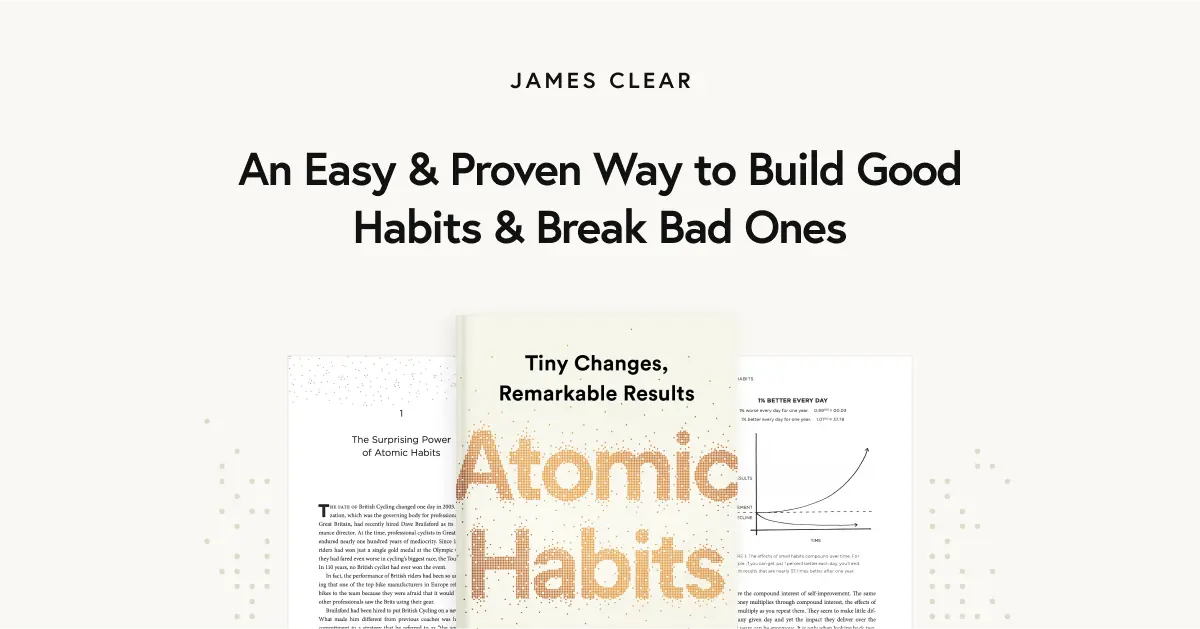
The mechanisms of human behavior are notoriously difficult to alter through sheer willpower alone. For decades, popular psychology has preached the gospel of grand resolutions and monumental goals, only to leave millions frustrated by inevitable relapses. However, a paradigm shift has taken place across behavioral science and personal development, championed largely by James Clear’s seminal work, Atomic Habits. Moving away from goal-oriented resolutions, the framework emphasizes the foundational architecture of identity, environmental cues, and frictionless transitions.
Rather than relying on abstract theory, the true test of any behavioral framework lies in its deployment within the friction-heavy environments of daily life. To evaluate the pragmatic value of these concepts, an extensive collection of field data was compiled from real-world practitioners—readers who have operationalized the theories outlined in Atomic Habits.
This report synthesizes thirty distinct case studies, categorized across core behavioral pillars: identity-based shifts, cue modification, habit stacking, environmental architecture, behavioral substitution, mindset reframing, and quantitative tracking. The evidence demonstrates that by manipulating micro-variables within daily routines, individuals can systematically construct positive trajectories and dismantle entrenched, maladaptive patterns.
Detailed Chronology: The Evolution of Habit Implementation
The journey of habit formation rarely occurs overnight; rather, it follows a structured psychological evolution. Analyzing the progression of readers who successfully transformed their lives reveals a distinct chronological arc from cognitive reframing to automated execution.
Phase 1: Cognitive Realignment and Identity Adoption
The foundational phase of sustainable behavior change begins in the mind, long before any physical action is taken. Traditional self-help urges individuals to focus on outcomes—what they want to achieve. Conversely, identity-based habits demand a focus on who the individual wishes to become.
- The Nutritional Pivot: A reader named Roland struggled for years with erratic eating habits. Previous attempts driven by outcomes—such as the desire to lose weight or avoid junk food—consistently failed. The breakthrough arrived when Roland shifted his cognitive framework from "I want to stop eating bad food" to "I am someone that eats healthy and lives a healthy life." This ontological shift redefined his decision-making architecture, rendering healthy choices natural rather than sacrificial.
- The Smoking Cessation Paradigm: Similarly, Robert approached smoking cessation not through deprivation, but through linguistic and psychological reframing. By replacing the disempowering internal monologue of "I can’t smoke" with the affirmative identity statement "I don’t smoke," Robert reframed his behavior. He was no longer sacrificing a pleasure; he was investing in future wellbeing.
- Positive Reinforcement Loops: To accelerate this identity shift, another reader combined cognitive redefinition with tangible micro-incentives. Adopting the identity mantra "I am no longer a drinker," they allocated a $10 reward for every successful 24-hour abstinent period, purchasing constructive items like clothing rather than destructive substances. Over a span of six years, the external allowance became obsolete as the identity solidified into permanent sobriety.
Phase 2: Environmental Engineering and Cue Modification
Once identity has been established, the battle shifts to the external world. Human beings are profoundly reactive creatures, heavily influenced by the immediate architecture of their surroundings. Successful practitioners systematically manipulate cues to make good habits obvious and bad habits invisible.
- Elevating Positive Cues: Lisa combated reading inertia by automating her library holds, maintaining a rolling inventory of 20 to 30 books. This eliminated the friction of browsing and imposed a strict three-week deadline, transforming reading from a chore into an automated pipeline. Concurrently, Heather utilized color psychology and strategic placement, positioning a vibrant aqua water bottle on her nightstand to serve as an unmissable morning cue for hydration.
- Suppressing Negative Cues: Conversely, eliminating maladaptive behaviors often requires purging triggers from the environment. Max successfully eliminated an e-cigarette dependency by simultaneously eradicating his consumption of morning coffee—the exact behavioral trigger that routinely paired caffeine intake with nicotine use.
Phase 3: Behavioral Anchoring and Friction Management
As routines stabilize, individuals begin integrating new behaviors into pre-existing patterns through habit stacking, while simultaneously increasing friction for undesirable actions.
- Habit Stacking in Action: In Beijing, a language learner committed to an aggressive Mandarin acquisition strategy by anchoring conversation to an inevitable daily occurrence: taking taxi rides. By forcing himself to initiate dialogue with drivers five times daily, regardless of fatigue, he achieved fluency within two years. Similarly, David anchored a 20-minute daily meditation practice directly to the completion of his morning tooth-brushing routine.
- Strategic Friction: To dismantle destructive snacking habits, Cyd implemented a physical barrier: storing family snacks inside a locked vehicle parked outdoors in cold weather. Meanwhile, Daniel and Chris engineered early-morning wake-up protocols by relocating their mobile alarms to the bathroom. By forcing physical ambulation and requiring a QR code scan to deactivate the alarm, they permanently eliminated the snooze-button cycle.
Supporting Context & Metrics
Quantitative evaluation of behavioral changes across diverse demographics reveals recurring patterns in success rates. The implementation of micro-habits—small, easily repeatable actions—yields statistically significant improvements in long-term adherence compared to aggressive, macro-level overhauls.
| Behavioral Strategy | Primary Mechanism | Typical Application | Reported Long-Term Success Indicator |
|---|---|---|---|
| Identity Shifting | Cognitive Reframing | Smoking, Nutrition, Sobriety | Permanent behavioral alignment without ongoing psychological fatigue. |
| Habit Stacking | Neural Anchoring | Language Learning, Mindfulness | High integration rate; leverages existing neural pathways. |
| Friction Engineering | Environmental Design | Waking Early, Dietary Restrictions | Immediate reduction in recidivism due to physical barriers. |
| Habit Substitution | Behavioral Replacement | Exercise, Stress Drinking | Successful transition from destructive to constructive obsessions. |
Digital Environment Architecture
In the modern era, physical environment design is insufficient; digital spaces require equal scrutiny.
- Matthew reduced mindless social media consumption simply by logging out of Instagram after every session, introducing a friction barrier that deterred compulsive opening.
- Viet leveraged human inertia by deleting the Facebook app entirely, forcing himself to navigate through a mobile browser and log in manually.
- For more severe digital distractions, Rahul took radical environmental steps, physically removing the graphics card from his personal computer to curb video game addiction and uninstalling browser applications from his mobile device.
Friction Reduction for Positive Behaviors
Conversely, accelerating positive habits requires lowering barriers to entry.
- Natalie eliminated wandering laundry by placing a dedicated collection basket directly beside her bedroom door.
- Justin achieved an 8-to-10-workout-per-week schedule by selecting a CrossFit facility located less than a mile from his residence, stripping away commute-based excuses.
- Other practitioners prepared their running gear into meticulous night-prior piles—with some extreme practitioners even sleeping in their athletic attire—to ensure that the morning transition required zero cognitive bandwidth.
Official Statements and Expert Perspectives
The efficacy of these methodologies is rooted in established behavioral science, echoing principles long studied by academics and practitioners alike. B.J. Fogg, a pioneer of behavioral design at Stanford University, introduced the concept of "anchoring," which serves as the theoretical foundation for habit stacking.
James Clear, author of Atomic Habits, frequently emphasizes that systems are superior to goals. In reflections on reader submissions, Clear notes:
"None of these stories are mine. They were sent to me by readers of Atomic Habits. My hope is that these examples will illustrate how real people are putting the book into practice. They will show you what people are actually doing to build good habits and break bad ones. And hopefully, they will spark some ideas for how you can do the same."
The transition from elimination to substitution further validates this systemic approach. Mark, a reader struggling with post-work stress drinking, noted the power of stair-step substitution:
"I significantly cut back on beer consumption. I used flavored sparkling water to replace the beer and I asked my wife to stop having beer in the fridge for a while. Once I replaced the habit… I was able to add beer back into my life."
Similarly, Suraj leveraged substitution to combat severe substance addiction by pivoting entirely toward powerlifting:
"To beat my addiction, I started working out. Now I am planning to compete in powerlifting meets."
Such testimonies underscore the psychological reality that addictions and habits are rarely eradicated entirely; rather, they are systematically crowded out by healthier, competing obsessions.
Future Outlook
As the landscape of behavioral psychology continues to evolve, the integration of micro-habits, environmental design, and quantitative tracking is poised to become a cornerstone of personal and professional development. The traditional paradigm of relying on sheer willpower is steadily being replaced by a sophisticated understanding of choice architecture and system design.
Future applications of these methodologies will likely extend beyond individual self-improvement into organizational structures, public health initiatives, and digital product design. By understanding that human behavior is largely a product of systemic cues, environmental friction, and identity reinforcement, society can design environments that naturally guide individuals toward optimal health, productivity, and psychological well-being.
Ultimately, the collective evidence provided by practitioners of atomic habits points to a singular, empowering truth: monumental life transformations are rarely the result of a single, heroic effort. Instead, they are the cumulative dividends of hundreds of microscopic, intentional choices executed consistently over time.