

Executive Overview
As organizations globally scramble to integrate artificial intelligence into their core operations, a familiar and alarming pattern is emerging. To digital strategist and author Paul Boag, the current wave of enterprise AI rollouts looks less like a measured strategic evolution and more like a corporate farce. In many boardrooms, the approach to AI mirrors the worst mistakes of the digital transformation era a decade ago—a time when massive investments in content management systems, intranets, and mobile apps routinely collapsed under the weight of poor planning, cultural friction, and an obsessive focus on technology over people.
Drawing insights from his seminal 2014 Smashing Magazine book, Digital Adaptation, Boag argues that businesses are once again making the fundamental error of treating a complex cultural and behavioral shift as a mere IT implementation project. Senior management buys into the hype, software licenses are procured in bulk, and employees are left stranded with tools they do not understand, workloads they cannot manage, and underlying fears for their job security.
To break this cycle, organizations must pivot immediately. AI adoption is not a plug-and-play software upgrade; it is a profound human and cultural transformation. Enterprises that fail to prioritize psychological safety, intrinsic employee motivation, sensible governance, and adaptive technological frameworks risk repeating the costly failures of the past—driving staff toward unmonitored "shadow AI" and creating a climate of corporate paralysis.
Detailed Chronology: From the CMS Era to the Age of Generative AI
To understand why contemporary AI rollouts are faltering, one must trace the parallels between the digital transformation landscape of the 2010s and today’s generative AI boom.
The 2014 Digital Adaptation Parallels
Back in the mid-2010s, businesses were told they needed to "go digital" to survive. IT departments scrambled to deploy enterprise systems—CMSs, CRMs, and internal intranets—while customer-facing teams rushed to launch mobile applications and websites. However, the execution was fundamentally flawed:
- The Technology-First Fallacy: Organizations focused entirely on the software procurement phase, completely neglecting how internal staff and external customers would actually interact with these systems.
- Rigid Internal Bureaucracy: Overstretched IT departments established complex steering committees and approval workflows that brought organizational agility to a glacial crawl.
- Mixed Messages on Performance: Management demanded digital innovation while simultaneously enforcing legacy Key Performance Indicators (KPIs) and penalizing staff for mistakes made during the experimental learning curve.
The Modern AI Playbook: Déjà Vu All Over Again
Fast forward to the present day, and the playbook has barely changed. Executive leadership teams read the headlines, panic about being left behind, and purchase enterprise-wide licenses for tools like Copilot Studio. They offer a generic, compliance-heavy training session, check the box, and consider the job done.
Employees, already stretched to their limits by existing workloads, are suddenly expected to revolutionize their day-to-day operations using unfamiliar AI tools. When these rigid corporate tools fail to meet specialized departmental needs—such as a UX team attempting to build an AI-powered research repository—bureaucratic roadblocks set in, innovation stalls, and workforce enthusiasm evaporates.

Supporting Context & Metrics: The Human Element and Shadow AI
The failure to properly onboard employees onto new technological platforms inevitably creates a dangerous underground ecosystem. When official corporate tools fail to deliver, staff do not simply abandon their quest for efficiency; they find alternative routes.
The Rise of Shadow AI
Just as employees in the 2010s bypassed official IT channels to sign up for Dropbox and Google Docs—giving birth to "shadow IT"—today’s workforce is turning to "shadow AI." When corporate firewalls and restrictive internal licenses prevent professionals from doing their jobs effectively, they open personal ChatGPT or Claude accounts on their smartphones or home laptops.
This behavior introduces severe organizational vulnerabilities:
- Data Leakage: Proprietary company data, intellectual property, and sensitive customer information end up in external tools entirely outside corporate control.
- Zero Oversight: Compliance officers lose all visibility into what data is being shared or how models are being prompted.
- Misdirected Punishment: The instinctive corporate reaction—clamping down with stricter policies, blocked websites, and threats of disciplinary action—only drives the behavior deeper underground. Rather than stamping out shadow AI, organizations should view it as a diagnostic tool revealing precisely where official systems are failing.
The Motivation Deficit
A major oversight in modern AI deployment strategies is the failure to answer a basic question from the employee’s perspective: Why should I embrace this?
Senior management champions AI for one primary reason: productivity. Leadership wants individuals to achieve more in less time. However, for the average worker, increased productivity rarely translates to financial compensation, reduced hours, or genuine leisure time. Instead, it frequently means being expected to produce an even higher output within the exact same forty-hour workweek. Without a clear alignment of incentives—such as using AI to eliminate tedious, hated administrative tasks—employees view the technology not as an assistant, but as an existential threat to their livelihoods.
Official Perspectives: Trust, Governance, and Psychological Safety
Industry experts and organizational psychologists emphasize that successful technology integration requires a fundamental reimagining of corporate governance and leadership culture.
Crafting Minimal, Trust-Based Governance
Governance is necessary, but it is frequently weaponized through over-regulation. Pages of dense compliance instructions regarding what data can or cannot be shared with AI models create an atmosphere of paralyzing fear.

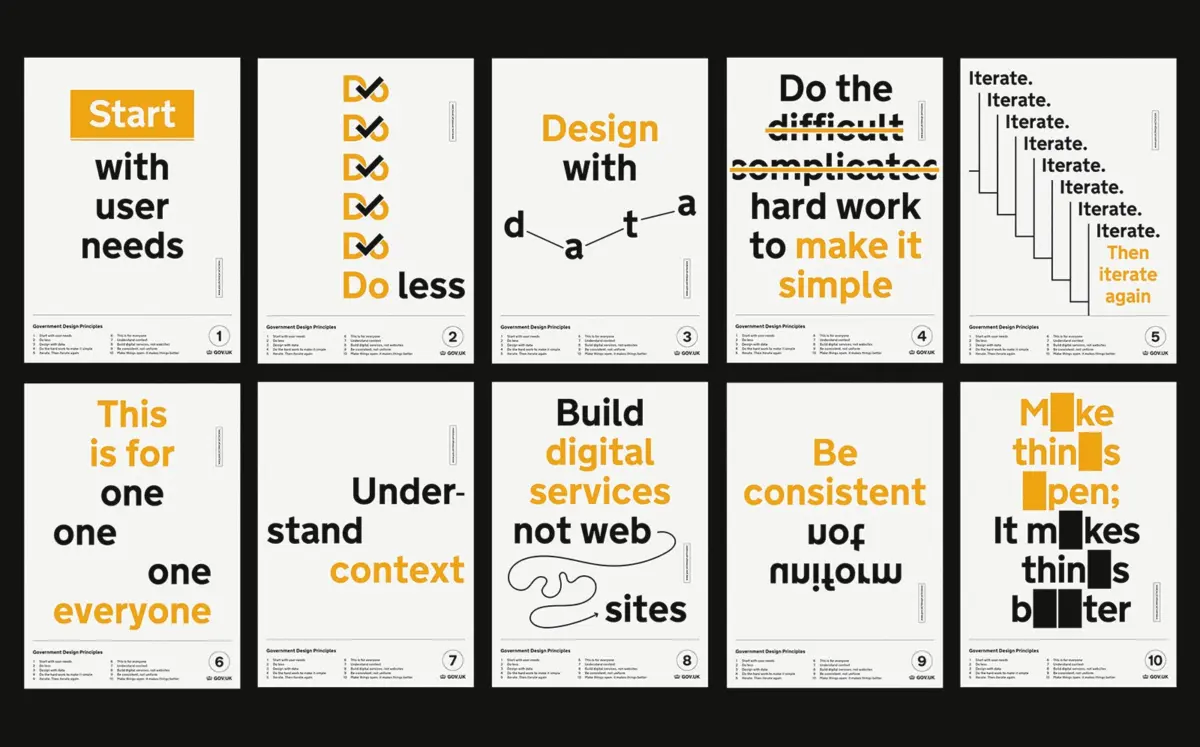
Instead, progressive organizations should take a page from digital government pioneers—such as the UK Government Digital Service (GOV.UK)—and draft concise sets of core principles that can fit on a handful of posters. Beyond establishing foundational guardrails, leadership must demonstrate trust in their staff’s common sense.
Creating a Safe Space to Fail
True innovation requires experimentation, and experimentation inherently guarantees mistakes. Unfortunately, many enterprises operate under a culture of fear where errors are treated as signs of incompetence.
When organizations demand AI adoption while continuing to judge staff against rigid legacy metrics—or penalizing employees for trivial errors like exceeding token limits—they send mixed signals. To foster genuine engagement, leadership must:
- Adjust KPIs: Revise performance reviews to account for the steep learning curve associated with new technologies.
- Encourage Grassroots Communities: Rather than trying to convert the most resistant traditionalists first, organizations should empower internal enthusiasts. Bringing together employees who are already experimenting with AI organically, and giving them time to share their successes, harnesses the power of social proof far more effectively than top-down corporate memos.
Future Outlook: The Strategic Imperative for Adaptive Rollouts
As businesses look toward the horizon of the AI-driven economy, the stakes could not be higher. The primary threat facing modern enterprises is no longer technological obsolescence; it is the inability to manage human-centric change.
Organizations must abandon the illusion of central, heavy-handed command-and-control structures. In the early phases of adoption, a degree of technological chaos and decentralized exploration is not only inevitable—it is necessary. Staff must be given the time, space, and permission to test various applications to discover what fits their specific professional workflows.
Ultimately, artificial intelligence is a mirror reflecting an organization’s existing cultural health. Companies that prioritize psychological safety, align productivity gains with genuine employee benefits, and foster collaborative internal networks will successfully navigate the transition. Those that continue to treat AI as a simple IT upgrade will find themselves managing an expensive, high-risk apparatus built on fear, alienation, and unmonitored shadow systems. The window to correct course is open, but the lessons of the past demand immediate, decisive action.