


Executive Overview
Artificial intelligence is no longer a speculative technology or a futuristic novelty for the creative industries. For the modern freelance writer, AI integration has become a definitive line of demarcation: those who leverage it strategically are scaling their output, commanding higher retainers, and eliminating operational friction; those who ignore it or misuse it are finding themselves bogged down by administrative fatigue and commoditized pricing.
However, a dangerous fallacy persists in the market—the notion that true efficiency means outsourcing the actual cognitive labor of writing to a machine. Industry analysis shows that the most successful independent creators use large language models and intelligent search agents not as surrogate authors, but as force multipliers. They delegate the friction of the "blank page," triage initial research, map structured outlines, and streamline marketing logs. Meanwhile, they reserve their human capital for the core differentiators: original insights, subject matter expert (SME) interviews, critical thinking, and nuanced relationship-building.
This comprehensive guide breaks down 10 field-tested, highly specific strategies for deploying AI tools like ChatGPT, Claude, Perplexity, and Otter.ai. By integrating these systems into your daily workflow, you can optimize your operations, protect your creative stamina, and build a more resilient, high-earning freelance business.
Detailed Chronology: The Evolution of AI in the Freelance Ecosystem
To understand where the freelance writing market stands today, it is essential to trace how the adoption of artificial intelligence has matured over the past few years:
- The Novelty Era (Early Generative AI): Initially met with widespread panic, tools like early GPT iterations were viewed either as apocalyptic threats to human writers or as magic buttons capable of auto-generating entire blog posts overnight. The result was a flood of generic, low-quality content that clients quickly learned to spot and penalize.
- The Commoditization Trap: As AI accessibility skyrocketed, low-tier content mills flooded search engines with synthetic text. Writers who relied blindly on these tools found their rates plummeting, as clients realized they could generate mediocre copy for fractions of a penny.
- The Augmentation Paradigm (Current State): Today, the industry has experienced a necessary correction. Successful freelancers treat AI not as a replacement for human intellect, but as an administrative and structural co-pilot. By shifting focus from drafting to editing, strategizing, and relationship management, elite writers are achieving unprecedented efficiencies.
10 Tactical Ways to Integrate AI Into Your Writing Workflow
1. Beating the Blank Page Syndrome
The psychological barrier of starting a fresh project remains one of the greatest time sinks for professional writers. Staring at an empty document, knowing the target topic but lacking an immediate gateway into the prose, breeds procrastination and mental fatigue.
AI excels at breaking this initial inertia. Instead of commanding the model to "write an article about X" (which yields uninspired, generic phrasing), prompt the tool for structural ignition. Ask ChatGPT or Claude to generate 10 distinct angles on your subject, offer varied introductory hooks, or list the pressing questions an inquiring reader might hold.
While the majority of the generated suggestions may lack the specific nuance required for final publication, the act of reacting to them shatters cognitive paralysis. You instantly transition from a state of total emptiness to having raw material to edit, critique, and build upon.
2. Intelligent Outlining and Structural Architecture
Before drafting a single paragraph, professional writers organize their thoughts through systematic outlining. Whether constructing a long-form blog post, a targeted thought-leadership piece, or a media pitch, a robust outline prevents narrative sprawl.
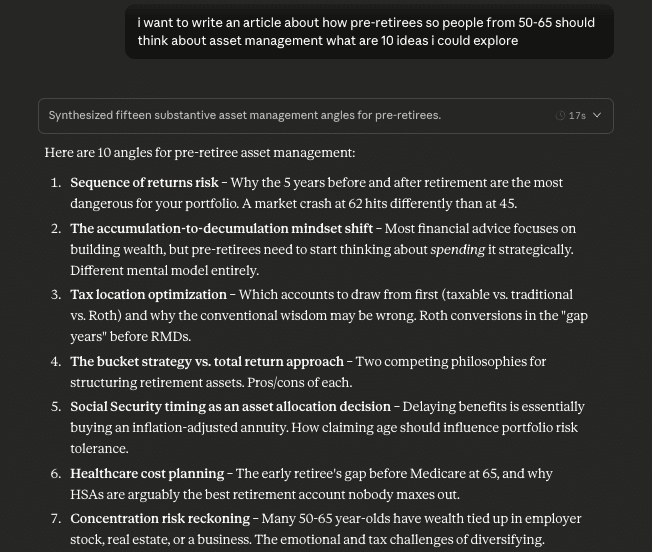
AI serves as an exceptional structural sparring partner. By inputting your core topic, target audience demographics, and overarching goals, you can prompt the AI to suggest a logical hierarchy of subheadings and thematic sections.
Many writers establish customized intake prompts within advanced environments like Claude. By feeding the AI a raw brain-dump of research notes, raw quotes, and data points, the system can instantly synthesize a comprehensive skeletal structure. You can then accept, reject, or modify sections, often uncovering fresh sub-angles or structural flow improvements you hadn’t initially considered.
3. Accelerated Research and Triage
Comprehensive research is the bedrock of authoritative freelance writing, but combing through dense academic reports, sprawling white papers, and historical case studies consumes hours of billable time.
Artificial intelligence significantly compresses this research phase. Platforms like Perplexity Pro have transformed how writers gather verified data by conducting live web searches and supplying transparent, clickable citations. This transforms the AI into a dedicated research assistant capable of conducting initial legwork in minutes.

Furthermore, you can paste extensive source articles into language models to demand rapid executive summaries, key statistical extractions, or core argument analyses. This allows you to triage source material efficiently—ensuring an article holds the exact data points you need before committing 20 minutes to deep reading. It also safeguards against common errors, such as inadvertently citing outdated statistics from a decade prior.
4. Crafting Cold Outreach and Letters of Introduction (LOIs)
Securing high-paying freelance clients requires consistent, personalized outbound marketing. However, drafting repetitive letters of introduction (LOIs) and cold pitches can quickly drain your creative energy.
AI can jumpstart this process by generating multiple baseline templates for outreach campaigns targeting marketing agencies, enterprise brands, or digital publications. You can request varied iterations—some more formal, others concise and punchy—to find a structural baseline that resonates with your personal style.
The Crucial Caveat: Never send raw, unedited AI output for cold outreach. The final 20% of customization—specifically crafting a hyper-personalized opening sentence that references a recent company milestone, award, or piece of content—must be executed entirely by you. AI provides the administrative scaffolding; your genuine human observation provides the hook.
5. Engineering High-Converting Headlines and Hooks
An article’s headline often dictates its commercial viability. Regardless of how insightful the body paragraphs are, a weak headline guarantees low click-through rates. Yet, formulating compelling titles that balance urgency, specificity, and curiosity without crossing into deceptive clickbait remains notoriously difficult.
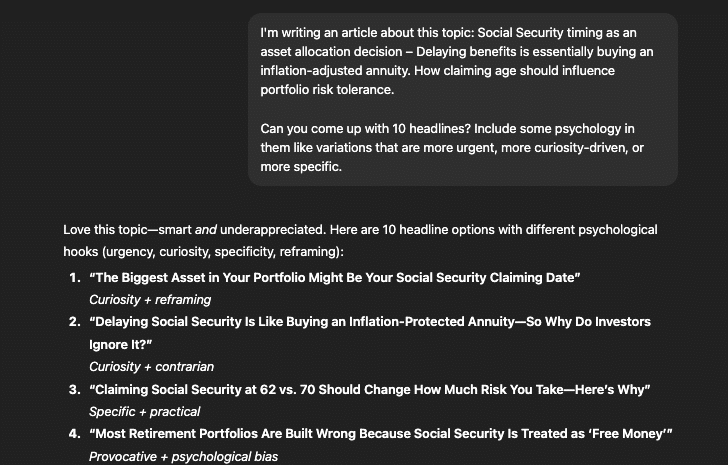
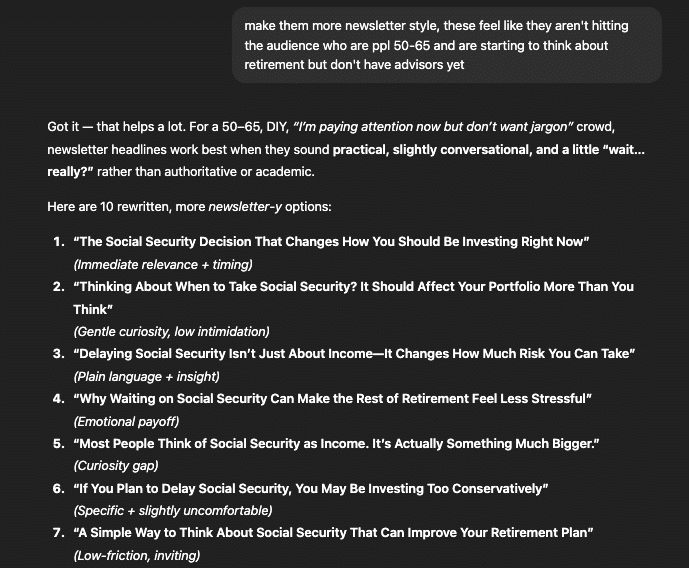
AI acts as an infinite brainstorming partner for title generation. Prompt your preferred model to supply 10 to 20 distinct headline variations tailored to specific psychological triggers (e.g., curiosity-driven, fear-of-missing-out, metric-heavy, or contrarian).
Often, the generated list will spark an unexpected idea, or you can seamlessly combine elements from two or three AI suggestions to craft a polished, high-impact headline. This iterative process eliminates the friction of staring at a blank title field.
6. Advanced Editing and Proofreading as a Second Set of Eyes
Human eyes notoriously gloss over persistent typos, awkward phrasings, and structural redundancies in our own writing because our brains naturally fill in what we intended to write rather than what is actually on the page.
AI introduces a synthetic, unbiased second set of eyes to your drafts. Paste your completed work into a language model and instruct it to audit for wordiness, ambiguous syntax, and overly complex sentence structures. You can even assign the AI specific role-play personas—such as an uncompromising managing editor or a skeptical member of your target audience—asking it to pinpoint precisely where the narrative loses momentum or clarity.
Coupled with dedicated proofreading utilities like Grammarly, this approach ensures your grammatical baseline is pristine while leaving the ultimate editorial veto power firmly in your hands.
7. Systematic Content Repurposing
Producing a comprehensive, 1,500-word authoritative article represents only half the battle in modern content marketing. Maximizing its return on investment requires distributing its insights across social channels, newsletters, and micro-blogging platforms.
Manual repurposing is notoriously tedious. Instead, leverage AI to extract multiple micro-assets from your long-form pieces. By feeding your completed article into Claude or ChatGPT, you can generate specific output prompts:

- Extract five distinct LinkedIn hook variations based on surprising data points within the text.
- Draft a comprehensive multi-part Twitter/X thread summarizing the core arguments.
- Condense key takeaways into an engaging, punchy email newsletter blurb.
This systematic approach multiplies your publishing footprint without requiring you to reinvent the wheel for every marketing channel.
8. Strategic Subject Matter Expert (SME) Interview Preparation
The quality of a published interview-driven article relies heavily on the depth and precision of the questions asked. Walking into an SME interview with generic, surface-level questions wastes the expert’s time and yields bland, recycled quotes.
AI streamlines interview preparation. Feed the platform the background of your interviewee, the overarching topic of the article, and the specific narrative angle you wish to explore. Use search-augmented tools to pull recent industry developments concerning the expert’s company, and ask the model to generate 10 rigorous, high-yield interview questions.
This process not only ensures you unearth unique, specialized insights, but it also dramatically reduces pre-interview anxiety by providing a rock-solid roadmap for the conversation.
9. Managing and Mining Interview Transcripts
Following an intensive SME interview, writers are typically left with a sprawling, unstructured audio transcript filled with verbal filler, tangents, and disorganized streams of consciousness.
Modern transcription tools equipped with native chat functionalities (such as Otter.ai) allow you to query your transcripts directly. Once recorded with explicit permission, you can command the platform’s internal chat to isolate the most powerful quotes, synthesize the expert’s primary thesis, or categorize thematic discussions.
This drastically cuts down the time spent manually scanning thousands of words of raw text to locate a specific quote regarding industry compliance or operational strategy. Note: Always verify extracted quotes against the original audio file prior to publication to ensure absolute accuracy.
10. Automated Marketing and Outreach Tracking
For many independent creatives, maintaining rigorous CRM spreadsheets or marketing trackers feels like an administrative chore that consistently falls by the wayside.
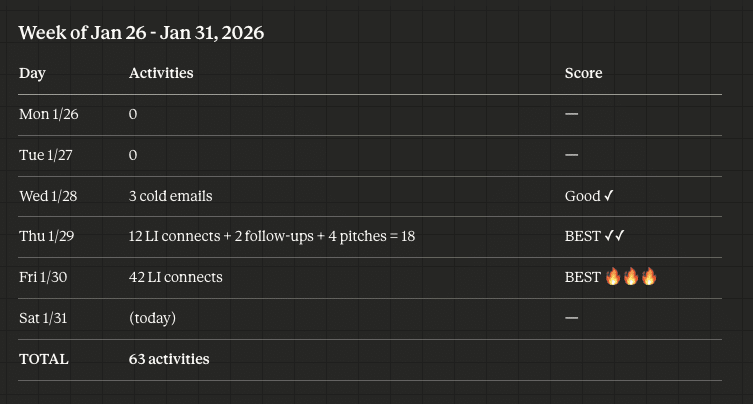
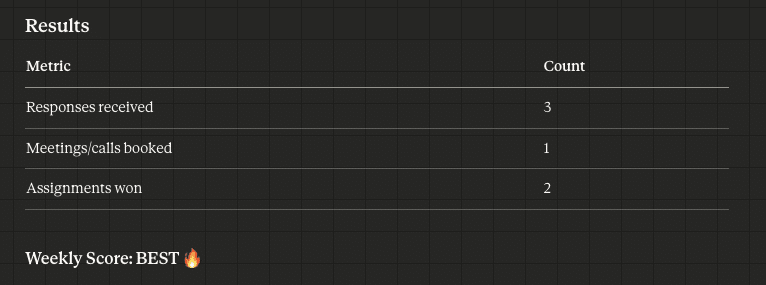
Advanced AI workspace environments allow you to maintain conversational outreach logs. Following a marketing session, you can input a simple conversational update: the date, the prospective client contacted, the outreach angle deployed, and the subsequent response received.
At the end of the month, you can prompt the AI to aggregate your performance metrics: total Letters of Introduction sent, follow-up rates, conversion ratios to discovery calls, and closed contracts. Over time, these conversational logs reveal actionable business intelligence—such as identifying which specific niches yield the highest response rates or highlighting where your follow-up cadence needs adjustment.
Supporting Context & Metrics: The Modern Freelance Landscape
The transition toward AI-augmented writing is underpinned by shifting market expectations. Enterprise clients no longer penalize writers for utilizing technology; rather, they demand higher strategic output, faster turnaround times, and multi-channel content packages as standard deliverables.
- Efficiency Gains: Freelancers who successfully integrate AI administrative workflows report saving an average of 8 to 12 hours per week on non-writing tasks like research, outlining, and formatting.
- Quality Over Volume: Market data indicates that clients heavily reward independent creators who use saved time to conduct deeper primary research, secure exclusive interviews, and provide bespoke strategic consulting.
- The Cost of Inaction: Writers who reject AI entirely are increasingly squeezed out by competitors who can deliver comprehensive, multi-format content suites faster and more cost-effectively.
What NOT to Do With AI: Avoiding Common Pitfalls
While the strategic advantages of artificial intelligence are clear, misusing the technology introduces severe professional risks. To protect your reputation and maintain high billing rates, avoid these common traps:
- Blind Copy-Pasting: Never publish raw, unedited AI-generated text. Clients, editors, and sophisticated readers can instantly spot the generic cadence, repetitive phrasing, and superficial arguments characteristic of unpolished synthetic copy.
- Outsourcing Core Expertise: Do not delegate your unique perspective, critical thinking, or editorial voice to an algorithm. Your value as a freelancer lies in your lived experience, your investigative rigor, and your ability to synthesize complex human ideas.
- Failing to Verify Facts: AI models are prone to hallucinations. Never assume a statistic, citation, or historical claim provided by a language model is accurate without independent verification.
Future Outlook
As artificial intelligence continues to evolve, the distinction between human creativity and machine execution will only sharpen. The tools will become faster, more intuitive, and deeply embedded into our everyday productivity suites.
For freelance writers, the future does not belong to those who attempt to out-write machines; it belongs to those who learn to conduct them. By mastering the art of prompt engineering, delegating administrative drag, and doubling down on high-touch human relationships, independent creators can build resilient, highly profitable businesses capable of thriving in any economic climate.