

Two decades after its polarizing premiere at the 2006 Cannes Film Festival, Sofia Coppola’s Marie Antoinette is undergoing a profound critical and cultural re-evaluation. Initially met with boos from a traditionalist press and dismissed as an empty, stylistic confection, the film is now recognized as a landmark achievement in modern cinema—a pastel-hued, deeply empathetic study of youth, isolation, and systemic power.
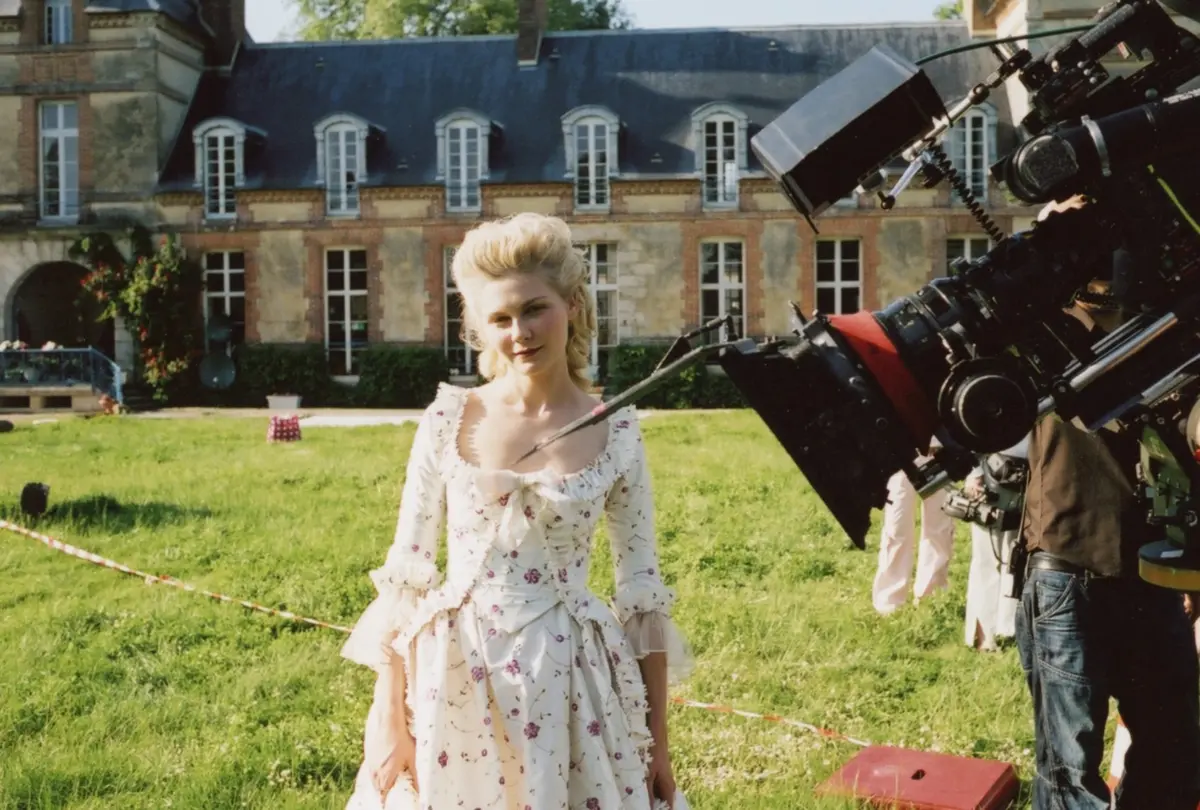
This retrospective renaissance is anchored by the release of Making Marie Antoinette, a poignant documentary co-directed by Sofia Coppola and her late mother, the acclaimed filmmaker and artist Eleanor Coppola. Drawn from over 90 hours of archival, behind-the-scenes footage captured by Eleanor during the 50-plus-day production at the Palace of Versailles, the documentary made its splash at the New York Film Festival before a theatrical rollout via MUBI.
Beyond offering a masterclass in the logistical behemoth of period filmmaking, Making Marie Antoinette serves as a moving testament to a creative lineage. It bridges the gap between Eleanor Coppola’s observational artistry and Sofia Coppola’s visionary direction, reframing the original feature not merely as a period piece about an ill-fated French queen, but as a timeless allegory for the trials of womanhood navigating historically male-dominated spaces.
Detailed Chronology: From Cannes Boo-Birds to Institutional Reclamation
2006: The Backlash at Cannes and Theatrical Misunderstanding
When Marie Antoinette debuted at the 2006 Cannes Film Festival, the reception was notoriously hostile. Critics steeped in the rigid conventions of historical drama were visibly jarred by Sofia Coppola’s choices. The film featured an anachronistic soundtrack loaded with 1980s punk and new wave anthems—such as New Order, Siouxsie and the Banshees, and Bow Wow Wow—alongside sumptuous, confectionary set designs and a focus on adolescent interiority over geopolitical machination.
Reviewers at the time struggled to find gravity in the bubblegum pinks and lavish pastries. Mainstream outlets published panning reviews:
- Michael Booth of The Denver Post dismissed the soundtrack as "not interesting enough to save this bauble."
- Dave Calhoun of Time Out argued that the aesthetic choices did "everything to stress youthful decadence and nothing to throw any light on the woman who gives the film its name."
- Mick LaSalle of The San Francisco Chronicle declared that the film’s reductive approach suggested the queen "was an idiot."
These assessments fundamentally missed the core artistic thesis: Coppola was not attempting to write a dry, academic biography. Instead, she was exploring the psychic landscape of a teenage girl torn from her Austrian home, dropped into the ultra-scrutinized, hyper-performative cage of the French court, and forced to shoulder the fate of a nation with zero preparation.
Pandemic Quarantine and Archival Discovery
Years later, during the global isolation of the COVID-19 pandemic, Sofia and Eleanor Coppola found themselves sheltered together. Within this quarantine pod, Eleanor revisited the vast vaults of videography and journals she had accumulated over decades of traveling alongside her husband, Francis Ford Coppola, and her children on various cinematic frontiers.
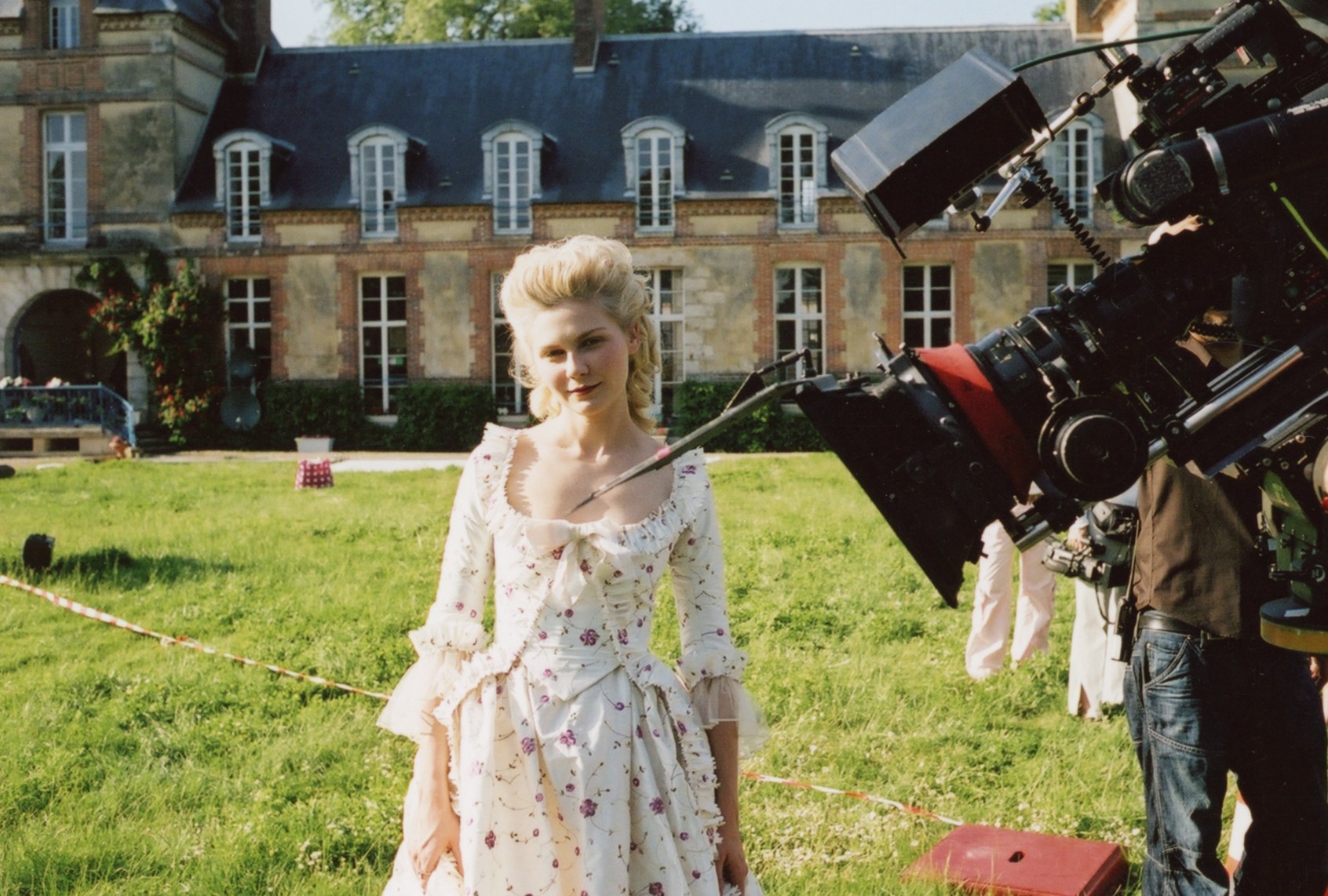
Recognizing the historical and emotional value of the footage she shot in France, Eleanor began collaborating with Sofia to distill over 90 hours of B-roll into a cohesive narrative. For Eleanor—who had successfully transitioned from documentary filmmaking to narrative features late in life—this project offered a chance to document her daughter ascending the cinematic mountain.
2024–2026: Completion, Festival Debuts, and the 20th Anniversary
Progress on the documentary continued steadily until Eleanor Coppola’s passing in 2024. In the wake of her mother’s death, Sofia Coppola took up the mantle to complete Making Marie Antoinette as a deeply personal tribute.
The completed documentary premiered at the New York Film Festival to immense acclaim, bridging a twenty-year gap in perception. Positioned for theatrical release in late October followed by a November streaming debut on MUBI, the documentary arrived precisely alongside the 20th anniversary of the original feature film, cementing a synchronized legacy of artistic triumph over early skepticism.
Supporting Context & Metrics: The Scale of Versailles and the Power of Archives
To fully grasp the magnitude of Marie Antoinette, one must evaluate the immense operational and psychological stakes involved in its production.
- Unprecedented Access: Sofia Coppola achieved a rare coup by securing unprecedented permission from French authorities to film on location in and around the actual Palace of Versailles.
- Production Scale: For a director whose previous features—such as The Virgin Suicides and Lost in Translation—were praised for their microscopic, intimate scale, Marie Antoinette was an astronomical leap. The production featured hundreds of extras, a massive principal cast, and an army of below-the-line talent, including historical advisors, translators, and master costumers.
- The Archival Footprint: Eleanor Coppola’s documentation spans more than 90 hours of raw tape. Her lens provides an unfiltered look at a 50-plus-day shooting schedule that functioned, for Sofia, like venturing to the moon.
- Literary Integration: The documentary weaves in historical journal entries written by Eleanor during the 2005/2006 production, narrated with delicate emotional precision by actress Diane Lane.
| Production Metric / Feature | Marie Antoinette (2006) | Making Marie Antoinette (2026) |
|---|---|---|
| Director(s) | Sofia Coppola | Sofia Coppola & Eleanor Coppola |
| Primary Setting | Palace of Versailles, France | Behind-the-scenes sets, quarantine-era editing rooms |
| Initial Critical Reception | Deeply polarized / Boos at Cannes | Universal acclaim / Institutional reclamation |
| Key Archival Volume | Feature-length narrative (approx. 123 mins) | 90+ hours of raw documentary footage |
| Primary Themes | Youth, isolation, anachronism, empathy | Maternal pride, patriarchal film industry, memory, legacy |
Official Statements & Creative Perspectives
The discourse surrounding the re-evaluation of Marie Antoinette and the creation of its companion documentary highlights a profound shift in how creative labor by women is evaluated across generations.
On Historical Anachronism and Empathy
Reflecting on the choices that alienated 2006 audiences, cultural analysts note that Coppola’s use of modern artistic sensibilities was a deliberate narrative bridge. By utilizing 1980s new wave music, Coppola equated the frantic, glittering alienation of punk rock with the dizzying, suffocating peer pressures of the French court.
As articulated in contemporary reassessments, the fundamental tragedy of Marie Antoinette was not her supposed vanity, but her youth. Thrust into a world where everything was accessible yet entirely out of her control, her coping mechanisms mirror the intoxicating impulsivity of any modern teenager.
Eleanor Coppola’s Journal Reflections
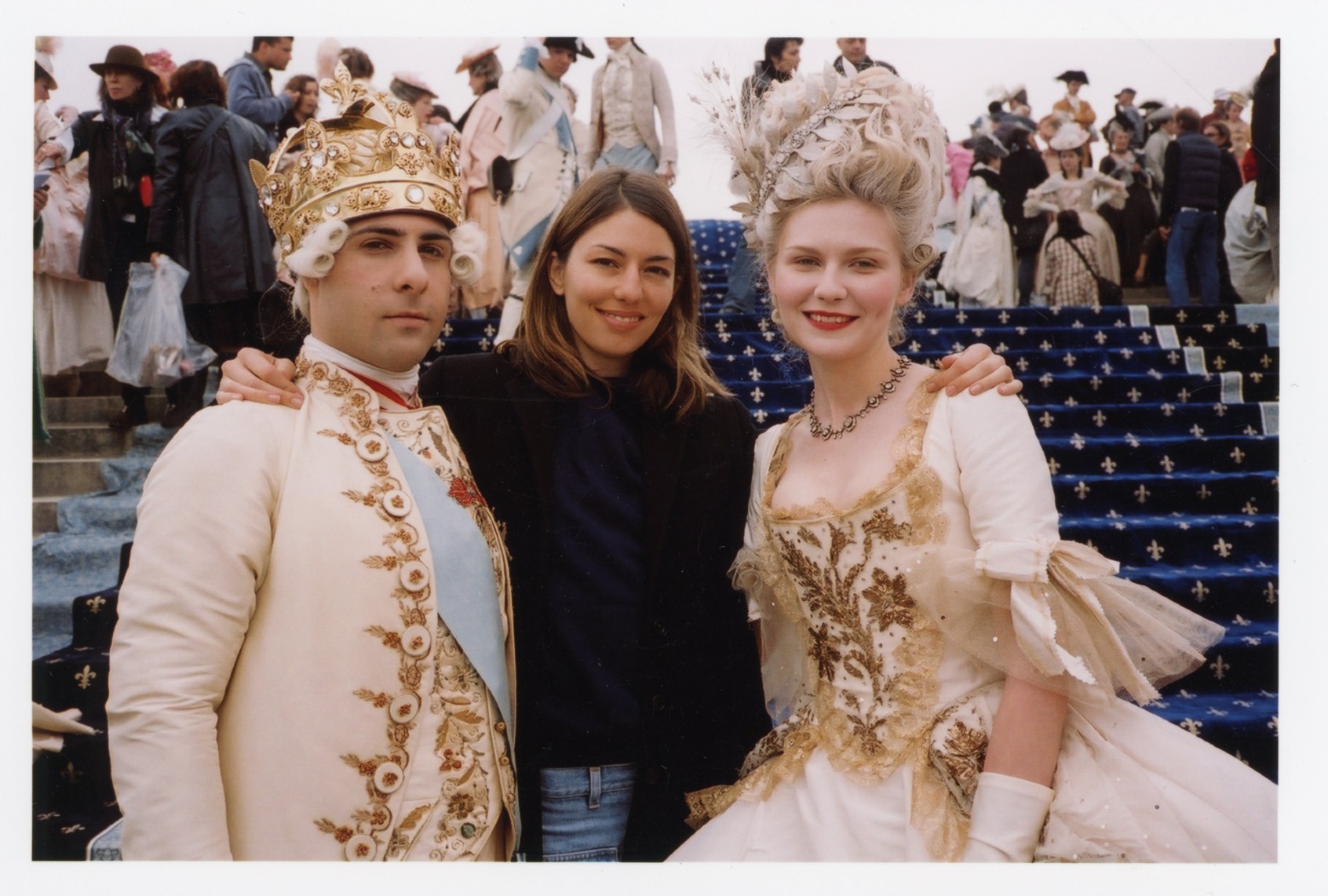
The emotional heartbeat of Making Marie Antoinette rests in Eleanor’s written observations, which recognize the parallel struggles of women operating within the heavily male-dominated structures of international cinema. Noting the parallels between her daughter directing a massive historical epic and the young queen commanding a hostile court, Eleanor observed in her journals:
"Maybe making movies is a way of moving back and forth, in and out, of linear time."
This sentiment encapsulates the core thesis of both the original film and the documentary: art has the power to collapse decades, reframing past controversies into modern masterworks and turning fleeting moments of creative friction into permanent monuments of love and expression.
Future Outlook: Cementing a Modern Classic
As Marie Antoinette enters its third decade, the release of Making Marie Antoinette permanently alters the film’s historical footprint. No longer viewed simply as an eccentric stylistic experiment, the 2006 feature is now firmly canonized as a defining masterwork of 21st-century American cinema.
The documentary ensures that the conversation surrounding Sofia Coppola’s career will forever be linked with the supportive, watchful eye of her mother. Moving forward, the twin legacies of Eleanor and Sofia Coppola stand as a towering testament to collaborative familial art. By meeting in the middle of archival history and contemporary reflection, Making Marie Antoinette does not just celebrate a movie—it establishes a masterclass in how to let art and life remain in eternal, beautiful conversation.