

Executive Overview
Two decades after its initial, notoriously contentious theatrical rollout, Sofia Coppola’s Marie Antoinette has undergone a monumental critical reevaluation. Long past the days of audible jeers at the Cannes Film Festival and dismissive reviews from legacy critics who balked at its confectionary aesthetic and 1980s new-wave soundtrack, the film is now widely recognized as a singular cinematic achievement.
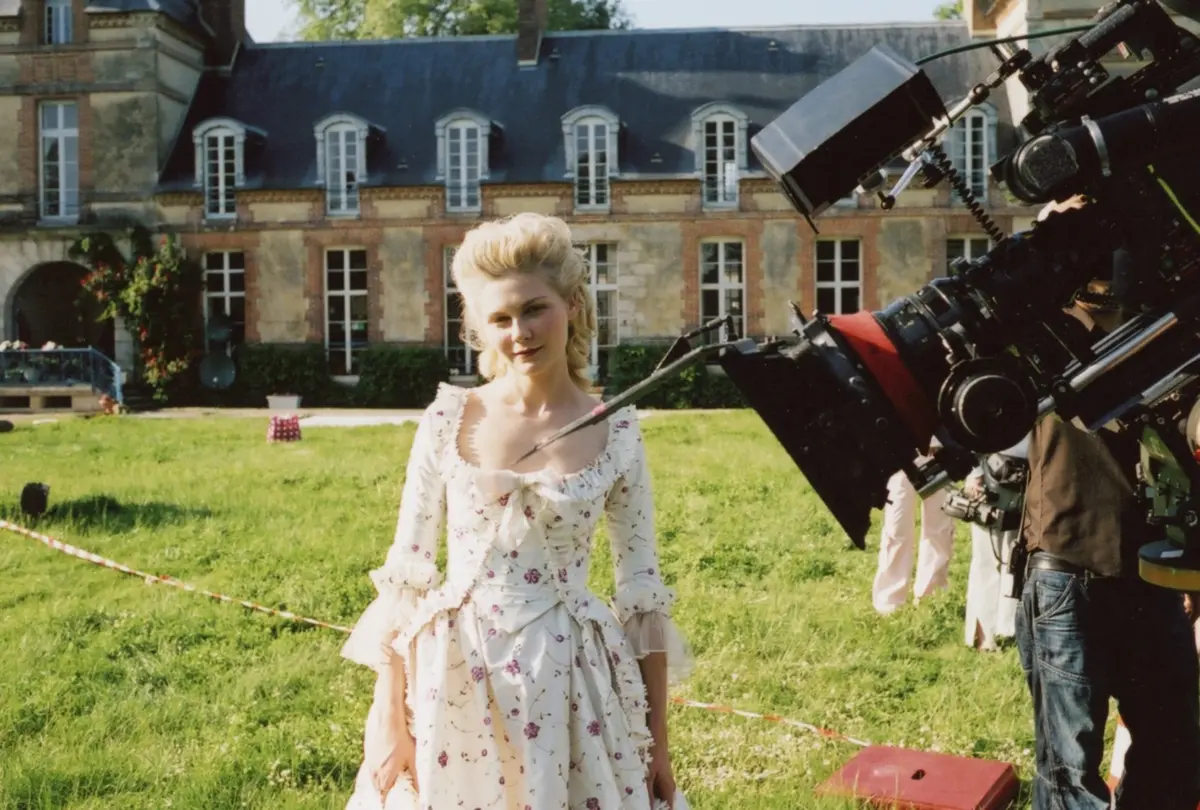
This ongoing legacy is further cemented by Making Marie Antoinette, an intimate, illuminating documentary co-directed by Sofia Coppola and her late mother, Eleanor Coppola. Culled from over 90 hours of behind-the-scenes footage captured during the grueling, 50-plus-day shoot at the Palace of Versailles, the documentary premiered at the New York Film Festival ahead of its theatrical debut and streaming release on MUBI.
Beyond serving as a masterclass in independent filmmaking under monumental studio constraints, Making Marie Antoinette acts as a profound mother-daughter portrait. It captures a historically male-dominated industry through the lens of two pioneering women. As the documentary travels from festival circuits to screens worldwide, it reframes Sofia Coppola’s historical drama not merely as a visually decadent period piece, but as a deeply personal, empathetic exploration of youth, institutional powerlessness, and the timeless burden of expectation.
Detailed Chronology: From Cannes Jeers to Cultural Triumph
To understand the cultural resonance of Making Marie Antoinette, one must revisit the turbulent genesis of the original 2006 feature film. When Sofia Coppola arrived at the Cannes Film Festival following the massive, Oscar-winning success of Lost in Translation, expectations were dangerously high. Armed with an unprecedented level of access to film directly within the gilded halls and sprawling gardens of the Palace of Versailles, Coppola set out to humanize a historical figure frequently maligned as a vapid, out-of-touch monarch.
Instead of a dusty, reverent period piece, Coppola delivered a vibrant, sensory-heavy exploration of adolescent isolation. Casting Kirsten Dunst as the young Austrian archduchess thrust prematurely into the cutthroat machinery of the French court, Coppola embraced anachronism. She infused the soundtrack with post-punk and new wave anthems by artists like Bow Wow Wow and New Order, drawing a direct emotional line between the teenage queen’s forced frivolity and the universal experience of youthful rebellion.
The reaction from traditionalist critics was swift and hostile. Prominent reviewers decried the stylistic choices as shallow and distracting.
- Writing for The Denver Post, Michael Booth dismissed the soundtrack as "not interesting enough to save this bauble."
- Time Out’s Dave Calhoun argued that the opulent production design and pastries did "nothing to throw any light on the woman who gives the film its name."
- Most dismissively, Mick LaSalle of The San Francisco Chronicle claimed the film’s reductive approach suggested the queen was "an idiot," incapable of attaining historical stature.
These detractors missed the central thesis of Coppola’s vision. The historical record had already documented Marie Antoinette’s political failures; what history ignored was her humanity. Thrust into a foreign country at age 14 to manage matters of war, peace, and public starvation without emotional or political preparation, the queen was a teenager navigating an impossible labyrinth of institutional surveillance and patriarchal control.
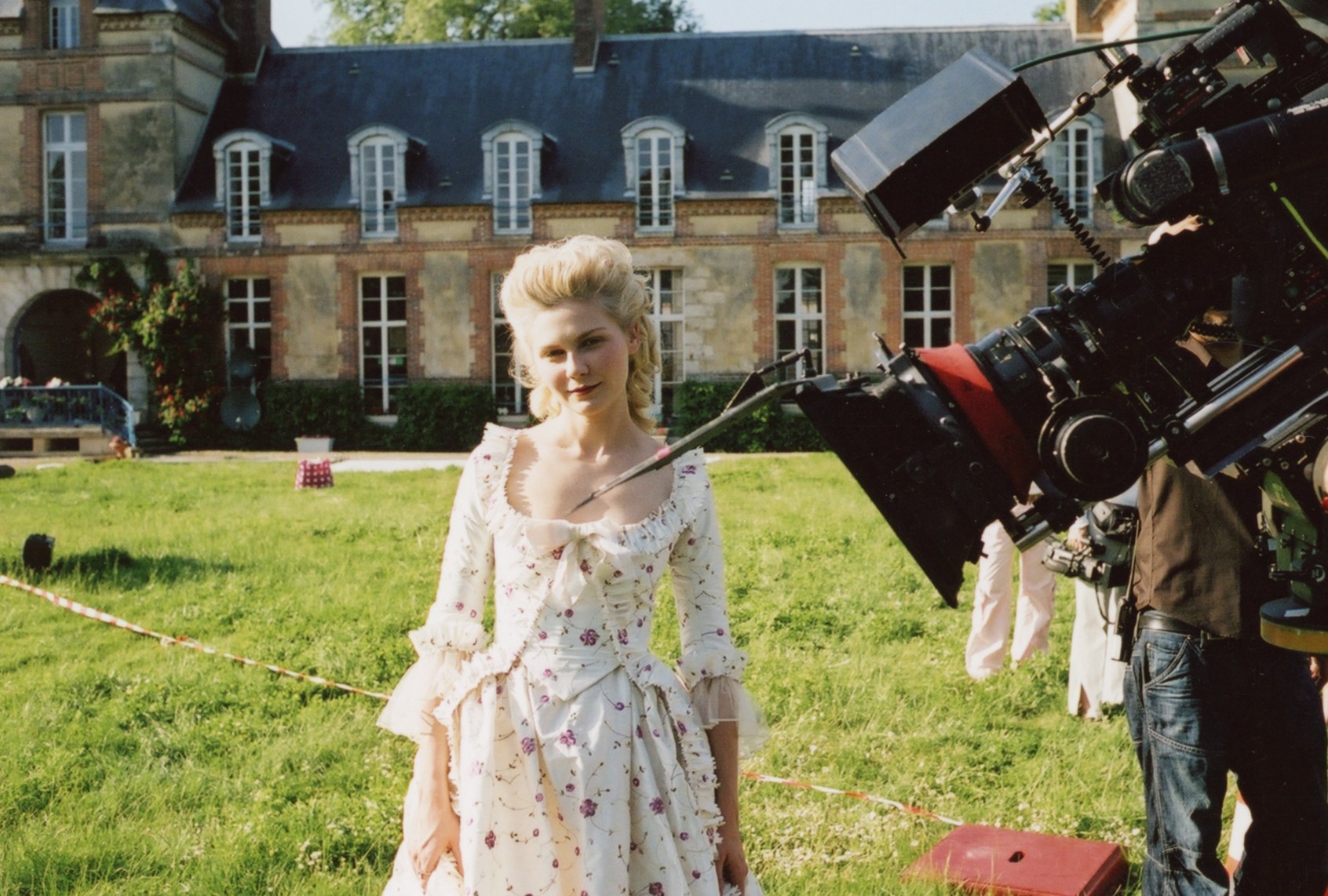
Twenty years later, the release of Making Marie Antoinette closes the loop on this critical misunderstanding. Initiated during pandemic lockdowns—where Sofia and Eleanor Coppola combed through decades of archival footage and personal memories—the documentary reveals the immense logistical hurdles Sofia overcame. Transitioning from the microscopic, intimate scales of The Virgin Suicides and Lost in Translation to a multi-million-dollar historical epic involving hundreds of extras, elaborate period costumes, and strict architectural parameters was akin to going to the moon. Yet, within that vast machinery, the documentary highlights how Sofia maintained strict auteur control, navigating a set predominantly run by men while asserting her artistic vision with unwavering authority.
Supporting Context & Metrics: The Anatomy of a Production
The sheer scale of the Marie Antoinette production stands as one of the most ambitious undertakings in modern independent filmmaking. Examining the metrics and operational framework of the 2005 shoot highlights the immense pressure placed upon the then-34-year-old director:
- Archival Foundation: Over 90 hours of raw, behind-the-scenes footage captured on set by Eleanor Coppola.
- Production Schedule: A rigorous 50-plus-day principal photography window spread across historic French locations, including unprecedented access to the Palace of Versailles.
- Cast & Crew Infrastructure: Hundreds of background extras, an expansive principal cast featuring Kirsten Dunst and Jason Schwartzman, and a massive below-the-line workforce comprising costumers, historical advisors, dialect coaches, and translators.
- Budgetary & Spatial Constraints: Navigating the strict preservation guidelines of a world-heritage monument while executing complex steadicam tracking shots, lavish masked balls, and intimate boudoir scenes.
- Thematic Integration: Blending 18th-century French Rococo aesthetics with 1980s subculture music, creating a deliberate temporal dissonance that critics initially rejected but modern audiences celebrate as visionary.
Eleanor Coppola’s camera captures the invisible labor required to sustain this illusion. Through her lens, the viewer witnesses the exhaustive fittings, the delicate handling of priceless antiques, and the subtle, protective dynamic between mother and director daughter. It is a cinematic ecosystem where artistic ambition meets high-stakes corporate financing, overseen by a young woman determined to tell a story on her own terms.
Official Statements & Archival Insights
The emotional core of Making Marie Antoinette is anchored by Eleanor Coppola’s personal journals, written during the 2005 production and narrated in the documentary by actress Diane Lane. These written reflections offer a rare, unfiltered perspective on the intersections of motherhood, art, and the entrenched sexism of the film industry.
In one notable journal entry featured in the documentary, Eleanor reflects on the nature of the medium:
"Maybe making movies is a way of moving back and forth, in and out, of linear time."
This observation serves a dual purpose. It describes Sofia Coppola’s daring use of anachronistic music and contemporary emotional framing within a historical setting, while also speaking to the timeless nature of the mother-daughter collaboration. Eleanor, a seasoned documentary filmmaker and matriarch of the legendary Coppola family dynasty, watched her daughter operate within a notoriously exclusionary "boy’s club."
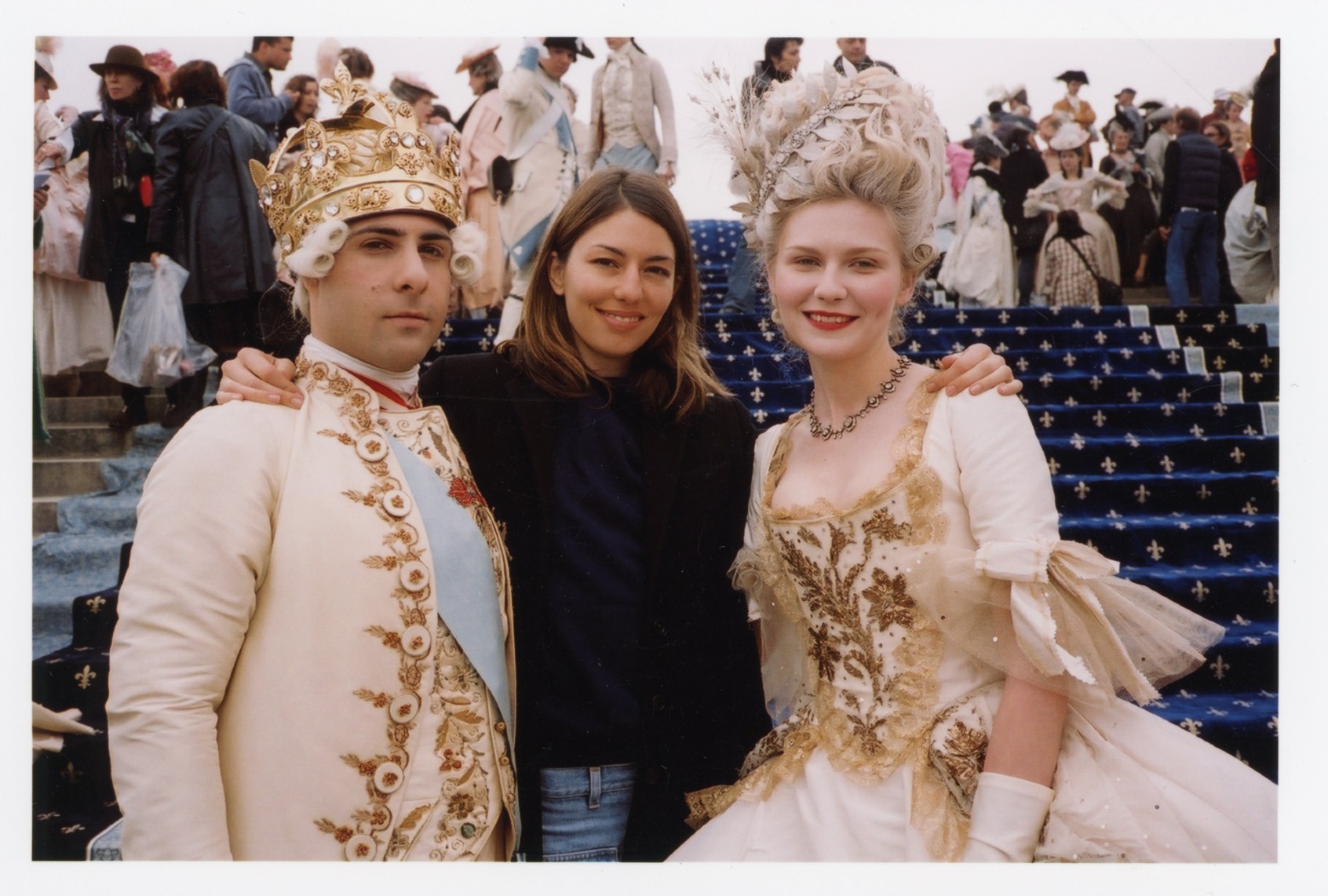
Initially plagued by maternal anxiety over the sheer magnitude of the production, Eleanor’s perspective evolves over the course of the 50-day shoot into unadulterated pride. Watching Sofia command rooms full of male executives, department heads, and international crew members, Eleanor recognized a definitive passing of the torch.
Following Eleanor’s passing in 2024, Sofia took on the responsibility of completing the documentary as a final, loving tribute. In interviews surrounding the New York Film Festival premiere, Sofia emphasized that the project became an organic extension of their lifelong dialogue about art, family, and the resilience required to bring personal visions to life against a backdrop of public skepticism.
Future Outlook: Reassessing the Coppola Legacy
As Making Marie Antoinette rolls out across international theaters and streaming platforms via MUBI, its impact on film history is already reverberating. The documentary does not merely function as standard promotional "making-of" material; it acts as a meta-textual dialogue on how women’s art is historically received, dismissed, and ultimately vindicated.
The hostile critical reception that greeted the fictional feature in 2006 now reads as a textbook example of institutional bias against art centering female interiority, youth, and consumer aesthetics. By pairing Sofia’s bold directorial choices with Eleanor’s tender, observant documentary footage, Making Marie Antoinette ensures that the film’s legacy is no longer defined by the misunderstanding of its contemporary critics, but by the generational strength of the women who created it.
Looking forward, the film’s influence can be seen across contemporary cinema, paving the way for historical dramas that prioritize psychological realism and stylistic daring over dry, academic precision—most notably seen in subsequent works like Yorgos Lanthimos’ The Favourite and Baz Luhrmann’s hyper-stylized biographies.
Ultimately, Making Marie Antoinette stands as an enduring testament to the power of artistic conviction. It illustrates how movies can bridge linear time, allowing past eras, current generations, and familial love to remain in constant, beautiful conversation for decades to come.