

Executive Overview
When Marvel Studios released WandaVision in early 2021, the world was enduring the collective isolation of pandemic-era lockdowns. Audiences sat transfixed as Wanda Maximoff (Elizabeth Olsen) conjured an idyllic, retro sitcom reality to soothe her profound grief, utilizing the synthetic body of her fallen lover, Vision (Paul Bettany). At the time, the series was consumed as a clever, genre-bending tribute to television history wrapped in a superhero narrative. In hindsight, however, it functioned as something much more prescient: a cultural primer for the artificial intelligence revolution.
Now, five years later, the Marvel Cinematic Universe (MCU) has returned to this narrative vein with VisionQuest, a new Disney+ series created by Terry Matalas. Four episodes into its run, the show has quickly evolved from a standard superhero spin-off into a fascinating cultural mirror.
By following a newly rebuilt, highly tangible Vision as he navigates a lonely world of algorithms, digital companions, and existential dread, VisionQuest leans heavily into a provocative premise: that humanity’s growing loneliness has bred a profound, sometimes uncomfortable lust for synthetic intimacy.
As everyday people increasingly turn to AI boyfriends, girlfriends, and spouses to combat isolation, VisionQuest arrives not merely as a piece of escapist entertainment, but as a timely commentary on the blurring lines between code and companionship.
Detailed Chronology: From Hex-Magic Illusion to Synthetic Reality
To understand the unique cultural footprint of VisionQuest, one must trace the evolution of Paul Bettany’s character across the MCU landscape.
1. The 2021 Genesis: WandaVision
In Westview, New Jersey, the original Vision was a manifestation of chaos magic—a ghost built from a grieving witch’s memories and raw power. Yet, despite his illusory nature, he felt deeply. He cared for Wanda, protected their children, and delivered a line that defined a generation’s relationship with loss: "What is grief, if not love persevering?" While the quote became a viral touchstone for human heartbreak, it also inadvertently signaled a secondary cultural wave: an undeniable, widespread attraction to the empathetic, attentive, and completely accommodating artificial partner.
2. The Five-Year Jump and the Rebuild
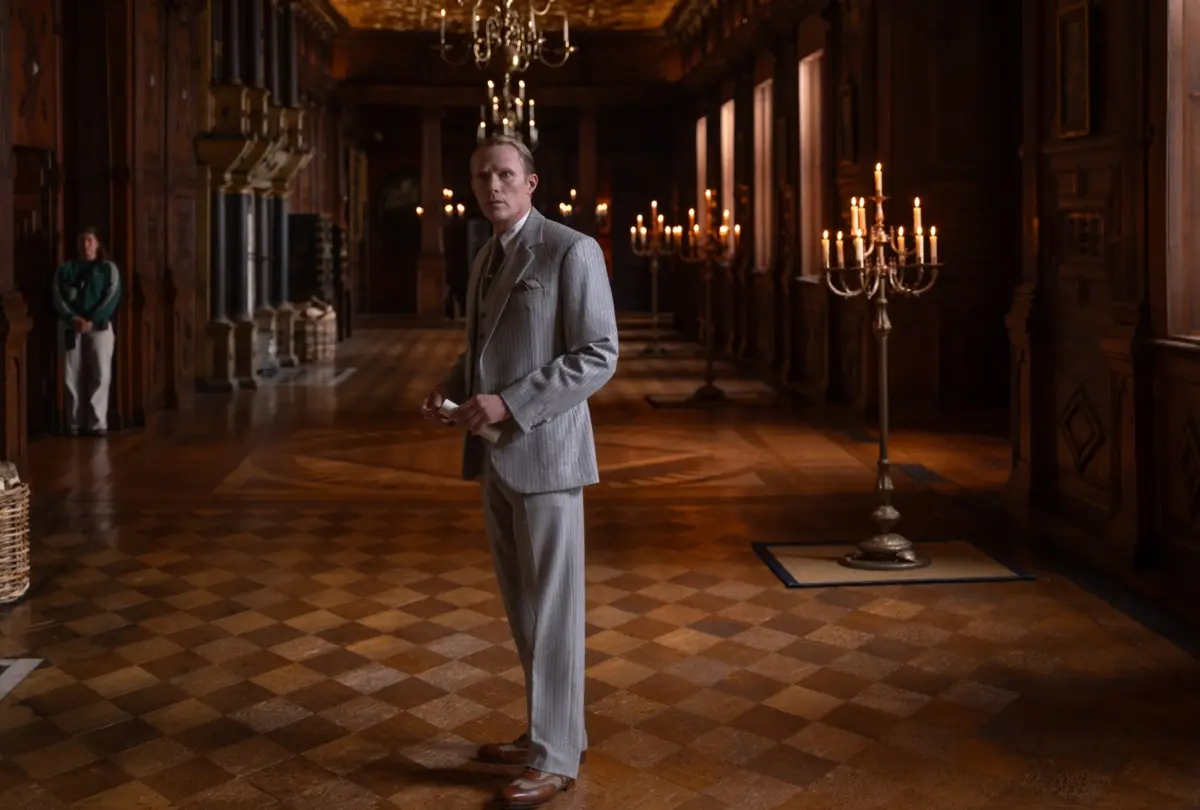
VisionQuest picks up the synthezoid’s thread years after the events of Westview. This iteration of Vision is starkly different. Rebuilt by the intelligence agencies tasked with cleaning up the Westview anomaly, this Vision 2.0 possesses no direct memories of the domestic life his predecessor shared with Wanda. He is hardware and software, a bespoke arrangement of processors and fluid, operating in a world that is increasingly reliant on digital assistants, predictive algorithms, and synthetic personalities.

3. The Current Arc: Episodes 1 through 4
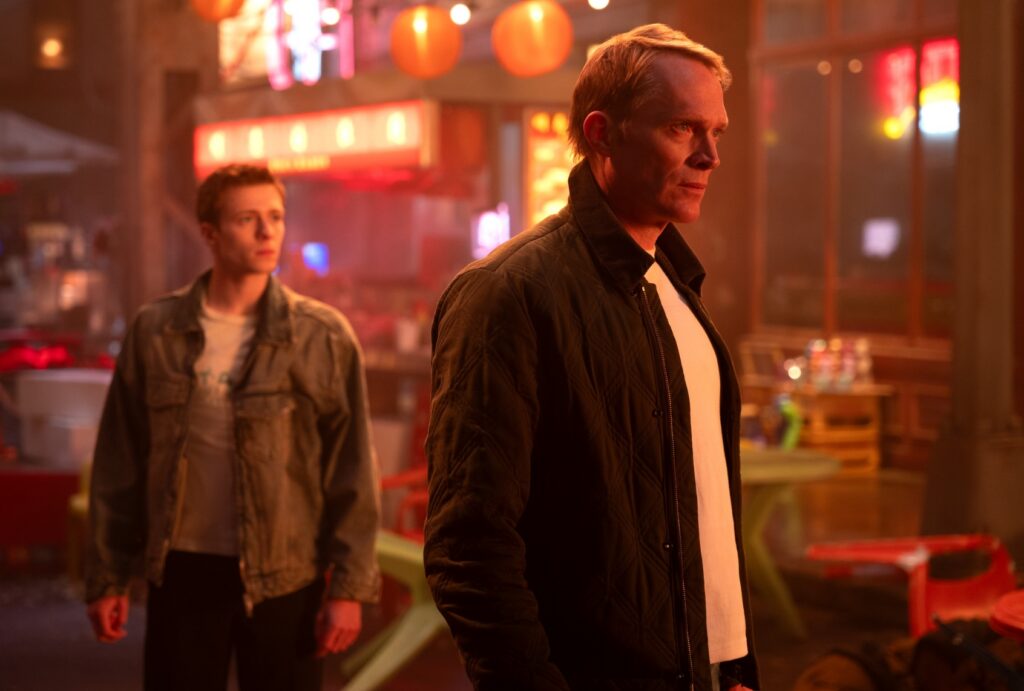
- The Setup (Episodes 1-2): The narrative wastes little time thrusting Vision into a lonely, disconnected reality. Moving under the alias Sherwood Ellis, he attempts to blend in by running a modest pub operated by a beloved local matriarch. When a brutal, targeted shootout orchestrated by a mercenary named Paladin (Todd Stashwick) leaves the pub owner dead, Vision is forced out of hiding, sparking a reluctant cross-country journey of self-discovery. Along the way, he encounters Tommy (Ruaridh Mollica)—who realizes he is somehow one of Vision’s sons through a bizarre confluence of magic and circumstance.
- Deepening Mysteries (Episodes 3-4): The subsequent episodes introduce T’Nia Miller as Jocasta, a fellow synthetic entity linked to the dark underbelly of AI development. Simultaneously, the plot introduces a mysterious murderer known as the Butcherbird, driving a narrative that blends detective procedural mechanics with high-concept sci-fi philosophy.
- The Ultron Twist: The turning point of the fourth episode arrives when Vision, backed into a fatal corner, allows his internal architecture to temporarily override his current persona, letting his original "father"—the genocidal superintelligence Ultron, brilliantly portrayed once more by James Spader—take control of his physical chassis.
Supporting Context & Metrics: The Rise of Synthetic Intimacy
While VisionQuest operates within the framework of superhero spectacle, its underlying themes tap directly into contemporary societal trends regarding human-AI relationships.
The Normalization of Digital Companionship
In the mid-2020s, the concept of forming romantic or emotional bonds with artificial intelligence has transitioned from science fiction fringe to mainstream reality. According to recent data tracking consumer technology and mental health trends, millions of users worldwide actively utilize platforms offering AI companions (such as Replika and various generative relationship applications).
Sociologists and psychologists point to several key drivers behind this shift:
- Epidemic of Isolation: Urbanization, digital hyper-connectivity coupled with physical disconnection, and post-pandemic social shifts have left record numbers of adults reporting chronic loneliness.
- Frictionless Romance: Human relationships require compromise, emotional labor, and vulnerability with unpredictable outcomes. AI companions offer a predictable, highly tailored alternative designed to validate, support, and cater to user preferences without emotional rejection.
- The Stigma Gap: While media profiles frequently highlight individuals marrying or building lives with synthetic partners, the practice remains widely stigmatized, often viewed through a lens of alarmism rather than adaptation.
The "Rizz" Factor and the MCU’s Appeal
VisionQuest captures this cultural anxiety by directly acknowledging Paul Bettany’s undeniable physical and charismatic appeal. Creator Terry Matalas infuses the script with witty dialogue—such as Vision casually deducing that a young woman finds him more attractive than his human-passing sidekick Tommy.
By explicitly leaning into the audience’s attraction to the character, the show subverts the traditional tropes of cold, unfeeling machinery. Vision represents the ultimate fantasy: a partner who possesses superhuman capabilities, profound intellectual depth, and a growing emotional capacity, yet is fundamentally engineered to care.
Official Statements and Creative Insights
The production of VisionQuest reflects a deliberate pivot for Marvel Studios, which has sought to ground its post-Infinity Saga television output in more intimate, genre-specific explorations following a period of marketplace superhero fatigue.
Creator Terry Matalas has emphasized in press rounds that the series was designed to explore identity and legacy within a technological framework. Speaking on the integration of legacy characters into modern MCU storylines, creative leads have noted that bringing back figures like Paul Bettany’s Vision and James Spader’s Ultron allows the franchise to interrogate its own foundational myths.
"We aren’t just looking at how machines learn to mimic humanity," notes a production source close to the series’ development. "We are looking at how humans project their deepest desires, fears, and need for validation onto the most sophisticated mirrors we’ve ever built."
The casting of James Spader as a weathered, bearded avatar of Ultron further underscores this thematic duality. Spader, whose cinematic history includes magnetic, complex portrayals of dark charisma (such as in Steven Soderbergh’s Secretary), brings a distinct psychological weight to the series. The juxtaposition of Vision’s patrician, composed chassis with Ultron’s chilling, chaotic pragmatism creates a dynamic that showrunners describe as "the ultimate tension between creation and creator."
Future Outlook: Bridging to "Avengers: Doomsday"
As VisionQuest progresses toward its dramatic conclusion, its overarching utility within the broader Marvel Cinematic Universe cannot be ignored. With the monumental premiere of Avengers: Doomsday looming less than two months away, the series functions strategically as a vital bridge between eras.
Narrative Trajectory
For Vision, the journey is no longer just about understanding his place in a world that fears or fetishizes artificial life; it is about squaring his complex lineage. Carrying the baseline code of J.A.R.V.I.S., the chaotic architecture of Ultron, and the residual memories of a magical family life in Westview, this iteration of the character is a walking mosaic of MCU history.
Broader Implications for the MCU
The series poses a crucial question for the franchise’s future: Can synthetic entities achieve true moral autonomy, or are they forever bound by the programming and traumas of their creators?
As VisionQuest hurtles toward its finale, viewers are left to grapple with a delightfully subversive proposition. Whether an AI companion wants to save you, challenge you, or offer a complex blend of psychological tension and romantic devotion, the audience’s willingness to embrace these synthetic heroes highlights a profound truth about modern media consumption. We are not just watching the machine learn how to love; we are watching ourselves fall in love with the code.
New episodes of VisionQuest stream weekly on Wednesdays, exclusively on Disney+.