

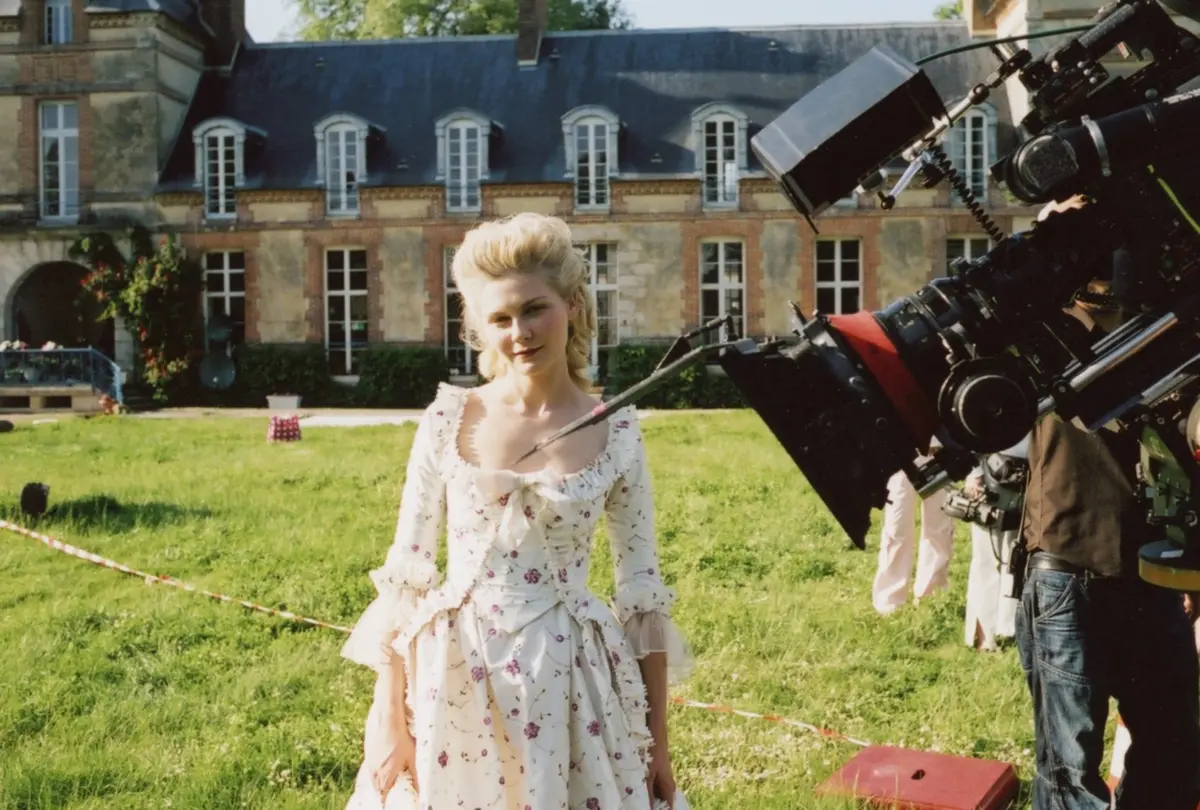
Two decades after its tumultuous, notoriously misunderstood world premiere at the 2006 Cannes Film Festival—where it was famously met with audience boos and critical hand-wringing—Sofia Coppola’s Marie Antoinette has completed its long, luminous journey from provocative outlier to undisputed modern classic. This cultural reassessment is given vibrant new life and emotional gravity with the release of Making Marie Antoinette, a deeply personal behind-the-scenes documentary compiled from over 90 hours of archival footage shot by the late, acclaimed filmmaker Eleanor Coppola.
Co-directed by Sofia and her mother Eleanor during pandemic-era isolation, Making Marie Antoinette premiered at the New York Film Festival before arriving in theaters and streaming platforms. Far more than a standard promotional featurette, the documentary serves as a dual-layered masterpiece: a fascinating technical autopsy of a massive, unprecedented period production and a poignant, maternal portrait of artistic creation. It captures a defining generational handover within American cinema’s most famous dynasty, documenting Eleanor watching with a mix of fierce anxiety and swelling pride as her daughter commands a notoriously boys-club industry.
By exploring the intersection of Sofia’s audacious directorial vision and Eleanor’s observant, steady camera work, Making Marie Antoinette reframes the original feature. It highlights why the 2006 film’s initial detractors—who dismissed its anachronistic 1980s new-wave soundtrack, hyper-stylized pastries, and youthful perspective as shallow—missed the profound psychological thesis at its core.
Detailed Chronology: From Cannes Backlash to a 20-Year Retrospective
The 2006 Theatrical Debut and Critical Backlash
When Marie Antoinette bowed in competition at the 2006 Cannes Film Festival, it encountered an establishment critical apparatus deeply resistant to its unique charms. Following up on her intimate, microscopic masterworks The Virgin Suicides and Lost in Translation, Sofia Coppola scaled up exponentially, granted unprecedented access to shoot on location in and around the actual Palace of Versailles.
Instead of delivering a dusty, reverent historical biography, Coppola crafted a sensory, empathetic exploration of adolescence under crushing geopolitical pressure. Critics, however, fixated on surface elements. Reviewers across major publications took aim at the film’s striking artistic choices:
- The Soundtrack: Michael Booth of The Denver Post decried the integration of 1980s post-punk and new wave tracks (featuring bands like Bow Wow Wow, New Order, and The Cure) as "not interesting enough to save this bauble."
- The Aesthetic Extravagance: Dave Calhoun of Time Out argued that the lavish production design, costumes, and pastry-heavy tableaus did "everything to stress youthful decadence and nothing to throw any light on the woman who gives the film its name."
- The Reductive Dismissal: Mick LaSalle of San Francisco Chronicle curtly wrote that Coppola’s approach illuminated nothing about the queen "except to suggest that she was an idiot."
These contemporary reviews fundamentally misconstrued Coppola’s aims. By aligning the emotional landscape of a teenage Austrian archduchess thrust onto the French throne with the intoxicating, overwhelming rush of modern youth culture, Coppola bypassed stale historical clichés to find raw, human truth.
The Pandemic Genesis and Archival Recovery
Decades later, the seeds of Making Marie Antoinette were planted during the global COVID-19 lockdowns. Isolated within their family quarantine pods, Sofia and Eleanor Coppola turned their attention to the vast vaults of historical documentation Eleanor kept throughout her life.
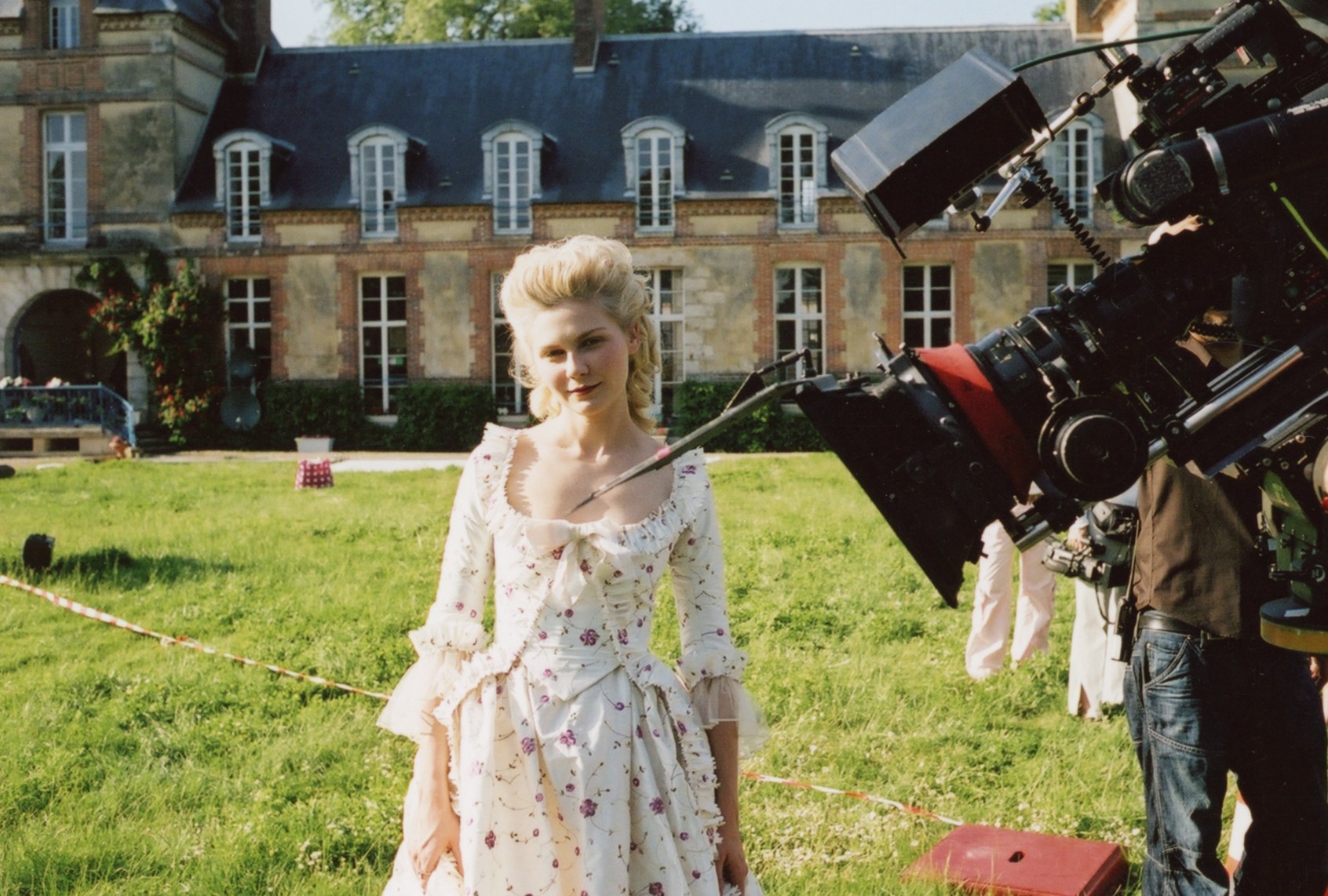
An established chronicler of filmmaking processes—most famously demonstrated in her searing 1991 documentary Hearts of Darkness: A Filmmaker’s Apocalypse about the harrowing production of her husband Francis Ford Coppola’s Apocalypse Now—Eleanor had spent the 50-plus days of the Marie Antoinette shoot trailing her daughter with a digital camera.
The mother-daughter duo began stitching together B-roll, behind-the-scenes friction, and personal artifacts. Though Eleanor passed away in 2024 before the project could reach its final polish, Sofia meticulously completed the film as a loving, cinematic monument to her mother.
Supporting Context & Metrics: Unpacking the Scale and the Artistry
Scale and Production Realities
Stepping up from the intimate indie budgets of her first two features, Sofia Coppola faced an administrative and logistical labyrinth on Marie Antoinette. The production metrics were staggering:
- Principal Photography: Spanned a rigorous schedule of over 50 days.
- Locations: Required unprecedented administrative permissions to film deep within the gilded halls, private chambers, and sprawling gardens of the Palace of Versailles.
- Cast and Crew: Involves hundreds of background extras, an expansive principal ensemble led by Kirsten Dunst and Jason Schwartzman, and a massive below-the-line workforce consisting of historical advisors, dialect coaches, translators, costume makers, and set designers.
For a director accustomed to small footprints, managing this multi-national, high-stakes ecosystem was, as the documentary illustrates, akin to journeying to the moon. Yet, every frame of the final film glows with a tactile, sensory richness—from the pastel-toned silks to the powdered confections—that replicates the dizzying, isolating opulence experienced by a 14-year-old queen.
Thematic Resonance and Feminist Reappraisal
Making Marie Antoinette successfully reframes the original movie’s boldest stylistic choices through the framework of time. The anachronisms—so deeply offensive to traditionalists in 2006—are now recognized as a brilliant structural choice. As Eleanor notes in her journals, filmmaking itself is a way of "moving back and forth, in and out, of linear time."
The documentary highlights the parallels between Marie Antoinette’s historic plight and Sofia Coppola’s position as a female director navigating the male-dominated machinery of Hollywood. Both women were handed immense responsibilities at young ages, expected to satisfy public expectations while maintaining grace under fire, and both faced swift, hyper-critical backlashes from male-dominated institutions when their visions refused to conform to standard expectations.
Official Statements & Archival Reflections
The emotional core of Making Marie Antoinette relies heavily on Eleanor Coppola’s contemporaneous written journals, which are brought to life in the documentary through evocative voiceover narration by actress Diane Lane.
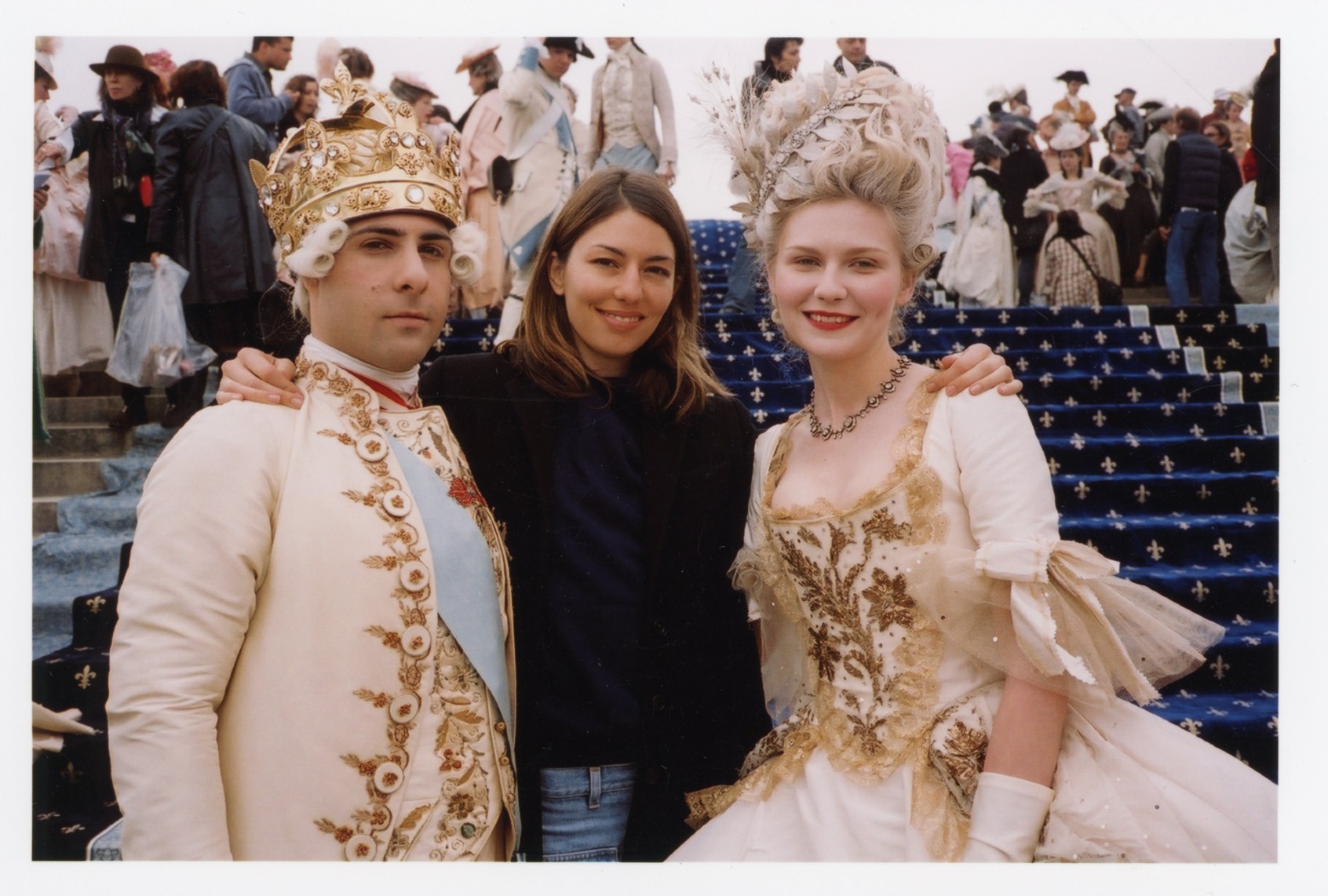
In one reflective journal entry highlighted in the film, Eleanor observed:
"Maybe making movies is a way of moving back and forth, in and out, of linear time."
This observation encapsulates not only Sofia’s directorial strategies within the period piece but also speaks to the meta-textual nature of the documentary itself. It reflects a mother watching her daughter claim her authority, commanding rooms full of seasoned technicians and studio personnel with quiet, unshakeable resolve.
Reflecting on the grueling production schedule and the underlying protective instincts of a mother on set, the film tracks a distinct psychological shift. Early anxiety and protective worry gradually give way to unadulterated awe. Eleanor’s documentation captures a powerful truth about artistic mentorship: watching a child not only survive the trials of creative leadership but thrive within them.
Future Outlook: The Legacy of a Filmmaking Dynasty
As Making Marie Antoinette enters the cultural mainstream following its New York Film Festival premiere, its arrival solidifies a vital shift in cinematic history. The documentary ensures that Sofia Coppola’s 2006 feature is no longer viewed merely as a misunderstood fashion-forward confection, but as a resilient, textually rich pillar of 21st-century cinema.
Looking forward, the film serves as a template for modern critical reassessment. It demonstrates how contemporary art, when rejected by a short-sighted critical establishment, can find its true audience and resonance across decades. Furthermore, Making Marie Antoinette stands as a breathtaking dual-autobiography of the Coppola women—a testament to intergenerational collaboration, artistic courage, and the enduring power of maternal love preserved on celluloid.
By meeting in the middle of time, memory, and media, Sofia and Eleanor Coppola have ensured that their shared creative dialogue will continue to stretch far into the future, inspiring a new generation of filmmakers to look past convention and trust their own idiosyncratic visions.