

Executive Overview
In the landscape of global human rights advocacy, grassroots organizations often form the vital, foundational infrastructure supporting the world’s most vulnerable populations. Yet, in an era marked by compounding geopolitical instability, skyrocketing global inflation, and historic contractions in philanthropic giving, even the most resilient nonprofits face unprecedented operational threats.
The Pixel Project, an internationally recognized, 100% volunteer-staffed 501(c)(3) nonprofit dedicated to ending violence against women (VAW) through the intersections of social media, new technologies, and popular culture, currently finds itself at a historic crossroads. As the organization kicks off its 12th annual fall edition of the flagship Read For Pixels campaign in September 2026, it is confronting a severe fundraising slowdown.
Against a backdrop of global economic strain—exacerbated by prolonged international conflicts and widespread humanitarian funding cuts—The Pixel Project’s current autumn fundraiser has stalled at roughly 50% of its modest $5,000 goal after an entire month. This shortfall threatens the continuity of life-saving digital resource archives, global helpline translation services, and educational advocacy programs relied upon by tens of thousands of individuals worldwide.
This report provides an in-depth examination of The Pixel Project’s operational challenges, tracing the history of its innovative Read For Pixels initiative, analyzing the systemic macro-economic pressures facing women-focused nonprofits in 2026, and outlining the urgent community-driven solutions mobilized by authors, creators, and advocates to bridge the funding gap before the October 15 deadline.
Detailed Chronology: From Grassroots Experiment to Global Movement
The Inception (2014)
The Pixel Project’s journey into the literary and geek fandom space began in September 2014 with the launch of the inaugural Read For Pixels campaign. Conceived as a bridge between popular culture and critical social justice work, the initiative leveraged the massive built-in audiences of speculative fiction, horror, and young adult authors to drive awareness of and donations for anti-VAW initiatives.
The early momentum was catalyzed by prominent literary figures—including Chuck Wendig, Joe Hill, and Sarah J. Maas—who utilized their digital platforms to direct fans toward charitable giving. This foundational strategy proved that fandoms could be successfully mobilized for substantive social impact.
A Decade of Growth and Literary Milestones (2015–2025)
Over the subsequent decade, Read For Pixels evolved from a novel social media experiment into a cornerstone of literary philanthropy. Between 2014 and 2025, the campaign achieved remarkable benchmarks:
- Nearly 300 Author Livestreams: Engaging diverse literary voices across multiple genres to discuss writing, craft, and the urgency of ending gender-based violence.
- Over 100 Ask Me Anything (AMA) Sessions: Providing interactive, direct engagement between creators and donors.
- 24 Comprehensive Fundraisers: Spanning biannual and seasonal editions to maintain baseline organizational cash flow.
- Critical Acclaim: The publication of the charity anthology Giving the Devil His Due, which earned prestigious nominations for both the Shirley Jackson Award and the Audie Award.
Through these concerted efforts, participating authors, editors, publishers, and literary agents consistently helped raise approximately $10,000 annually by offering exclusive, highly coveted collector items, manuscript critiques, and personalized digital experiences as thank-you incentives for donors.
The 2026 Operational Bottleneck
Entering its 12th consecutive autumn edition in September 2026, the campaign encountered an unprecedented obstacle. Despite the proven appeal of its donor rewards—ranging from rare book editions to professional writing critiques—the campaign registered as the slowest-moving fundraiser in its history.
Stuck at $2,527 after a full month of active campaigning against a target of $5,000, the organization’s leadership issued a public SOS. The operational bottleneck highlighted a dangerous vulnerability: even entirely volunteer-run organizations incur structural and technological overhead costs required to keep digital infrastructure, helpline networks, and educational databases operational.
Supporting Context & Metrics: The State of Women’s Rights Funding in 2026
To understand the severity of The Pixel Project’s current predicament, one must examine the broader macro-philanthropic climate governing organizations dedicated to women and girls.
The Chronic Funding Drought
For decades, historical data compiled by institutions such as Fast Company has indicated that nonprofits focused specifically on women and girls receive a disproportionately minuscule fraction—historically hovering around 1.6%—of all overall charitable giving. This chronic underfunding has left grassroots organizations operating on razor-thin margins during stable economic periods, rendering them acutely vulnerable to macroeconomic shocks.
The UN Women 2025–2026 Warning
The situation deteriorated significantly following warnings issued by UN Women in mid-2025. According to international humanitarian assessments, compounding global crises, protracted conflicts (including the ongoing war on Iran), and spiraling global inflation have triggered severe humanitarian funding cuts.
Consequently, up to 60% of nonprofits and charities globally that focus on women’s rights are currently at genuine risk of permanent closure. In times of geopolitical turbulence, women’s human rights and institutional protections are routinely deprioritized, leading to a dual crisis: a surge in gender-based violence due to social destabilization, paired with a simultaneous evaporation of the financial resources required to combat it.
Empirical Realities of Gender-Based Violence
The necessity of maintaining organizations like The Pixel Project is underscored by stark epidemiological data from the World Health Organization (WHO) and international human rights monitors:
- Nearly 1 in 3 women and girls worldwide (approximately 30%) experience physical and/or sexual intimate partner violence or non-partner sexual violence in their lifetime.
- Over 1 in 4 women under the age of 50 have experienced physical or sexual violence specifically from a male intimate partner.
These figures illustrate that violence against women remains a pervasive global public health and human rights emergency, requiring continuous, uninterrupted digital and community-level interventions.
Official Statements and Campaign Pillars
In response to the 2026 funding slowdown, founder and president Regina Yau—alongside long-standing organizational allies like author Chuck Wendig—underscored the multi-faceted impact of the Read For Pixels campaign. To drive donations toward the extended October 15, 2026 deadline, the organization highlighted five primary areas of impact supported directly by donor contributions.
1. Accessible Information and Global Helpline Networks
Bridging the information gap for victims and survivors remains a primary operational mandate. The Pixel Project maintains a continuous global helpline initiative, previously centered on real-time Twitter/X sessions and now fully transitioned to Bluesky, broadcasting domestic violence and sexual assault crisis helplines for women across 205 countries worldwide every single day of the year.
Furthermore, the organization handles direct inquiries from individuals seeking regional crisis resources, funneling this real-time data back into educational videos, social media toolkits, and public awareness materials.
2. Educational Resources and Writing Support
The Pixel Project has constructed an expansive archive comprising nearly 300 resource articles addressing issues ranging from street harassment prevention to child marriage and Missing and Murdered Indigenous Women (MMIW). The platform features foundational primers on complex forms of abuse, including online violence, bride trafficking, and obstetric violence.
To incentivize support, the 2026 campaign pairs these educational efforts with professional literary support. Acclaimed authors across historical fiction, horror, and speculative fiction—such as Karen Odden, Keith Rosson, Juliette Wade, Pintip Dunn, Romina Garber, and Sara Tantlinger—are offering manuscript critiques for works-in-progress (WIPs), query letter reviews, and one-on-one video consultations on the craft of writing and publishing.
3. Safe Digital Platforms for Public Advocacy
Creating secure environments for public dialogue is critical for dismantling the stigma surrounding gender-based violence. Initiatives such as the annual October “People and Pets Say NO!” photo campaign provide safe spaces for individuals and communities to voice opposition to domestic violence during National Domestic Violence Awareness Month. Complementary storytelling projects, including the Survivor Stories blog interviews and the Voices of Dads Against VAW series, humanize the statistical realities of abuse through first-person testimony.
4. Amplifying Global Activism and Criminological Research
Beyond direct survivor support, The Pixel Project actively spotlights international grassroots advocates who are transforming local anti-violence protocols. This advocacy extends to cutting-edge academic partnerships. In 2026, the organization collaborated with a University of Cambridge criminologist to distribute a white paper and toolkit examining "weaponised attachment"—a psychological tactic utilized by abusers to trap domestic violence victims within unsupportive environments.
5. Cultivating Community Through Literary Rewards
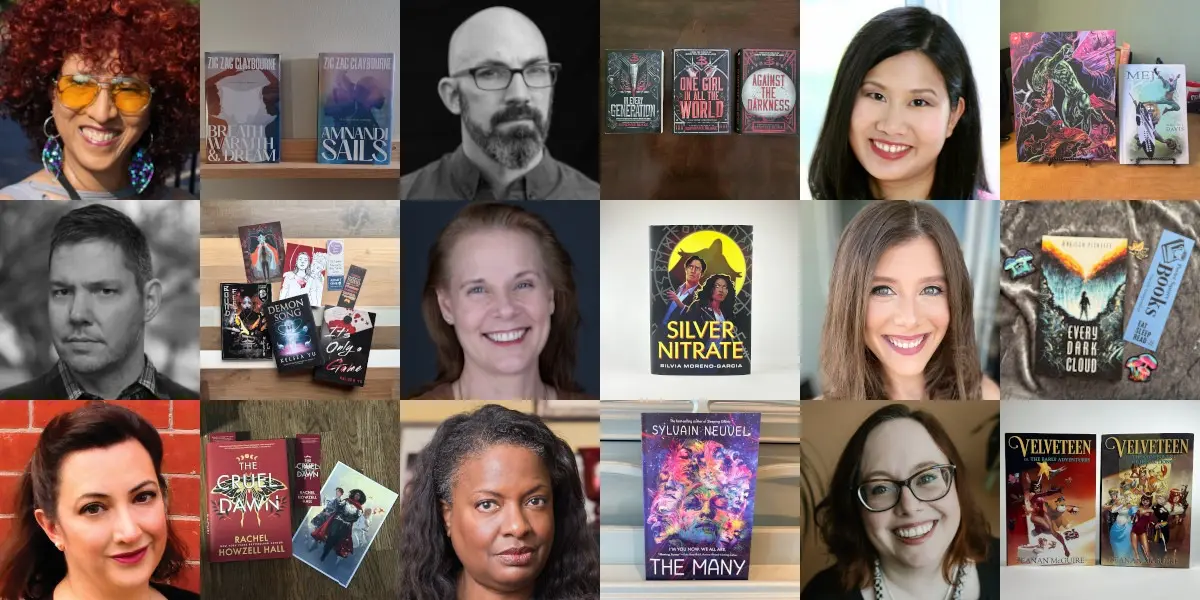
To merge donor engagement with tangible rewards, the campaign features an extensive catalog of donor incentives contributed by prominent literary figures. Contributors such as Kelsea Yu, Linda D. Addison, Milton J. Davis, Sarah Read, Sylvain Neuvel, Zig Zag Claybourne, Subterranean Press, Angela Sylvaine, Grace R. Reynolds, Kendare Blake, Marisca Pichette, and Padma Venkatraman have provided:
- Signed rare, limited, and deluxe book editions.
- Curated book and literary swag bundles.
- Customized poetry written specifically for donors.
- Exclusive video chat sessions with bestselling authors including Clay McLeod Chapman, Mercedes M. Yardley, Susan Elia MacNeal, and Rachel Howzell Hall, accessible to individual donors and collaborative community groups alike.
Future Outlook
As The Pixel Project navigates the remainder of October 2026, the immediate priority is clearing the $5,000 threshold to stabilize core operational accounts. However, leadership emphasizes that the broader struggle requires systemic, long-term shifts in how philanthropic institutions and the general public fund grassroots human rights work.
The survival of organizations operating at the intersection of technology, art, and social justice depends heavily on decentralized community support. By gamifying philanthropy through literary culture—transforming holiday shoppers, aspiring writers, and genre fiction fans into active financial contributors—campaigns like Read For Pixels demonstrate a viable model for sustaining activist infrastructure during economically hostile times.
Ultimately, the 2026 campaign serves as both an urgent distress signal and an invitation to action. As Regina Yau and the global volunteer network reiterate, safeguarding the right of women and girls to live free from violence is a collective responsibility that demands sustained vigilance, financial investment, and community solidarity across all sectors of global society.
How to Support the 2026 Campaign
- Donate and Claim Rewards: Contributions to the 12th Annual Fall Read For Pixels fundraiser can be made directly via the Official RallyUp Campaign Page ahead of the extended October 15, 2026 deadline.
- Learn More: To explore educational archives, survivor resources, and global helpline directories, visit The Pixel Project Official Website.