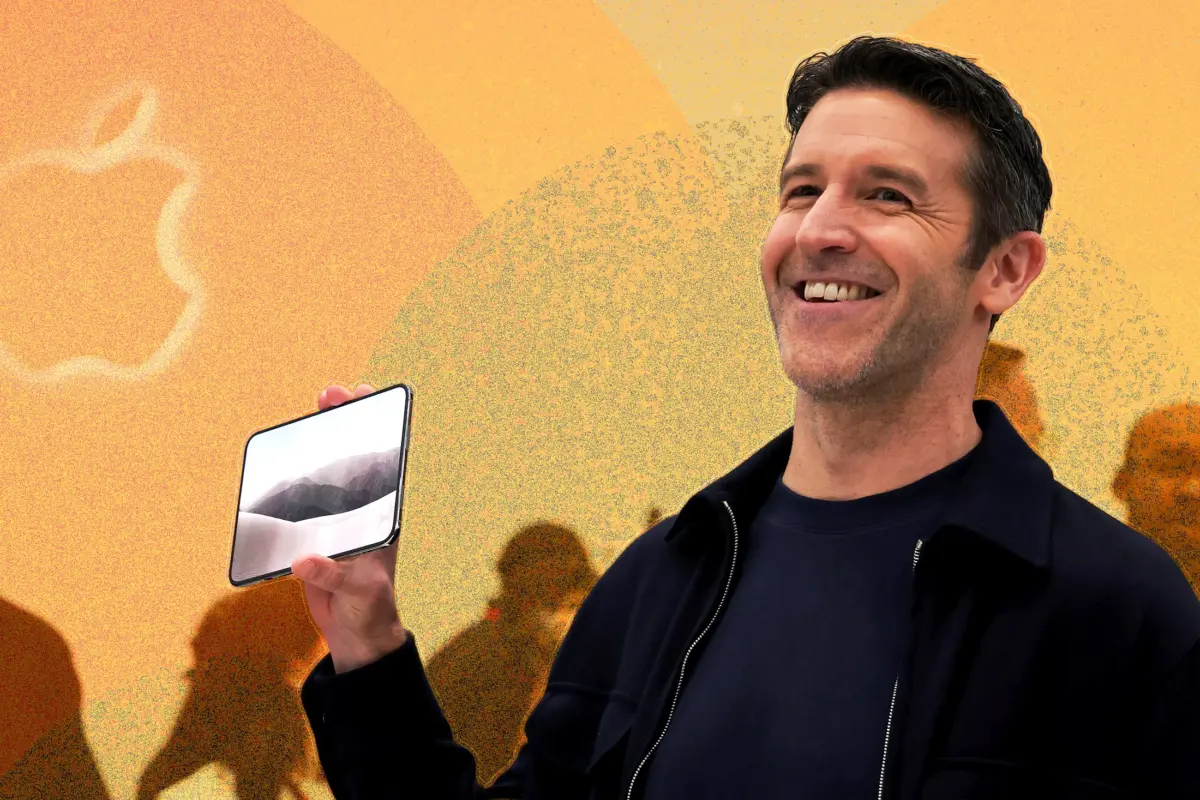
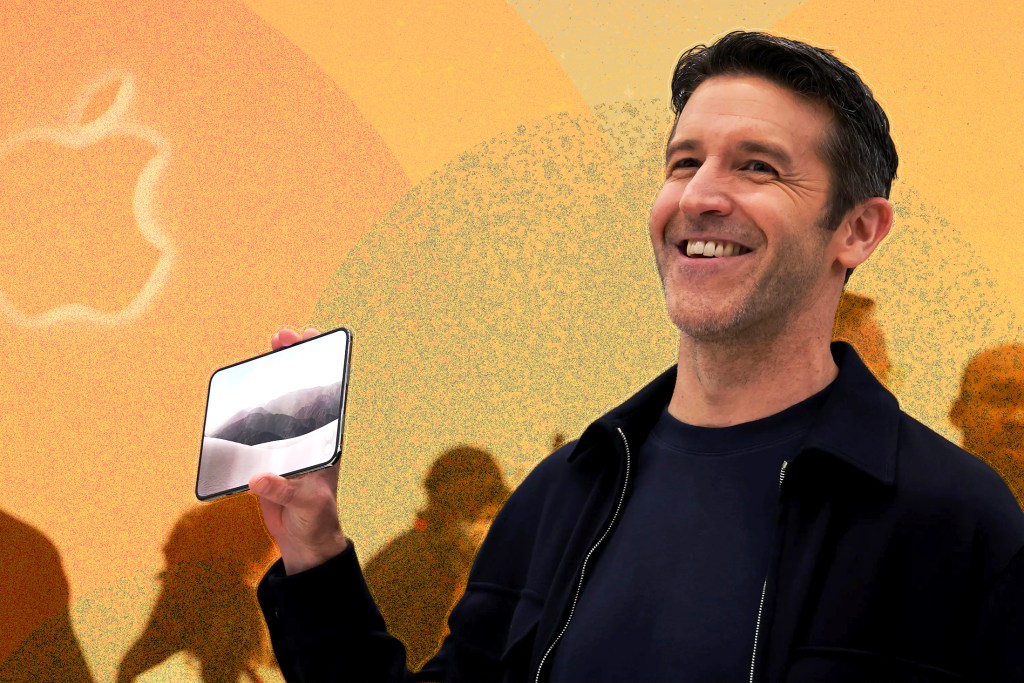
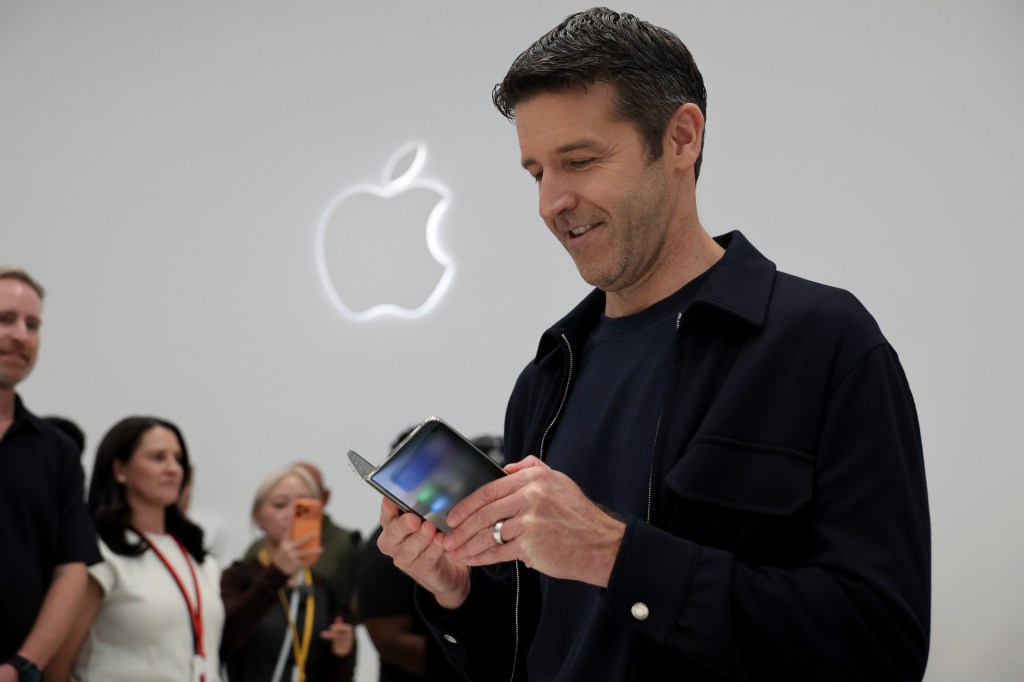
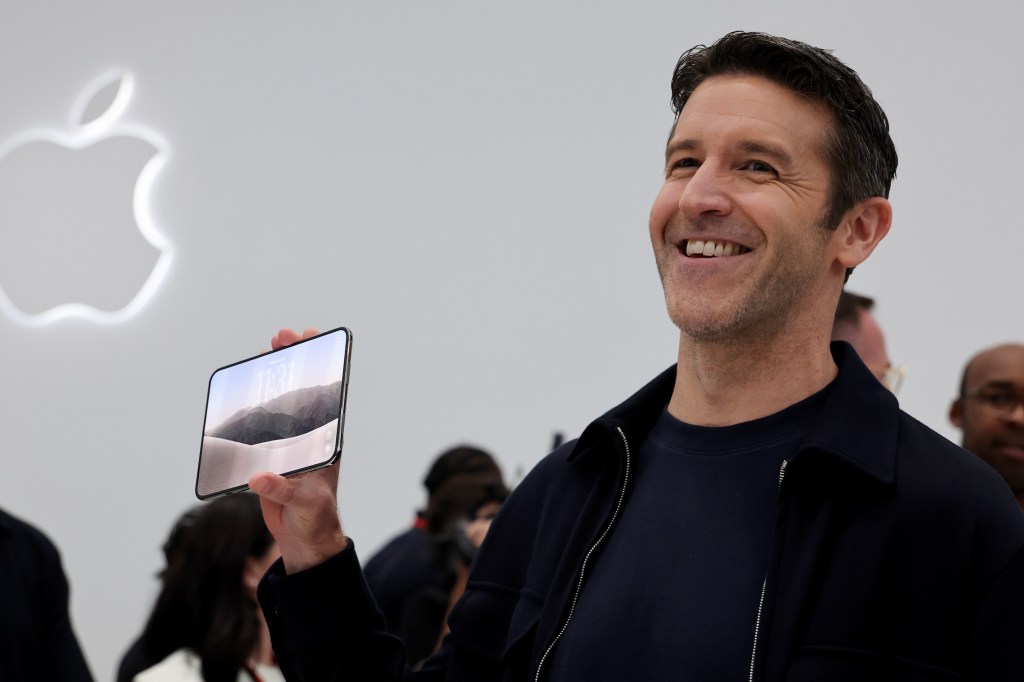
In what marks one of the most pivotal product showcases in modern corporate history, Apple hosted its highly anticipated "Surprise and Shine" keynote event on Wednesday, introducing a wave of groundbreaking hardware, next-generation artificial intelligence integration, and a definitive shift in executive leadership. Stepping onto the stage at Apple Park in Cupertino, California, newly appointed Chief Executive Officer John Ternus delivered his inaugural keynote address, officially inaugurating a new chapter for the world’s most valuable technology brand.
The event was far more than a routine seasonal hardware refresh. It served as a strategic statement of intent, showcasing how Apple plans to balance hardware innovation with ambient, deeply integrated artificial intelligence. Highlighted by the long-awaited debut of the company’s first foldable device—the iPhone Duo—alongside the ultra-efficient A20 Pro chip, a completely rearchitected Siri, and clinical-grade health tracking enhancements, Apple has fundamentally raised the bar across the consumer electronics landscape.
As the tech giant navigates intensifying global competition, changing consumer demands, and shifting manufacturing footprints, this product cycle represents a calculated bet on form-factor evolution and predictive intelligence. This report provides an exhaustive, multi-faceted breakdown of the announcements, underlying technologies, leadership implications, and future outlook stemming from Apple’s landmark September event.
Detailed Chronology of the "Surprise and Shine" Event
The atmosphere inside the Steve Jobs Theater was charged with anticipation as the media, analysts, and industry insiders gathered for the morning presentation.
The Handoff: John Ternus Takes the Reins
Formally taking over the CEO role on September 1 after serving as the company’s head of hardware engineering, John Ternus opened the presentation with a calm, deliberate presence. Rather than focusing immediately on spec sheets, Ternus framed Apple’s overarching philosophy around user utility and technological empathy. He stressed that artificial intelligence must meet rigorous standards to genuinely improve everyday human experiences—prioritizing breakthroughs like all-day battery life, seamless multi-app context, and immersive visual interfaces over gimmicks.
"Today we’re going to take these abilities even further with the next generation of iPhone," Ternus declared, setting the stage for a rapid-fire sequence of major product unveilings.
The Crown Jewel: iPhone Duo Foldable Phone
Undoubtedly the most anticipated moment of the keynote arrived when Ternus introduced the iPhone Duo, a device representing the most radical structural transformation to the iPhone lineup since Steve Jobs unveiled the original in 2007.
Addressing critiques of competing foldable devices head-on, Ternus didn’t mince words: "Others have created foldables that feel like two screens stuck together. We started with the experience that we would want for ourselves."
The iPhone Duo features a sleek 5.4-inch outer cover screen that expands outward into a sweeping, uninterrupted 7.6-inch internal display. Built from aerospace-grade titanium and engineered to be dust- and water-resistant, the device manages to be Apple’s thinnest iPhone ever when unfolded. To address persistent consumer anxieties regarding crease degradation over time, Apple’s Chief Hardware Officer Johny Srouji detailed a meticulously engineered, individually aligned hinge mechanism designed to endure years of rigorous opening and closing without structural fatigue.
Furthermore, the Duo introduces a historic first for the smartphone line: full compatibility with the Apple Pencil. This allows professionals and creatives to annotate documents, sketch concepts, and highlight text on an expansive canvas that still collapses neatly into a pocket.
Starting at $1,999 with 256 GB of baseline storage, the iPhone Duo will be offered in crisp white and a deep "night sky" blue. Preorders are slated to open on October 16, with official retail shipping beginning October 23.
The Evolutionary Core: iPhone 18 Pro and Pro Max
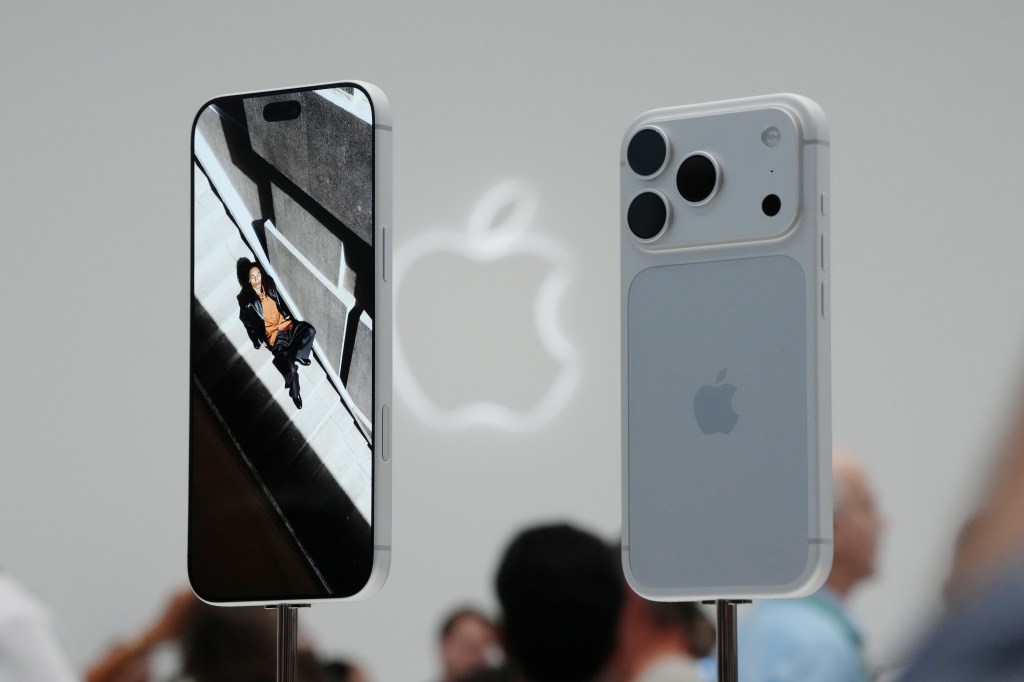
For consumers not yet ready to transition to a foldable form factor, Apple reaffirmed its commitment to slab-form engineering with the debut of the iPhone 18 Pro and iPhone 18 Pro Max.
Powered by the industry-first A20 Pro chip—built on an ultra-advanced 2-nanometer architecture—these devices achieve unprecedented efficiency gains. The iPhone 18 Pro delivers an astonishing 36 hours of continuous battery life, while the Pro Max sets a new market benchmark with up to 45 hours of power on a single charge.
Housing what Apple calls "the most advanced camera ever made in a smartphone," the Pro lineup also expands its aesthetic palette with new finishes, including "glacier" (a light, icy blue) and "burgundy" (a rich, deep cherry).
iPhone 18 Pro (6.3-inch display): Starts at $1,199 for 256 GB.
iPhone 18 Pro Max (6.9-inch display): Starts at $1,299.
Release Timeline: Preorders open September 12, with general availability beginning September 18.
Ambient Intelligence: The New Siri
Artificial intelligence was woven into every demonstration, anchored by a massive structural revamp of Siri. The voice assistant has evolved from a simple command-line tool into an omni-channel contextual engine.
The new Siri is capable of parsing personal context across more than 3,000 native and third-party apps, effortlessly pulling data from Mail, Messages, and other productivity suites to answer complex, multi-layered queries. Deeply integrated directly into the iOS Camera app, Siri allows users to capture visual data and execute real-time actions simultaneously. Moreover, natural language processing improvements yield a vastly expanded range of expressive, emotive human voices.
Crucially, users can now write, edit, and rewrite text with Siri anywhere a text cursor can be placed—enabling frictionless multitasking, such as drafting and polishing an email to a child’s sports coach while walking down the street. Siri’s updated framework is currently rolling out in beta for English speakers, with expanded international language support scheduled for next month.
Audio Evolution: AirPods 5
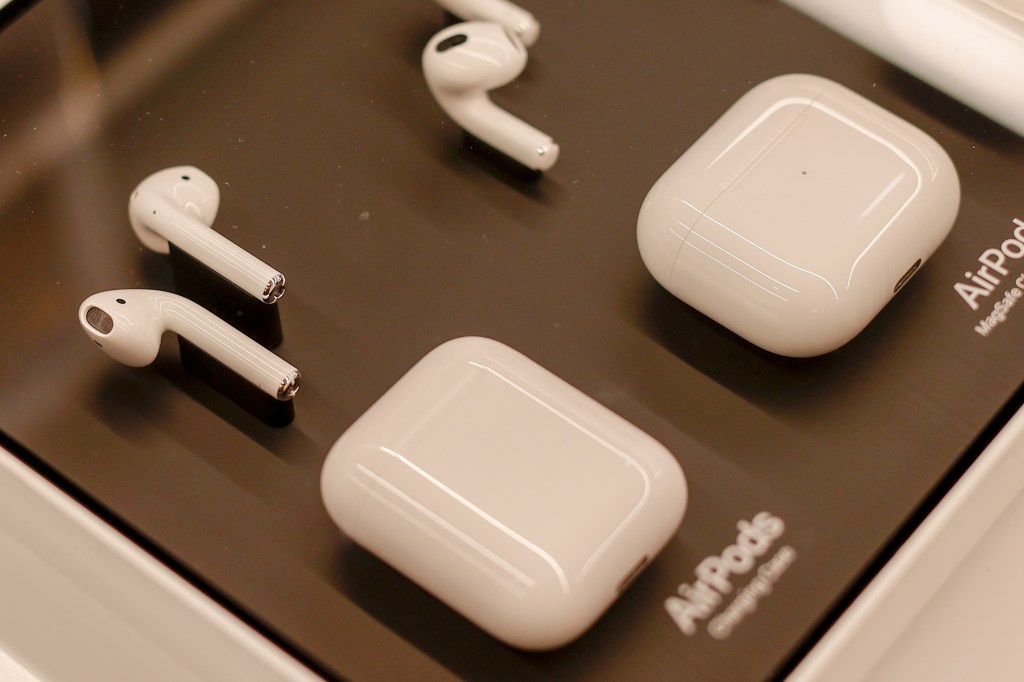
Apple’s ubiquitous audio line received a democratizing upgrade with the introduction of AirPods 5. Dave Pakula, Apple’s Vice President of Hardware Engineering, announced that Active Noise Cancellation (ANC)—historically reserved for flagship tiers—is now standard across the entire lineup.
Entry-Level Model ($129): Now features full open-ear Active Noise Cancellation.
Higher-End Model ($149): Includes ANC bundled with an upgraded, fast-charging wireless case.
Health and Bio-Sensing: Apple Watch Series 12 and Ultra Watch 4
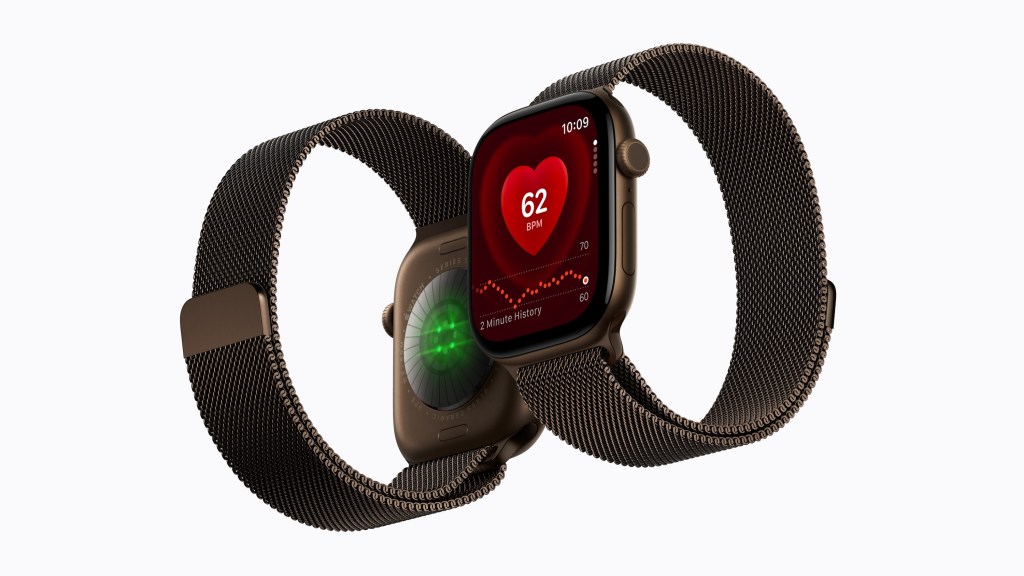
On the wearables front, Apple introduced the Apple Watch Series 12 and the rugged Apple Watch Ultra 4, alongside a revolutionary Health Sensing System.
Apple re-engineered the optical heart rate sensors to record data at an astonishing frequency of once every five seconds—representing a 60-fold increase in sampling rate compared to previous generations. Rigorous clinical trials presented during the keynote confirmed that these new sensors yield the most accurate heart rate tracking ever achieved in a commercial wearable device.
To synthesize this dense telemetry, Apple unveiled a new Readiness Score, providing users with a holistic daily snapshot of recovery, strain, and systemic health. Additionally, the wearables introduced Audio Intelligence, which utilizes on-device Apple Intelligence to automatically recognize and alert users to critical acoustic stimuli like sirens, doorbells, and smoke alarms. Features like Siri Recap and Live Rewind (which allows users to jump back 15 seconds to automatically transcribe spoken dialogue) further bridge the gap between wellness tracking and cognitive assistance.
Apple Watch Series 12: Priced at $399, built in aluminum and ceramic with all-day battery life.
Apple Watch Ultra 4: Priced at $799, featuring a rugged titanium case and an endurance battery lasting up to 50 hours.
Release Timeline: Both models are available for preorder immediately, launching on September 18.
Supporting Context & Strategic Metrics
To fully appreciate the weight of Apple’s announcements, one must evaluate the macro-environmental conditions surrounding the tech giant in late 2026.
The Premium Pricing Threshold: With the iPhone Duo commanding a baseline price of $1,999, Apple is testing the upper limits of consumer willingness to pay for cutting-edge form factors. Historically, high-end price anchors pull up the perceived value of pro-tier slab phones, driving margin expansion even if volume growth moderates.
Silicon Supremacy (The 2nm A20 Pro): The transition to a 2-nanometer node for the A20 Pro chip cements Apple’s dominance over foundry partners and competitors alike. In an era where on-device AI requires immense computational throughput without melting device chassis or draining batteries, architectural efficiency is the ultimate competitive moat.
Supply Chain Diversification: Recent shipping maneuvers—such as moving initial production blocks of millions of units out of manufacturing hubs like India directly into Western markets—demonstrate Apple’s mature supply chain agility amid ongoing geopolitical and logistical shifts.
Official Statements and Industry Reception
Reactions from industry analysts and company executives underscore the significance of the event.
"Today we didn’t just introduce new products; we established a new paradigm for how human beings interact with their personal technology. The iPhone Duo is not merely a foldable phone—it is a redefinition of mobile productivity."
— John Ternus, CEO, Apple
"Others have created foldables that feel like two screens stuck together. We started with the experience that we would want for ourselves… When opened, it’s our thinnest iPhone ever."
— John Ternus
"We’re thrilled that with AirPods 5, we’re able to bring Active Noise Cancellation—one of our most beloved features—to our most affordable AirPods, making premium audio accessibility a reality for everyone."
— Dave Pakula, VP of Hardware Engineering, Apple
Financial markets responded with cautious optimism, noting that while the $1,999 price tag for the iPhone Duo places it firmly in the ultra-luxury category, the integration of advanced health sensors and ambient AI ensures robust ecosystem lock-in.
Future Outlook: What Lies Ahead for Apple
As Apple embarks on this post-Tim Cook era under the stewardship of John Ternus, the roadmap ahead is clear, albeit demanding.
The immediate test will be supply chain execution and consumer adoption rates for the iPhone Duo through the pivotal Q4 holiday shopping window. If the precision-engineered hinge and Apple Pencil integration prove durable and desirable in the wild, foldable phones will transition from a niche enthusiast market to mainstream enterprise adoption.
Simultaneously, the rollout of the expanded Siri and the new Health Sensing System positions Apple to capture deeper troves of daily user engagement. By embedding AI natively across cameras, audio gear, and health trackers—rather than relying solely on cloud-based chatbots—Apple is carving out a distinct privacy-first, ambient computing philosophy.
Ultimately, the "Surprise and Shine" event demonstrated that under new leadership, Apple has lost none of its appetite for calculated risk. By simultaneously pushing the boundaries of mechanical engineering (the Duo), semiconductor physics (the 2nm A20 Pro chip), and bio-sensing telemetry (the Series 12 watch), Apple has successfully fortified its ecosystem for the next decade of digital transformation.