

Executive Overview
The machinery of Hollywood has long operated on an unwritten, ironclad contract: exchange anonymity, stability, and peace of mind for the intoxicating, high-stakes currency of global fame. For decades, the path to fulfillment was straightforward—secure a breakout role, climb the studio ranks, navigate the relentless cycle of press junkets, and anchor your life within the sun-drenched, industry-saturated enclaves of Los Angeles.
Yet, a profound cultural shift is quietly reshaping the landscape of modern celebrity. A growing cohort of revered actors, musicians, and television icons are consciously stepping off the treadmill. Whether driven by harrowing brushes with mortality, the deeply grounding demands of parenthood, deep-seated disillusionment with the corporate studio ecosystem, or simply the pursuit of a simpler, more authentic existence, these artists are trading the red carpet for rural English countrysides, quiet European hamlets, academic lecture halls, and entirely new professional frontiers.
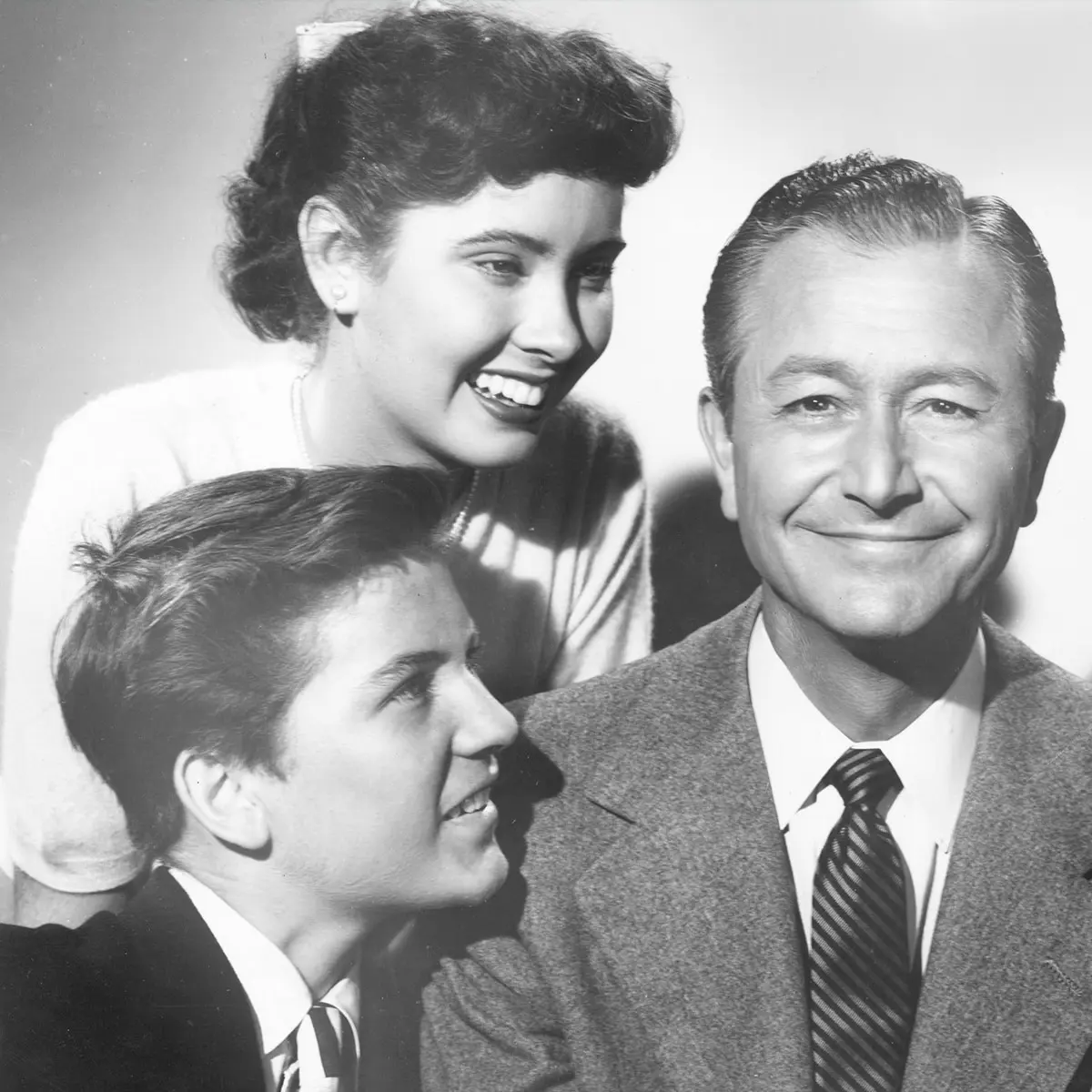
This exodus was punctuated recently by rare public sightings of enduring television veterans like 88-year-old Father Knows Best alum Billy Gray—nearly unrecognizable nearly half a century after his retirement—reminding the public of the cyclical nature of Hollywood fame. Gray’s trajectory from childhood television darling to blacklisted actor and eventual competitive motorcycle racer mirrors a timeless Hollywood truth: the spotlight is fleeting, and the industry’s embrace can vanish overnight.
Today, however, departures from Tinseltown are increasingly voluntary, deliberate, and permanent. From Oscar winners like Daniel Day-Lewis and Antonio Banderas to millennial icons like Cameron Diaz, Lindsay Lohan, and Josh Hartnett, contemporary stars are proving that there is life—and profound fulfillment—far beyond the studio gates.
Detailed Chronology: The Anatomy of a Hollywood Exit
The decision to leave Los Angeles or walk away from acting altogether rarely happens overnight. It is typically the culmination of personal awakenings, shifting life stages, and systemic burnout. Examining the timelines of these departures reveals distinct waves of lifestyle restructuring across the entertainment industry.
The Wake-Up Call: Health and Mortality
For some artists, the catalyst is stark and immediate. Antonio Banderas, celebrated for his swashbuckling roles in cinematic hits like The Mask of Zorro, enjoyed an internationally gilded career until a near-fatal heart attack in 2019 forced an abrupt, life-altering reckoning. Banderas packed his life and returned to his native Málaga, Spain, pivoting away from blockbuster cinema to immerse himself entirely in the local theater community.
Similarly, legendary actor Richard Gere announced a definitive pivot away from Hollywood to Madrid, Spain, alongside his wife, Alejandra Silva. Citing a desire to give their young bilingual children a grounded upbringing away from the relentless media cycle, Gere noted that the family unit has achieved a profound domestic equilibrium, declaring themselves "happier than ever."
The Call of Parenthood and Family First
For a significant portion of modern escapees, the unrelenting demands of the 12-hour studio workday directly conflict with the desire to be present parents.
- Cameron Diaz: After headlining upwards of 40 films, Diaz stepped away from the cameras following the 2014 wrap of Annie. For years, she maintained that she did not miss performing, choosing instead to focus on wellness literature, authorship, and family life with husband Benji Madden. Though coaxed back temporarily for upcoming Netflix projects, her multi-year hiatus underscored a fierce protection of her personal time.
- Elisha Cuthbert: The Girl Next Door and 24 star deliberately pressed pause on her acting career for four years, relocating out of the Los Angeles fast lane to raise her children alongside her husband, NHL player Dion Phaneuf. Cuthbert noted that balancing active motherhood with the relentless pace of consecutive working years proved untenable.
- Josh Hartnett: Once the quintessential heartthrob of the early 2000s, Hartnett walked away from the epicenter of blockbuster cinema, relocating with his family to the English countryside in Hampshire. Recognizing that Hollywood is as much a state of mind as it is a geographic location, Hartnett sought an environment where conversations revolved around diverse, non-industry topics to foster genuine personal growth.
The Burden of Toxicity and Public Scrutiny
For others, the decision to leave was accelerated by the hyper-surveilled, highly politicized, and occasionally toxic underbelly of the industry.
- Lindsay Lohan: Reflecting on the intense tabloid scrutiny and relentless paparazzi culture of the 2000s, the Parent Trap alum chose to entirely reinvent her life abroad—first in London, and later settling in Dubai with her husband, Bader Shammas, and their son. Lohan noted that stepping out of the spotlight was the only way to ensure her personal milestones were not perpetually overshadowed by media noise.
- Ellen DeGeneres: Following the conclusion of her 19-season talk show run amid internal investigations and public controversy, DeGeneres delivered her final stand-up special before permanently shuttering her Hollywood chapter. Alongside wife Portia de Rossi, DeGeneres relocated to the English countryside in the Cotswolds, embracing a pastoral lifestyle centered around gardening, animal husbandry, and peace.
Supporting Context & Metrics: The Mass Migration Out of California
The anecdotal tales of individual stars shedding their celebrity status are supported by broader socioeconomic shifts. Over the past five years, Los Angeles and the broader Southern California region have experienced a steady outward migration of high-net-worth individuals, creative professionals, and industry veterans.
Economic and Cultural Drivers
According to recent demographic and real estate data, factors driving talent out of Southern California include:
- Taxation and Cost of Living: High state income tax brackets and escalating property costs have made maintaining primary residences in Los Angeles economically unfeasible for mid-tier actors and crew members experiencing cyclical employment.
- The Shift to Remote and International Production: The rise of streaming platforms and globalized production hubs in cities like London, Vancouver, Atlanta, and Madrid has decentralized Hollywood’s monopoly on filmmaking. Actors no longer need to reside within a five-mile radius of the major studio lots to secure high-profile auditions.
- Post-Pandemic Realignment: COVID-19 acted as an industry accelerant. Lockdowns forced artists to reevaluate their living arrangements, prompting many to realize they could practice their craft from virtually anywhere in the world.
| Celebrity | Primary Departure Location | New Base / Destination | Primary Motivation |
|---|---|---|---|
| Ellen DeGeneres | Los Angeles, CA | Cotswolds, United Kingdom | Privacy, pastoral lifestyle, retirement |
| Eva Longoria | Los Angeles, CA | Spain & Mexico | International work opportunities, quality of life |
| Josh Hartnett | Los Angeles, CA | Hampshire, United Kingdom | Escaping industry groupthink, family life |
| Christina Milian | Los Angeles, CA | Paris, France | Children’s education, family integration |
| Bridgit Mendler | Los Angeles, CA | Cambridge, MA / Space Sector | Academic pursuits (MIT/Harvard), tech entrepreneurship |
Official Statements & Personal Revelations
The emotional weight of walking away from multi-million-dollar studio deals is captured best in the words of the artists themselves.
Jennette McCurdy, who walked away from a lucrative Nickelodeon career before detailing her trauma in her bestselling memoir I’m Glad My Mom Died, expressed deep-seated resentment toward her early years in the spotlight.
"My experience with acting is, I’m so ashamed of the parts I’ve done in the past," McCurdy shared during a podcast appearance. "I resent my career in a lot of ways. I feel so unfulfilled by the roles that I played and felt like it was the most cheesy, embarrassing."
Similarly, Evangeline Lilly, renowned for her roles in Lost and the Marvel Cinematic Universe, announced an indefinite hiatus from acting at the peak of her commercial viability.
"Stepping away from what seems like the obvious choice (wealth and fame) can feel scary at times," Lilly wrote on social media. "लेकिन stepping into your dharma replaces the fear with fulfillment."
For former child stars like Jack Gleeson—who famously hung up his crown after playing King Joffrey in Game of Thrones—the transition was about preserving a healthy relationship with art.
"When you make a living from something, it changes your relationship with it," Gleeson explained to entertainment media. "It’s not like I hate it, it’s just not what I want to do."
Even those who maintain an active footprint in the industry have drastically recalibrated their involvement. Eva Longoria, who split her primary residence between Spain and Mexico, clarified that her move was driven by international professional opportunities rather than purely political motivations, emphasizing that her domestic priorities had simply shifted past the borders of Southern California.
Future Outlook: The New Definition of Success
in Entertainment
As we look toward the future of the entertainment industry, the archetype of the omnipresent, hyper-exposed Hollywood star is rapidly giving way to a more balanced, elusive model of celebrity.
The evolution of digital self-promotion, decentralized production models, and changing public attitudes toward fame suggest that the "voluntary exile" will no longer be viewed as career suicide. Instead, stepping back is increasingly recognized as the ultimate luxury—a demonstration of autonomy in an industry historically built on exploitation and burnout.
Whether these artists return on their own terms—as Daniel Day-Lewis did with his son’s cinematic project Anemone, or as Cameron Diaz managed with her Netflix return—their ability to walk away proves a vital industry truth: the power has officially shifted. For a generation of performers, the most compelling script they can write is the one where they choose peace over prestige, turning their backs on Tinseltown to build authentic lives in the wider world.
