

Executive Overview
In the realm of preventative medicine and nutritional epidemiology, few daily rituals are as deeply ingrained or globally ubiquitous as the morning cup of coffee or tea. Across the world, billions of individuals rely on these caffeinated infusions to jumpstart their cognition, warm their mornings, or provide a moment of midday solace. Yet, beneath the comforting steam of a teacup or the rich aroma of a freshly brewed espresso lies a complex biochemical landscape that researchers are only beginning to fully decode.
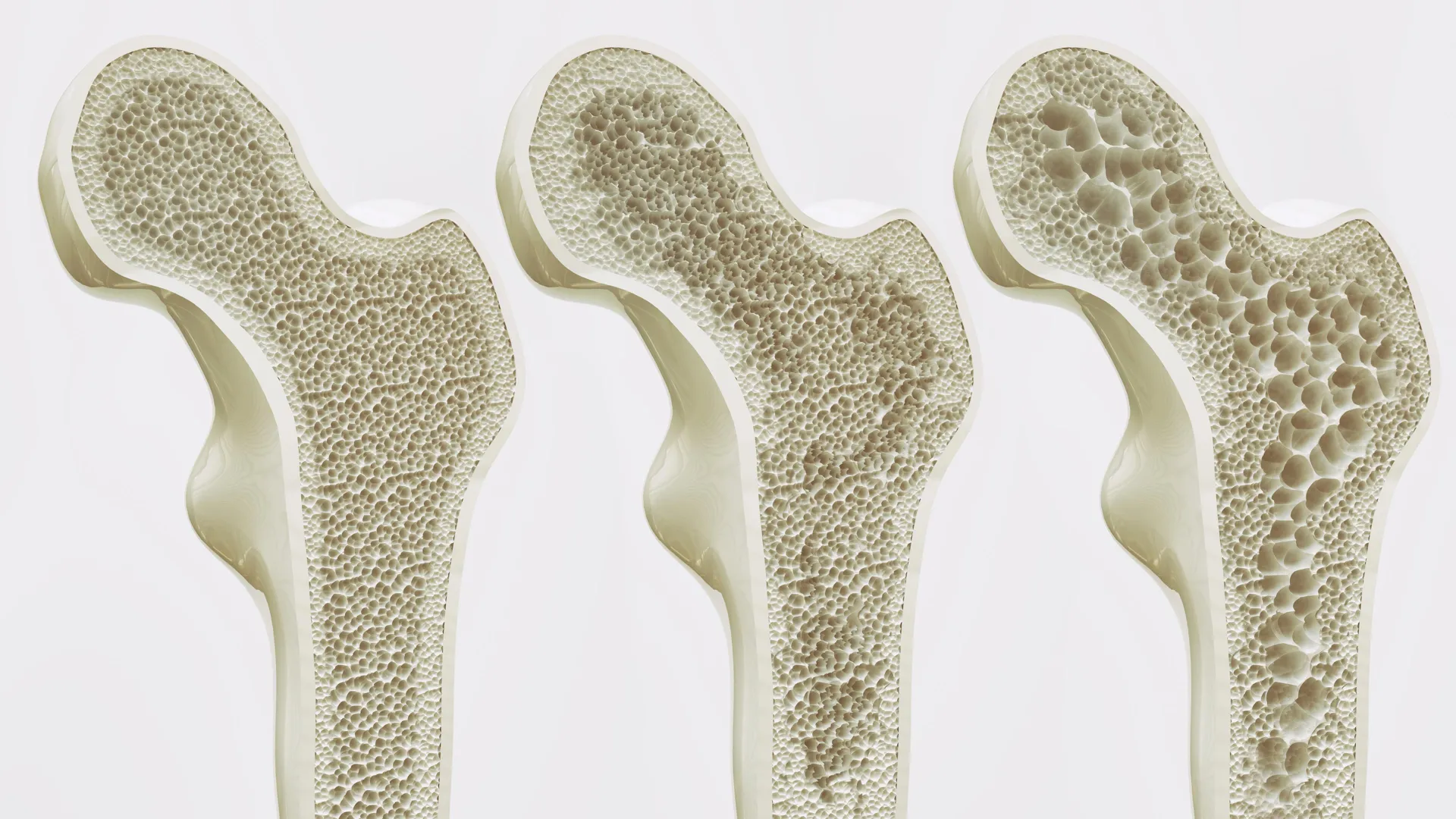
Recent findings published in the peer-reviewed journal Nutrients have shed new light on this daily routine, offering a nuanced perspective on how long-term coffee and tea consumption interacts with skeletal integrity. Conducted by a dedicated team of researchers at Flinders University, the landmark study tracked nearly 10,000 women aged 65 and older over a rigorous 10-year observation period. The primary objective was to determine whether regular, habitual intake of coffee and tea correlated with measurable shifts in bone mineral density (BMD)—a critical physiological metric utilized by clinicians worldwide to assess an individual’s susceptibility to osteoporosis and bone fracture.
The implications of this research extend far beyond academic curiosity. Osteoporosis stands as a silent, formidable global health crisis, disproportionately affecting aging populations and exacting a devastating toll on physical autonomy and quality of life. Current epidemiological data indicates that roughly one in three women over the age of 50 will experience an osteoporotic fracture in their lifetime. These injuries—particularly those occurring at the hip and femoral neck—frequently trigger a downward spiral of declining mobility, chronic pain, institutionalization, and elevated mortality rates.
Given the sheer prevalence of coffee and tea consumption across all demographics, even modest correlations between these beverages and skeletal health carry monumental public health implications. If a simple dietary modification—such as incorporating a daily cup of tea or moderating excessive coffee intake—can influence bone metabolism, the potential to reduce fracture rates on a population scale is immense. However, the Flinders University study cautions against oversimplified conclusions. Rather than delivering a blanket endorsement or condemnation of these popular drinks, the longitudinal data reveals a dichotomous relationship: moderate tea consumption appears to offer modest protective benefits for hip bone density, whereas heavy, unchecked coffee consumption—particularly when combined with other lifestyle factors like alcohol use—is associated with diminished bone mineral density.
This comprehensive analysis will deconstruct the Flinders University study, exploring its methodological rigor, contextualizing its findings within the broader framework of geriatric medicine, and examining the physiological mechanisms through which tea catechins and coffee’s caffeine interact with human bone tissue.
Detailed Chronology: Unpacking the 10-Year Flinders University Study
To appreciate the weight of the Flinders University findings, one must examine the methodological framework and the chronological trajectory of the research itself. Past scientific literature investigating the links between caffeine, coffee, tea, and bone health has been marked by contradictory outcomes. While some studies pointed toward the potential leaching of calcium caused by high caffeine intake, others hinted at the antioxidant and anti-inflammatory properties of tea as a potential skeletal protector. Furthermore, the vast majority of preceding investigations relied on cross-sectional designs or short-term follow-ups, leaving a critical void regarding how these dietary habits influence bone mineral density over extended periods of aging.
To bridge this knowledge gap, researchers Ryan Yan Liu and Adjunct Associate Professor Enwu Liu turned to a robust, pre-existing epidemiological goldmine: the Study of Osteoporotic Fractures (SOF). Initiated decades ago and heavily funded by premier American health institutions—including the National Institute on Aging (NIA) and the National Institute of Arthritis and Musculoskeletal and Skin Diseases (NIAMS)—the SOF cohort provided an ideal foundation for a longitudinal investigation.
Phase One: Establishing the Cohort and Baseline Metrics
The Flinders research team isolated a cohort of nearly 10,000 women, all aged 65 or older, ensuring that the study focused squarely on the demographic most vulnerable to age-related bone density loss and osteoporosis. At the outset of the study, baseline measurements were meticulously recorded. These metrics encompassed comprehensive lifestyle questionnaires, dietary recalls, medical histories, and precise imaging scans to establish baseline bone mineral density.
Crucially, BMD was measured not just globally, but specifically at the total hip and the femoral neck. These two anatomical sites are of paramount clinical importance; they bear the brunt of mechanical load during locomotion and represent the most critical fracture sites associated with life-altering morbidity in elderly populations.
Phase Two: Tracking Beverage Habits Over a Decade
Over the sprawling 10-year span of the study, the participants’ behaviors were repeatedly assessed. Dietary habits are notoriously fluid, and relying on a single snapshot of coffee or tea consumption at the beginning of a study can severely distort scientific accuracy. By utilizing repeated-measures analysis, the Flinders researchers tracked fluctuations, consistency, and changes in the volume of coffee and tea consumed by each participant across the decade.
Concurrently, advanced imaging technologies were deployed at designated intervals to monitor longitudinal changes in BMD at the hip and femoral neck. This methodology allowed researchers to observe whether women who maintained high tea intakes experienced different trajectories in bone density compared to non-tea drinkers, and how varying tiers of coffee consumption impacted skeletal retention over time.
Phase Three: Data Synthesis and the Emergence of Divergent Patterns
Upon concluding the 10-year tracking period and analyzing the aggregated data through sophisticated biostatistical models, distinct patterns materialized. The data clearly separated the physiological correlates of tea consumption from those of coffee, revealing that these two popular infusions—despite both containing caffeine—exert vastly different influences on the aging female skeleton.
+-------------------------------------------------------------------------+
|                       FLINDERS UNIVERSITY SOF COHORT                    |
|                         (Nearly 10,000 Women, 65+)                      |
+-------------------------------------------------------------------------+
                                     |
         +---------------------------+---------------------------+
         v                                                       v
+------------------------+                             +------------------------+
|      TEA INTAKE        |                             |     COFFEE INTAKE      |
+------------------------+                             +------------------------+
| • Moderate, regular    |                             | • 2-3 cups/day:        |
|   consumption linked   |                             |   Neutral effect on    |
|   to slightly higher   |                             |   bone health.         |
|   total hip BMD.       |                             |                        |
| • Pronounced benefits  |                             | • >5 cups/day:         |
|   observed among       |                             |   Associated with      |
|   women with obesity.  |                             |   lower BMD.           |
| • Rich in catechins    |                             | • Negative effects     |
|   that promote bone    |                             |   amplified by high    |
|   formation.           |                             |   lifetime alcohol use.|
+------------------------+                             +------------------------+
Supporting Context & Metrics: The Global Burden of Osteoporosis
To fully grasp why a fractional increase in hip bone density matters, one must examine the staggering macroeconomic and clinical toll of osteoporosis. Often referred to as a "silent thief," osteoporosis develops progressively over decades as bone resorption outpaces bone formation. The resulting micro-architectural deterioration leaves bones porous, brittle, and profoundly susceptible to fractures stemming from minor falls or even everyday movements like bending or coughing.
The Epidemiological Landscape
Globally, osteoporosis is recognized as one of the most pressing non-communicable health challenges facing aging societies. The International Osteoporosis Foundation estimates that worldwide, an osteoporotic fracture occurs every three seconds. By the time women reach their seventh and eighth decades of life, the confluence of post-menopausal estrogen depletion and age-related cellular senescence accelerates bone mass reduction.
- Prevalence: Approximately 30% of all women over the age of 50 will suffer at least one fragility fracture in their remaining lifetime.
- Mortality and Morbidity: Hip fractures, in particular, carry a grim prognosis. Up to 20% to 30% of elderly patients who sustain a hip fracture die within the first year following the injury, largely due to complications such as deep vein thrombosis, pulmonary embolism, pneumonia, or the systemic shock of surgery and prolonged immobility.
- Economic Footprint: Healthcare systems globally spend tens of billions of dollars annually on acute fracture care, long-term nursing home placement, and rehabilitation services.
The Significance of Small Statistical Shifts
When consumers read headlines about nutritional studies, they frequently demand binary answers: Is this food good or bad? However, in epidemiological research involving tens of thousands of individuals, statistical significance rarely manifests as miraculous cures or catastrophic declines. Instead, researchers look at shifts in standard deviations and population-wide risk reduction.
In the Flinders University study, the positive association between daily tea drinking and total hip bone mineral density was described as small, yet statistically significant. While an individual woman might not consciously feel a fractional percentage increase in her hip bone density, the public health calculus changes dramatically when projected across millions of aging individuals. Even a modest upward shift in population-wide BMD can translate to tens of thousands fewer debilitating fractures annually, sparing individuals from catastrophic health crises and saving healthcare systems billions of dollars.
Official Statements and Expert Analysis
The researchers behind the Flinders University publication have been careful to contextualize their findings with scientific prudence, warning against sensationalized interpretations while highlighting the actionable takeaways for older adults.
The Protective Potential of Tea
Adjunct Associate Professor Enwu Liu, representing the College of Medicine and Public Health at Flinders University, emphasized that while the findings do not prescribe a radical dietary overhaul, they do point to tea as a comforting and functional daily ally.
"Our results don’t mean you need to give up coffee or start drinking tea by the gallon," says Associate Professor Liu. "But they do suggest that moderate tea consumption could be one simple way to support bone health, and that very high coffee intake might not be ideal, especially for women who drink alcohol."
Delving into the biochemical rationale behind the tea data, co-author Ryan Yan Liu pointed to a specific class of bioactive plant compounds.
"Compounds called catechins, abundant in tea, may promote bone formation and slow bone breakdown," Ryan Liu explains. Catechins are powerful polyphenols known for their antioxidant and anti-inflammatory properties, which have increasingly been shown in biomedical research to modulate osteoblast (bone-building) and osteoclast (bone-resorbing) activity.
Interestingly, the data revealed an intriguing intersection between body composition and beverage benefits. The apparent skeletal advantages associated with regular tea consumption were found to be more pronounced among women living with obesity. While obesity is often associated with numerous metabolic and cardiovascular risks, adipose tissue also exerts mechanical loading on bones, and the systemic inflammatory pathways may interact differently with tea’s polyphenols—an area ripe for future targeted endocrinological research.
The Caveats of Heavy Coffee Consumption
While tea emerged from the study with a consistently positive profile, coffee presented a more complex, threshold-dependent narrative. Moderate coffee consumption—defined in the study as approximately two to three cups per day—showed no adverse relationship with bone mineral density, offering reassurance to millions of daily coffee lovers.
However, a clear tipping point emerged at high intake levels. Women who consumed more than five cups of coffee daily exhibited lower BMD measurements, signaling that excessive intake poses genuine risks to skeletal integrity. Furthermore, lifestyle synergism played a critical role: the negative skeletal impacts associated with heavy coffee consumption were markedly intensified among women with higher lifetime alcohol consumption.
Ryan Liu addressed the underlying mechanisms of coffee, pointing primarily to its most famous active constituent:
"Coffee’s caffeine content, by contrast, has been shown in laboratory studies to interfere with calcium absorption and bone metabolism, though these effects are small and can be offset by adding milk."
Caffeine is known to induce a mild, temporary increase in urinary and intestinal calcium excretion. Over decades of chronic, heavy consumption, this subtle mineral leakage—compounded by high volumes of liquid—can gradually undermine skeletal reserves, particularly when dietary calcium intake fails to compensate for the loss.
Future Outlook: Re-Evaluating the Daily Cup
As nutritional science transitions from generalized dietary guidelines to personalized, precision nutrition, studies like the one conducted at Flinders University provide vital puzzle pieces for understanding how lifelong dietary patterns influence healthy aging.
Clinical Recommendations Moving Forward
Healthcare providers specializing in geriatrics and endocrinology should take note of these findings when counseling older female patients regarding osteoporosis prevention. Traditional counseling invariably centers on the holy trinity of bone health: adequate calcium intake, sufficient vitamin D synthesis (via sunlight or supplementation), and regular weight-bearing exercise.
The Flinders study suggests that while these foundational pillars remain non-negotiable, the secondary beverages individuals consume throughout the day are not biologically inert.
- For Tea Drinkers: Incorporating a daily cup of green or black tea can be championed as a simple, low-risk, and comforting ritual that offers modest biochemical support against bone mineral density loss.
- For Coffee Drinkers: Moderation is key. Enjoying two to three cups of coffee daily remains entirely safe for skeletal health. However, individuals—particularly post-menopausal women with a history of high alcohol consumption or other osteoporosis risk factors—should be advised to cap their intake and ensure their coffee is balanced with adequate dairy or calcium-fortified plant milk to offset caffeine’s minor mineral-leaching properties.
Horizon Scanning: Future Research Directions
The Flinders University publication opens several compelling avenues for future epidemiological and clinical exploration. Future research must determine whether specific varieties of tea (e.g., green tea versus black tea) offer differential benefits based on their unique catechin profiles. Additionally, randomized controlled trials isolating tea catechins in aging populations will be necessary to establish definitive causality rather than observational correlation.
Ultimately, the Flinders study serves as a timely reminder that the small choices we make every morning at the kitchen counter echo through our physiology decades later. For older women navigating the complexities of skeletal aging, what is poured into the daily cup is far more than a routine beverage—it is a micro-dose of chemistry that, over time, can help tip the delicate biological scale toward strength, stability, and enduring vitality.