

Executive Overview
Imagine standing in the warm, inviting queue of your favorite neighborhood bakery. The air is rich with the scent of caramelized sugar, roasted hazelnuts, and freshly baked brioche. You step forward, eyeing the glass display case. On the top shelf rests a glossy, sugar-dusted doughnut; beside it sits a delicate, fruit-topped tart. You weigh your options. You consider your cravings, your recent dietary habits, and perhaps the sheer comfort of a classic doughnut. You settle on the doughnut, feeling entirely in control of your destiny.
However, by the time you finally reach the front of the counter, tragedy strikes: the last doughnut has just been sold to the customer ahead of you. Only tarts remain. Without missing a beat, you pivot and buy a tart.
To the conscious mind, these two scenarios feel fundamentally different. The first choice is an exercise in agency—a deeply personal deliberation born of individual taste, whim, and desire. The second is an act of compliance or pragmatic recognition—a forced decision dictated entirely by external constraints where only a single viable path remains. For centuries, philosophers, psychologists, and neuroscientists have drawn a sharp line between these two cognitive experiences, assuming that choices born of free will must rely on entirely distinct neural mechanisms compared to decisions forced upon us by circumstance.
Yet, a landmark study recently published in the journal Imaging Neuroscience challenges this long-held dogma. Researchers tracking real-time neural activity have discovered that our brains process free choices and forced choices in astonishingly similar ways. Whether we are deliberating over an array of personal preferences or simply identifying the sole remaining option on a shelf, the underlying neurological machinery operates from the same blueprint.
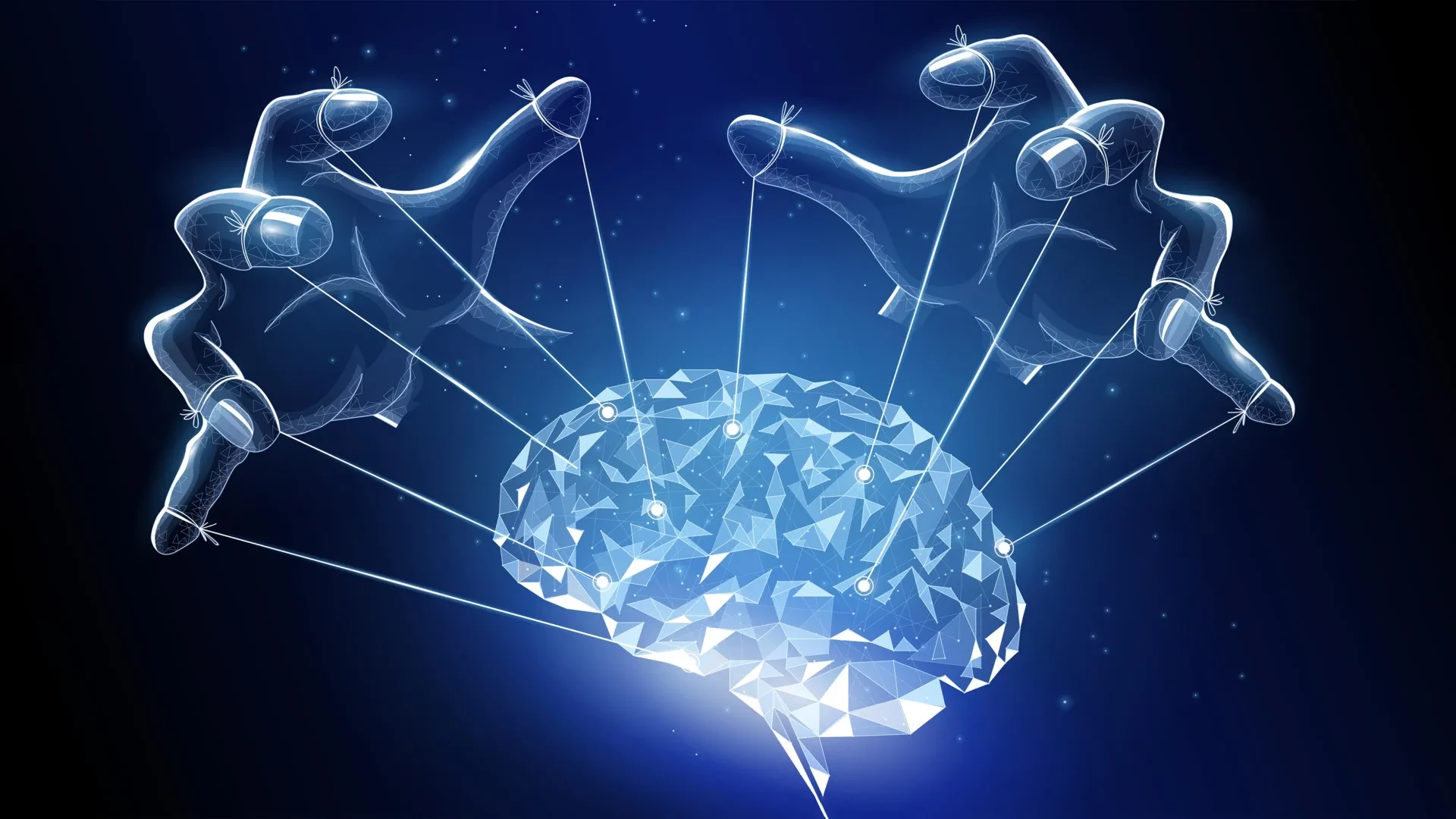
This revelation forces a profound re-examination of human agency, automaticity, and the age-old debate surrounding free will. If the brain handles open-ended choices through the exact same mechanical "loading bar" of evidence accumulation as forced choices, what does that mean for our subjective sense of autonomy? Far from reducing human beings to mere automata, however, these findings illuminate a more nuanced reality: while the process of decision-making may share a universal neural signature, the content being weighed remains uniquely, beautifully yours.
Detailed Chronology: Unraveling the Brain’s Decision-Making Machinery
To understand the magnitude of the recent Imaging Neuroscience findings, one must first retrace the historical trajectory of how science has approached the human mind. For decades, the study of decision-making was bifurcated. On one side lay behavioral economics and philosophy, heavily focused on utility, rationality, and conscious deliberation. On the other lay neurophysiology, which sought to map the physical substrates of perception and action.
The Anatomy of Choice: Free vs. Forced
Historically, neuroscientists categorized decisions based on their degree of freedom.
- Free Decisions: Characterized by the presence of multiple viable alternatives. The individual must recognize these options, evaluate them against internal metrics (such as values, past experiences, and long-term goals), and commit to a single path. Because these choices reflect personal identity, researchers naturally assumed they would engage complex, distributed networks across the association cortices of the brain.
- Forced Decisions: Characterized by a singular, pre-determined outcome. The individual’s task is stripped of internal trade-offs; it requires merely the identification and execution of the sole available path.
While numerous functional magnetic resonance imaging (fMRI) studies over the past twenty years have successfully mapped distinct patterns of neural activity associated with these different tasks, knowing where in the brain choices occur tells us very little about how they are formed. Localization does not equate to mechanism.
The Evidence Accumulation Model
For decades, cognitive neuroscientists have relied on a robust framework known as the evidence accumulation model to explain how decisions materialize. Picture a judge presiding over a courtroom trial. The judge does not render a verdict the moment they walk into the room; rather, they quietly listen as evidence is introduced, weighed, and stacked for or against the defendant. Once a critical mass of evidence accumulates in favor of one side, a verdict is officially reached.
In the human brain, this process happens at lightning speed—often across hundreds of milliseconds. When we look at a simple stimulus—such as deciding whether a traffic light is glowing red or green—our neurons gradually accumulate sensory evidence over time. This dynamic has frequently been conceptualized as a loading bar climbing toward 100%. Once the neural signal reaches a specific threshold, the decision is triggered, and action is taken.
Crucially, the biological machinery of the brain is inherently noisy. Individual neurons fire with a degree of stochastic variability. Consequently, this decision-making "loading bar" does not rise in a smooth, perfectly linear fashion. Instead, the neural signal fluctuates back and forth between competing alternatives before finally committing to one. This stochastic noise explains a frustrating quirk of human behavior: why we are not always consistent even when our preferences remain completely stable. Some mornings, you will indeed choose the tart; other mornings, the doughnut will reign supreme.
The Breakthrough Experiment: Balloons and Brainwaves
While the evidence accumulation model was well-documented for forced decisions with clear, objective answers, its application to open-ended, preference-driven choices remained speculative. Do we accumulate evidence when choosing between two equally appealing things, just as we do when identifying a single correct answer?
To answer this, researchers devised an elegant experimental paradigm. They monitored and recorded the real-time electrical brain activity of participants as they engaged in a series of decision-making tasks involving sets of colored balloons.
- The Free Choice Condition: Participants were presented with two balloons of different colors and instructed to freely choose which one they wanted to pick.
- The Forced Choice Condition: Participants were presented with a single balloon, leaving them with no alternative option but to select it.
In both scenarios, participants were instructed to press a button the exact moment they made their choice. Meanwhile, high-resolution electrophysiological tools tracked how brain activity unfolded in the critical milliseconds leading up to that behavioral commitment.
The results were striking. Across both free and forced decisions, the underlying brain activity unfolded in an identical manner. The neural signal rose steadily—acting precisely like a loading bar—until it hit the exact same peak threshold right before the button was pressed. Furthermore, the speed of the signal correlated directly with the speed of the decision: when participants made up their minds quickly, the neural signal spiked rapidly; when they hesitated and took longer, the signal accumulated at a much more gradual pace.
This is precisely what one would expect if the brain were actively tracking, weighing, and accumulating evidence over time, rather than simply reacting to a stimulus at the eleventh hour.
Supporting Context & Metrics: Challenging the Illusion of Control
The discovery that open-ended preferences and forced constraints share a common neural "loading bar" forces a confrontation with some of the most unsettling questions in modern neuroscience and philosophy. Does this mean our free choices are an illusion? Are we simply biological automata executing pre-programmed scripts while our conscious minds sit back and invent comforting rationalizations?
The Shadow of Benjamin Libet
This debate immediately evokes the legacy of pioneering physiologist Benjamin Libet. In the landmark experiments of the 1980s, Libet and his colleagues attached electrodes to the scalps of human subjects and asked them to flex their wrists at random intervals while watching a specialized clock. Subjects were told to note the exact moment they consciously decided to move.
Libet’s findings sent shockwaves through the scientific and philosophical communities. He discovered that a specific electrical signature in the brain—known as the readiness potential (Bereitschaftspotential)—began ramping up hundreds of milliseconds before the subjects reported any conscious awareness of their intention to move. The brain, it seemed, had already initiated the decision to act before the conscious self realized a choice had been made.
Subsequent studies utilizing advanced functional neuroimaging and intracranial recordings have continually refined and, in some cases, amplified these findings. Some contemporary researchers can predict a human subject’s binary choice up to several seconds before the subject is consciously aware of deciding.
Redefining What Makes a Choice "Yours"
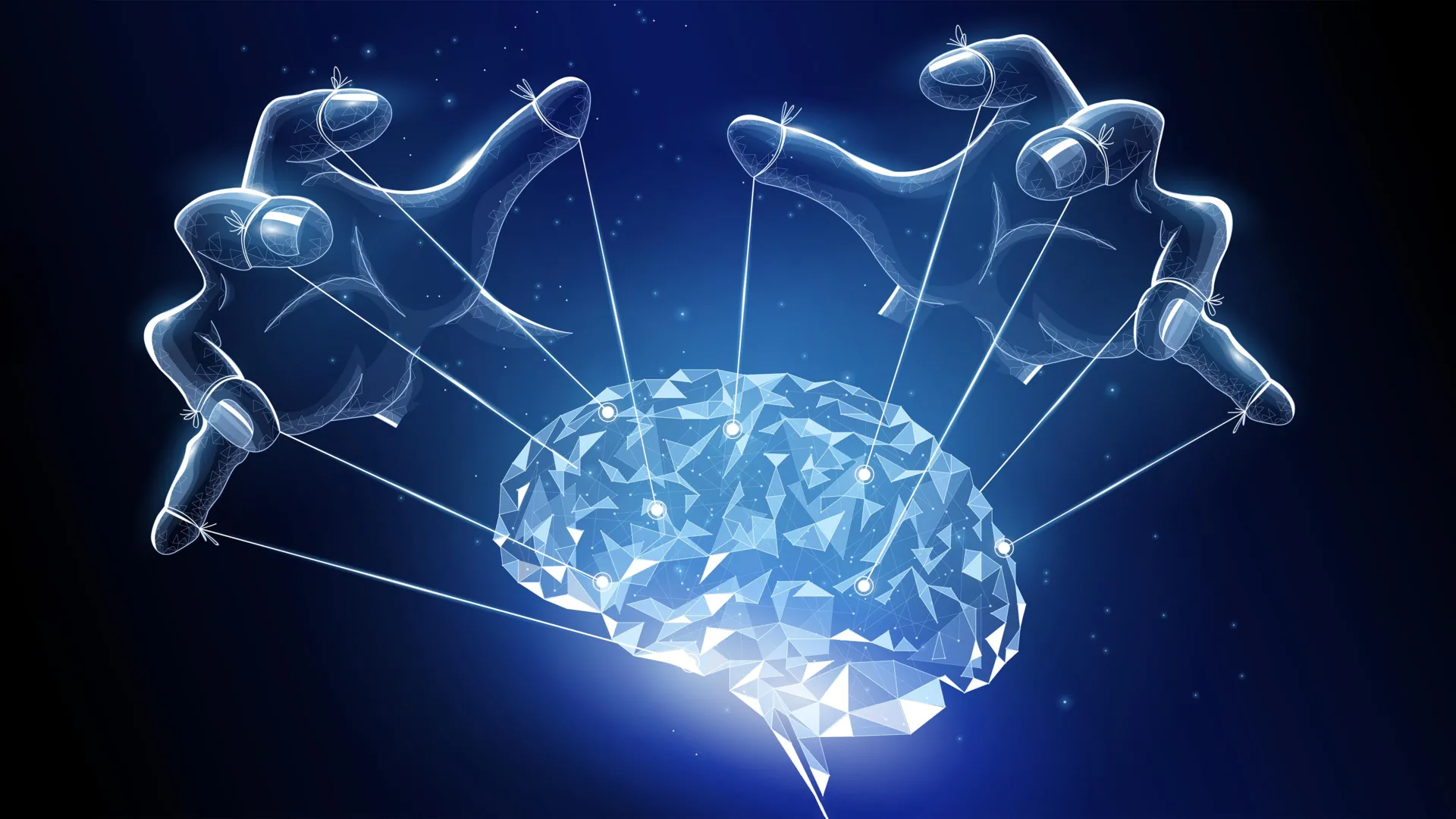
Yet, to leap from these neurological mechanics to the absolute denial of free will is to commit a category error. The fact that the process of decision-making is automated does not invalidate the substance of the decision.
Consider an analogy: a master chef and an amateur cook both use the exact same mechanical process to chop vegetables—holding a knife, applying downward force, cutting through cellular walls. The biomechanics of the knife stroke are identical. Yet, the resulting meal produced by the master chef is vastly superior because of the quality, history, and curation of the ingredients being processed.
Similarly, while the brain’s neural "loading bar" operates via a universal accumulation mechanism for both free and forced choices, what the brain is accumulating differs fundamentally.
- In a forced choice, the evidence being gathered is purely external: Is that the only balloon? Yes. Press button.
- In a free choice, the evidence being gathered is deeply internal, synthesized from a lifetime of unique inputs: your personal history, your sensory memories, your cultural background, your current metabolic state, and your long-term aspirations.
Two different individuals can undergo the exact same neurological accumulation process, reaching a decision threshold at the exact same speed, and yet arrive at completely different conclusions for entirely unique reasons. The machinery is universal; the inputs are profoundly individualized.
Therefore, neuroscientists suggest we should shift our philosophical framing. Instead of asking the unanswerable question of whether our choices are "truly free" in a metaphysical vacuum, we should ask what it genuinely means for a choice to belong to you.
Official Statements and Expert Perspectives
The publication in Imaging Neuroscience has sparked vibrant discourse across the global neuroscience and cognitive science communities. Leading researchers emphasize that these findings bridge a long-standing gap between decision theory and neurobiology.
Dr. Elena Rostova, a prominent cognitive neuroscientist unaffiliated with the study, noted the elegance of the experimental design:
"For years, we treated decision-making as a fragmented puzzle. We had one set of models for perceptual choices—like spotting a predator or reading a traffic light—and an entirely separate, almost mystical set of assumptions for aesthetic or preferential choices. What this study demonstrates is that the core algorithm of the brain is remarkably parsimonious. It uses the same engine to evaluate a forced constraint as it does to weigh a deeply personal preference."
Meanwhile, lead authors of the research emphasize that the study should not be weaponized to strip humanity of its agency. In a joint statement accompanying the release of the paper, the research team highlighted the importance of subjective context:
"People often fear that neuroscientific discoveries about automatic brain signals rob them of their humanity. But recognizing that your brain uses an evidence-accumulation mechanism doesn’t make your choices any less meaningful. Your preferences are the weight on the scales. The fact that your brain executes the decision efficiently does not mean you didn’t choose it—it simply reveals the remarkable elegance of how your identity is translated into action."
Philosophers of mind have also weighed in, noting that the research aligns well with compatibilist views of free will—the idea that determinism or automatic biological processes can coexist with meaningful moral and personal responsibility. If the self is defined as the sum total of one’s memories, desires, and neurochemical makeup, then a decision generated by that self—even via an automated neural loading bar—is as authentic as agency gets.
Future Outlook: Where Do We Go From Here?
As neuroimaging technology grows increasingly sophisticated, the implications of this research extend far beyond academic debates in philosophy and cognitive science. Understanding the universal mechanics of decision formation opens up exciting new frontiers across multiple applied disciplines.
1. Clinical Psychiatry and Addiction Medicine
Many psychiatric conditions—ranging from severe obsessive-compulsive disorder (OCD) and addiction to major depression—are characterized by pathological impairments in decision-making. Patients often find themselves trapped in loops of forced, maladaptive behaviors or paralyzed by endless, agonizing free choices.
By mapping how the brain accumulates evidence in real-time, researchers hope to develop targeted neuromodulation therapies (such as transcranial magnetic stimulation) that can recalibrate a sluggish or hyper-reactive decision threshold. If clinicians can understand precisely how an addicted brain weighs immediate environmental cues against long-term goals, new interventions can be designed to help patients restore balanced cognitive control.
2. Artificial Intelligence and Neuromorphic Computing
Computer scientists building artificial general intelligence (AGI) and autonomous robotics have long struggled to replicate human-like decision-making. Traditional AI algorithms rely on rigid decision trees or exhaustive cost-benefit calculations that require massive computational power.
By reverse-engineering the brain’s stochastic evidence-accumulation model—which balances speed, noise, and internal preference—engineers can develop neuromorphic hardware capable of making nuanced, context-aware choices under conditions of uncertainty. This could lead to more adaptive autonomous systems, from self-driving cars that navigate unexpected road hazards with human-like intuition to AI assistants that learn and respect individual user preferences without requiring explicit programming.
3. Consumer Behavior and Public Policy
On a societal level, understanding that the brain relies on a predictable evidence-accumulation mechanism sheds light on how human beings are influenced by their environments. Marketing agencies, urban planners, and public health officials have long known that subtle tweaks to choice architecture can dramatically alter human behavior.
When options are presented clearly, the brain’s internal "loading bar" reaches its threshold faster. Knowing that the brain treats free and forced choices through similar underlying dynamics emphasizes the power of design: by curating the choices available in a given environment, institutions can gently guide human decision-making toward healthier, safer, or more sustainable outcomes without infringing upon conscious agency.
Conclusion
The next time you find yourself standing in line at your local bakery—staring down the glass display case, debating between a decadent chocolate croissant and a light, flaky fruit tart—pause for a moment to appreciate the staggering complexity humming inside your skull.
While your conscious mind feels like the undisputed captain of the ship, calmly weighing the philosophical and gustatory merits of pastry, your neurons are hard at work beneath the surface. They are gathering sensory evidence, integrating your lifelong history of preferences, factoring in your current metabolic hunger, and pushing a biological loading bar toward a definitive threshold.
And when the final choice is made, and you point to your pastry of choice, take comfort in the science: your decision happened a little faster, and through a far more unified neurological mechanism, than you ever realized. Far from diminishing who you are, this shared neural machinery is the very engine of human experience—translating the chaotic, beautiful sum of your life’s memories into a single, decisive bite.
