

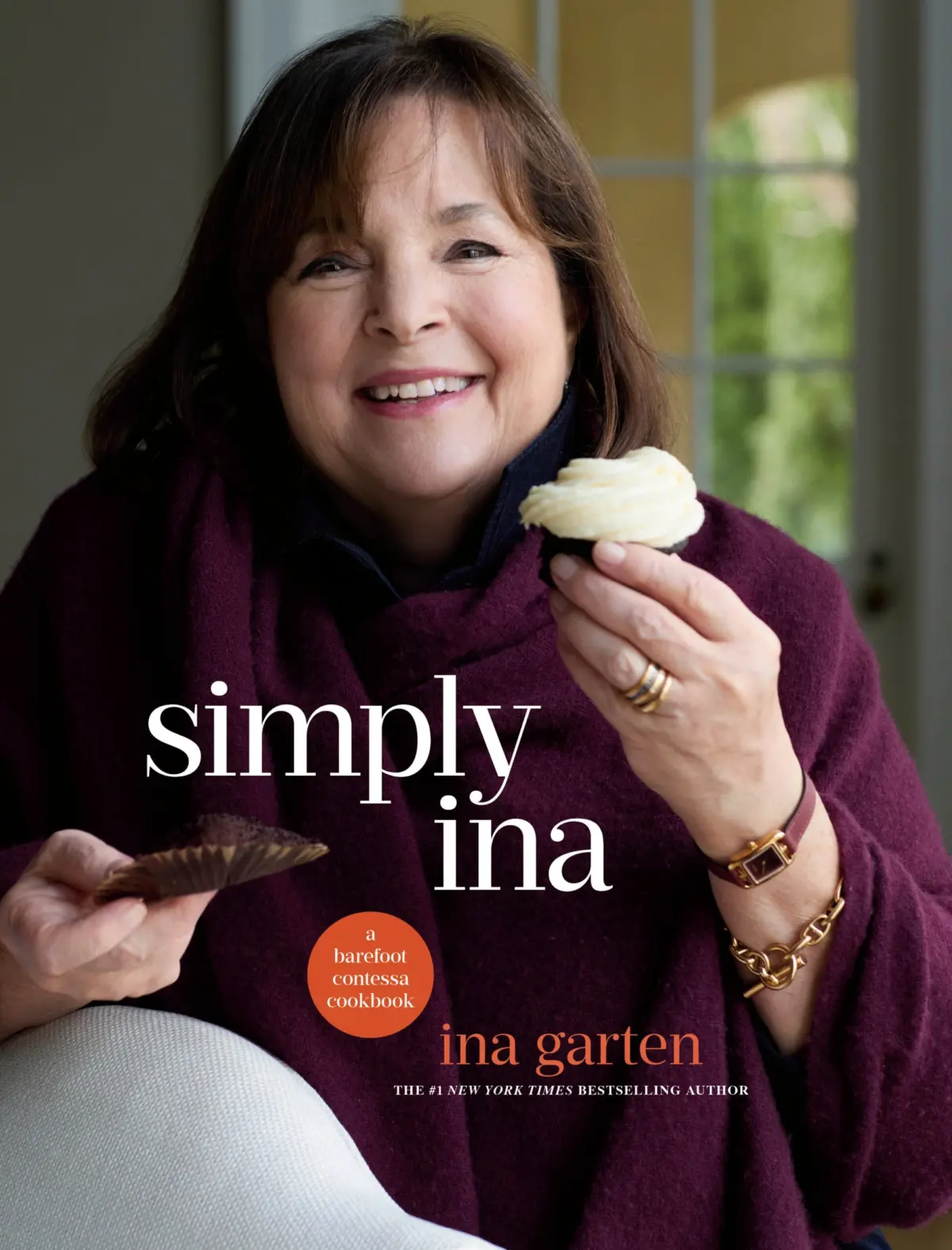
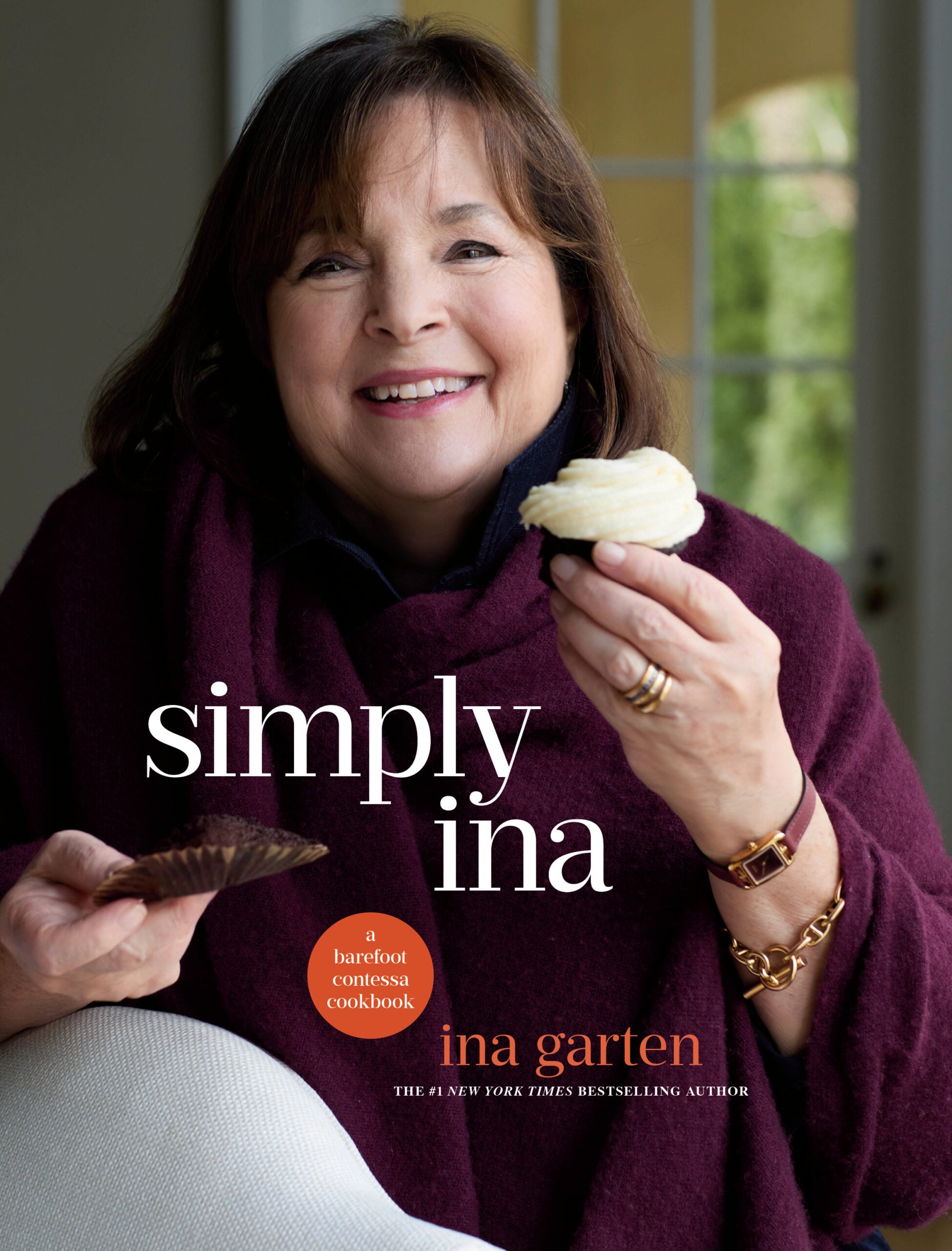
In the upper echelon of modern culinary icons, few figures command the enduring cultural reverence, trust, and affection of Ina Garten. Known globally as "The Barefoot Contessa," Garten has spent decades demystifying the art of home cooking without ever compromising on elegance, flavor, or joy. To mark the release of her landmark 14th cookbook, Simply Ina, food writer and cookbook author Casey Elsass sat down with Garten for an exclusive, wide-ranging retrospective and forward-looking interview.
What emerged from their hour-long conversation was not merely a discussion about efficient ingredient sourcing or cookbook metrics, but a profound masterclass in culinary philosophy. Garten—ever candid, deeply pragmatic, and refreshingly unpretentious—addressed the evolution of home cooking, her embrace of high-quality convenience products (including a legendary revelation about Trader Joe’s), her transition into podcasting with Happy Hour, and the unchanging core tenets of hospitality that continue to anchor her remarkable career. This report offers a comprehensive examination of Garten’s latest professional chapter, dissecting the philosophy behind Simply Ina and exploring how the queen of comfort food maintains her singular cultural relevance in a rapidly shifting media landscape.
Detailed Chronology: From Bold Ask to Zoom Screen
The genesis of this interview is, in its own right, a testament to the power of seizing professional opportunities. When news broke that Garten was preparing to launch Simply Ina in October, Elsass recognized a rare window to secure an audience with his long-time idol. Leaning into the classic Wayne Gretzky-meets-Michael Scott aphorism—“You miss 100% of the shots you don’t take”—Elsass pitched the concept to the editorial team at Cup of Jo.

Through editorial coordination, the request transformed into reality. When Kaitlyn, an editor at the publication, called to confirm the logistical details, she noted with polite hesitation that the date and time were strictly unchangeable. Elsass’s immediate, unhesitating response—“Literally nothing could be more important. I will cancel everything!”—captures the collective sentiment of millions of home cooks worldwide who view Garten not just as a celebrity chef, but as a trusted kitchen mentor.
The Face-to-Face Encounter
Conducted over Zoom, the interview transcended the typical promotional Q&A. Characterized by mutual warmth and a shared propensity for hearty laughter—traits that Elsass’s colleagues famously attribute to him and that Garten projects effortlessly to millions of television and podcast viewers—the dialogue quickly shifted from starstruck pleasantries to deep, analytical explorations of modern cooking. Rather than focusing on complex, multi-step restaurant techniques, the conversation zeroed in on Garten’s central thesis for Simply Ina: how to achieve extraordinary culinary results without unnecessary labor.
Supporting Context & Metrics: The Evolution of Simply Ina
Reaching a 14th cookbook milestone is an extraordinary achievement in the modern publishing industry, where few authors maintain cultural dominance across decades. Yet, Garten shows no signs of creative fatigue. When asked what keeps her inspired to walk into her kitchen day after day, Garten pointed outward, emphasizing that culinary spark can be found anywhere in the world.

Global Inspiration and Local Adaptation
Garten’s creative process relies on translating high-end dining experiences into approachable formats for the home cook. During a recent trip to the South of France, she encountered a bourbon sour accented with chocolate liqueur and vanilla at a local restaurant. Recognizing it as one of the finest drinks she had ever tasted, she immediately reverse-engineered it upon returning home.
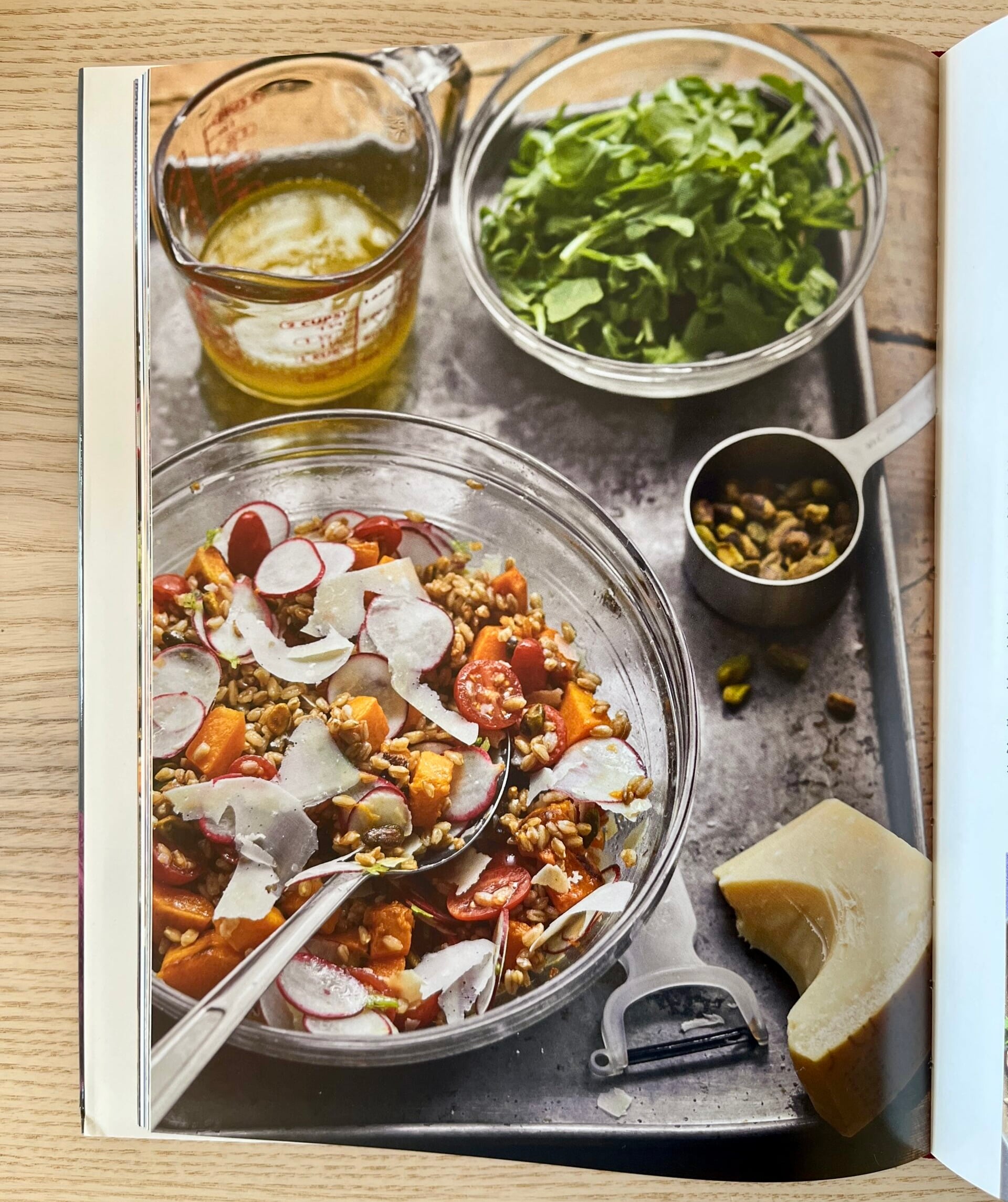
Similarly, her new book features an autumn-leaning adaptation of the famed farro salad from Charlie Bird in New York City. After consulting with chef Ryan Hardy regarding his seasonal rotations, Garten integrated butternut squash into the base, crafting a recipe that bridges upscale restaurant innovation with domestic feasibility.
The Anti-Complexity Revolution
The overarching philosophy of Simply Ina challenges the notion that more labor equals better food. Garten reflected on her own culinary evolution, openly questioning some of the arduous scratch-cooking methods she practiced twenty years ago.
"It’s not that my recipes have gotten simpler, it’s that I’ve found good substitutes for things," Garten explained.
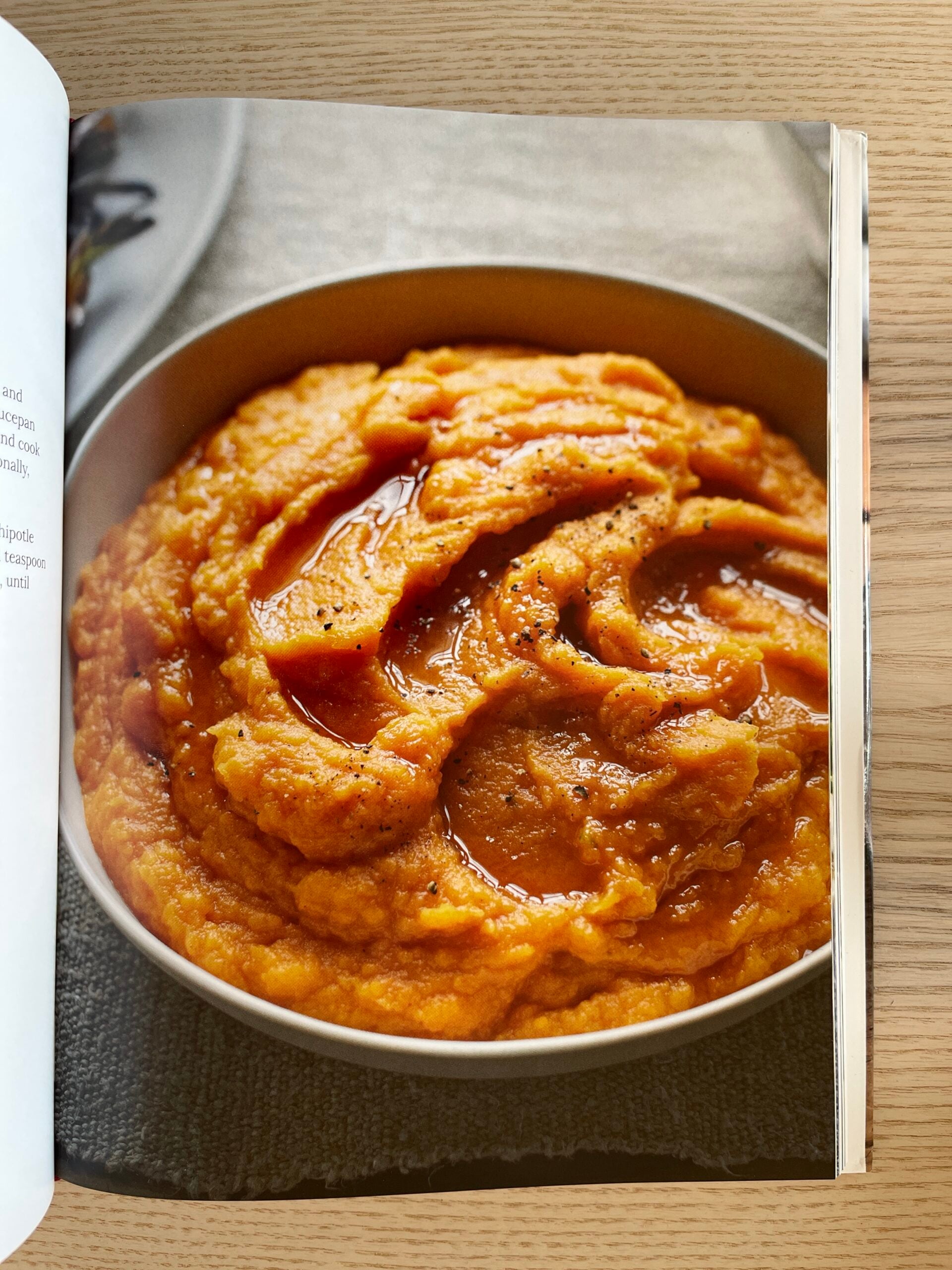
A prime example is her recipe for Chipotle Maple Mashed Sweet Potatoes. Rather than demanding that home cooks roast, peel, and mash raw sweet potatoes—a time-consuming endeavor—Garten discovered a high-quality prepared version at Trader Joe’s. By folding in chipotle powder, maple syrup, butter, salt, and pepper, she achieved a dish so seamlessly balanced that, as she jokes, "Nobody would ever know that I didn’t roast a sweet potato."
This pragmatic endorsement led to a lighthearted exchange regarding her first-ever trip to Trader Joe’s, where she purchased five prepared food items only to find the total bill came to a shocking $14.70. Her bewildered inquiry to the cashier—“No, no, no. I got five things, not just one”—and the cashier’s deadpan confirmation encapsulates the democratic appeal of modern grocery retail.
Official Statements & Culinary Philosophy
Garten’s methodology for recipe development is rigorous, methodical, and profoundly respectful of the home cook’s time and financial investment. Every recipe that makes it into her books undergoes up to 20 rounds of testing.
The Rule of Three and Ingredient Economy
During the interview, Garten articulated her strict parameters for flavor profiles:
- The Sweet Potato Benchmark: When evaluating an ingredient, Garten asks herself how to make it taste more like itself. Seasoning highlights inherent traits; butter adds unctuous richness; targeted spices provide structural balance.
- The Flavor Ceiling: Garten maintains a strict psychological limit on complexity. "If there are more than three flavors in a recipe, it gives me a headache."
- The Ingredient Cost-Benefit Analysis: Before an ingredient earns its place on the page, Garten evaluates its practical utility. She asks: Can you really taste that ingredient? Is it worth somebody getting into their car, going to the grocery store, buying the ingredient, bringing it home, and having what’s left of it sit on their shelf?
"I really want people to cook," Garten emphasized. "Because when you cook, everybody shows up and you create a community around yourself. And I think the simpler the recipe, the more likely you are to make it."
Expanding into Audio: The Happy Hour Podcast
Beyond the printed page, Garten has successfully expanded her media footprint into audio broadcasting with her podcast, Happy Hour. Interviewing fellow culinary and creative luminaries—such as Alison Roman and financial author Michael Lewis—has allowed Garten to exercise a different set of conversational muscles.
Drawing parallels between hosting a dinner party and conducting a podcast interview, Garten highlighted the importance of active listening and creating immediate psychological safety. She recounted her experience interviewing Alison Roman, noting how a simple, welcoming hug immediately melted away pre-interview nerves. For Garten, human connection remains the ultimate catalyst, whether across a dinner table, a television set, or a microphone.
Future Outlook: Tradition, Evolution, and Cultural Permanence
While restaurant culture experiences perpetual shifts driven by culinary trends, molecular gastronomy, and global fusion, Garten observes that domestic food culture remains steadfastly grounded.

What Home Cooks Really Want
"Food culture has evolved in restaurants, but I’m not sure it’s changed so much at home," Garten noted. "People want very simple food at home. They want roast chicken, roast carrots, coconut cupcakes."
However, maintaining a singular point of view does not preclude subtle evolution. Garten acknowledges that her palate has matured over the decades. She now incorporates ingredients like truffle butter—which elevates a simple egg salad into a sophisticated culinary experience—to inject deeper dimension into classic dishes, noting that some of her earliest recipes simply lacked the flavor depth she demands today.
The Lightning Round: A Glimpse into the Icon’s Preferences
To conclude the interview, Elsass subjected Garten to a rapid-fire sequence of personal favorites, offering fans an intimate look at the woman behind the apron:
- Favorite Fast Food: In-N-Out Double-Double Animal Style burger (notably, Julia Child’s classic order).
- Favorite Ice Cream: Häagen-Dazs Vanilla Bean ("Anybody who makes vanilla ice cream for themselves is crazy because theirs is so good.")
- Indispensable Ingredient: High-end beurre de baratte butter topped with flaked sea salt for both flavor and crunch.
- Culinary Anathema: Cilantro ("I can’t understand why anybody eats it.")
- Cooking Soundtrack: Pink Martini.
- Most-Used Emojis: The red heart and the sideways laughing face.
- Comfort Movie: Nancy Meyers’ Something’s Gotta Give.
- Dream Teleportation Destination for Dinner: Le Voltaire in Paris, followed by a quiet, evening walk through Parisian streets.
Conclusion
As Simply Ina takes its place on bookshelves worldwide, this interview serves as a timely reminder of why Ina Garten remains an unmatched force in American food culture. By stripping away intimidation, honoring the value of the home cook’s time, and insisting that food should be both delicious and deeply joyful, Garten continues to build community one simple, perfectly tested recipe at a time.