


In an era characterized by hyper-accelerated digital connectivity and geographical dispersion, the fundamental architecture of human relationships continues to evolve. While modern communication technology bridges vast distances through instant messaging, video conferencing, and virtual spaces, the profound psychological imperative for physical proximity and shared domestic rituals remains irreplaceable. This comprehensive weekend chronicle examines a familiar modern phenomenon: the intersection of family reunification, multi-generational bonding, and the intentional curation of slow living within an urban environment.
Documented over a late-autumn weekend in San Francisco, this observation captures a microcosm of contemporary family life. Featuring visits from extended family members—specifically a father and a cousin—the narrative highlights the subtle expressions of care, acts of service, and playful absurdity that define enduring familial ties. Furthermore, the weekend unfolded against a backdrop of notable civic and cultural events, including Halloween festivities, local sports milestones, and the quiet rhythms of domestic leisure. By analyzing these seemingly ordinary weekend occurrences through a sociological and lifestyle lens, this report explores how intentional gathering serves as a vital counterbalance to the geographic isolation experienced by millions of modern families living across states and continents.
Detailed Chronology: A Weekend of Connection, Culture, and Domestic Rhythms
Friday: Arrival, Acts of Service, and Virtual Game Nights
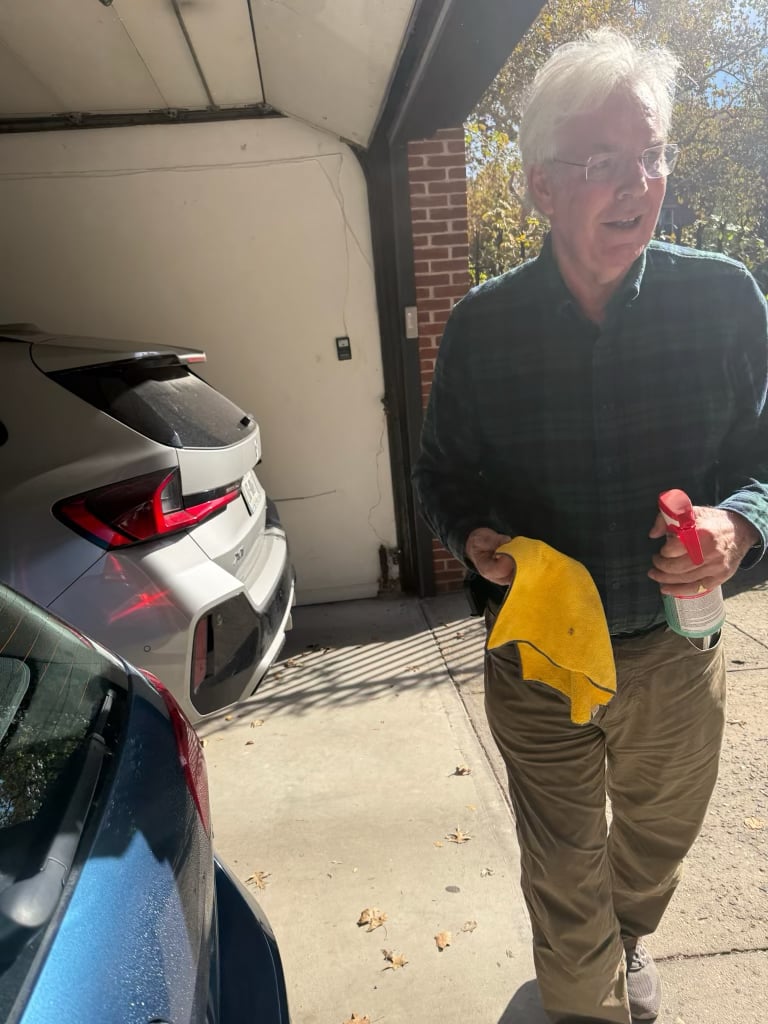
The weekend’s proceedings commenced mid-week with the arrival of two long-awaited visitors: Joanna Goddard’s father and cousin, Jimmy. True to an established pattern of familial care, the household patriarch manifested his affection through a hyper-specific act of service: meticulously washing and waxing the family automobile shortly after arrival. Psychologists and sociologists frequently note that acts of service often supersede verbal affirmations within family dynamics, serving as a tangible, enduring manifestation of love and protection.
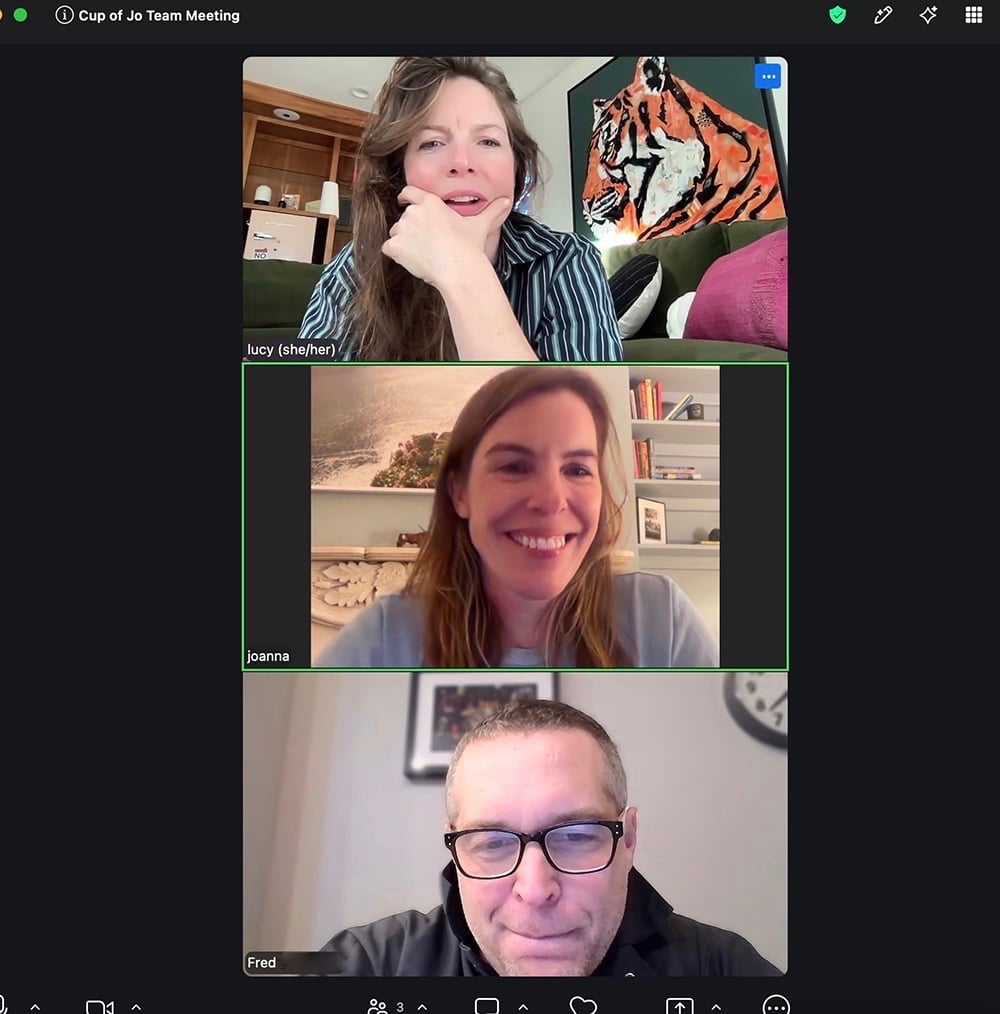
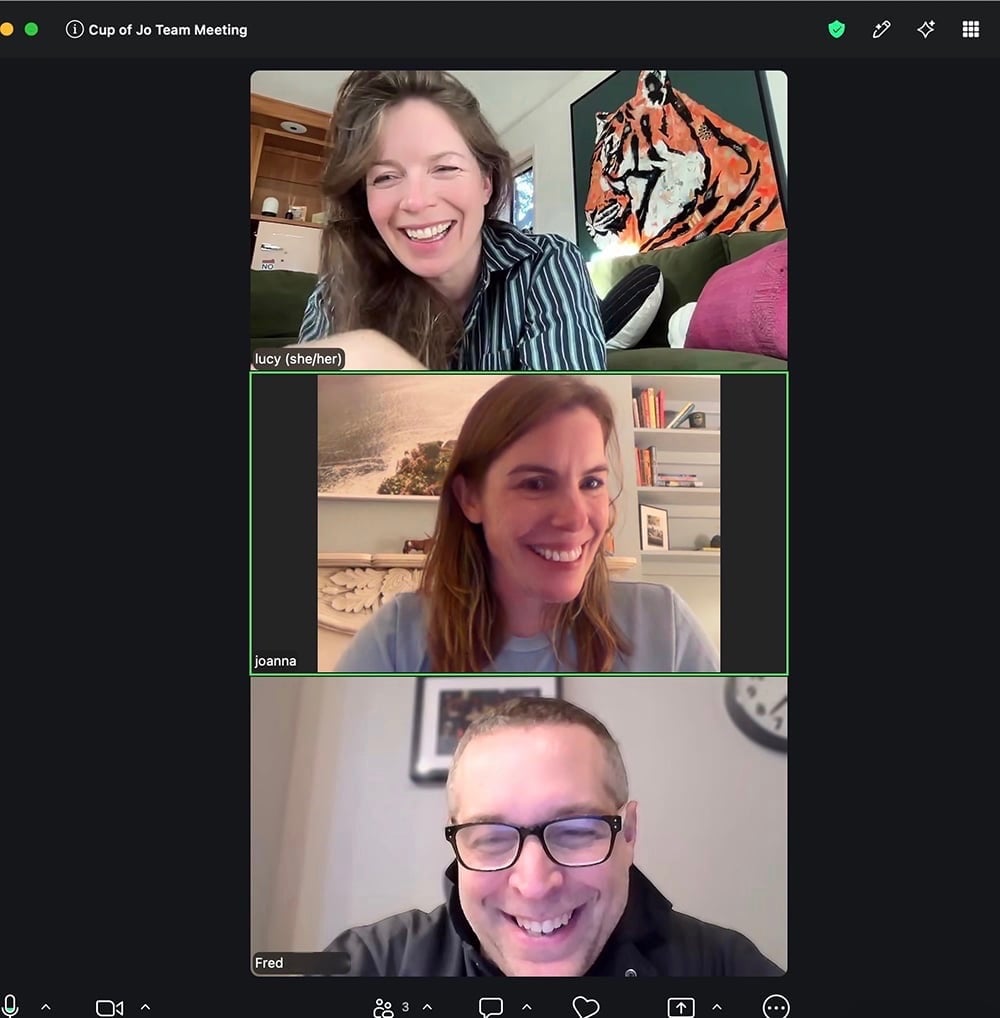
As Friday evening descended, the household transitioned from physical labor to digital-physical hybrid leisure. Engaging in a cross-country game night, the family—comprising Goddard, her father, her boyfriend Freddie, and her sister Lucy residing elsewhere—convened via Zoom and the popular online deduction game Codenames. The session yielded lighthearted amusement, punctuated by the father’s inadvertent comedic timing when attempting to fuse two distinct clues into a single, non-existent portmanteau—such as the memorable coinage “visionfree.” This moment underscored the unique capability of collaborative digital gaming to shrink geographical divides, offering low-stakes, high-laughter engagement for families separated by distance.
Saturday: Neighborhood Explorations, Halloween Spectacles, and Civic Triumphs
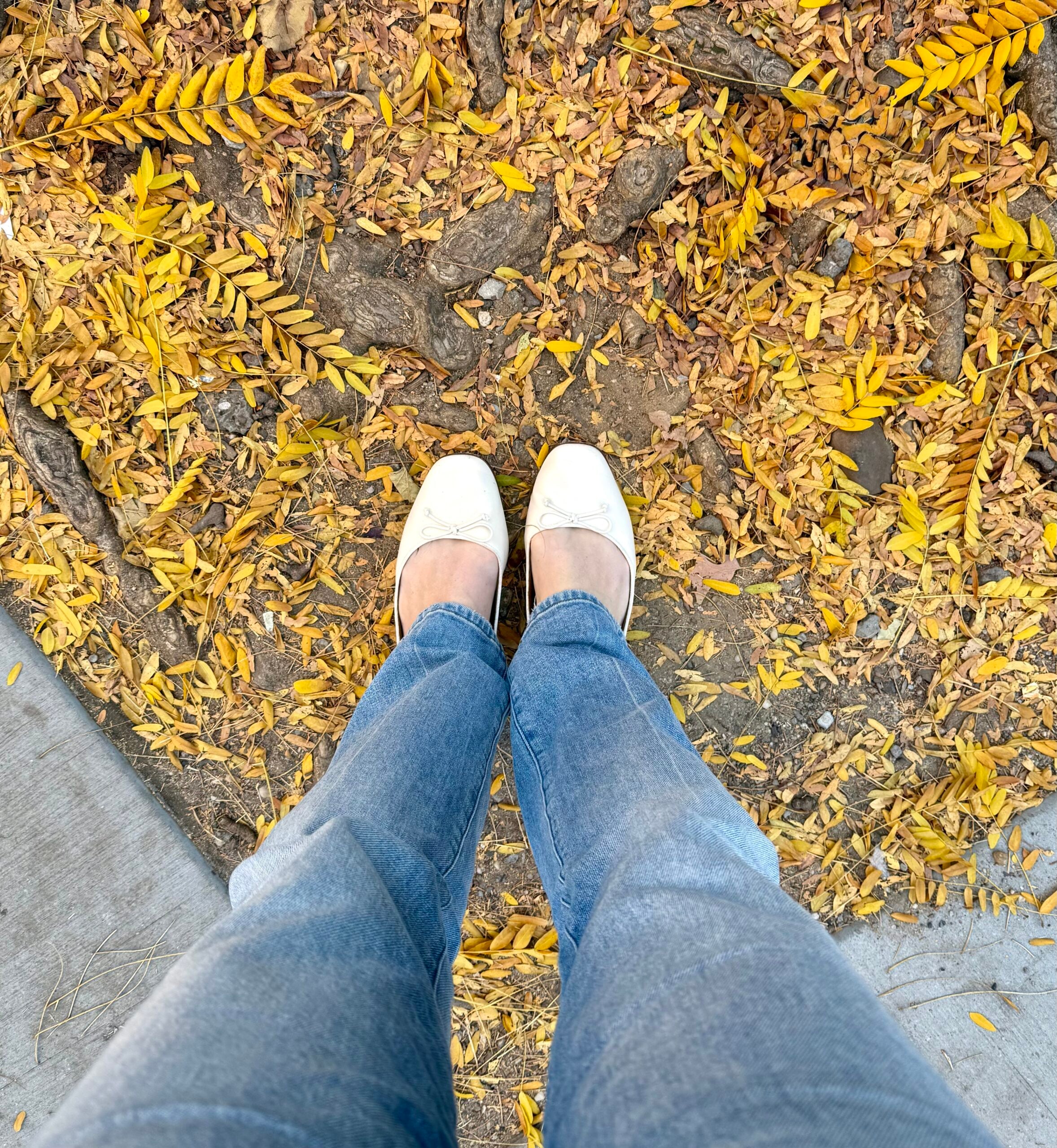
Saturday morning introduced a slower, more deliberate pace, marked by a prolonged neighborhood stroll. Amidst the crisp autumn air, everyday functional fashion took center stage, drawing public commentary regarding footwear choices—specifically, cushioned white ballet flats designed by Madewell, which successfully merge aesthetic polish with the ergonomic comfort of athletic footwear for urban pedestrianism.
As afternoon gave way to evening, the neighborhood transformed into a vibrant corridor of Halloween celebration. Trick-or-treating festivities brought out a diverse array of community creativity. Standout costumes included a meticulously crafted, do-it-yourself miniature carnival carousel created by a family friend’s daughter, alongside a nostalgic and highly specific homage to the iconic bathroom murder scene from Alfred Hitchcock’s 1960 cinematic masterpiece, Psycho.
Coinciding with the Halloween revelry, the city of San Francisco experienced a major athletic milestone: the local WNBA franchise, the Valkyries, secured the championship title on Saturday evening. The historic victory electrified local sports enthusiasts, adding an undercurrent of civic pride and celebratory fervor to the weekend’s neighborhood festivities.
Sunday: Restorative Slowness, Inventive Play, and Reflection
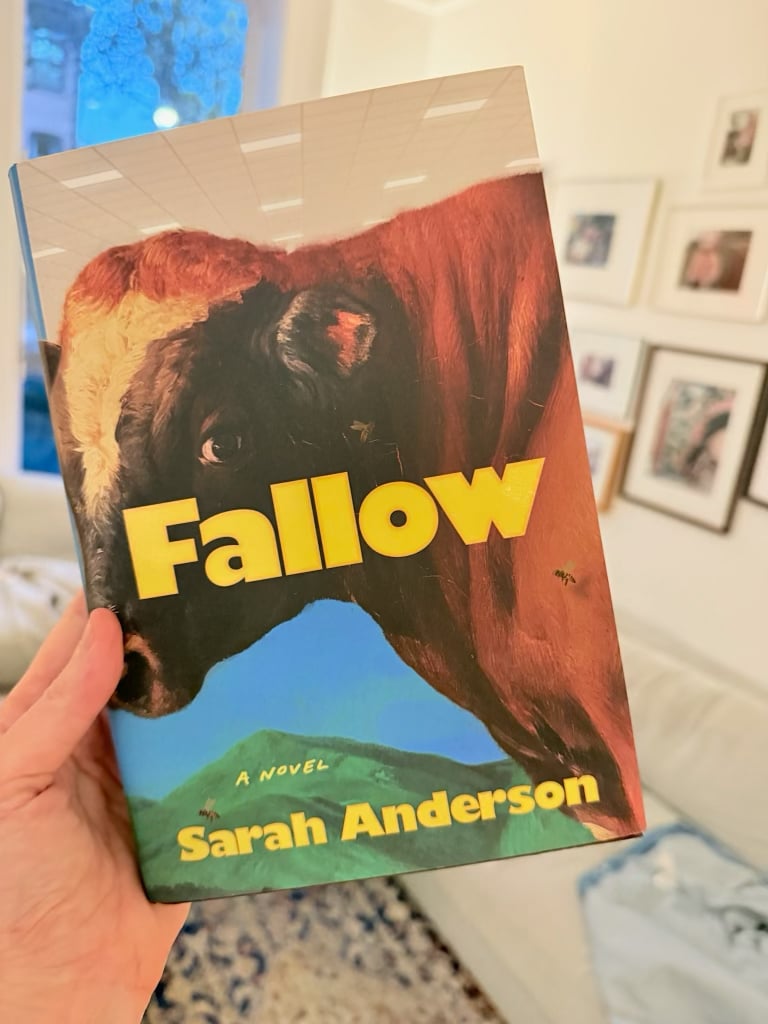
Sunday morning embraced the restorative philosophy of the day of rest, featuring an unhurried morning and a quiet domestic landscape. The household engaged in parallel leisure: Goddard and her father curled up on the living room sofa to read, with the former diving into Sarah Anderson’s compelling novel Fallow.
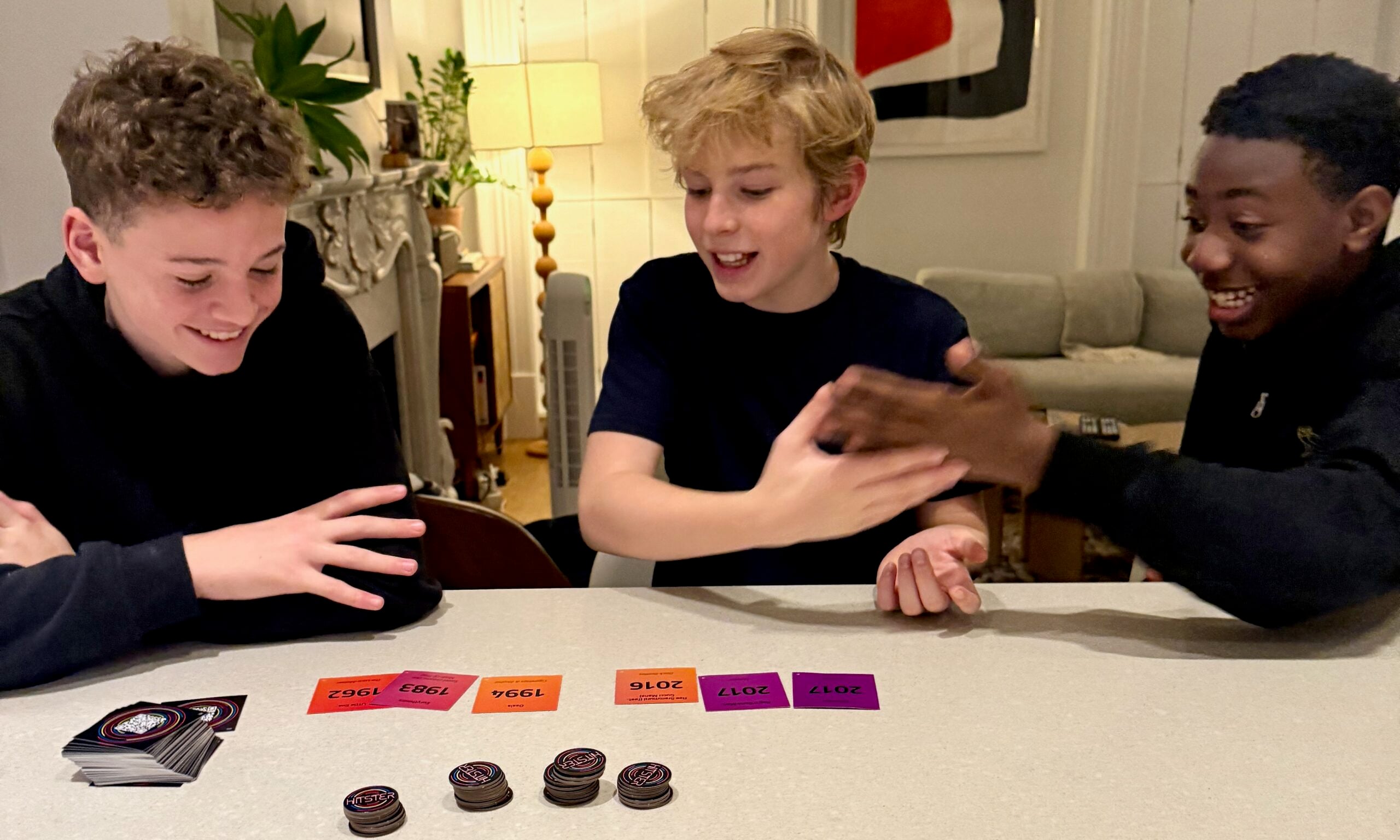
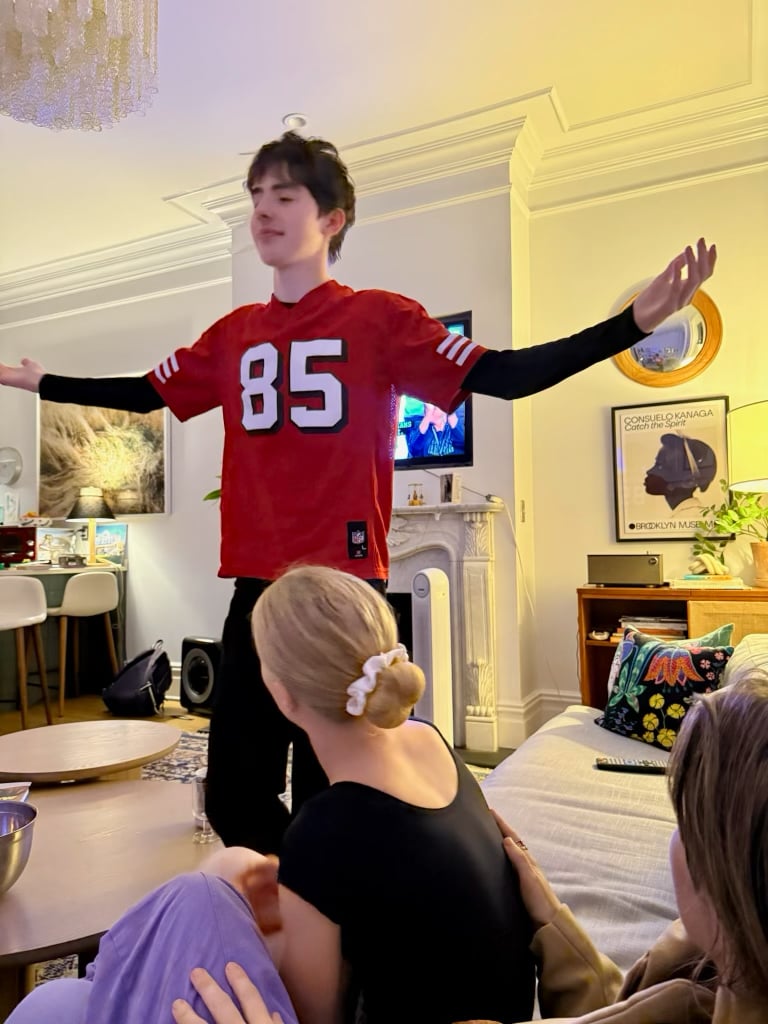
Meanwhile, younger family dynamics unfolded in the living room through spontaneous, imaginative play. Cousin Jimmy and young Anton invented an elaborate sequence of unstructured games. In one notable vignette, the pair collaborated on an experiment involving a Swiss cheese-textured squishy toy thrown toward the ceiling. One participant lay underneath with closed eyes, placing absolute trust in the other to intercept the falling object—a charming miniature display of interpersonal trust and youthful camaraderie captured by the phrase, "Trust me, Jimmy."
Supporting Context & Metrics: The Sociology of Long-Distance Families
The challenges and emotional tolls of living at a geographic remove from immediate family members are well-documented in contemporary sociological research. According to demographic data regarding internal migration and workforce distribution, a significant majority of adults in developed economies live outside their hometowns or away from their extended families due to career opportunities, cost-of-living constraints, and educational pursuits.
| Metric / Category | Contextual Observation | Impact on Family Dynamics |
|---|---|---|
| Geographic Separation | Millions of families live across state lines or international borders. | Increases reliance on digital communication tools (Zoom, messaging). |
| Frequency of In-Person Visits | Average 2 to 4 visits per year for long-distance relatives. | Elevates the emotional significance of weekend gatherings. |
| Role of Acts of Service | Non-verbal care (e.g., car maintenance, cooking). | Strengthens intergenerational bonds without requiring verbal performance. |
| Digital Gaming Engagement | Co-op online platforms (Codenames, trivia, etc.). | Bridges cognitive focus across physical distances, reducing feelings of isolation. |
Research indicates that while digital touchpoints—such as video calls and messaging threads—prevent total estrangement, they cannot fully replicate the neurochemical benefits of physical presence, shared air space, and spontaneous tactile interaction. Consequently, when long-distance visits do occur, they function as high-value emotional investments. The psychological phenomenon of "hyper-specific love languages," wherein older relatives express affection through mundane domestic labor (such as car detailing or home repairs), acts as a bridge across generational and communicative divides, offering reassurance of safety and steadfast support.
Official Statements and Cultural Commentary
While traditional breaking news relies on press releases from corporate or governmental entities, lifestyle journalism captures the cultural sentiment of modern communities through shared human experience and domestic commentary.

Reflecting on the conclusion of the weekend, as relatives departed and the home returned to its baseline quiet, reflections turned toward the physical artifacts of connection within the home. Prominently displayed wall hangings, such as text-based pennants bearing sentiments like "It’s good you are here," encapsulate the emotional framework of modern hosting.
In a statement reflecting the broader sentiment of readers navigating long-distance family structures, community participants regularly echo the duality of modern familial love: the persistent ache of geographical separation balanced by the profound, concentrated joy of reunion. As observed in community dialogues surrounding weekend recaps, the intentional sharing of ordinary domestic routines serves to normalize the quiet triumphs and structural challenges of contemporary family life.
Future Outlook
Looking ahead, the evolving landscape of modern domesticity points toward an increased valuation of intentional, analog gatherings in an increasingly digitized world. As remote work flexibility continues to redefine how and where families choose to live, the traditional boundaries separating the workweek from the weekend, and local life from long-distance travel, will likely continue to blur.
Experts in family sociology predict several emerging trends for domestic life in the coming years:
- The Rise of the "Hybrid Reunion": Families will increasingly combine asynchronous digital touchpoints (such as online gaming and shared reading lists) with high-intensity, immersive physical visits to maximize emotional closeness despite logistical hurdles.
- Conscious Domestic Leisure: A deliberate return to analog, slow-living pastimes—such as physical book reading, neighborhood walking tours, and unstructured imaginative play for children—as an antidote to screen fatigue and hyper-paced urban living.
- Redefining Kinship Spaces: Homes will increasingly be designed with flexible guest accommodations and multi-generational functionality in mind, acknowledging that extended family visits are no longer relegated solely to major holidays, but are integrated into regular weekend cycles throughout the year.
Ultimately, the chronicle of a single autumn weekend in San Francisco serves as a reminder that amidst the grand scale of civic events, sports championships, and cultural shifts, the most enduring human anchor remains the simple act of gathering under one roof, sharing a laugh over a botched word game, and trusting one another to catch what falls.