

Executive Overview
As the holiday season approaches, the retail and lifestyle sectors experience a massive surge in curated gift guides designed to navigate the notoriously complex terrain of interpersonal gifting. Among the most anticipated seasonal releases is the annual curation from lifestyle authority Cup of Jo, which recently unveiled its premier gift guide tailored specifically for women and female friends. Moving far beyond traditional commercialism, this year’s release reflects a broader cultural shift: contemporary gifting is no longer defined by sheer extravagance or utilitarian utility, but rather by intimacy, shared experiences, social consciousness, and micro-luxuries that elevate everyday routines.
This comprehensive analysis examines the macroeconomic and cultural trends underpinning the 2026 holiday gifting season. By deconstructing the specific items highlighted in the latest curation—ranging from artisanal homewares and intimate apparel to purpose-driven philanthropic donations and experiential memories—this report provides an authoritative look at what modern consumers value most. Furthermore, it explores how direct-to-consumer (DTC) brands, digital affiliate ecosystems, and lifestyle publishers are reshaping the modern holiday shopping experience through hyper-personalized storytelling.

Detailed Chronology of the Trend: The Evolution of the Female Friendship Gift Guide
The transition of holiday gift guides from generic print magazine centerfolds to highly nuanced, digitally native editorial features has been gradual yet transformative. Over the past decade, digital lifestyle platforms have refined the art of peer-to-peer recommendation, turning curated shopping lists into trusted cultural touchstones.
The Shift Toward Intimate Micro-Luxuries
Historically, holiday guides targeting women fell into predictable, gendered categories: mass-market cosmetics, generic kitchen appliances, or impersonal gift cards. However, the mid-2010s marked a turning point driven by the rise of direct-to-consumer brands that prioritized aesthetic cohesion, sustainable sourcing, and emotional resonance.

By the early 2020s, global disruptions and shifting workplace dynamics reconfigured how individuals valued time and connection. Gifting friends—particularly female friends who often act as emotional anchors, co-parents, and confidantes—emerged as a vital cultural ritual. The 2026 curation captures the zenith of this evolution, focusing on items that signify deep personal knowledge of the recipient. Rather than gifting for status, modern consumers seek items that communicate presence, affection, and shared inside jokes.
Key Milestones in the 2026 Curation
The current shopping landscape is characterized by a deliberate blend of tactile comfort and emotional validation. The 2026 guide systematically maps out this ethos across several distinct categories:
- The Comfort-First Wardrobe: Highlighting versatile, tactile apparel like the trending $120 slip-off-the-shoulder cardigan available in eleven distinct colorways, designed for intimate gatherings or signaling closeness across geographical divides.
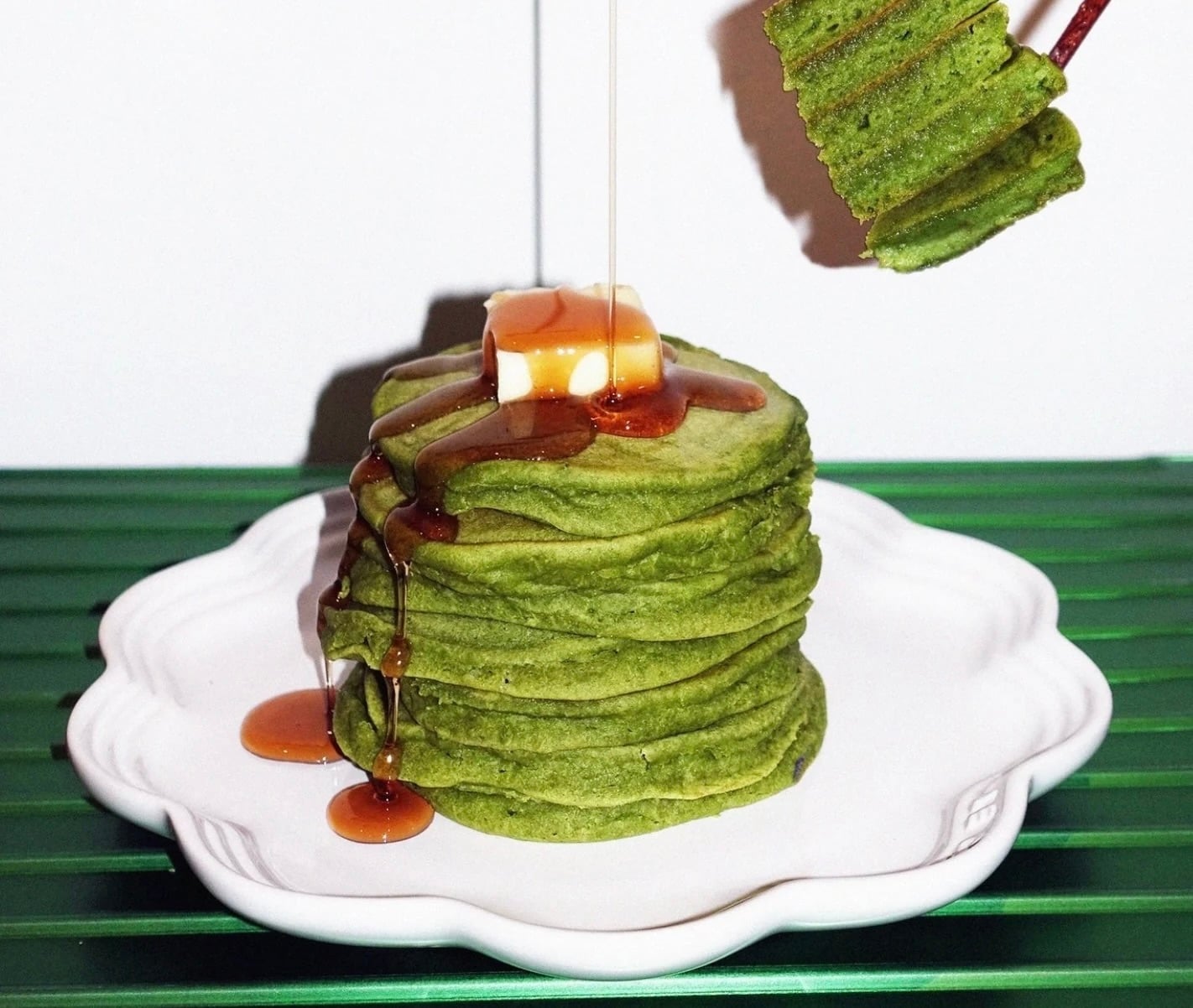
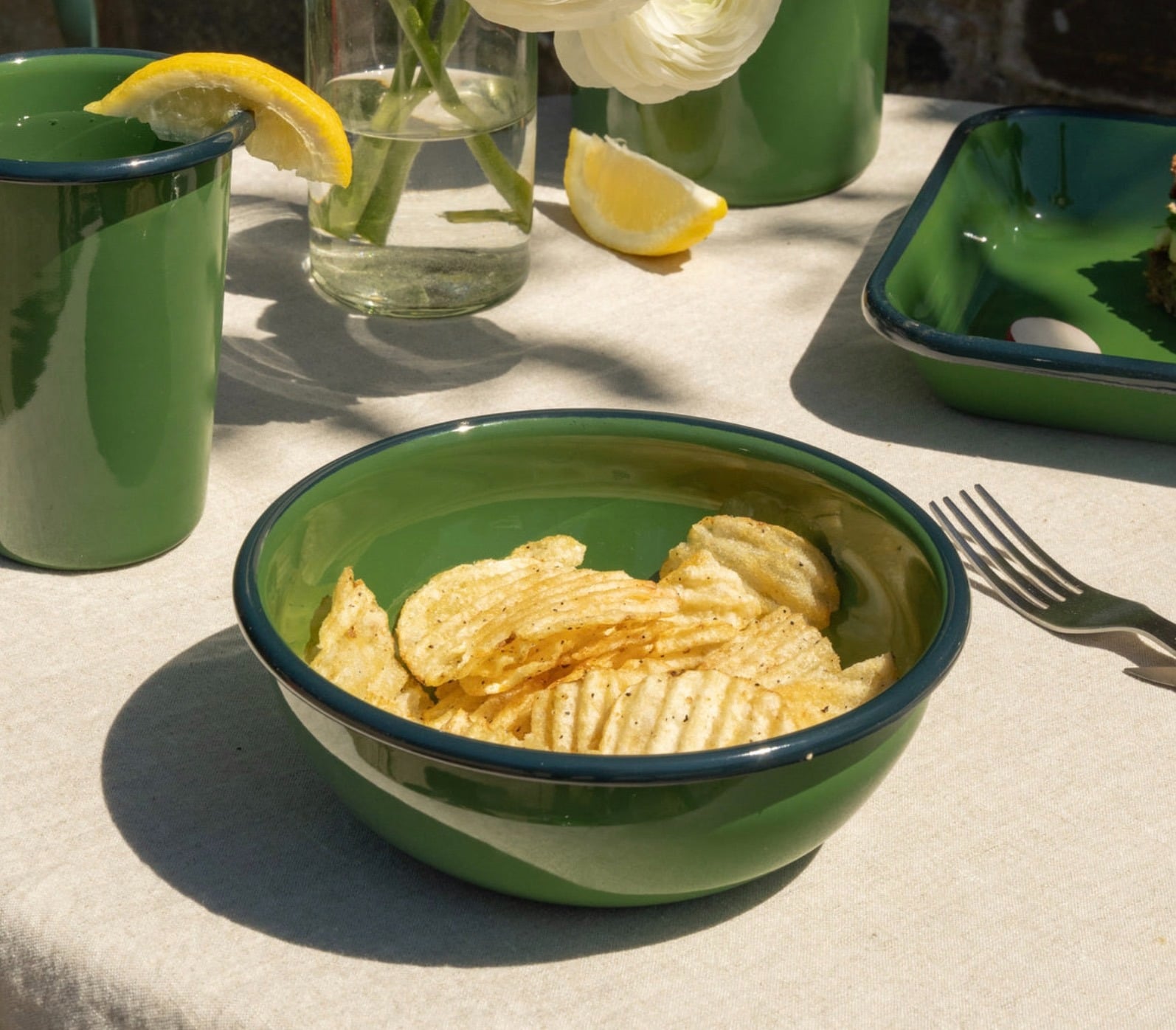
- Elevated Domesticity: Upgrading mundane household rituals, from artisanal mochi pancake mixes meant to delight teenagers on weekend mornings to handcrafted enamel serving bowls and scalloped ceramic vases.
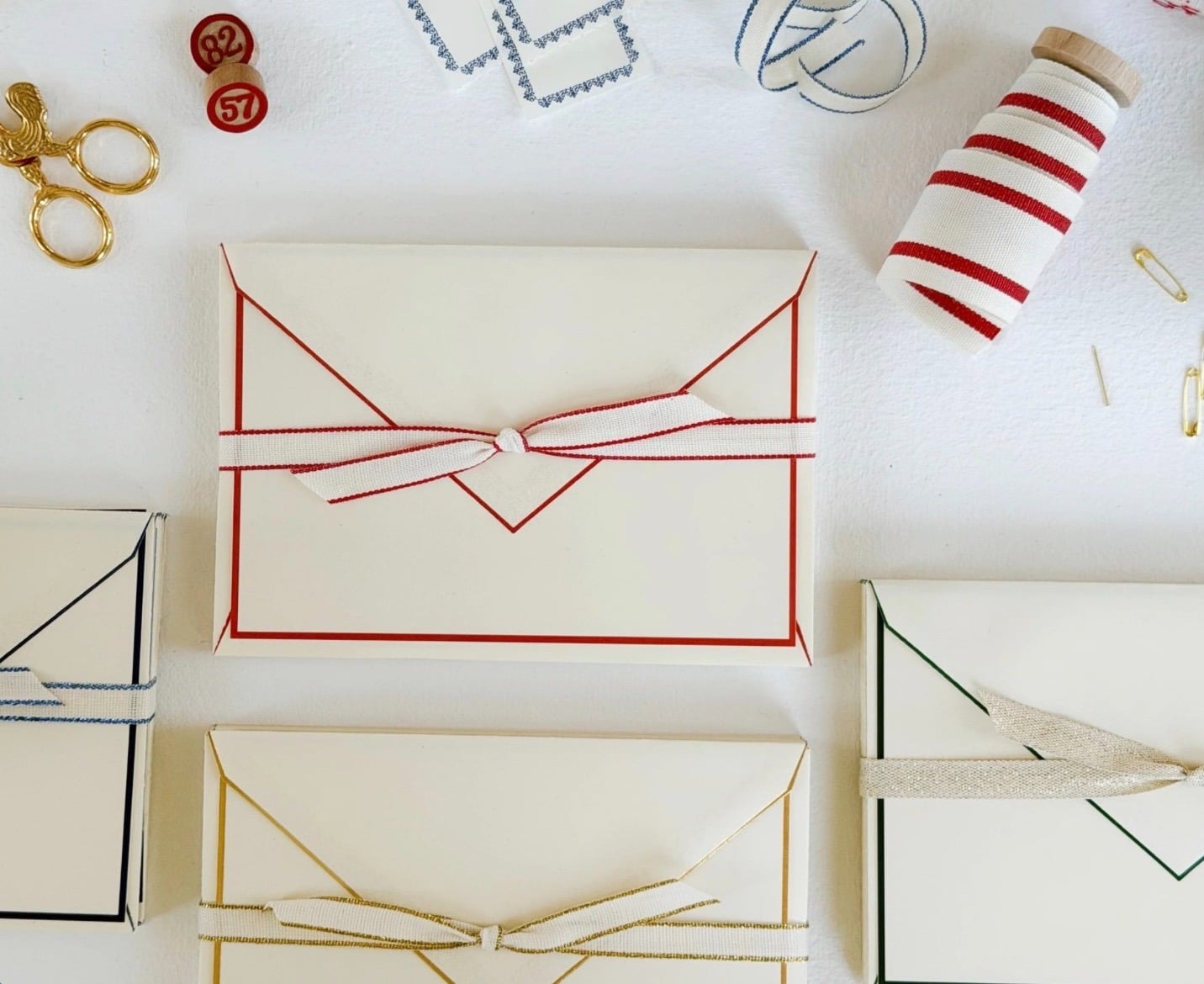
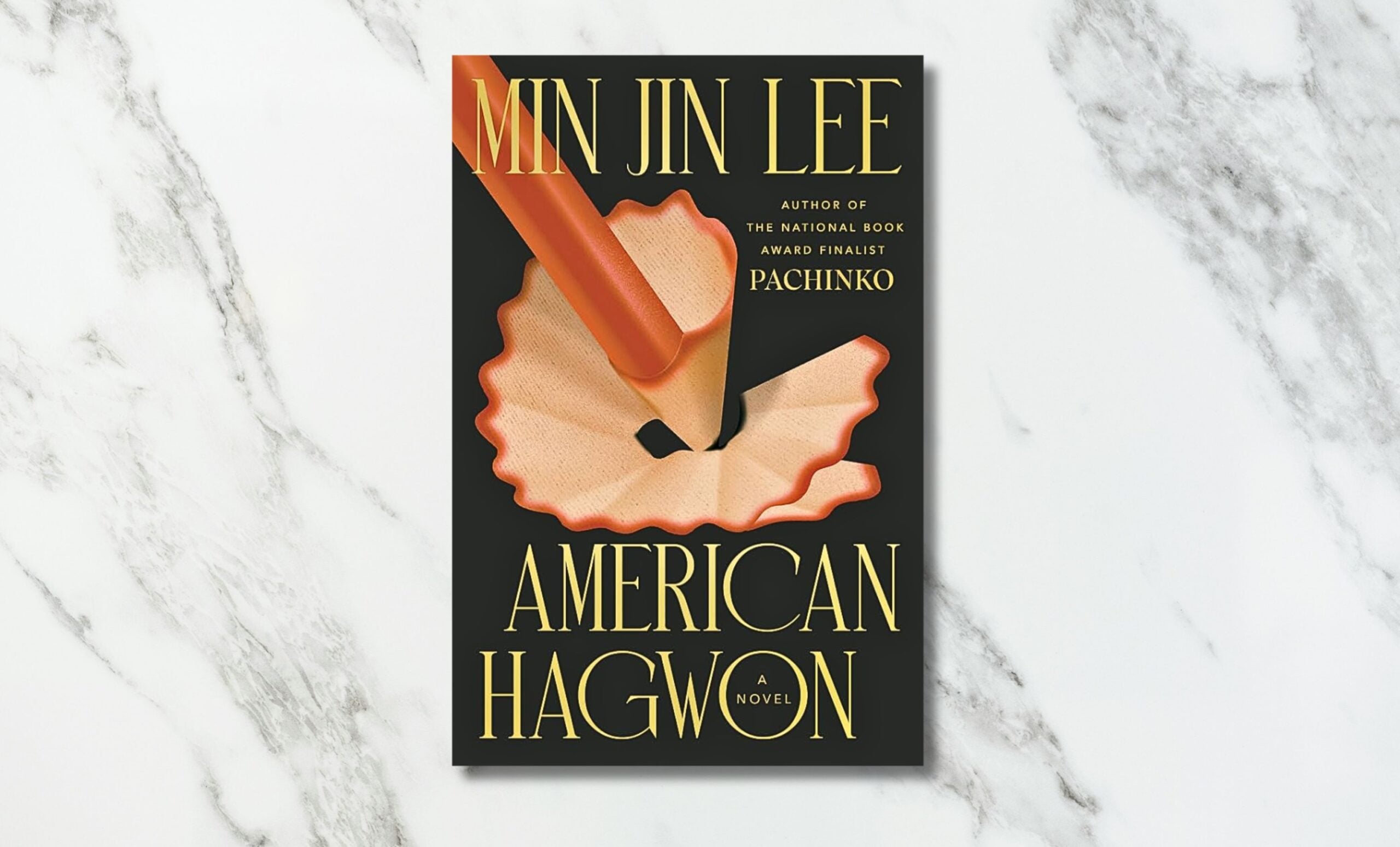
- Intellectual and Sensory Bonding: Encouraging shared experiences through synchronized book clubs, ambient household lighting, and classic Italian stationery paired with modern book embossers.
- Purpose-Driven Philanthropy: Cementing a growing preference among modern gift-givers to honor loved ones through meaningful charitable contributions, such as donations to the National Network of Abortion Funds.
Supporting Context & Metrics: The Economics of Modern Gifting
To fully understand the weight of these seasonal gift guides, one must examine the underlying economic structures driving contemporary e-commerce, affiliate marketing, and consumer psychology during the fourth-quarter retail surge.
The Rise of the Creator-Led Affiliate Economy
Digital lifestyle publications have increasingly integrated commerce into their editorial DNA through affiliate networks like ShopMy, RewardStyle, and specialized brand partnerships. According to recent retail analytics, fourth-quarter holiday spending driven by curated editorial recommendations accounts for a staggering percentage of annual DTC brand revenue.
Consumers increasingly prefer recommendations from trusted editorial voices rather than traditional algorithmic advertising. When a lifestyle publisher highlights a $36 pair of plush fleece-lined slippers or a $49 ambient light fixture, it functions as a trusted referral. This dynamic relies heavily on authenticity; readers respond to guides that explicitly state recommendations are based on genuine personal preference, even when affiliate commissions are involved.
Consumer Demographics and Spending Priorities in 2026
Economic indicators for late 2026 reveal a nuanced consumer mindset. While inflationary pressures have made shoppers more selective, spending on experiential gifts and high-utility micro-luxuries has remained remarkably resilient.
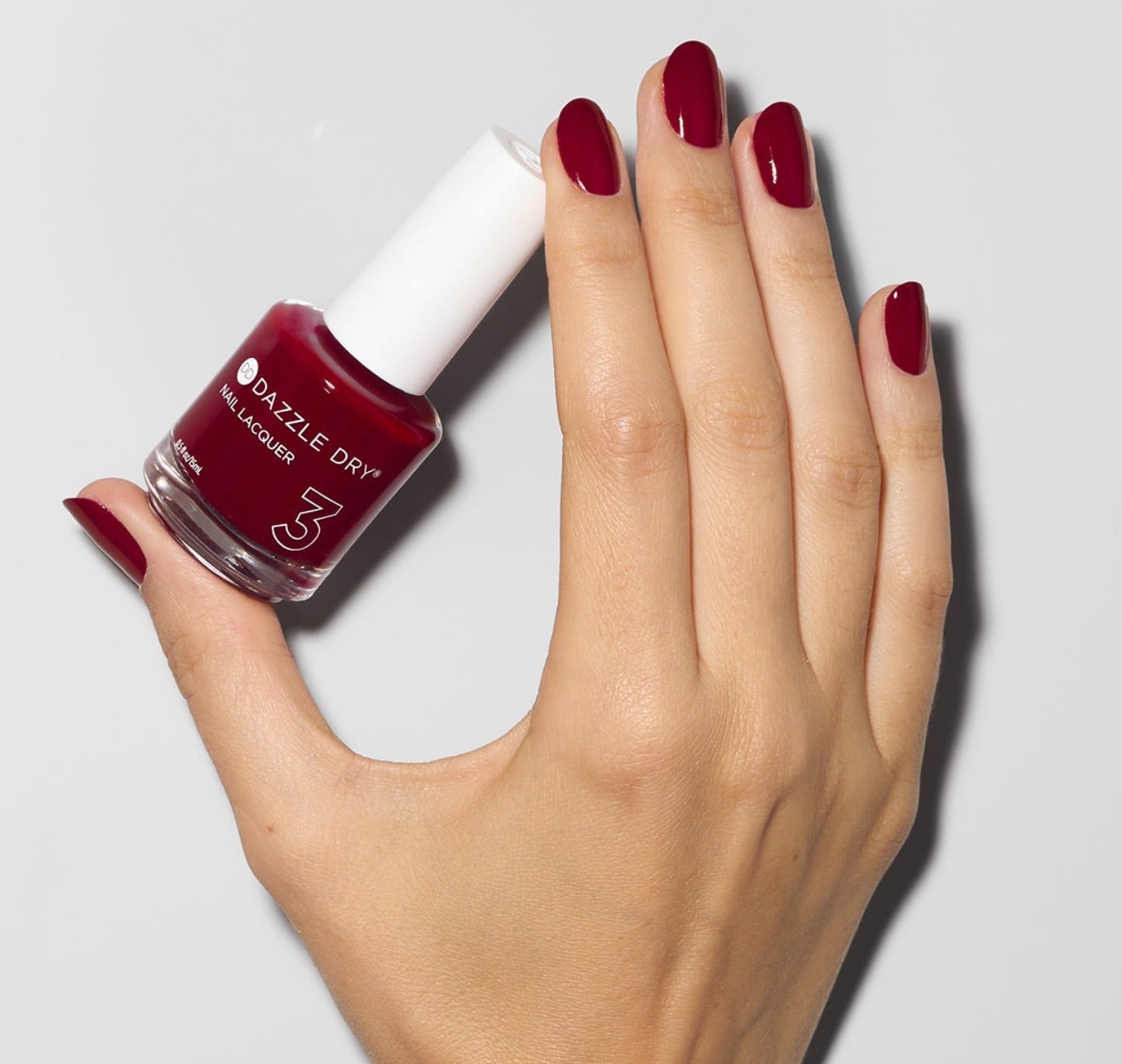
- Micro-Luxuries on a Budget: Items priced between $15 and $64—such as specialized baking mixes, high-end nail polishes, and custom stationery—satisfy the psychological desire for a treat without inducing financial strain.
- The Experience Economy: Surveys indicate that a significant demographic of women aged 25–54 prioritize time-based gifts—such as leisurely dinners or shared travel experiences—over physical possessions. The inclusion of a "long leisurely dinner" in the 2026 guide underscores this shift toward relational wealth.
- Ethical Consumerism: Modern buyers increasingly evaluate the ethical alignment of the brands they support. Philanthropic gifting models—allocating funds to reproductive rights organizations or community support networks—reflect a profound alignment of personal values with holiday traditions.
Official Statements and Industry Insights
Retail strategists, cultural commentators, and e-commerce founders have weighed heavily on the changing paradigms of holiday gifting.
Dr. Elena Vance, a professor of consumer psychology at the Institute for Retail Research, notes a distinct psychological shift in how gift guides are consumed:
"We are witnessing the death of the aspirational-only gift guide. Consumers no longer want to look at impossibly expensive, out-of-reach luxuries that bear no resemblance to their actual lives. Instead, they look for ‘attainable intimacy’—products that acknowledge the chaotic, beautiful reality of modern friendship, parenting, and career balancing. A $15 pancake mix or a shared book isn’t just a product; it’s a narrative about how we spend our Sundays."
Furthermore, representatives from emerging DTC home and apparel brands emphasize the importance of tactile storytelling in digital spaces. Sarah Lin, founder of an independent home-goods studio featured in seasonal curations, remarks:

"When someone buys a scalloped ceramic vase or a handmade barrel makeup case, they aren’t just buying porcelain or canvas. They are buying an atmosphere. In an increasingly digital world, people are starving for texture, warmth, and physical beauty in their immediate environments. Gift guides act as curators of that tactile comfort."
Future Outlook: Where the Gifting Industry is Heading
As we look beyond the 2026 holiday season, several clear trajectories are poised to redefine how curators approach gift-giving for women and female friends.
1. Hyper-Personalization and Modular Gifting
The future of e-commerce gifting lies in modularity—allowing consumers to build customized gift bundles seamlessly across different independent brands. The trend of assembling everyday beauty favorites into a curated cosmetic bag (highlighted in the latest guides) points toward a future where platforms utilize AI-driven curation to help users tailor exact preference kits for their closest friends.
2. The Blurring Lines Between Content and Commerce
Editorial platforms will continue to refine the integration of shopping links and native storytelling. As transparency remains paramount to maintaining reader trust, publications that clearly delineate sponsored relationships while maintaining rigorous editorial standards will capture the highest consumer loyalty.

3. Sustainability as a Baseline Expectation
Eco-conscious manufacturing, ethical labor practices, and charitable giving components are rapidly transitioning from unique selling propositions to mandatory baselines for brands featured in premier holiday roundups. Consumers increasingly expect their holiday purchases to reflect environmental and social responsibility, ensuring that future gift guides will lean even more heavily into circular economies, local artisanal production, and non-profit partnerships.
Conclusion
The 2026 holiday gifting landscape demonstrates that when we give to our closest friends, we are ultimately investing in our shared narratives. Whether through a date-night cardigan, a cozy pair of slippers, a charitable donation, or simply an uninterrupted evening over dinner, the modern art of gifting remains rooted in a timeless human desire: making the people who hold our worlds together feel truly seen, valued, and deeply loved.
