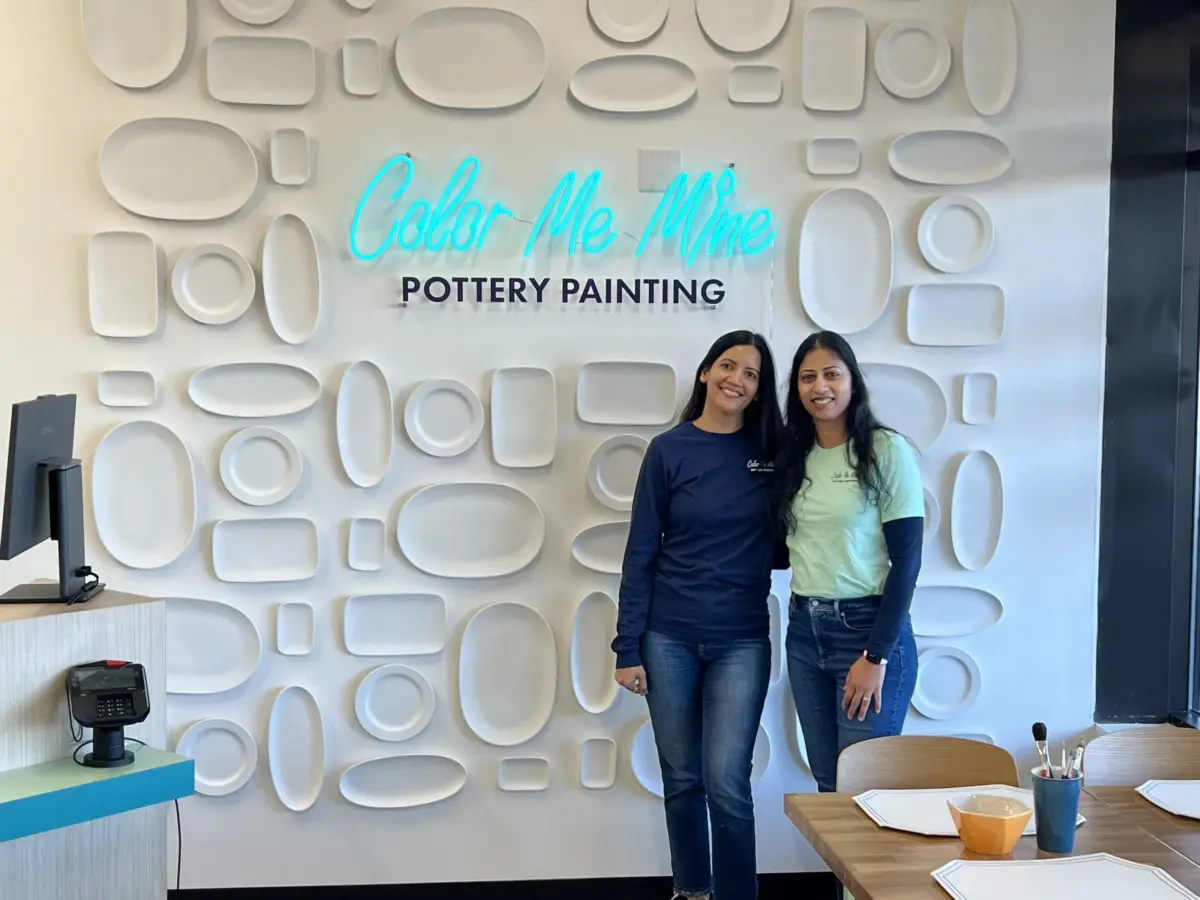
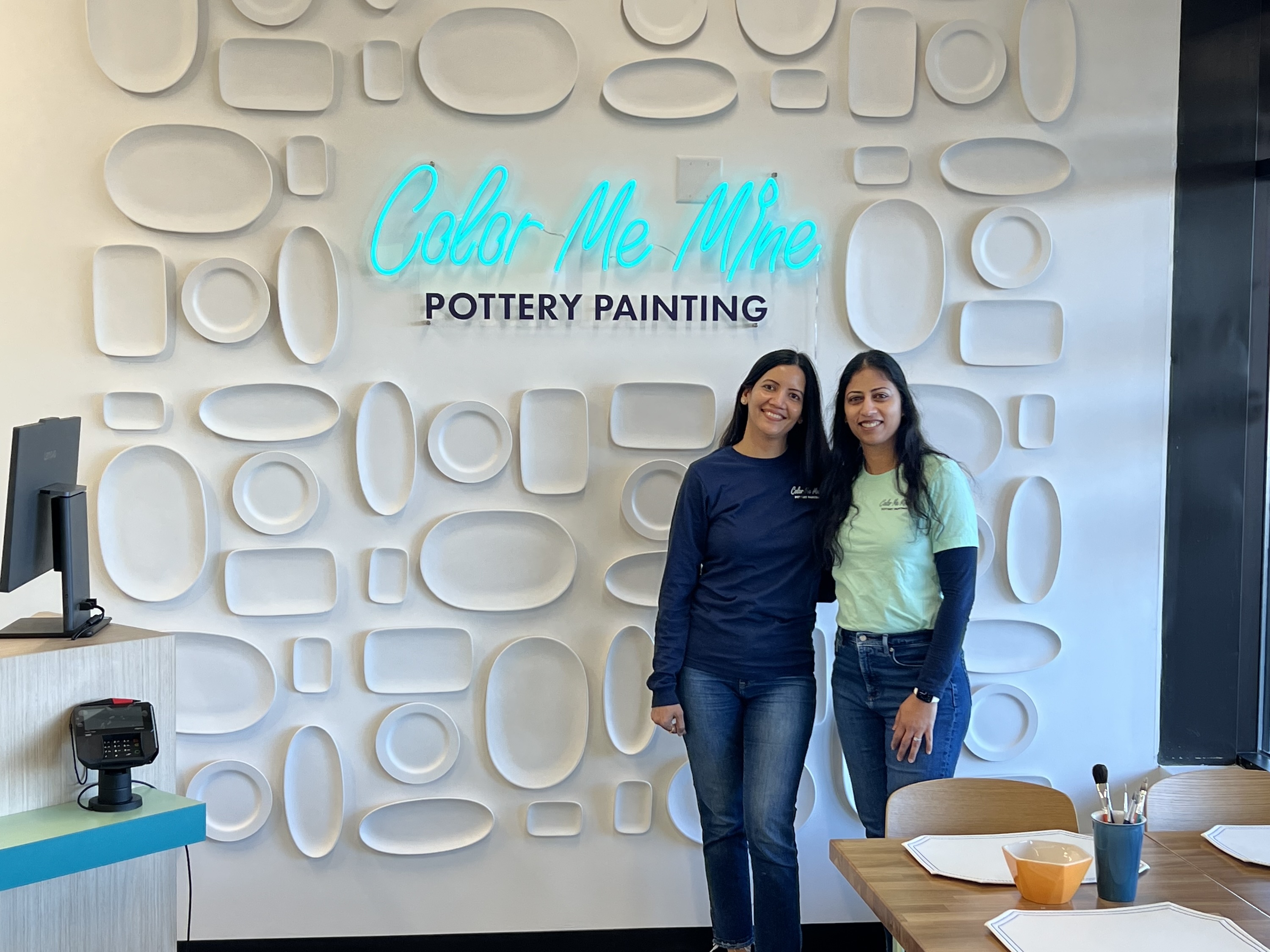
In the heart of Edina, Minnesota, a vibrant community hub is proving that retail brick-and-mortar businesses can do more than simply sell goods—they can curate lasting human connections. Antima Jain and Pooja Choudhary, two immigrants who crossed paths more than a decade ago at a local gathering, have transformed their shared passion for creativity into a thriving commercial enterprise. Operating as co-owners of a Color Me Mine pottery-painting franchise, the duo has spent the last year turning a blank canvas of opportunity into a bustling local hotspot.
Their journey is a masterclass in modern franchising, cross-cultural entrepreneurship, and the delicate art of preserving deep personal friendships while steering a high-stakes business. From executing high-pressure romantic proposals to navigating the relentless realities of part-time staffing and operational logistics, Jain and Choudhary have etched their mark on the local business ecosystem. This comprehensive profile explores their strategic pivot from homemakers and side-hustlers to premier franchisees, detailing the financial commitments, operational hurdles, and visionary goals that drive their enterprise forward.
Detailed Chronology: From a Casual Meeting to a Grand Opening
The Genesis of a Friendship (2014–2023)
The foundation of Color Me Mine Edina was laid long before a single brush touched ceramic. Eleven years ago, Jain and Choudhary met through a mutual friend at a social gathering in Minnesota. Both women had immigrated to the United States from India—Jain arriving initially in 2003 and settling permanently by 2012, and Choudhary relocating following her marriage.
Residing a mere three-minute drive apart, the two women quickly discovered a profound alignment in their life stages and interests. As their children grew older and more independent—transitioning through middle school, high school, and eventually college—the friends found themselves with newfound bandwidth. What began as casual neighborhood get-togethers gradually evolved into brainstorming sessions about building a collective enterprise. By 2023, the duo formally initiated their search for a business model that could satisfy their creative inclinations while offering a reliable corporate framework.
The Discovery and Funding Phase (2023–2025)
Seeking an operation that balanced independence with structured support, Jain and Choudhary toured a regional Color Me Mine studio. The visit proved decisive. Captivated by the pristine environment, vibrant color palette, and tranquil atmosphere, both women recognized an immediate commercial potential.
With a clear vision in place, they bypassed traditional institutional loans. Instead, they pooled their personal financial resources, committing approximately $300,000 in startup capital to secure their territory and build out the location. Before signing leases or ordering inventory, however, they established a foundational pact: their friendship would perpetually supersede business matters. They vowed that any operational friction would be resolved through transparent, unyielding dialogue.
Grand Opening and Milestones (March 2025–Present)
In March 2025, Color Me Mine Edina officially opened its doors, quickly carving out a niche in the local market. Within months, the studio became a backdrop for significant milestones—most notably when a local customer coordinated with Jain and Choudhary to orchestrate a bespoke marriage proposal using a custom-painted jewelry tray. The subsequent delivery of the couple’s save-the-date card to the studio solidified the founders’ belief in the emotional value of their enterprise. Today, the studio consistently ranks among the top-performing locations within the broader franchise network, occasionally breaching the upper echelons of system-wide sales rankings.
Supporting Context & Metrics: The Mechanics of the Franchise Model
Operating a franchise requires a precise blend of localized community engagement and adherence to corporate frameworks. Jain and Choudhary’s journey highlights several key data points and operational strategies standard to successful modern franchising:
Capital Investment: The total startup expenditure hovered in the low-$300,000 range, entirely self-funded via personal liquid capital rather than venture debt or bank loans. This strategy shielded the partners from early interest-rate pressures.
Territory Selection: Partnering with their franchisor, the duo utilized professional real estate scouting to analyze foot traffic, visibility, and proximity to complementary retail and recreational zones in Edina.
Customer Retention Metrics: To combat churn and drive repeat business, the studio implemented structured local marketing initiatives, including chamber of commerce networking, participation in regional art festivals, holiday-specific events (Mother’s Day and Father’s Day), and post-purchase discount incentives designed to bring customers back within a 30-day window.
Risk Mitigation: Operational mishaps—such as kiln accidents affecting unfired pieces—occur in less than 1% of total projects. The owners absorb these rare failures by providing absolute restitution: a complimentary replacement piece and waived studio fees to protect customer goodwill.
Official Statements and Insights: An Exclusive Interview
In a candid interview with Entrepreneur, Jain and Choudhary opened up about the realities of immigration, the mechanics of franchising, and the internal dynamics of co-ownership.
On Their Immigrant Backgrounds and Professional Transitions
Tell me about your backgrounds before you became franchise owners.
Antima Jain: "I first came to the United States in 2003 because of my husband’s work project. We went back and forth between India and the U.S. a few times, and then we came here in 2012 and have been here since. I have a bachelor’s degree in commerce from India. I taught preschool there, and here I worked at Kumon. I was working part-time while my kids were growing up. Now they’re both in college, so this seemed like the perfect time to get into something we would enjoy and have time to invest in."
Pooja Choudhary: "My husband was already here when we got married, and I moved to the United States afterward. I finished my master’s in electrical engineering. We lived in different states before coming to Minnesota around the same time Antima did. I have an investment property business on the side, which I still continue. I have two girls: one in high school and one finishing middle school at the time of this interview."
On Choosing the Franchise Route
Why choose a franchise rather than create an independent studio?
Pooja Choudhary: "We didn’t have experience running this kind of business, and that was the scary part: How were we going to do it? A franchise felt like a balance between owning an independent business and working in a corporate environment. They provide the platform, but we still have independence in running the studio."
Antima Jain: "Everything was laid out for us. The guidance and support have helped a lot. Even after our first year, they were still introducing things to make the business easier to operate, including a new point-of-sale system across Color Me Mine studios. We haven’t regretted choosing a franchise."
How did you find your location and fund the business?
Pooja Choudhary: "The franchisor gave us a territory, and we hired a real estate agent to help find a space. We looked at many places before choosing our location in Edina. There are parks and shopping nearby. The franchise team helped us shortlist locations and think about what to look for, including visibility."
Antima Jain: "The startup cost was roughly in the low-$300,000 range. We both invested from our personal accounts rather than taking out a loan. Being partners made it easier to split that investment."
On Customer Acquisition and Operational Realities
How have you worked to bring in customers and grow?
Antima Jain: "We joined the local chamber of commerce, which helped spread the word. We participated in an art festival near our location and held Mother’s Day and Father’s Day events. We run recurring promotions and include discount cards with finished pieces to encourage people to return within a month. We also advertise through a platform the franchise recommended."
Pooja Choudhary: "We’ve donated to local organizations and participated in school fundraising, too. That has helped."
What surprised you most about operating the studio?
Antima Jain: "Hiring. I never thought keeping a full staff would be such a challenge. It’s a constant process of hiring and rehiring because most of our employees work part-time. We give opportunities to high school and college students. Their education comes first, and when they finish high school, they may leave for college. We understand that, but before opening, we hadn’t really thought about how continuously we would need to work on staffing."
Pooja Choudhary: "It’s busy. We don’t currently have a full-time manager, so we handle staffing ourselves. Sometimes we’re both at the studio; sometimes we alternate days. There’s also glazing, payroll, social media, the calendar and other online work. Every day, something needs attention."
On Protecting the Partnership
How do you keep business disagreements from affecting your friendship?
Pooja Choudhary: "We knew things would happen because we were new to this. We agreed to keep an open dialogue and talk if something wasn’t working. We’re doing this because we’re friends. If we weren’t going to stay friends, there would be no point in having the business together."
Antima Jain: "We’re like sisters. There will be disagreements; we can’t always agree. But I wouldn’t have chosen anyone else to do this business with. If I open another studio, I’ll do it with Pooja."
Future Outlook and Strategic Goals
As Color Me Mine Edina moves past its foundational operational phase, Jain and Choudhary are actively looking toward enterprise expansion. Having successfully navigated the post-launch hurdles of inventory management, localized marketing, and high-turnover student staffing, the founders have set ambitious benchmarks for the years ahead.
Primary among their corporate objectives is physical expansion. Both partners have articulated a clear desire to scale their footprint by opening a second studio within the region, leveraging the operational playbook they refined in Edina. Additionally, they remain competitive within the national franchise network. While they have frequently claimed spots in the top 25 system-wide rankings—and touched sixth place for a monthly sales cycle—their immediate target is securing a permanent spot within the elite top five sales performers nationwide.
Ultimately, Jain and Choudhary’s trajectory demonstrates that successful entrepreneurship is not merely a product of financial capital, but of strategic alignment, mutual trust, and an unwavering commitment to community engagement. As they look toward opening new doors, their journey remains an inspiring blueprint for aspiring immigrant founders and franchise partners alike.