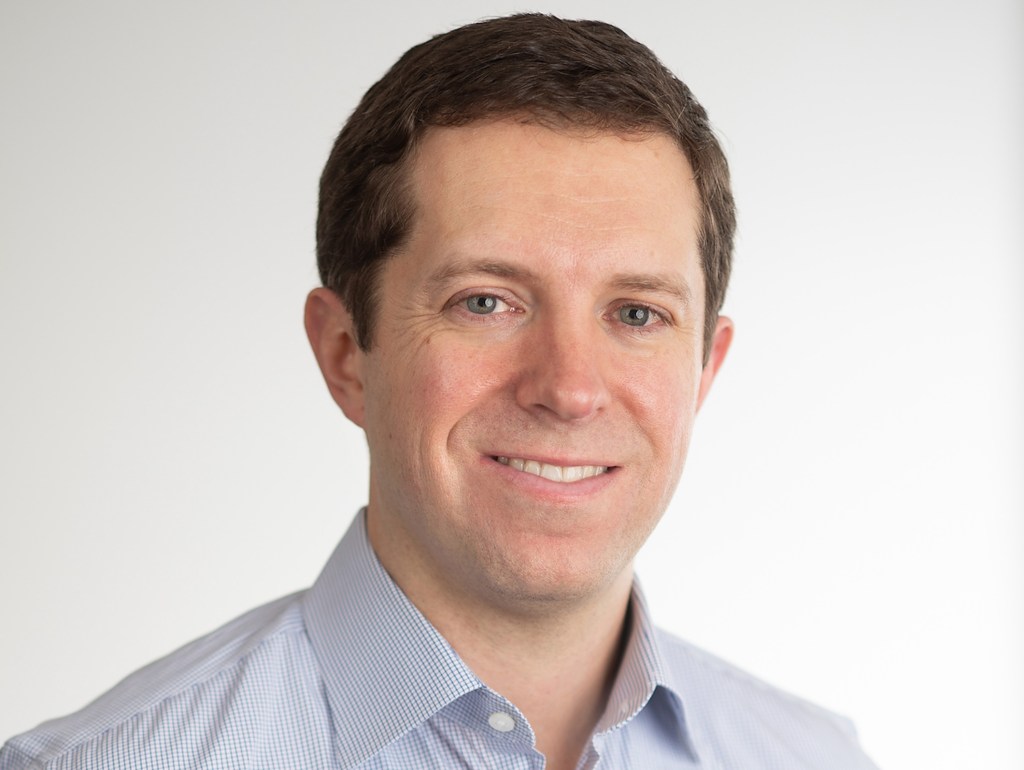
In the high-stakes world of private equity and multi-unit franchising, scaling a business requires more than just capital—it demands operational precision, a proven playbook, and a profound alignment with consumer demand. Few stories illustrate this better than the meteoric rise of Somersault, a private-equity-backed franchise operating group spearheaded by University of Chicago Booth School of Business alumni Griffin Gordon and Kevin Condon.
What began as a weekend routine of sitting in the bleachers, watching their own children tumble, run, and excitedly ask to return to The Little Gym, has transformed into a dominant business enterprise. In just three years, Gordon and Condon have scaled their portfolio from an initial acquisition of seven North Carolina locations to more than 30 operating units, with over 10 additional locations currently in development. Today, Somersault commands a revenue stream approaching $20 million annually.
This in-depth profile examines how Gordon and Condon leveraged their institutional investment backgrounds, partnered with visionary franchisor Unleashed Brands, and combined the timeless appeal of youth recreational gymnastics with modern technological infrastructure. Their journey offers a masterclass in how institutional investors can successfully merge operational excellence with customer-centric franchising to achieve unprecedented growth.
Detailed Chronology: From the Classroom to the Gym Floor
The foundation of Somersault was laid years before either man stepped foot inside a commercial children’s gym.
The Early Foundations
Griffin Gordon and Kevin Condon first crossed paths at the prestigious University of Chicago’s Booth School of Business, where they honed their analytical acumen and strategic thinking. Upon graduation, their careers diverged into distinct yet complementary sectors of the financial world:
Kevin Condon took the path of direct private equity investment, eventually co-founding Hidden River Strategic Capital, a Philadelphia-based firm specializing in capital investments for growing small and mid-sized businesses.
Griffin Gordon built a multifaceted career spanning private equity and hands-on operational leadership of small-to-midsize enterprises. He eventually founded his own investment firm explicitly tailored toward acquiring and scaling franchise businesses.
The Customer Perspective
Long before partnership discussions began, both men experienced The Little Gym not as balance-sheet analysts, but as parents. Sitting on the sidelines, they observed their children participating in structured physical education classes. Crucially, they noticed the intangible details that separate thriving local businesses from failing ones: staff members greeting children and parents by name, creating an atmosphere of immediate safety, warmth, and inclusion, and leaving young participants eager for their next session.
The Convergence and the 2023 Acquisition
The turning point arrived through a mutual industry introduction involving Richard Moore, a legacy operator whose family had spent nearly three decades building a successful footprint within The Little Gym system. While Moore’s parents were preparing for a well-deserved retirement, Moore himself harbored ambitions for aggressive future growth.
An advisor bridged the gap between Moore and the investment duo of Gordon and Condon. Recognizing an opportunity to pair generational operating expertise with institutional capital and scalable infrastructure, the partners made their move.
In 2023, Gordon and Condon’s investment entities acquired an initial portfolio of seven North Carolina locations, establishing the legal and operational vehicle known as Somersault. Over the subsequent three years, through strategic acquisitions and greenfield developments, Somersault expanded its footprint fourfold, crossing the threshold of 30 units and approaching $20 million in top-line revenue.
Supporting Context & Metrics: The Mechanics of Modern Franchise Scaling
Scaling a brick-and-mortar youth enrichment business from seven to over thirty locations in 36 months is no small feat. It requires rigorous financial modeling, tight operational controls, and a clear understanding of macroeconomic shifts in consumer spending.
The Youth Enrichment Boom
Millennial and Gen Z parents are placing an unprecedented premium on child enrichment, early childhood physical development, and social-emotional learning. The Little Gym, celebrating its 50th anniversary, occupies a prime market position in this sector. Operating primarily within the 2-to-6-year-old demographic—though serving broader age ranges—the franchise capitalizes on parents’ desires to keep children physically active and socially engaged away from digital screens.
Unit Economics and the Repeatable Playbook
According to Condon and Gordon, the viability of scaling rests on two pillars: unit-level profitability and repeatability.
The Playbook: Franchising inherently offers a predefined blueprint. When an operating group combines institutional financial backing with a seasoned management team, opening a new location ceases to be an act of reinvention and becomes a matter of execution.
Infrastructure Upgrades: Historically, many children’s franchise concepts operated with the technological sophistication of independent mom-and-pop shops. However, following the acquisition of The Little Gym by parent company Unleashed Brands, the system underwent a digital transformation. The introduction of proprietary customer-facing applications allowed parents to track milestones, view class photos, and engage directly with their children’s progress—bridging 50 years of brand equity with 21st-century user expectations.
Official Statements: Inside the Minds of Somersault’s Founders
In an exclusive interview, Kevin Condon and Griffin Gordon shared deep insights into their investment thesis, operational philosophy, and the realities of multi-unit ownership.
On Backing The Little Gym and Scaling Rapidly
Kevin Condon: "Ultimately, we’re backing management teams and organizational leaders. We have a really good team here, which has allowed us to scale at this pace and given us the conviction to continue putting money behind the business. The other piece is the repeatable process in franchising. You acquire a business or open a location, and you have a playbook. With a good team and good operators, you can repeat that playbook."
Griffin Gordon: "Kevin’s firm has done a lot of franchisee investing. My firm focuses solely on it. The Little Gym has the things we find attractive: a growing market of parents who want high-quality services for their kids, a strong brand and attractive unit economics when the business is operated well."
On The Importance of Franchisor Partnerships
When asked what set this specific opportunity apart from other retail or fitness concepts, Gordon emphasized the importance of corporate support.
Griffin Gordon: "In our view, The Little Gym is the best brand serving its target age range. There are imitators, but we don’t think they match the quality of its curriculum and operating playbook. We also have a strong franchisor partner in Unleashed Brands. To invest in franchisees, you need a partnership approach and confidence that the franchisor values that relationship, too."
On Balancing Tradition with Modernity
Maintaining the core magic of a 50-year-old brand while introducing modern conveniences requires a delicate balance.
Griffin Gordon: "There are two sides to it: the fundamentals that don’t change, and the opportunity to modernize the business for today’s parents and children. The fundamentals include building and investing in a great team, genuinely caring about the curriculum and developing authentic connections with the communities where you operate. You also have to work with the franchisor to make sure the curriculum supports the outcomes everyone wants: confident, self-assured, well-adjusted children."
Kevin Condon: "The core curriculum is the secret sauce. It’s been part of what has made The Little Gym special for 50 years. But you can build on that. For example, Unleashed introduced an app this year to help parents engage with their children’s classes and see milestones and pictures. That’s something that obviously didn’t exist 50 years ago."
On the Realities of Small Business Operations
Despite the financial acumen required to run private equity-backed portfolios, both men emphasize that the day-to-day success of a children’s gym rests entirely on human capital.
Griffin Gordon: "The lesson we’ve learned and continue to learn is that this business is all about people. People sometimes hear about The Little Gym and think it sounds simple. It’s a simple business to understand, but a challenging business to operate well. The business depends on our ability to find the best people, train them effectively and give them career opportunities."
Future Outlook: The Road to $100 Million
Having successfully quadrupled their physical footprint from seven to over thirty locations in three short years, Somersault is showing no signs of slowing down.
When questioned about future milestones—specifically whether the enterprise could eventually scale toward a $100 million revenue target—the founders maintained an ambitious yet grounded outlook. While acknowledging that repeating a fourfold expansion over the next few years would require aggressive maneuvering, their conviction in the underlying brand remains absolute.
Key Takeaways for Aspiring Franchise Investors
For entrepreneurs and investors looking to enter the franchising space, Gordon and Condon offer two foundational pieces of advice drawn from their journey:
Leverage Existing Networks: Utilize the Franchise Disclosure Document (FDD), specifically the contact lists of existing franchisees located in the back disclosures. Speaking directly with current operators is the single most valuable due diligence step an investor can take.
Prioritize Passion and People: Even if an investor does not intend to operate the day-to-day mechanics personally, passion for the underlying product—coupled with an obsession for hiring, training, and retaining elite front-line staff—is non-negotiable.
As Somersault continues to expand its development pipeline with over 10 units currently underway, Gordon and Condon stand as prime examples of how strategic capital, operational discipline, and a genuine love for community-centric brands can turn childhood memories into a powerhouse enterprise.