

Executive Overview
In the landscape of modern medicine, cardiovascular disease remains an imposing global monolith—the leading cause of morbidity and mortality across much of the industrialized world. For decades, traditional cardiology has relied primarily on a pharmacomechanical paradigm: statins to control cholesterol, antihypertensives to blunt vascular pressure, surgical interventions to bypass blocked arteries, and rigid dietary or exercise prescriptions. While these interventions save countless lives, they frequently overlook a vital, deeply interconnected physiological frontier: the mind-heart connection.
A landmark comprehensive review published in Cardiology Clinics has injected fresh momentum into the field of cardiac behavioral medicine. Led by Rosalba (Rose) Hernandez, a professor of social work at the University of Illinois Urbana-Champaign and a Fellow of the American Heart Association, a multidisciplinary research team has demonstrated that simple, accessible psychological practices—such as mindfulness exercises, gratitude journaling, and optimism training—can measurably improve key markers of cardiovascular health within a matter of weeks.
Analyzing data from 18 randomized controlled trials, Hernandez and her colleagues established that positive psychology interventions are consistently associated with significant improvements in systemic inflammation, blood pressure regulation, and critical vascular risk factors. Furthermore, these psychological shifts frequently catalyzed positive behavioral changes, including healthier dietary choices, enhanced medication adherence, and increased physical activity.
However, the research sounds a nuanced note of caution. Because many of the physiological benefits appear inextricably linked to sustained lifestyle adjustments, the researchers emphasize that "continued reinforcement"—or an ongoing therapeutic "dose"—may be necessary to maintain cardiovascular progress over time. This exhaustive report explores the methodology, clinical metrics, expert perspectives, and paradigm-shifting implications of integrating mental health directly into standard cardiac care.
Detailed Chronology & Methodology of the Study
To understand the weight of these findings, one must examine the rigorous methodology behind the review. Professor Hernandez and her co-investigators did not merely sample anecdotal accounts; they conducted a systematic evaluation of 18 randomized controlled trials (RCTs). These studies were specifically designed to test the physiological and psychological impacts of positive psychology and mindfulness interventions on adults already battling elevated cardiovascular risks.
Scope and Participant Demographics
The studies selected for review typically enrolled cohorts ranging from 50 to 200 participants. Crucially, these were not young, healthy college volunteers; they were adults in their late 50s to mid-60s who presented with clinically documented vulnerabilities. These vulnerabilities included uncontrolled hypertension, diagnosed heart failure, and histories of post-acute coronary syndrome. Among the studies that reported participant gender breakdown, women constituted between 35% and 55% of the cohorts, ensuring a balanced representation across sexes.
Delivery Mechanisms and Intervention Formats
The interventions reviewed were notable for their adaptability and technological integration. Recognizing that modern patients have diverse lifestyles and geographic constraints, the evaluated programs utilized a wide array of delivery methods:
- Digital and Mobile Health Tools: Ranging from dedicated smartphone applications and automated text-messaging systems to interactive, eight-week WhatsApp-based programs that combined weekly modules with daily microtasks.
- Remote and Telephonic Support: Structured phone sessions, remote check-ins, and digital spirituality-based interventions designed to fit seamlessly into a patient’s daily routine.
- In-Person and Hybrid Models: Interactive group meetings conducted face-to-face, alongside hybrid approaches that paired physical sessions with virtual tools and online portals.
Despite the variety in delivery, most programs shared a temporal structure: they lasted between six and 12 weeks, featuring weekly core sessions supplemented by at-home exercises designed to reinforce psychological concepts.
Quantifying the Physiological Impact
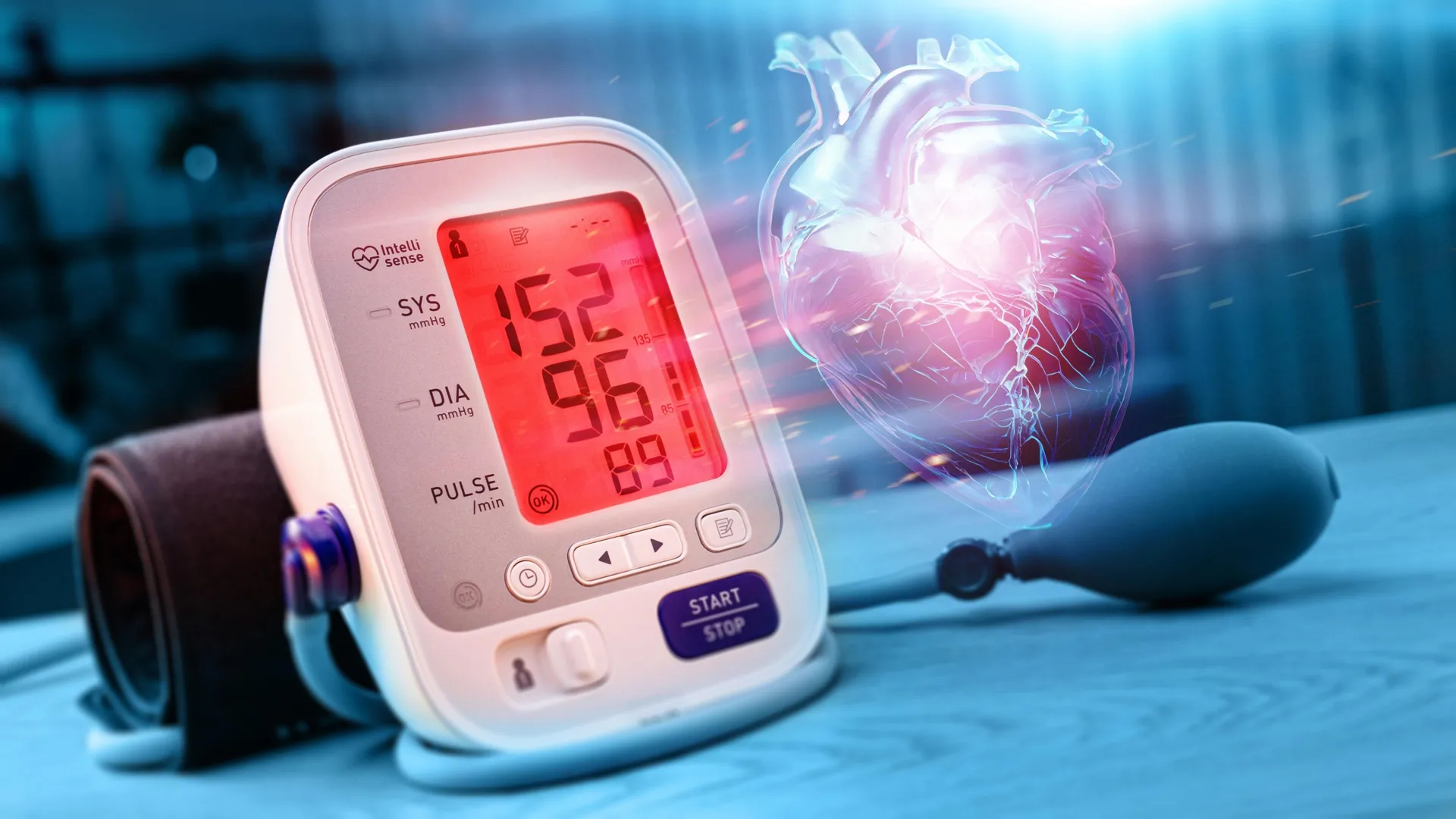
The review uncovered compelling evidence that these interventions triggered tangible biological shifts. For patients dealing with hypertension and post-acute coronary syndrome, eight-week mindfulness-based programs delivered measurable reductions in systolic blood pressure. More strikingly, these programs drove down systemic inflammatory markers—specifically high-sensitivity C-reactive protein (hs-CRP) and fibrinogen—both of which are critical drivers of atherosclerosis and vascular inflammation.
Even more impressive metrics emerged from digital interventions. According to Hernandez, a 12-week spirituality-based digital intervention achieved some of the most profound reductions documented in the literature:
- Standard cuff-measured systolic blood pressure dropped by an average of 7.6 points.
- Central systolic pressure—measured directly in the aorta as blood leaves the heart—decreased by 4.1 points.
To a clinician, a drop of over 7 points in systolic blood pressure from a non-pharmacological, psychological intervention is clinically transformative, rivaling the efficacy of baseline pharmaceutical therapy.
Supporting Context & Metrics: Finding the "Dose" of Positivity
For decades, behavioral medicine struggled with a fundamental translational question: If mental well-being improves physical health, what is the exact "prescription"? Just as a physician must prescribe a specific milligram dosage of a statin or beta-blocker, behavioral scientists needed to define the frequency, intensity, and duration required for psychological interventions to yield measurable clinical dividends.
Establishing the Therapeutic Threshold
Prior research into positive psychology often left the mechanics ambiguous, failing to clarify how frequently individuals needed to practice gratitude, mindfulness, or optimism training to secure genuine health benefits. Hernandez’s team set out to resolve this ambiguity.
The review revealed a clear dose-response relationship: programs characterized by more frequent participant contact and daily engagement produced the most reliable physiological benefits.
"The therapeutic dose that was most consistently linked with improvements in blood pressure, inflammation, and endothelial function was daily practice reinforced by weekly sessions over eight- to 12-week periods," Hernandez explained. In short, high-frequency dosing over a short- to medium-term window is essential for securing short-term physiologic benefits. However, the data also highlighted that ongoing, less-intensive contact is likely required to prevent regression and sustain long-term behavioral changes.
Behavioral Divergence: Mindfulness vs. Motivation
An intriguing finding of the review was the subtle divergence in behavioral outcomes depending on the psychological framework utilized.
- The Power of Micro-Tasks: The strongest behavioral changes emerged from an eight-week WhatsApp-based program that combined weekly sessions with daily microtasks, encouraging participants to increase physical activity, optimize diets, and rigorously adhere to medication schedules.
- Motivational Interviewing vs. Mindfulness: A program incorporating motivational interviewing successfully increased cardiac patients’ daily physical activity by an average of 1,800 steps per day while simultaneously improving medication adherence. By contrast, traditional mindfulness programs excelled at improving physical activity and dietary choices, but did not yield the same magnitude of improvement in medication adherence.
This distinction is vital for clinical protocol design: different psychological tools may need to be tailored to target specific patient deficiencies. If a patient struggles with medication compliance, motivational interviewing may be necessary; if the primary pathology is vascular inflammation and stress reactivity, mindfulness may take precedence.
The Broader Scientific Arc
These findings do not exist in a vacuum; they build upon a rich, escalating body of scientific literature connecting psychological well-being to cardiovascular protection. Hernandez’s new work directly expands upon a prior landmark study she led, which established that individuals possessing high baseline levels of optimism tend to exhibit superior long-term cardiovascular health.
That foundational study, published in Health Behavior and Policy Review, was backed by the National Institutes of Health (NIH) and the National Center for Research Resources. It featured an elite cross-institutional roster of co-authors, including preventive medicine professors Kiarri N. Kershaw, Juned Siddique, and Hongyan Ning from the Northwestern University Feinberg School of Medicine; Donald M. Lloyd-Jones of the Boston University Chobanian and Avedisian School of Medicine; psychology professor Julia K. Boehm of Chapman University; social and behavioral sciences professor Laura D. Kubzansky of the Harvard University School of Public Health; and Distinguished Professor of Epidemiology Dr. Ana Diez Roux of Drexel University. The alignment of these prominent epidemiologists and public health experts underscores the scientific credibility now underpinning cardiac behavioral medicine.
Official Statements and Expert Perspectives
The publication of this comprehensive review has drawn enthusiastic commentary from leading figures in cardiovascular medicine, surgery, and behavioral health, all of whom advocate for a fundamental redesign of how patient care is administered.
Co-author Alyssa M. Vela, a professor of surgery and of psychiatry and behavioral sciences at the Northwestern University Feinberg School of Medicine, emphasized the immediate clinical takeaway for hospital systems and primary care networks.
"The findings of this study further point to the importance of attending to mental and behavioral health for cardiovascular disease prevention and cardiovascular health optimization," Vela stated. "This speaks to the need for routine screening and integration of cardiac behavioral medicine to allow for access to important interventions."
Vela’s perspective highlights a glaring operational gap in contemporary healthcare. While routine blood pressure checks, lipid panels, and electrocardiograms (ECGs) are standard operating procedure during a cardiology check-up, formal screenings for clinical demoralization, chronic stress, pessimism, or depressive symptoms remain rare unless a patient is in acute psychiatric distress. Integrating behavioral screening tools could revolutionize preventative cardiology.
Echoing this sentiment, co-author Katharine S. Edwards—a professor of cardiovascular medicine and of psychiatry and behavioral medicine at Stanford Medicine—pointed out that the physiological mechanisms linking mental states to physical vascular health are no longer speculative. Through decades of psychoneuroimmunology research, science has mapped out how chronic psychological distress triggers sympathetic nervous system overactivation, elevated cortisol, endothelial dysfunction, and chronic systemic inflammation. Interventions rooted in positive psychology act as a physiological counter-weight, mitigating autonomic arousal and restoring vascular elasticity.
Furthermore, Rosalba Hernandez emphasized that the integration of these practices should not be viewed as an alternative to traditional medicine, but as an indispensable synergistic partner.
"Our findings highlight the potential value of incorporating positive psychology strategies into long-term cardiovascular treatment and prevention," Hernandez noted. "By giving patients structured, daily mental practices, we are equipping their bodies with an endogenous toolkit to regulate blood pressure and fight inflammation."
Future Outlook: Integrating Behavioral Medicine into Standard Cardiology
As healthcare systems worldwide grapple with rising chronic disease burdens and escalating economic costs, the insights provided by Hernandez and her colleagues offer a clear, actionable roadmap for the future of cardiology.
1. Re-Engineering Clinical Workflows
The immediate challenge lies in translation and implementation. For positive psychology interventions to move from academic journals into everyday clinical practice, healthcare institutions must redesign patient pathways. Cardiologists, primary care physicians, and cardiac rehabilitation specialists must be trained to recognize psychological vulnerability not as an incidental byproduct of heart disease, but as a primary risk multiplier that requires active treatment. Routine psychological triage should sit alongside cholesterol panels during annual physicals and post-infarction check-ups.
2. Scaling Digital Therapeutics
The success of app-based, WhatsApp-delivered, and digital spirituality interventions points toward a highly scalable future. Traditional psychotherapy can be resource-intensive and limited by provider shortages. However, validated digital therapeutics—delivering micro-doses of mindfulness, gratitude training, and cognitive reframing via smartphones—can be deployed at scale to thousands of patients simultaneously. Insurance providers and Medicare are increasingly recognizing the value of digital health tools, opening pathways for reimbursement that could make these interventions universally accessible.
3. Precision Cardiology of the Mind
Just as precision oncology uses genetic sequencing to tailor cancer treatments, future cardiology may employ "behavioral phenotyping." Clinicians could assess whether a patient suffers primarily from stress-induced vascular inflammation, behavioral non-adherence, or depressive sedentariness, and subsequently prescribe a targeted psychological regimen—matching a high-frequency mindfulness app for inflammatory hypertension, or motivational interviewing protocols for medication non-compliance.
Conclusion
The message from the latest research is profoundly hopeful yet pragmatically demanding. The human heart is not merely a mechanical pump isolated from the rest of our biology; it listens intimately to the psychological landscape we inhabit. Through simple, consistent practices like mindfulness, optimism training, and gratitude journaling, patients can actively dial down inflammation, protect their endothelium, and lower their blood pressure.
Yet, as Professor Hernandez and her colleagues caution, these benefits are not permanent vaccines. Just as physical fitness requires ongoing exercise, emotional and psychological resilience requires maintenance. By bridging the historic chasm between mental health and cardiology, modern medicine stands on the threshold of a more holistic, compassionate, and ultimately more effective era of cardiovascular care—one that heals the heart by first nurturing the mind.