

89
Executive Overview
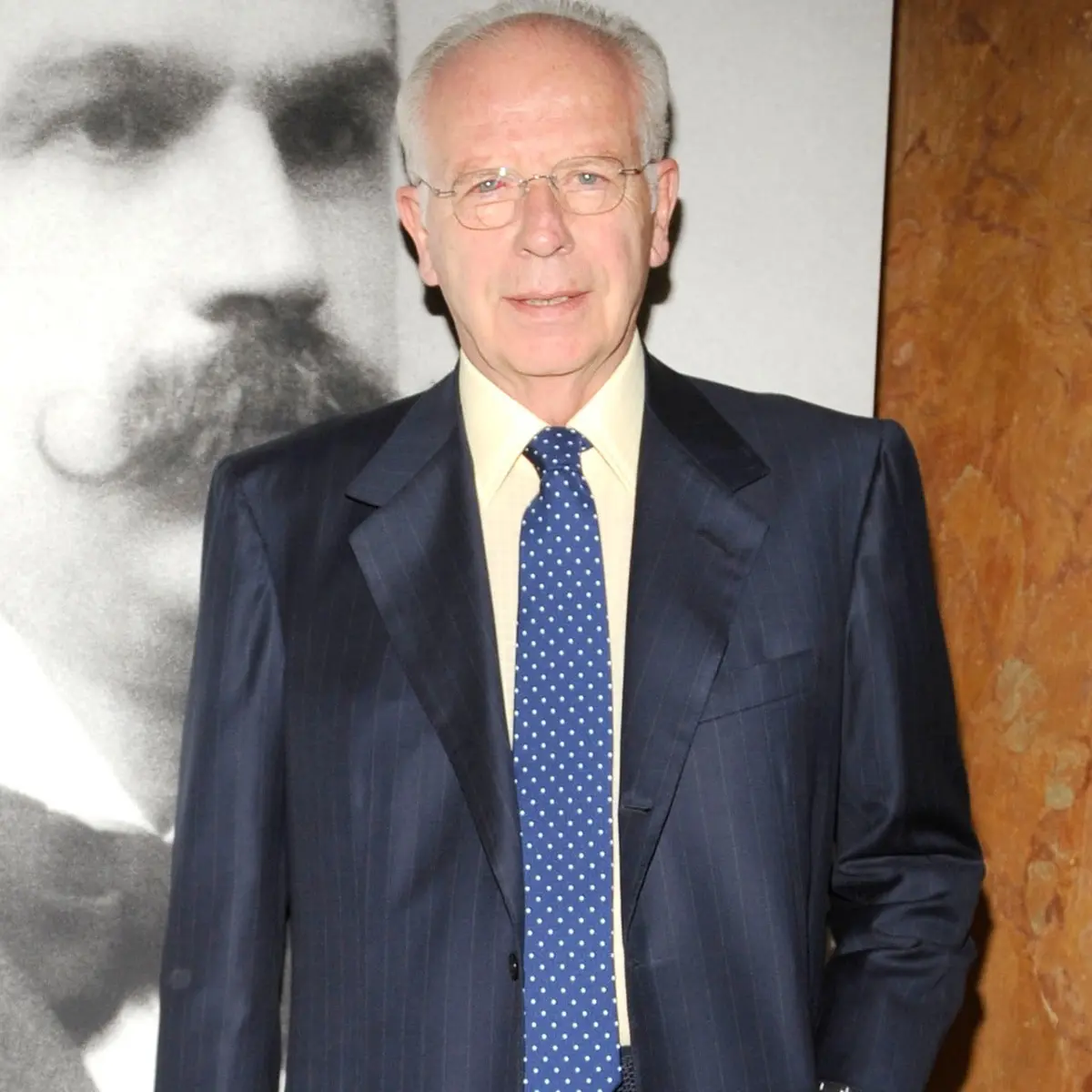
The luxury fashion and haute joaillerie worlds are in deep mourning following the passing of Paolo Bulgari, the visionary jewelry designer, master gemologist, and longtime Chairman of the Bvlgari Group. He died at the age of 89, leaving behind a legacy defined by bold creativity, fearless use of colored gemstones, and a relentless devotion to craftsmanship. The company officially confirmed his passing via social media on November 21, prompting an outpouring of grief, tributes, and reflections from the global design community.
As the grandson of Sotirio Bulgari—the Greek silversmith who founded the iconic Roman maison in 1884—Paolo Bulgari was born into royalty of the highest order in the decorative arts. Alongside his brothers, Gianni and Nicola, Paolo steered the family enterprise from a prestigious local Italian jeweler into a globally recognized luxury conglomerate. Under his artistic and executive leadership, the brand transcended traditional jewelry boundaries, expanding its footprint into high-end watches, premium fragrances, and elite hospitality.
Paolo’s contributions extended far beyond corporate governance; he was widely recognized as one of the world’s foremost authorities on precious stones. His profound understanding of the natural world, combined with an avant-garde aesthetic sensibility, shaped the unmistakable "Bvlgari style"—a striking synthesis of Roman classicism, architectural boldness, and vibrant polychromatic compositions. Over nearly seven decades in the industry, his creations adorned royalty, Hollywood icons, and modern superstars alike, securing his status as an immortal pillar of the international luxury landscape.
Detailed Chronology: A Life Spent Among the Stones
Formative Years and Early Passion (1937–1960)
Born in Rome, Italy, in 1937, Paolo Bulgari grew up immersed in the sensory and aesthetic richness of the Eternal City. Surrounded by antique architecture, baroque art, and the glittering treasures of his family’s flagship Via Condotti store, he absorbed the language of design from infancy.
While his pedigree guaranteed a place within the family business, Paolo did not rely on lineage alone; he cultivated a rigorous, hands-on mastery of the craft. In 1960, he officially entered the family firm, stepping under the mentorship of his father. Rather than focusing immediately on administration, Paolo chose to specialize in gemology. He traveled extensively to source raw materials, developing an intuitive, encyclopedic knowledge of precious stones. His eye for rare sapphires, emeralds, rubies, and diamonds quickly established him as a leading international expert, enabling him to spot raw potential in stones that others might have overlooked.
The Rise of the Triumvirate and the Bvlgari Revolution (1970s–1980s)
By the 1970s and 1980s, the operational reins of the company had passed to the third generation of the Bulgari family: Paolo, alongside his brothers Gianni and Nicola. This triumvirate embarked on a mission to modernize the brand while fiercely protecting its Roman heritage.
While Gianni focused on corporate expansion and Nicola mastered customer relations and commercial strategy, Paolo anchored the creative soul of the enterprise. Together, they made a daring departure from the strict, monochromatic platinum-and-diamond hegemony of mid-century French high jewelry. Instead, they reintroduced bold, high-carat colored gemstones, integrating cabochon cuts, ancient Roman coin motifs, and modular geometric designs.
In 1984, following structural evolutions within the company, Paolo Bulgari assumed the role of Chairman of the Bvlgari Group. Under his leadership, the brand began to codify its signature aesthetic, characterized by an exuberant use of color contrasts—such as combining deep emeralds with luminous amethysts and rubies—and heavy, tactile gold settings that felt both ancient and radically modern.
Global Expansion and Diversification (1990s–2010s)
As Chairman, Paolo Bulgari oversaw a period of aggressive, strategic diversification. Recognizing that the modern luxury consumer sought a lifestyle experience rather than mere ornamentation, the Bvlgari Group expanded beyond fine jewelry.
The 1990s saw the successful launch of Bvlgari timepieces, most notably the iconic Bvlgari Bvlgari watch, whose double-logo bezel was inspired by the circular inscriptions on ancient Roman coins. This was followed by the introduction of luxury fragrances and accessories, and eventually, the creation of Bvlgari Hotels & Resorts—a high-end hospitality venture spanning destinations from Milan and London to Bali and Dubai.
Despite the corporate scale of the enterprise, Paolo remained fiercely protective of the brand’s artistic integrity. He viewed every jewel not merely as a commercial commodity, but as a wearable sculpture. His leadership style was defined by mentorship; he took immense pride in nurturing young designers, instilling in them his core philosophy: "There are no rules in creativity. Never."
Supporting Context & Metrics: The Bvlgari Legacy
To understand the magnitude of Paolo Bulgari’s impact, one must examine the institutional weight of the house he helped build and the cultural footprint of its creations.
Architectural and Gemological Innovations
- The Cabochon Renaissance: Paolo championed the smooth, rounded cabochon cut, which maximized the color saturation and tactile appeal of colored stones rather than relying solely on facet-driven brilliance.
- The Monete Collection: Introduced under the brothers’ leadership, this collection set ancient Greek and Roman coins into modern gold settings, bridging the gap between classical archaeology and contemporary haute joaillerie.
- Serpenti: Though conceptualized earlier, the iconic snake motif—representing rebirth, wisdom, and seduction—was continuously reinvented under Paolo’s watch through sophisticated Tubogas flexible gold banding and vibrant enamelwork.
A Star-Studded Clientele Across Generations
The creations born from Paolo’s vision have remained the definitive choice for the world’s most luminous figures for over half a century:
- The Golden Era: Elizabeth Taylor, whose legendary love affair with Richard Burton frequently intersected with the Bvlgari boutique on Via Condotti, amassed a breathtaking collection of pieces designed or curated during the Bulgari family’s tenure.
- Modern Icons: Contemporary powerhouses such as Zendaya, Anne Hathaway, and Priyanka Chopra have served as global ambassadors, bringing Paolo’s timeless designs to modern red carpets at the Oscars, Cannes, and the Met Gala.
- Recent Cultural Resonance: The enduring allure of the brand’s historic pieces was underscored just weeks prior to Paolo’s passing, when Kim Kardashian received a private tour of Elizabeth Taylor’s personal Bvlgari collection in Italy. Trying on Taylor’s 1962 emerald and diamond necklace—a gift from Burton—Kardashian captured international headlines by expressing her sheer awe and reverence for the heritage pieces.
Official Statements and Tributes
The global luxury community, along with the corporate leadership of LVMH (which acquired the Bvlgari Group in 2011), flooded digital platforms with expressions of profound grief and admiration.
In an official statement shared via Instagram on November 21, the company expressed its collective sorrow:
"It is with deep sadness that we learned of the passing of Paolo Bulgari, grandson of the company’s founder Sotirio Bulgari and Chairman of the Bvlgari Group since 1984. Our deepest condolences go to his family, friends and all those who had the honor of sharing this journey with him."
The tribute concluded with a poignant acknowledgment of his creative philosophy:
"Thank you, Mr. Paolo, your legacy as a brilliant beacon of creative inspiration will continue to inspire generations to come."
Colleagues and industry peers remembered him as a quiet giant—a man whose imposing aesthetic authority was matched only by his profound humility and warmth. Unlike many modern corporate executives, Paolo remained an artisan at heart, frequently found inspecting stones under a loupe or sketching freehand motifs in his studio well into his later years.
Personal Life and Family
Beyond his professional achievements, Paolo Bulgari lived a rich, multifaceted private life. He was married twice, sharing four children with his ex-wife, Alice Valli, and two children with his wife, Maite Caprio. Despite the immense wealth and social prominence associated with the Bulgari name, Paolo maintained a relatively grounded existence, finding his greatest peace in the study of natural history, mineralogy, and the arts that inspired his lifelong career.
Future Outlook: Preserving an Indelible Heritage
As the fashion and jewelry industries process the loss of Paolo Bulgari, questions naturally turn to the future stewardship of his legacy.
When the Bvlgari family integrated the brand into the LVMH Moët Hennessy Louis Vuitton portfolio in 2011, they ensured that the maison’s Roman identity, manufacturing excellence, and design ethos would be preserved on a global scale. Today, while corporate leadership manages the day-to-day operations of the multi-billion-dollar empire, the aesthetic blueprint laid down by Paolo, Gianni, and Nicola remains inviolable.
Current designers at Bvlgari continue to draw directly from Paolo’s archives, utilizing his encyclopedic approach to colored stones and his fearless disregard for conventional design boundaries. His passing marks the definitive close of a golden chapter in family-led haute joaillerie, yet his principles—that inspiration can be drawn from anywhere, and that true creativity must remain unfettered by rules—will continue to guide the house of Bvlgari into the future.
Paolo Bulgari’s physical presence may be gone, but every time a master artisan selects an untreated Colombian emerald, twists a flexible gold Serpenti bracelet around a wrist, or sets a Roman coin into contemporary gold, his brilliant, uncompromising artistic spirit will live on.
