

Executive Overview
The current enterprise push toward Artificial Intelligence (AI) frequently mirrors a corporate farce rather than a calculated, strategic deployment. If boardroom rollouts of platforms like Microsoft Copilot or custom generative systems were scripted for the silver screen, critics would dismiss the plot as entirely implausible—no leadership team, audiences would argue, could be quite that shortsighted. Yet, organizations worldwide are actively repeating the exact playbook of systemic failure that defined the digital transformation boom of the previous decade.
In 2014, digital strategist Paul Boag published Digital Adaptation through Smashing Magazine, diagnosing the critical missteps organizations made while attempting to transition into the digital age. Today, the parallels between the historical rush to deploy Content Management Systems (CMS), Customer Relationship Management (CRM) tools, and mobile apps, and the modern scramble to adopt Large Language Models (LLMs) are striking.
The fundamental error then, as now, is treating an organizational revolution purely as a technological challenge. Leadership teams continue to view AI adoption through a myopic lens: buy the software licenses, push down generic training modules, and mark the job as complete. In doing so, they drastically underestimate the profound human, cultural, and operational shifts required. This investigative report examines how the hard-earned lessons of past digital adaptations can guide businesses through the friction, anxiety, and compliance landmines of the modern AI landscape.
Detailed Chronology: From the CMS Era to the Generative AI Boom
The 2014 Digital Transformation Mirage
To understand why corporate AI strategies are faltering, one must look back at the mid-2010s. During the height of the digital transformation era, IT departments were tasked with modernizing internal infrastructure and customer-facing touchpoints. They rolled out heavy enterprise software, intranets, mobile apps, and early personalization engines.
However, these rollouts were driven from the top down with virtually zero user research into how employees or customers would actually interact with the platforms. Internal systems proved notoriously difficult to use, while external digital products often failed to meet consumer expectations. The underlying assumption—that simply purchasing and installing modern software equates to modernization—proved to be a costly illusion.
The 2024–2026 AI Playbook Repeat
Fast forward to the present day, and the enterprise strategy has mutated very little. Senior management, dazzled by industry hype and productivity promises, signs off on organization-wide licenses for tools like Copilot Studio. IT departments quickly deploy the infrastructure, run a handful of generic, mandatory webinars on prompt engineering, and declare victory.
Meanwhile, front-line employees are left stranded. Staring at blank chat boxes, they face immense pressure to demonstrate "AI-driven efficiency" without clear guidance, tailored training, or contextual workflows. Just as employees a decade ago struggled with cumbersome intranets, today’s workforce is drowning in pressure to adopt tools that fail to align with their day-to-day realities.
Supporting Context & Metrics: The Human Element of Technological Change
Why Staff Are Resisting AI Adoption
The core friction point in any technological shift is motivation. For senior leadership, the primary draw of AI is undeniable: productivity gains. Executives see a future where employees accomplish more in less time, lowering operational overhead and accelerating output.
For the average employee, however, the value proposition is bleak. Consider the perspective of a worker putting in a standard 40-hour workweek:
- No Time Reclaimed: Productivity gains rarely translate into shorter hours or lighter workloads; instead, the bar for output is simply raised.
- Economic Stagnation: Increased efficiency does not automatically equal increased compensation.
- Existential Dread: Employees read the same headlines as executives regarding automation and displacement. No amount of corporate reassurance erases the underlying fear that they are actively training the algorithms meant to replace them.
Organizations cannot expect meaningful adoption without first addressing this motivational deficit. True adoption begins by helping staff identify the most tedious, frustrating aspects of their daily roles and demonstrating how AI can alleviate those specific pain points. Change management succeeds only when it is framed as an enhancement to the employee’s quality of work life rather than a thinly veiled cost-cutting exercise.
Procedural Knowledge and the Need for Experimentation
Adopting AI is not akin to learning a new keyboard shortcut; it requires dismantling and rebuilding years, or even decades, of established procedural knowledge. Employees are asked to rethink how they write, analyze, research, and code.
Yet, most modern knowledge workers are already operating at or above maximum capacity. They are locked in a perpetual cycle of triaging emails, attending meetings, and clearing backlogs. Expecting these individuals to carve out unstructured time to master generative tools without sacrificing core deliverables is unrealistic.
Furthermore, acquiring proficiency in AI requires experimentation and failure. Standardized, one-size-fits-all training courses fall drastically short. Effective capability-building requires role-specific education, ongoing peer support, and, crucially, psychological safety.
Official Perspectives and Operational Insights
Trusting the Enthusiasts Over Top-Down Mandates
Traditional change management relies on top-down communication memos and broad behavioral mandates. Experience proves, however, that these methods generate compliance rather than true adoption—and often breed resentment.
The most effective catalysts for technological adoption are rarely found in the C-suite; they reside within the organization’s existing talent pool. In almost every enterprise, a cohort of enthusiastic early adopters is already experimenting with AI tools independently.
- The Power of Social Proof: During the digital transformation era, internal showcases—where staff demonstrated custom solutions to their peers—yielded higher adoption rates than any executive directive.
- Organic Diffusion: Rather than focusing immediate, high-friction efforts on winning over technology-resistant employees, organizations should identify internal AI champions. Providing these enthusiasts with time, resources, and platforms to share practical use cases lets social proof drive the rest of the organization forward.
Cultivating a Culture Safe to Fail
A primary barrier to AI experimentation is the corporate fear of reprisal. In many organizations, errors are treated as indictments of competence rather than natural stepping stones in a learning curve.
During past digital transformations, companies demanded innovation while holding rigid to legacy Key Performance Indicators (KPIs) and penalizing missteps during annual performance reviews. The message sent to employees was inherently contradictory: Innovate, but do not fail.
In the age of AI, this paradox has intensified. Employees report being reprimanded for token consumption spikes or chastised for minor prompt missteps mere weeks after being ordered to integrate AI into their workflows. Unsurprisingly, this environment drives staff toward the safest option available: abandoning the new tools entirely and reverting to legacy processes.
To break this cycle, leadership must actively reengineer accountability frameworks:
- Adjust KPIs: Temporarily recalibrate productivity metrics to account for the steep learning curve associated with generative systems.
- Reframe Reviews: Evaluate employees on their willingness to experiment and learn rather than demanding flawless output during early transition phases.
- Establish Safe Boundaries: Clearly define low-risk sandboxes where mistakes carry no career penalties.
Governance, Shadow IT, and Adaptive Infrastructure
Striking the Right Governance Balance
Governance in corporate technology typically swings between two disastrous extremes: complete absence, leading to regulatory chaos, or draconian restriction, choking all operational momentum.

In the AI era, overly restrictive policies are dominating corporate responses. Fearing data leaks and compliance breaches, legal and IT teams issue hundreds of pages of dense prohibitions. The psychological result is paralysis; employees find it safer to avoid AI entirely than to risk violating obscure compliance clauses.
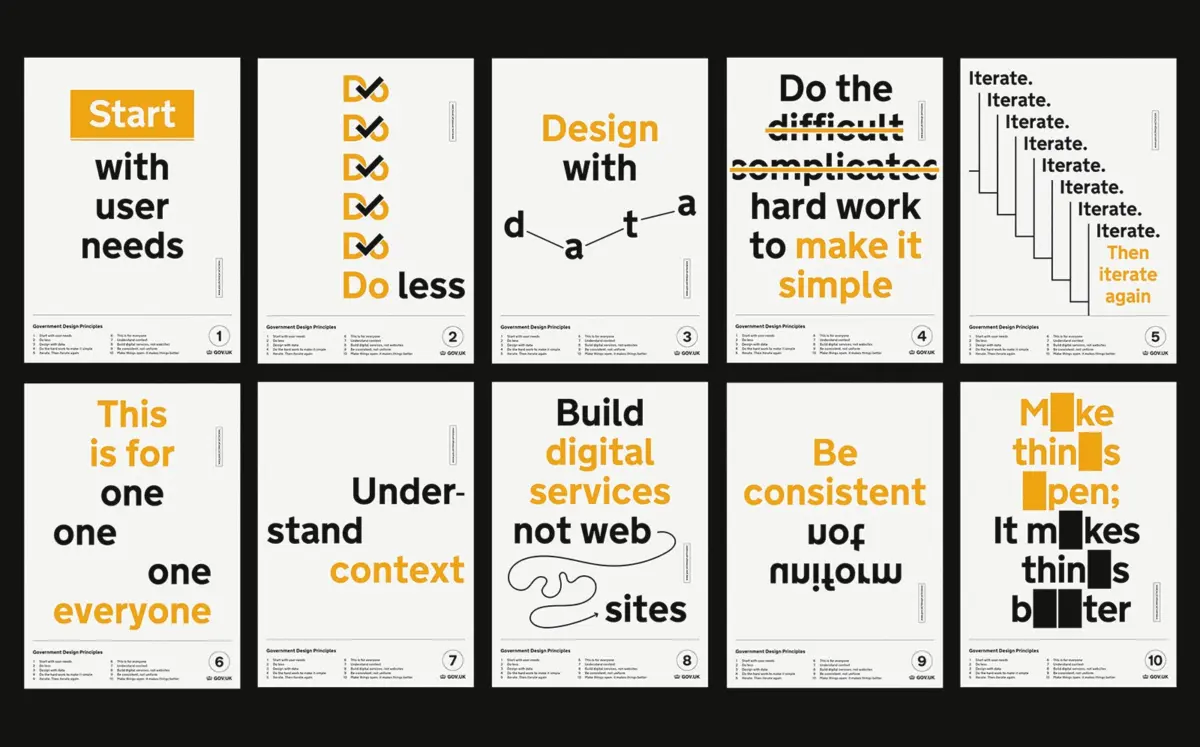
Organizations must pivot toward principle-based governance. Rather than exhaustive rulebooks, companies should publish concise, accessible manifestos—akin to the minimalist design principles popularized by government digital services. Trusting employees to exercise common sense within a clear framework of core values encourages responsible utilization without inducing terror.
The Dangers of "Shadow AI"
When centralized IT infrastructure fails to meet operational needs, employees circumvent it. Just as the digital transformation era spawned "Shadow IT" (with workers adopting unauthorized SaaS tools like Dropbox and Google Docs to bypass slow approval boards), today’s enterprise is wrestling with Shadow AI.
Consider a typical user experience (UX) research team eager to build an AI-powered insights repository. When enterprise tools like Microsoft Copilot prove incapable of delivering the requisite functionality, the team submits a formal request to the internal AI steering committee. Months pass in bureaucratic review.
Frustrated by the glacial pace, team members bypass official channels entirely, opening personal ChatGPT or Claude accounts on their mobile devices or home networks to maintain their workflow velocity.
This introduces severe security vulnerabilities:
- Company intellectual property and sensitive client data flow into external systems outside corporate visibility.
- Organizations lose audit trails and data governance oversight.
- Management’s instinctive reaction—clamping down with blocked websites and disciplinary warnings—only drives the behavior further underground.
Rather than trying to stamp out Shadow AI through punitive measures, organizations must view it as diagnostic data. Shadow AI highlights precisely where official enterprise tooling falls short. IT and management should analyze these workarounds to inform their next wave of software deployment.
Future Outlook: The Imperative of Cultural Agility
As organizations look toward the remainder of the decade, the primary threat to AI adoption is not technological obsolescence, but organizational rigidity.
The companies that successfully navigate the AI landscape will be those that abandon the illusion of central, frictionless control. They will accept a degree of initial chaos, view employee workarounds as valuable feedback rather than insubordination, and invest heavily in the human infrastructure of change.
AI adoption is fundamentally a study in cultural anthropology, change management, and human psychology. Leaders who recognize this reality early will bridge the gap between technological potential and practical execution. Those who persist in viewing AI as an IT deployment checkbox are destined to repeat the expensive failures of the digital adaptation era—only this time, the stakes are far higher.