

Executive Overview
The landscape of modern entertainment is undergoing a quiet, profound transformation. For decades, the glittering ecosystem of Hollywood functioned as a one-way street: once an actor tasted fame, stepping away was widely perceived as a career death sentence. However, a structural shift is currently underway, characterized by prominent stars intentionally turning their backs on Tinseltown to pursue domestic peace, alternative careers, or creative autonomy.
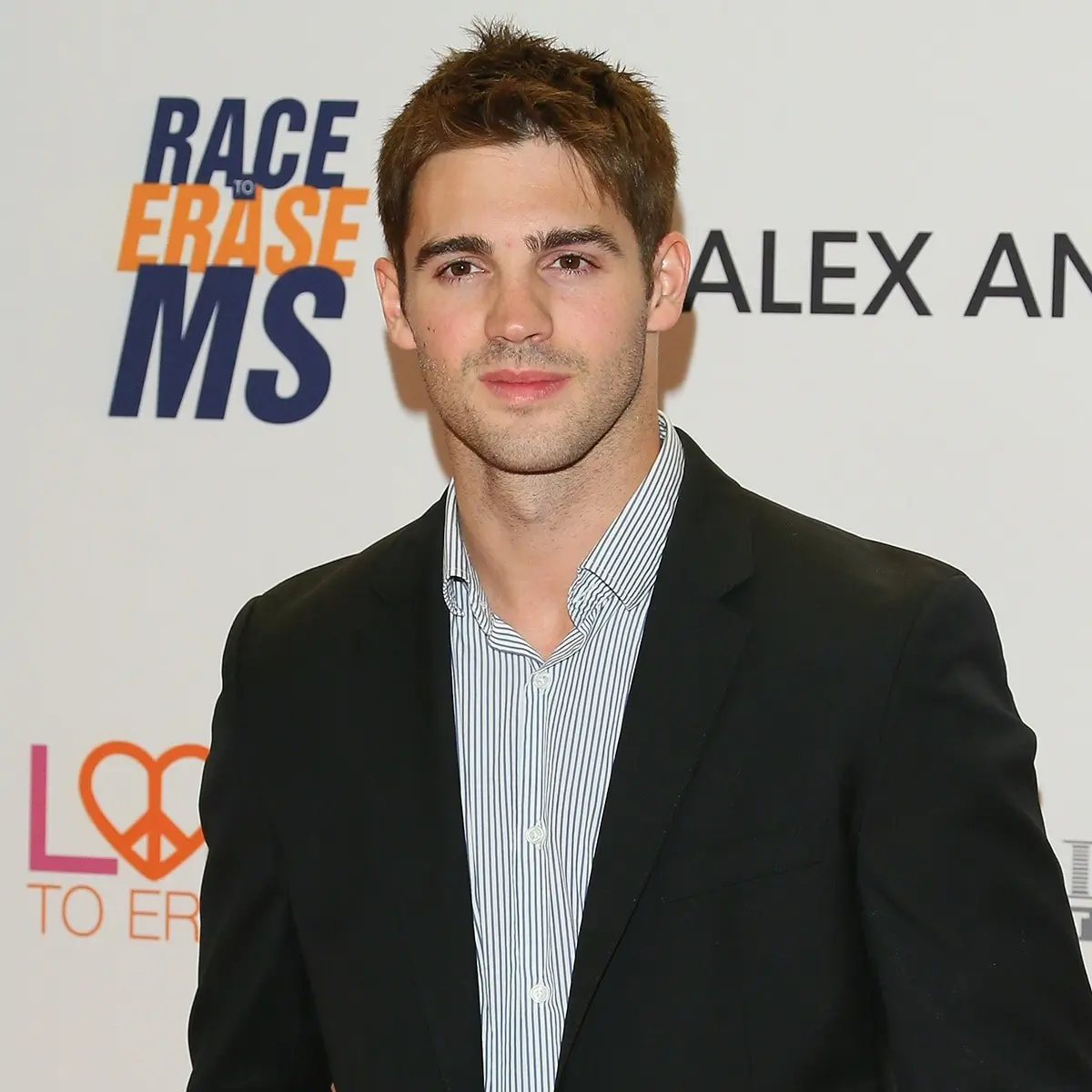
This cultural pivot was sharply underlined on October 3, when actor Steve R. McQueen—best known for his role as Jeremy Gilbert on The CW’s smash hit The Vampire Diaries—made his first public appearance in seven years at the Forever Mystic Falls Fan Meet in Paris. Sporting a buzzcut, jeans, and a flannel button-down shirt, McQueen’s long-awaited return to the spotlight served as a poignant reminder of the enduring legacy of 2000s supernatural teen dramas, while simultaneously highlighting the complex human realities behind Hollywood disappearances.
McQueen’s return—bolstered by supportive Vampire Diaries alumni including Paul Wesley, Ian Somerhalder, and Kat Graham—arrives on the heels of a deeply personal and tumultuous period. Following the passing of his father, Chad McQueen, in 2024, and a gradual Hollywood exit that began after his departure from Chicago Fire in 2018, McQueen represents a broader cohort of performers who have chosen mental health, family, and personal reinvention over relentless red-carpet visibility.
Detailed Chronology
The trajectory of Steve R. McQueen’s career mirrors a broader generational retreat from the grueling machinery of commercial television and film. To understand his seven-year absence, one must trace the timeline of his early entry into the industry, his peak television years, and his subsequent withdrawal.
- October 2005: At just 17 years old, McQueen made his professional television debut as a prodigy in the WB series Everwood. Around this time, in an interview with the New York Post, he offered rare insight into his blended family dynamics, noting that while he shared a close relationship with his biological father, racing legend and actor Chad McQueen, his stepdad occupied a more traditional paternal role in his day-to-day upbringing.
- 2009–2015: McQueen cemented his place in pop culture history by starring as Jeremy Gilbert across six primary seasons of The Vampire Diaries alongside Nina Dobrev. His character’s evolution from troubled teen to supernatural hunter resonated deeply with a global audience.
- 2015–2018: Following his initial exit from Mystic Falls, McQueen seamlessly transitioned into the Dick Wolf television universe, portraying Jimmy Borrelli on NBC’s Chicago Fire until 2018.
- 2020: After making a final cameo appearance in an episode of the Western anthology series The Warrant, McQueen effectively stepped out of the public eye, embarking on a self-imposed, multi-year hiatus from acting.
- 2024: The actor faced significant personal grief with the passing of his father, Chad McQueen. This period of loss further solidified his distance from the entertainment industry.
- October 3, 2025 (Reflected in Event Timing): Breaking a seven-year public hiatus, McQueen stepped back into the spotlight at the Forever Mystic Falls Fan Meet in Paris. Joined by his former co-stars, he spent the day signing autographs and engaging with deeply devoted fans, sparking an outpouring of maternal and protective affection across social media platforms like X (formerly Twitter).
Supporting Context & Metrics: The Great Hollywood Exodus
McQueen is far from an isolated case. Over the past decade, a growing roster of A-list actors, television icons, and comedy heavyweights have independently decided to trade the Hollywood Hills for international locales, entrepreneurial ventures, and quiet domesticity.
The Financial and Creative Breaking Point
The decision to leave Hollywood is frequently driven by exhaustion, corporate overreach, and a rejection of the transactional nature of the modern streaming era. Ian Somerhalder, McQueen’s former Vampire Diaries co-star, laid bare the economic frustrations of contemporary acting during a July appearance on the Haley on the Go podcast. Reflecting on the exhausting production process of creating Netflix’s V Wars in 2019, Somerhalder stated:
"I looked at myself in the mirror and I said to my wife, ‘I’m 40 years old, I don’t want to spend two years of my life, doing something, working this hard, one year fully unpaid… I’m not gonna base my life on having television or streaming executives dictate how I can make a living. So, I pulled the plug. That was it. I walked away."
Somerhalder pivoted entirely toward regenerative agriculture, launching eco-documentaries like Kiss the Ground and Common Ground, and focusing on soil management alongside his wife, Nikki Reed.
Global Relocation Trends
Data from real estate and entertainment trade publications indicate an unprecedented migration of American talent to European, Asian, and regional domestic sanctuaries.
- Europe: Stars like Ellen DeGeneres and Portia de Rossi permanently relocated to the English Cotswolds following the 2024 U.S. presidential election, citing a desire for a "simpler way of life." Similarly, Christina Milian and her family officially settled in Paris so her children could experience European education systems. Richard Gere and Alejandra Silva transitioned their primary residence to Madrid, Spain, while Lindsay Lohan famously established her life across London, Greece, and Dubai before welcoming her first child with Bader Shammas.
- Australia & Latin America: Tyra Banks established a permanent residence in Australia to manage her international ice cream brand, SMiZE and Dream. Meanwhile, Eva Longoria divided her time between Spain and Mexico, citing both international project demands and a changing cultural climate in Los Angeles.
- Alternative Domestic Havens: Actors like Jesse Eisenberg opted for a quiet existence in Indiana, deliberately isolating themselves from the industry echo chamber to prioritize family and localized community teaching roles.
Official Statements and Industry Reactions
The public and peer response to these radical career shifts reveals a shared cultural exhaustion with the relentless pace of celebrity culture.
When fans caught wind of Steve R. McQueen’s emotional return in Paris, social media became a repository of empathetic commentary. One user on X noted, "Seeing videos of Steve McQueen at the TVD event is making me feel so maternal… I will punch anyone who says something bad about him." Another added, "I just want to give him a hug and tell him that it’s okay." These reactions underscore the deep parasocial bonds forged during the golden era of 2000s television—bonds that persist long after the actors themselves have retreated from the screen.
Conversely, stars who have executed permanent or semi-permanent exits have been unapologetic about their rationale. Cameron Diaz, who stepped away from acting after 2014’s Annie before a reluctant, heavily negotiated return for Netflix’s Back in Action, spoke candidly to Gwyneth Paltrow about the liberation of stepping off the studio treadmill:
"I just decided that I wanted different things out of my life. I had gone so hard for so long, working, making films and it’s such a grind."
Similarly, iCarly alum Jennette McCurdy addressed the profound psychological toll of early childhood stardom during a 2021 podcast appearance, admitting she felt deeply "embarrassed" and "unfulfilled" by her past roles before successfully transitioning into an acclaimed career as an author and director.
Future Outlook
The entertainment industry stands at a crossroads. As traditional gatekeepers grapple with declining linear television viewership, unstable streaming compensation models, and algorithmic content curation, the intrinsic value of being a "working Hollywood actor" has diminished for many veterans.
For Steve R. McQueen, his appearance in Paris does not necessarily signal a permanent return to full-time studio call sheets. Rather, it demonstrates the enduring power of nostalgia and the reality that an actor’s legacy can thrive independently of active career output. As more performers follow the blueprint laid out by Somerhalder, Diaz, Eisenberg, and others—prioritizing land management, family, mental health, and creative autonomy over corporate-dictated schedules—Hollywood’s monopoly on fulfillment is steadily eroding.
The future of celebrity culture will likely be defined less by those who relentlessly chase the next blockbuster, and more by those who found the courage to walk away, heal, and define success on their own terms.