


Executive Overview
In the hyper-competitive landscape of digital freelance writing, securing a consistent stream of high-paying clients rarely comes down to raw literary talent alone. While the ability to craft compelling prose is non-negotiable, the bridge between an aspiring freelancer and a sustainable, six-figure business is built on a foundation far more practical: relentless, strategic, and professional client outreach.
According to seasoned entrepreneurs and industry data, the vast majority of freelance writers fail not because their portfolios are weak, but because they suffer from a terminal lack of persistence. They curate target lists, draft beautifully tailored introductory emails, hit "send" once, and vanish into the digital ether when met with silence.
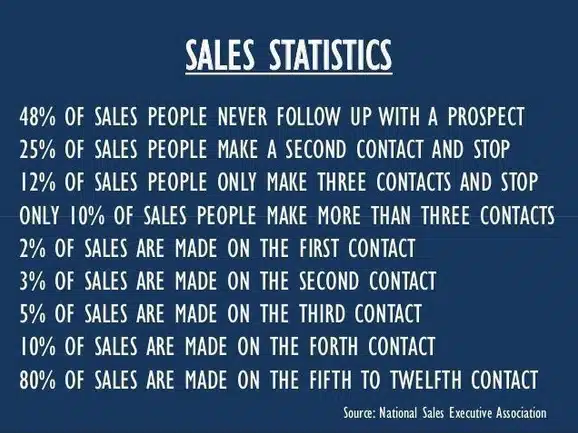
This single-touch approach represents a catastrophic waste of professional effort. Industry insights—championed by platforms like Location Rebel and validated by broader sales conversion metrics—reveal that upwards of 80% of successful business transactions occur after the initial contact, requiring anywhere from five to twelve touchpoints before a prospect converts.
For the modern freelancer, mastering the cadence, psychology, and tracking systems behind email follow-ups is no longer optional; it is the ultimate differentiator between financial precarity and a thriving independent career.
Detailed Chronology: The Lifecycle of a Cold Pitch and Why One Email Is Never Enough
To understand the mechanics of successful freelance prospecting, one must examine the typical journey of a cold email. When a writer sends an introductory letter (LOI) to a potential corporate client, startup founder, or managing editor, the immediate response rate is statistically low.
Phase 1: The Initial Contact and the Inevitable Silence
The freelancer spends hours researching a target company, identifying a pain point—such as an outdated blog or an unoptimized content strategy—and crafting a customized opening line. They hit send, feeling a surge of accomplishment.
Then, nothing happens.
For the amateur, this silence is interpreted as rejection. In reality, it is merely noise. In the modern corporate ecosystem, decision-makers are inundated with hundreds of digital communications daily. An executive’s inbox is a battlefield of urgent operational fires, client demands, and administrative clutter. A cold email from a freelance writer, no matter how well-crafted, rarely sits at the top of their priority list. It gets pushed down, buried, or temporarily marked as "read" and forgotten.
Phase 2: The Critical Window of the First Follow-Up
Here is where the professional separates from the amateur. Research suggests that waiting between two to five days for an initial follow-up strikes the optimal psychological balance. Following up the next day appears frantic and desperate; waiting three weeks erases any residual memory of the first message.
A prompt, polite second touchpoint reframes the narrative. It signals to the prospect that the writer is organized, genuinely interested in solving a specific problem, and professional. Crucially, it catches the prospect at a different moment—perhaps during a quieter morning or when a sudden content bottleneck has emerged.

Phase 3: The Sustained Cadence
Moving beyond the second email requires a structured, seasonal cadence. Rather than spamming a lead weekly (which guarantees a fast-track to the spam folder or a hostile reply), successful freelancers implement a long-term nurturing schedule.
- Days 2–5: The initial gentle bump.
- Weeks 2–3: A value-add touchpoint (e.g., sharing a relevant industry trend or a brief headline idea).
- Quarterly Check-ins: Aligning outreach with natural business cycles—such as year-end budget exhaustion, January goal-setting, mid-summer strategic shifts, or autumn content pushes.
This chronological discipline transforms a cold pitch from a fleeting annoyance into a reliable, long-term business asset.
Supporting Context & Metrics: The Data Behind Persistence
The reluctance of freelancers to follow up often stems from a fear of being a nuisance. This anxiety, however, is entirely unsupported by empirical data. Sales and marketing analytics consistently demonstrate that persistence is expected, appreciated, and necessary in B2B environments.
The Sales Statistics Breakdown
Comprehensive sales studies highlight a stark disconnect between sales behaviors and sales realities:
- 44% of salespeople give up after one follow-up.
- 22% give up after two follow-ups.
- 14% give up after three follow-ups.
- 12% give up after four follow-ups.
Conversely, statistical models indicate that 80% of sales are made between the fifth and twelfth contact. If nearly half of all outreach agents abandon their efforts after a single follow-up, those who commit to a disciplined, multi-touch strategy instantly eliminate the vast majority of their competition.
Why Timing Trumps Immediate Need
The fundamental misunderstanding of cold outreach is the assumption that the goal of the first email is to secure an immediate contract.
In reality, the statistical probability that a prospect is actively searching for a writer at the precise microsecond your email hits their inbox is remarkably low. Business needs fluctuate. Budgets open up; internal writers leave; content strategies pivot; product launches demand white papers.
The true objective of the initial email is not an immediate transaction—it is relevance and staying power. By maintaining a polite, non-intrusive presence in a prospect’s inbox over a span of months, the freelancer positions themselves as the default, top-of-mind solution the exact moment a content need arises. When the prospect finally requires writing assistance, they bypass the grueling process of searching job boards and instead reach out to the professional who has consistently and respectfully shown up in their inbox.
Perspectives and Best Practices: Personalization, Psychology, and Systems
Executing a high-volume, multi-touch outreach campaign without losing one’s sanity or professional reputation requires a delicate balance of art and science. Industry leaders emphasize several core pillars for success.
The Scourge of Generic AI Spam
The democratization of generative artificial intelligence has flooded executive inboxes with an unprecedented volume of low-quality, automated pitches. Unpersonalized templates generated by machines have eroded trust in cold outreach.
"I get so many crappy emails," notes Sean Ogle, founder of Location Rebel. "They’re not personalized. Perhaps they were written by AI, and then you get follow-ups every day that are also not personalized, and it drives me crazy. Those people give a bad rap to the people who do it properly."
To rise above the digital noise, writers do not need to spend hours meticulously researching every single target. The psychological barrier to entry is so low due to lazy prospecting that even a modicum of genuine effort—such as a single, highly customized opening sentence referencing a recent company milestone, article, or podcast appearance—is enough to command attention.
The Power of the "Easy Out"
One of the most effective psychological tactics in modern email copywriting is the inclusion of an "easy out." Closing an email with a low-friction escape hatch—such as, "If this isn’t a priority right now, no worries at all, just let me know and I won’t bug you again"—fundamentally alters the dynamic of the communication.
By removing the pressure to buy or respond out of guilt, the sender disarms the prospect. Paradoxically, prospects are far more likely to engage when they realize they have permission to say no, because it builds psychological safety and establishes the freelancer as a respectful consultant rather than a pushy salesperson.
Infrastructure: Tracking and Automation
Consistency is impossible to maintain manually at scale. Relying on memory or chaotic desktop sticky notes guarantees that promising leads will slip through the cracks. Freelancers must implement robust tracking infrastructure.
- Spreadsheets for Beginners: A meticulously maintained Google Sheet tracking target names, email addresses, date of last contact, and scheduled follow-up dates remains a viable, zero-cost starting point.
- CRM Integration via Gmail: Tools like Streak transform a standard Gmail inbox into a lightweight, free Customer Relationship Management (CRM) system. Users can track open rates, schedule email delivery, and set automated reminders for upcoming follow-up cadences.
- AI-Assisted Project Management: Advanced practitioners utilize large language models like Claude or ChatGPT as administrative marketing assistants. By feeding the AI periodic updates regarding outreach dates, contact names, and response statuses, freelancers can generate automated summaries, analyze conversion rates (e.g., tracking how many cold emails yield discovery calls versus closed contracts), and maintain an unshakeable schedule without manual friction.
Future Outlook: The Evolution of Freelance Client Acquisition
As the digital economy matures and remote work cements itself as a permanent pillar of global commerce, the competition for independent writing contracts will only intensify. Content remains the lifeblood of digital marketing, but the tools used to produce and procure that content are evolving at breakneck speed.
In the coming years, the divide between struggling freelancers and six-figure writing entrepreneurs will widen based on operational efficiency. Those who rely on outdated, single-email outreach methods will find diminishing returns as automated filters and fatigued gatekeepers tighten their defenses.
Conversely, writers who treat outreach as a sophisticated, relationship-driven funnel—grounded in respectful persistence, hyper-personalized value creation, and rigorous CRM-driven tracking—will continue to capture the highest-paying enterprise clients.
The formula for breaking the $1,000, $5,000, or $10,000 monthly revenue threshold in freelance writing is no longer a closely guarded secret. It requires an exceptional portfolio, yes—but more importantly, it requires the discipline to write the follow-up email when everyone else has walked away.