

Executive Overview
In the world of craft agriculture and heirloom fruit curation, few moments align with the sheer serendipity of a truly transcendent harvest. Author and literary provocateur Chuck Wendig, widely known for his relentless book tours and enthusiastic deep-dives into pomology, has officially declared a new pinnacle in his personal tasting history. Following the conclusion of the rigorous final leg of his Calamities book tour, Wendig encountered an unassuming Reine des Reinettes—also historically cataloged as the King of the Pippins, Queen of the Pippins, or Golden Winter Pearmain—that completely shattered all established pomological expectations.
Against every rule of agricultural logistics, post-harvest science, and culinary preparation, this specific fruit endured a punishing multi-state and international itinerary. Bouncing from Vermont orchards across international borders to Canada, drifting through the Hudson Valley, and spending days uncharged in hotel rooms, car dashboards, and friendly domestic waypoints, the apple appeared destined for mediocrity. Yet, upon being rescued for a routine batch of homemade applesauce in a quiet Pennsylvania kitchen, this weathered specimen delivered an astonishing sensory revelation.
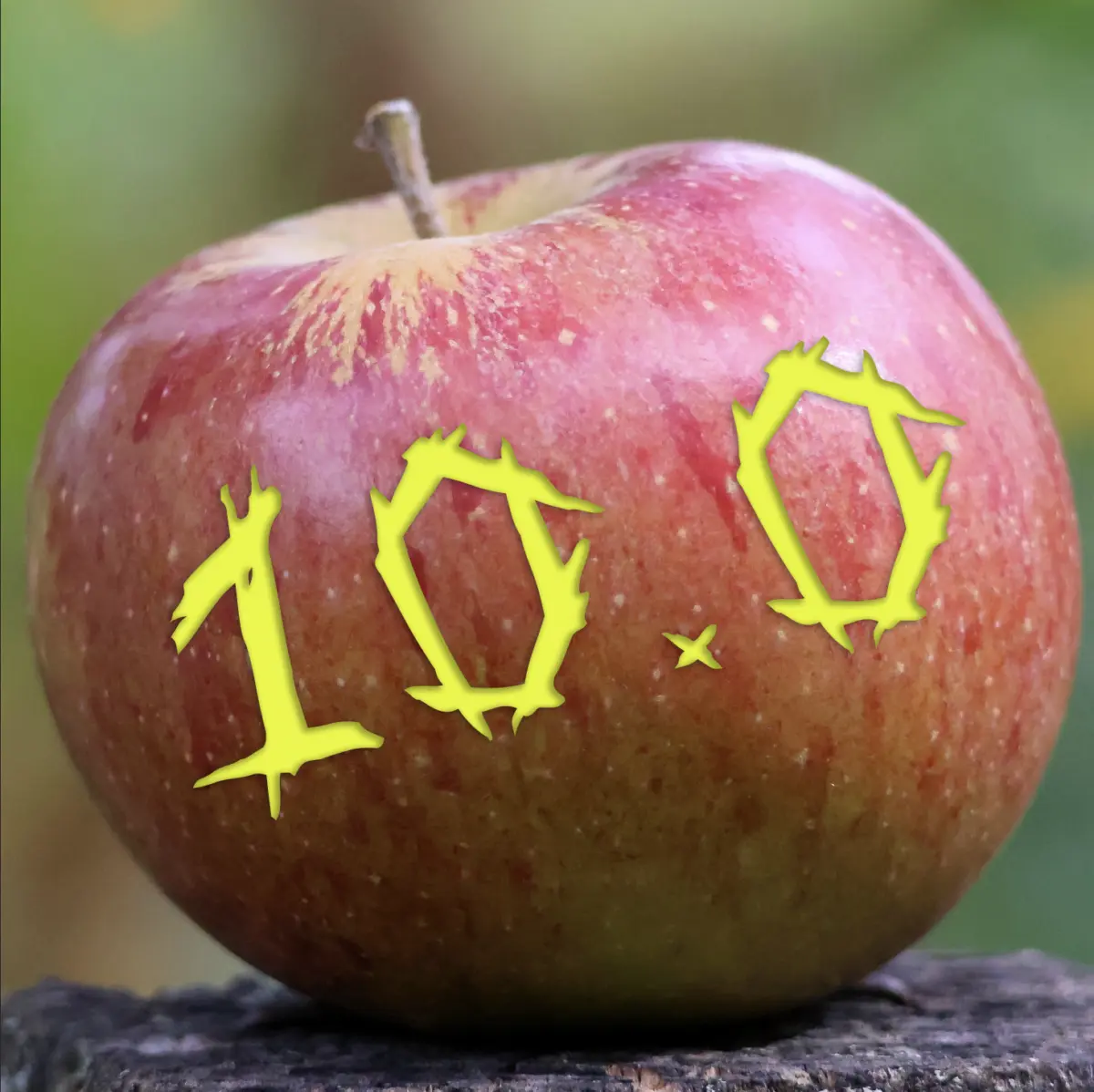
Scoring a definitive, unassailable 10 out of 10, the experience elevates a humble fruit into a masterclass on the unpredictability of terroir, seasonal variation, and the profound joys of mindful consumption. This report details the extraordinary journey, the complex flavor profile, and the broader implications of this remarkable pomological event.
Detailed Chronology: The Journey of a 10/10 Pomological Marvel
Phase 1: The Calamities Tour Finale and the Vermont Pilgrimage
The narrative begins during the triumphant closing week of Wendig’s Calamities book tour, an exhaustive and emotionally resonant undertaking that connected the author with a devoted readership. True to his well-documented persona as an avid "apple pig," the author structured his travel itineraries to intersect with premier historical orchards and independent literary hubs.
The journey’s apple-hunting crusade officially kicked off on day one in Vermont, where Wendig dragged fellow author Delilah S. Dawson to the hallowed grounds of the Scott Farm. Famed for its staggering diversity of heirloom and antique apple varieties, Scott Farm served as the primary staging ground for the author’s seasonal acquisitions.
The tour continued through a string of celebrated independent bookstores, generating vital touchpoints with readers and local literary communities alike:
- Phoenix Books (Burlington, Vermont)
- Gibsons Bookstore (Concord, New Hampshire)
- Oblong Books (Rhinebeck, New York)
- Bakka-Phoenix Books (Toronto, Ontario)
It was precisely at Phoenix Books in Burlington where local booksellers and enthusiastic readers presented Wendig with a supplemental cache of fresh-picked heritage apples, again sourced directly from the fertile soils of Scott Farm. Among this curated selection sat the subject of this investigation: a solitary Reine des Reinettes.
Phase 2: The Transcontinental Odyssey
Had this apple followed conventional culinary guidelines, its path would have been swift and protective. Horticultural best practices dictate immediate cold storage, steady humidity control, and minimal physical displacement to preserve cellular integrity, sugar balance, and crispness.
Instead, the apple embarked on a grueling, cross-border odyssey. Rather than resting in climate-controlled bliss, the Reine des Reinettes embarked on the following itinerary:
- Burlington, VT: Initial acquisition and immediate immersion into the chaotic travel bag of a touring author.
- The Canadian Leg: Transported across international borders into the urban literary ecosystem of Toronto, enduring fluctuating cabin and vehicle temperatures.
- The Hudson Valley Return: Carried south through New York, spending time in temporary domestic waypoints, including the household of author Kevin Hearne.
- The Pennsylvania Arrival: Finally arriving at the author’s home base in rural Pennsylvania, where it languished uncharged for days in hotel rooms, vehicle consoles, and casual bags before finally finding its way into a standard kitchen crisper drawer.
By all measures of modern food science, this maltreated specimen should have suffered from accelerated respiration rates, internal ethylene accumulation, mealiness, and a dulling of its aromatic compounds. It was, for all intents and purposes, a traveler past its prime.
Phase 3: The Kitchen Discovery and the Kitchen Counter Epiphany
Days after returning to Pennsylvania, Wendig set about the domestic ritual of processing a surplus of apples into homemade applesauce. Selecting the crisper drawer—bypassing a secondary, disfavored dedicated apple refrigerator—he pulled out the travel-weary Reine des Reinettes.
Expecting nothing more than a functional, background structural component for a blended mash, the author sliced into the fruit. What happened next altered the trajectory of his autumn cooking session entirely.
Taking an initial exploratory bite, Wendig encountered an explosion of complex sensory data. The anticipated mealy texture or aggressive, tannin-heavy astringency was entirely absent. In its place stood a pristine architectural marvel of fruit biology: massive juice volume, striking crispness, and a multi-layered flavor profile that defied the apple’s rough-and-tumble transportation history. Abandoning the applesauce project completely, the author consumed the entire fruit slice by methodical slice, standing barefoot on a quiet kitchen floor with his newly adopted rescue puppy, Cooper, slumbering peacefully across his feet.
Supporting Context & Metrics: Evaluating the Reine des Reinettes
To fully appreciate the magnitude of this culinary anomaly, one must examine the baseline data surrounding the Reine des Reinettes variety, historical taste tests, and the comparative metrics of craft apple evaluation.

Horticultural Background of Reine des Reinettes
Reine des Reinettes—translating from French as "Queen of the Pippins"—is an ancient, highly regarded European cultivar with historical documentation stretching back centuries. Known variously as the Golden Winter Pearmain, King of the Pippins, and Queen of the Pippins, this heritage apple has long captured the imagination of orchardists for its striking golden skin kissed with russeting and a vibrant orange-red blush.
| Pomological Metric | Historical/Average Specimen | The Tour-Worn 2026 Specimen |
|---|---|---|
| Astringency / Tannins | Moderate to High (potential vampiric mouth-feel) | Zero negative tannins; clean, refreshing snap |
| Sugar-Acid Balance | Well-balanced; crisp and tart | Mega-sweet, ultra-tart explosive synergy |
| Aromatic Complexity | Pear, citrus notes | Lavender, almond extract, anise, pear, pineapple |
| Juice Content | Moderate | High volume / "big juice" profile |
| Overall Rating (1–10) | 8 / 10 (as recorded in previous seasonal reviews) | 10 / 10 (Masterpiece tier) |
Comparative Seasonality and Orchard Variability
Wendig’s ongoing apple-review project provides a fascinating longitudinal study in pomological consistency. In a previous review conducted in October 2025, a pristine, professionally stored Reine des Reinettes from the very same orchard (Scott Farm) was awarded a highly respectable, yet ultimately mortal, score of 8 out of 10. That previous tasting was accompanied by thoughtful, melancholic meditations on nostalgia, literature, and aging.
The paradox of the 2026 experience lies in its contradiction of agricultural logic: an objectively mistreated, well-traveled apple from the exact same genetic stock outperformed its meticulously handled predecessor by a full two points on the subjective scale. This phenomenon highlights a profound truth of agricultural craft: no two harvests are identical, and the interaction between micro-climates, seasonal weather variations, tree maturity, and individual fruit biology creates infinite variables. It serves as a definitive case study for why enthusiasts must continually sample varieties year after year, across shifting geography and changing climatic conditions.
Official Statements & Authorial Reflections
Reflecting on the unexpected triumph of the fruit, Chuck Wendig shared intimate details of the sensory encounter through his platform at Terrible Minds. Emphasizing the grounding nature of simple, unscripted domestic moments, Wendig noted how the experience transcended mere consumption to demand absolute mindfulness.
"It was an absolute firework finale of flavor. It was mega sweet, it was ultra tart, there was a touch of lavender, of almond extract, of citrus, of anise, pear and pineapple — but no textural issues, none of the vampiric suck of high tannins. Just big juice and big flavor."
Describing the setting of the tasting, Wendig underscored the stark contrast between the high-octane environment of a national book tour and the profound silence of a domestic kitchen:
"I stood there, alone in my kitchen but for the dog — Cooper, our new pup — slumbering literally on top of my feet as I cut up apples. I just took slice after slice and ate it. Slowly and methodically. Not being wilful about what I was tasting, but being mindful — and not really even choosing mindfulness so much as being drawn into it by the wonders of this apple."
Ultimately, the author confirmed the retirement of the applesauce plans for that specific specimen:
"None of it went into the sauce. All of it went into my face. Such a simple moment, with uncomplicated context, and no special conditions occurring but for the snoozing dog and the quiet house. And, for that moment, the best apple I ever ate. An apple whose flavor high I will forever chase."
Future Outlook and Pomological Implications
The monumental success of this travel-hardened Reine des Reinettes opens several intriguing avenues for future culinary exploration, literary promotion, and agricultural inquiry.
1. The Continuation of the Heirloom Apple Review Project
Wendig’s ongoing documentation of heirloom fruit varieties demonstrates a growing cultural appetite for hyper-local, historical agriculture. As modern supermarket chains homogenize the global produce market into a monotonous sea of Red Delicious, Gala, and Honeycrisp variants, the championing of antique varieties like the Queen of the Pippins injects vital cultural visibility into biodiversity preservation. Readers and food enthusiasts can anticipate continued seasonal evaluations, setting a high benchmark for future orchard pilgrimages.
2. The Legacy of the Calamities Book Tour
With the successful execution of the Calamities tour—highlighted by packed indie bookstores from Burlington to Toronto, and cemented by gifts of local produce from devoted readers—the literary community has once again proven its unique synergy with craft culture. Signed copies of Wendig’s latest works remain securely stocked at Phoenix Books, Gibsons, Oblong, and Bakka-Phoenix, ensuring that the footprint of the tour endures long after the final apple has been consumed.
3. A Call to the Culinary Community
As the dust settles in the Pennsylvania kitchen and pup Cooper adjusts to his role as chief pomological footstool, the ultimate legacy of this event remains inspirational. It stands as a reminder that perfection cannot always be engineered, scheduled, or refrigerated into existence. Sometimes, greatness arrives unannounced, bruised by the road, and wrapped in the quiet magic of an ordinary afternoon.
The apple world waits with bated breath to see if next season’s crop can possibly measure up to a true, unrepeatable 10 out of 10.