

Executive Overview
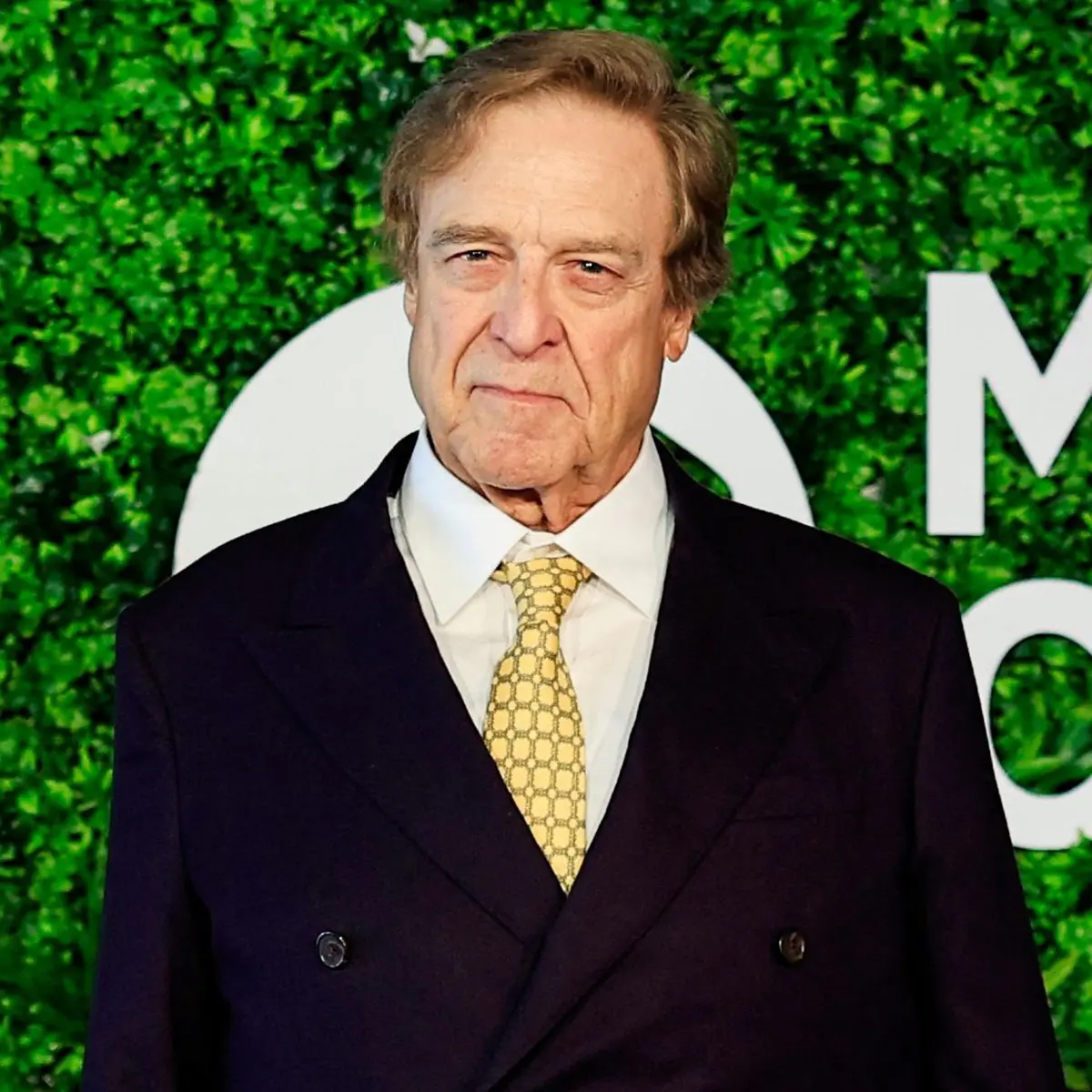
In the public consciousness, few actors are as immediately identifiable by their physical presence as John Goodman. For decades, the beloved character actor commanded the screen with an affable, larger-than-life warmth, famously tipping the scales at upwards of 400 pounds during his iconic run on ABC’s Roseanne. Yet, in recent years, a slimmer, vastly altered Goodman has repeatedly left audiences and media outlets astounded, having systematically shed half his body weight—a staggering 200-pound transformation.
Far from a sudden, fleeting Hollywood diet fad, Goodman’s evolution represents a multi-decade exercise in psychological reckoning, rigorous physical discipline, and sustainable lifestyle redesign. Eschewing the quick fixes that so often plague the entertainment industry, the 74-year-old Righteous Gemstones star has rebuilt his physical framework from the ground up.
This deep dive examines the anatomy of Goodman’s historic transformation. Moving beyond tabloid fascination, this report chronicles his journey from a debilitating cycle of alcoholism and compulsive overeating to a measured regime of portion control, Mediterranean nutrition, and boxing. Furthermore, it places Goodman’s narrative within the broader context of a cultural shift across Hollywood—where high-profile figures from Tammy Slaton and Jelly Roll to Oprah Winfrey and Al Roker are redefining what it means to age, heal, and reclaim physical autonomy in the public eye.
Detailed Chronology: The Decades-Long Path to Wellness
The Roots of the Struggle (The 1990s and Early 2000s)
During the height of Roseanne‘s cultural dominance in the 1990s, Goodman’s weight was largely treated as an immutable characteristic of his casting. Behind the scenes, however, a destructive physical and psychological toll was accumulating. When the original iteration of Roseanne went off the air in 1997—featuring an initial storyline where his character, Dan Conner, suffered a fatal heart attack—Goodman faced a profound internal void.
For years, that emptiness was masked by a severe battle with alcoholism. In interviews looking back at his three-decade struggle with the disease, Goodman did not mince words regarding its severity.
"It was 30 years of a disease that was taking its toll on everyone around me and it had got to the point where, every time I did it, it was becoming more and more debilitating. It was life or death."
The Turning Point: Sobriety in 2007
The foundational pillar of Goodman’s physical rebirth occurred in 2007, when he made the definitive decision to achieve lifelong sobriety. Cutting out alcohol removed an immense metabolic and psychological burden, yet it did not instantly solve his relationship with food. The underlying internal void remained, no longer drowned in liquor, but still occasionally vulnerable to being stuffed with excessive calories.
Reflecting on those transitional years, Goodman noted that recognizing the emotional nature of the craving was the breakthrough.
"You recognize it and go, ‘There it is.’ You don’t have to fill it with another pork chop or another drink… You just acknowledge that it’s there. You can’t fill it. And you go on and live with it."
The Paradigm Shift: Breaking the Cycle (2010–2018)
By 2010, the weight had reached a dangerous zenith—peaking near 400 pounds—and Goodman realized he was trapped in a repetitive, exhausting cycle. He famously remarked to People magazine in 2010 that "it takes a lot of creative energy to sit on your ass and figure out what you’re going to eat next."
Crucially, Goodman recognized the failure of his previous attempts at weight loss. In earlier years, he would drastically restrict his intake for three months, drop 60 or 70 pounds, and then reward himself with a six-pack of beer, instantly sliding back into old, destructive patterns.
To break this loop, he enlisted the expertise of renowned health coach Mackie Shilstone. Under Shilstone’s guidance, Goodman instituted a regimen built on consistency rather than crash dieting:
- Structured Exercise: Moving from a sedentary lifestyle to working out six days a week.
- Nutritional Overhaul: Eliminating refined sugars and adopting a Mediterranean-style diet rich in lean proteins, fish, vegetables, nuts, and healthy fats like olive oil.
- Portion Control: Moving away from emotional binge eating and practicing mindfulness around consumption.
By the time he returned to television for the Roseanne revival and its subsequent spinoff, The Conners, in 2018, Goodman had already lost roughly 200 pounds. Rather than seeking applause or positioning himself as a lifestyle guru, he approached his transformation with characteristic humility, stating:
"I don’t want to be an example to anybody when the weight comes thundering back on—when I start eating Crisco out of the can with a spoon and a side of confectioner’s sugar."
Supporting Context & Metrics: The Mechanics of Modern Maintenance
Goodman’s sustained success into his seventies is built upon a foundation of adaptable physical activity and realistic expectations. Rather than locking himself into a monotonous routine, the actor diversified his movement profile to protect his joints and maintain mental engagement.
The Boxing Routine
In recent years, Goodman’s primary athletic outlet has been boxing training. In a 2023 interview with Rolling Stone, he detailed his rigorous time in the gym:
- Duration: Sessions typically last between one and one-and-a-half hours.
- Activities: Hitting focus mitts, working heavy bags, and practicing footwork drills.
- Philosophy: While he enjoys the cardiovascular and coordination benefits of the sweet science, he remains practical about his limits, noting that he avoids sparring because "once I get whacked in the face, I don’t know if I wouldn’t lose it."
Low-Impact Alternatives and Daily Movement
On days when high-intensity boxing is not on the agenda, Goodman pivots to accessible, low-impact exercise. Whether taking his dogs on extended walks or utilizing an elliptical machine, his philosophy aligns with the idea that consistency trumps perfection.
Furthermore, Goodman has been candid about the physical realities of aging and his surgical interventions. Jokingly referring to his titanium knees as "bionic parts," he has embraced the reality that survival requires making peace with one’s physical scars and structural wear-and-tear.
Official Statements: In His Own Words
To fully appreciate John Goodman’s mindset, one must examine the raw, unfiltered candor with which he has addressed his body image and health over the years:
- On the catalyst for change: "Quite simply, he’d grown sick and tired of feeling sick and tired. You’re shaving in the mirror and you don’t want to look at yourself. It gets dangerous."
- On his dietary philosophy: "It was basically just portion control, and ‘I don’t need it.’ I was just shoving everything into my mouth."
- On rejecting the ‘guru’ status: "I wanted to do it slowly, move, exercise. I’m getting to the age where I can’t afford to sit still anymore. And it gives me the energy to work, ’cause work is very draining."
- On physical acceptance and resilience: "You live through enough and survive, you have to make peace with your flaws and your broken pieces."
Future Outlook: Hollywood’s Wider Wellness Evolution
John Goodman’s 200-pound metamorphosis does not happen in a vacuum. Across the entertainment and public sphere, a broader cultural reassessment of health, weight, and bodily autonomy is actively taking place. Figures across generations are rewriting their personal narratives, proving that physical transformation is deeply personal, non-linear, and inextricably linked to mental well-being.
A Spectrum of Resilience
- Tammy Slaton: The star of TLC’s 1,000-Lb. Sisters achieved a monumental milestone, dropping from a peak of over 700 pounds down to roughly 238 pounds following bariatric surgery in 2022 and sustained lifestyle modifications praised by her medical team.
- Jelly Roll: The genre-bending artist has openly charted his journey from 540 pounds down to the mid-300s, framing obesity through the lens of mental health and utilizing hydration, cold plunges, and nutritional diligence.
- Al Roker: The venerable TODAY weatherman maintains his hard-fought 100-pound weight loss achieved via gastric bypass and disciplined daily walking (aiming for 10,000 steps), adhering to the mantra that "something is better than nothing."
- Jason Kelce: The retired NFL center transitioned into retirement by shedding over 25 pounds from his playing weight, prioritizing joint health, back relief, and the physical stamina required to keep pace with his four young daughters.
- Oprah Winfrey: For decades, Winfrey has served as an open book regarding her weight fluctuations, eventually embracing a multi-pronged approach combining portion control, active living, and medical weight-loss management to eradicate shame and stigma.
- Lizzo: Emphasizing mental health over aesthetic conformity, the pop superstar celebrated significant improvements in her Body Mass Index (BMI) and body fat percentage through dedicated exercise, reminding her audience that the ultimate metric of success is personal happiness.
Conclusion: The Continuing Journey
As John Goodman steps into his mid-seventies with a frame that leaves admirers continually stunned, his legacy expands far beyond his iconic film and television roles. He stands as a testament to the fact that it is never too late to rewrite one’s physical destiny. By trading impulsive overconsumption for mindful portion control, and destructive vices for disciplined movement, Goodman has proven that true transformation is not about achieving an impossible standard—it is about securing the vitality required to keep showing up, both on screen and in life.