

Executive Overview
The fast-food landscape is experiencing a seismic shift, and one of America’s most iconic legacy brands is fighting tooth and nail to reclaim its footing. Wendy’s—long celebrated for its square fresh-beef patties, irreverent marketing, and foundational commitment to quality—has slipped to the number-three spot among U.S. burger chains, trailing both undisputed industry titan McDonald’s and long-time rival Burger King.
For decades, the battle for the American fast-food palate was a two-horse race punctuated by the occasional challenger. Today, however, margin compression, shifting consumer demographics, inflation-weary diners, and internal missteps have drastically altered the playing field. To reverse this slide, the company has installed a new chief executive officer, Bob Wright, who has taken the helm with a blunt diagnosis of the brand’s ailments and an ambitious, aggressive five-point turnaround plan.
At the center of Wright’s strategy is a dual-pronged assault focusing on uncompromising food quality and relentless value—two pillars that he believes the brand strayed from during a period of regrettable "quality degradation." To signal this renewed commitment to consumers, Wendy’s has rolled out a high-profile, aggressive promotional campaign: the iconic Dave’s Single combo meal priced at just $7.99.
This move is far more than a simple menu discount; it is a calculated referendum on the brand’s heritage, designed to remind cash-strapped and skeptical consumers why they fell in love with Wendy’s in the first place. Yet, the road ahead is fraught with challenges. With plans to shutter hundreds of underperforming locations following a bruising slump in same-store sales, Wright and his executive team must simultaneously prune the fat, reinvigorate franchisee confidence, and spark a marketing renaissance. This is the story of how Wendy’s aims to rewrite its future, vanquish Burger King, and recapture its legendary status in the fast-food pantheon.
Detailed Chronology: From Market Slippage to the $7.99 Turning Point
To understand the urgency driving Wendy’s current strategic maneuvers, one must examine the timeline of events that led the Ohio-based chain to its current juncture. The turbulence did not happen overnight; rather, it was the culmination of macroeconomic pressures intersecting with internal strategic drift.
The Warning Signs and Financial Pressures
The early warning signs for Wendy’s began accumulating as inflationary pressures choked consumer discretionary spending. Fast-food patrons, historically resilient during economic downturns, began pushing back against relentless price hikes across the drive-thru sector. For Wendy’s, this consumer fatigue translated into a catastrophic fourth-quarter slump, during which U.S. same-store sales plummeted by an alarming 11.3%.
The financial fallout was immediate and severe. Recognizing that bloated footprints and underperforming stores were draining corporate and franchisee resources alike, leadership made the difficult decision earlier this year to announce plans to close up to 358 U.S. restaurants. This aggressive pruning was framed as a necessary surgical strike to stabilize the brand’s financial health and redirect capital toward high-performing assets and digital infrastructure.
The Leadership Hand-Off and the Five-Point Plan
Recognizing the urgent need for structural and cultural realignment, the board brought in Bob Wright as the new CEO. Wright wasted no time diagnosing the root causes of the brand’s decline. In candid assessments that sent ripples through the industry, Wright pointed directly to "quality degradation" as the primary culprit for Wendy’s loss of market share.
Under his leadership, Wright introduced a comprehensive, five-point turnaround plan designed to systematically overhaul the customer and employee experience. The strategy focuses on:
- Food Quality: Returning to the rigorous, uncompromising standards established by founder Dave Thomas.
- Value Proposition: Rebuilding trust through transparent, compelling pricing tiers.
- Operations: Streamlining kitchen execution, reducing drive-thru times, and empowering store-level teams.
- Store Upgrades: Modernizing physical locations through remodels, enhanced digital ordering kiosks, and optimized layouts.
- Marketing: Elevating the brand narrative to better connect with a younger, digitally native audience while reassuring loyalists.
The Value Offensive: Introducing the $7.99 Dave’s Single Combo
As part of the value pillar within Wright’s turnaround strategy, Wendy’s took a decisive step in January by launching a permanent "Biggie Deals" menu featuring structured $4, $6, and $8 price tiers. This established a baseline of affordability that resonated well with budget-conscious diners navigating a volatile economic landscape.
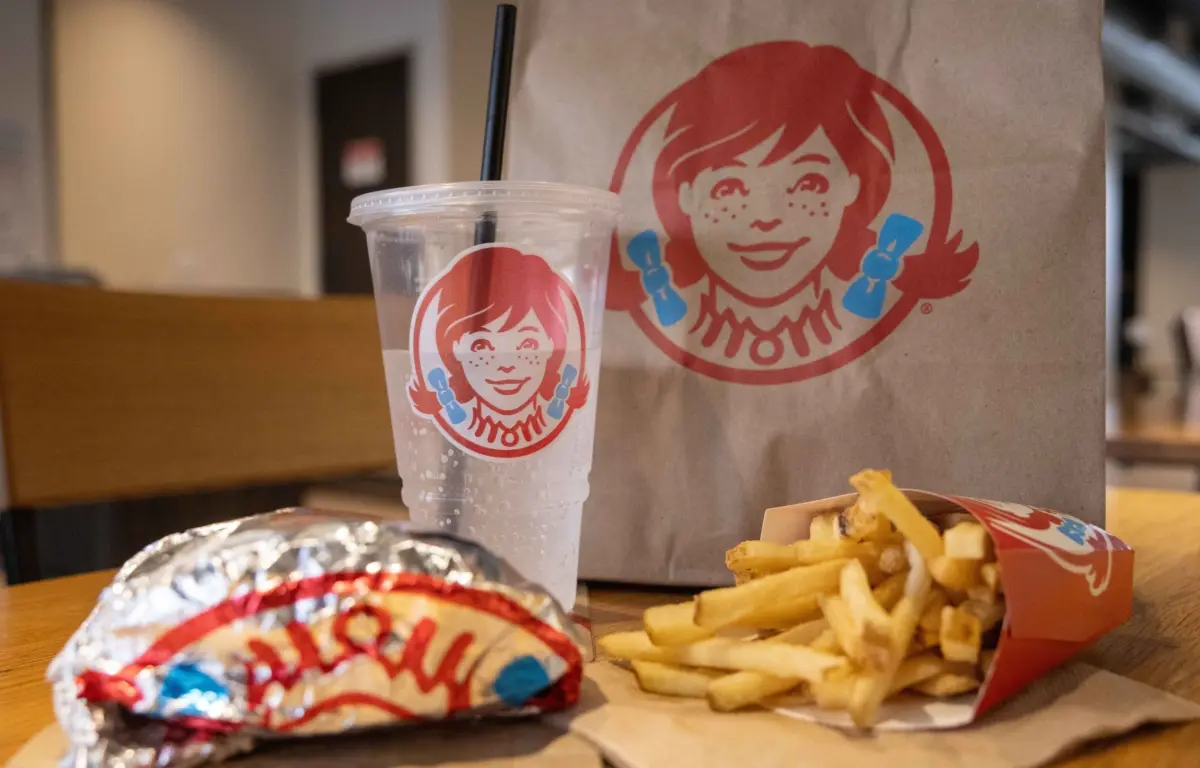
However, the definitive turning point in this tactical offensive arrived on October 19. Wendy’s launched a limited-time promotional blitz across participating U.S. locations, offering the iconic Dave’s Single combo meal for just $7.99. This value-oriented package includes the signature quarter-pound fresh beef burger—a direct nod to the late founder Dave Thomas and one of the original five items that birthed the chain—alongside an order of small, natural-cut sea-salted fries and a small soft drink. By anchoring this aggressive price point to an iconic, high-equity menu item, Wendy’s is signaling to the market that affordability does not have to come at the expense of culinary integrity.
Supporting Context & Metrics: The Quick-Service Burger Wars
The quick-service restaurant (QSR) burger segment is a multi-billion-dollar colossus characterized by razor-thin margins, fierce competition, and an unrelenting battle for "share of stomach." To comprehend the gravity of Wendy’s current positioning, one must analyze the broader market dynamics and the competitive metrics governing the top tier of the industry.
The Hierarchy of the Bun
For years, McDonald’s has maintained an unassailable lead at the apex of the U.S. burger market, leveraging unmatched global supply chain efficiencies, ubiquitous real estate, and massive marketing budgets. The real battleground for dominance has historically played out in the fiercely contested runner-up positions.
For an extended period, Wendy’s held a comfortable grasp on the number-two position, priding itself on its "fresh, never frozen" beef positioning and a perceived higher quality tier compared to its legacy rivals. However, aggressive promotional strategies, extensive menu diversification, and aggressive digital loyalty integrations by Burger King allowed the latter to edge past Wendy’s, dropping the latter into third place.
This demotion is more than a symbolic blow; it carries tangible financial consequences. Market share loss diminishes franchisee profitability, weakens supplier negotiating power, and reduces the brand’s visibility in an increasingly crowded media ecosystem.
The Macroeconomic Squeeze on the American Consumer
The timing of Wendy’s market slide coincides with a broader behavioral shift among American diners. Following years of post-pandemic inflation, fast-food prices had crept upward to levels that frequently rivaled casual dining establishments. Consumers began experiencing "menu price fatigue," leading to measurable traffic declines across the entire QSR sector.
According to retail analytics and fast-food industry reports, value meals have transformed from occasional promotional gimmicks into core operational necessities. Brands that fail to offer compelling, transparent value propositions risk losing their customer base entirely to grocery store prepared foods, convenience store dining, and discount-driven competitors.
Wendy’s pivot toward the $7.99 Dave’s Single combo and the tiered Biggie Deals menu is a direct tactical response to this macroeconomic reality. By targeting the psychological sweet spot under the $10 threshold for a complete meal, Wendy’s is attempting to capture the lucrative lunch and dinner crowds who are carefully calculating every dollar spent on convenience.
Official Statements and Corporate Insights
The strategic pivot currently underway at Wendy’s is underscored by a series of candid communications from corporate leadership and official press releases detailing the brand’s forward-looking vision.
In a statement accompanying the launch of the $7.99 Dave’s Single combo meal, company representatives emphasized the intersection of heritage and modern value:
"At Wendy’s, we believe that convenience and affordability should never compromise the integrity of the food we serve. The Dave’s Single is more than just a burger; it is the embodiment of our founder Dave Thomas’s original promise—fresh beef, prepared right, and served with pride. By offering this iconic meal at an accessible price point, we are delivering the value our customers are asking for without ever cutting corners."
CEO Bob Wright has been notably transparent regarding the missteps of the past, acknowledging that the brand allowed its operational standards to slip during periods of rapid expansion and inflationary turbulence. In various internal and public forums outlining his five-point plan, Wright noted:
"We lost our way slightly by allowing quality degradation to creep into our operations. When consumers choose Wendy’s, they are paying for a superior fresh-beef product and an exceptional experience. Our turnaround plan is not about reinventing the wheel; it is about returning to our core strengths—uncompromising food quality, operational excellence, smart store upgrades, aggressive value creation, and bold, memorable marketing that puts the customer first."
Industry analysts have generally responded favorably to this candid self-assessment, noting that executive accountability is the crucial first step in any successful corporate rehabilitation. However, analysts also caution that rhetoric must be swiftly matched by consistent execution at the restaurant level if Wendy’s hopes to reclaim its lost throne.
Future Outlook: Can Wendy’s Overthrow Burger King?
As Wendy’s looks toward the horizon of 2026 and beyond, the ultimate question facing investors, franchisees, and fast-food enthusiasts alike is whether Bob Wright’s aggressive playbook will succeed in leapfrogging Burger King and closing the gap on McDonald’s.
The Execution Challenge at the Franchise Level
The grandest corporate strategy is only as effective as the teenager flipping burgers or the shift supervisor managing the drive-thru window on a chaotic Friday night. For Wendy’s, executing the five-point turnaround plan requires total alignment across its vast network of franchisees.
Closing up to 358 underperforming stores is a necessary surgical procedure, but the remaining franchise owners must feel confident that investments in store upgrades, digital ordering kiosks, and labor training will yield tangible returns. Wright’s emphasis on operational excellence means that speed of service, order accuracy, and product consistency must improve uniformly across all locations. If a customer orders a promotional $7.99 Dave’s Single combo and receives a cold burger or soggy fries due to lax kitchen standards, the brand’s efforts to win back trust will be severely undermined.
The Digital and Marketing Frontier
Beyond food quality and pricing, the future of QSR dominance rests heavily on digital engagement and loyalty ecosystems. Competitors have poured massive resources into mobile apps, personalized offers, and data-driven marketing campaigns designed to lock consumers into closed-loop ecosystems.
Wendy’s must continue to modernize its digital infrastructure. While traditional television and digital ad campaigns celebrating the legacy of Dave Thomas provide powerful brand recognition, capturing the loyalty of younger demographics requires seamless mobile ordering, gamified reward programs, and hyper-targeted promotions.
The Verdict
The fast-food wars are notoriously unforgiving, but Wendy’s possesses a unique advantage that many competitors lack: a deeply embedded cultural heritage and an iconic menu item that resonates across generations. The square fresh-beef patty is a distinctive visual and culinary differentiator in a sea of round, frozen competitors.
If Bob Wright and his leadership team can successfully execute their five-point plan—purging underperforming assets, restoring unwavering dedication to food quality, modernizing physical and digital infrastructure, and maintaining a sharp, competitive value proposition like the $7.99 Dave’s Single combo—Wendy’s will be well-positioned to overtake Burger King and reassert its status as an elite powerhouse in the American fast-food industry. The battle for the crown is officially underway, and the grill is hotter than ever.