

Executive Overview
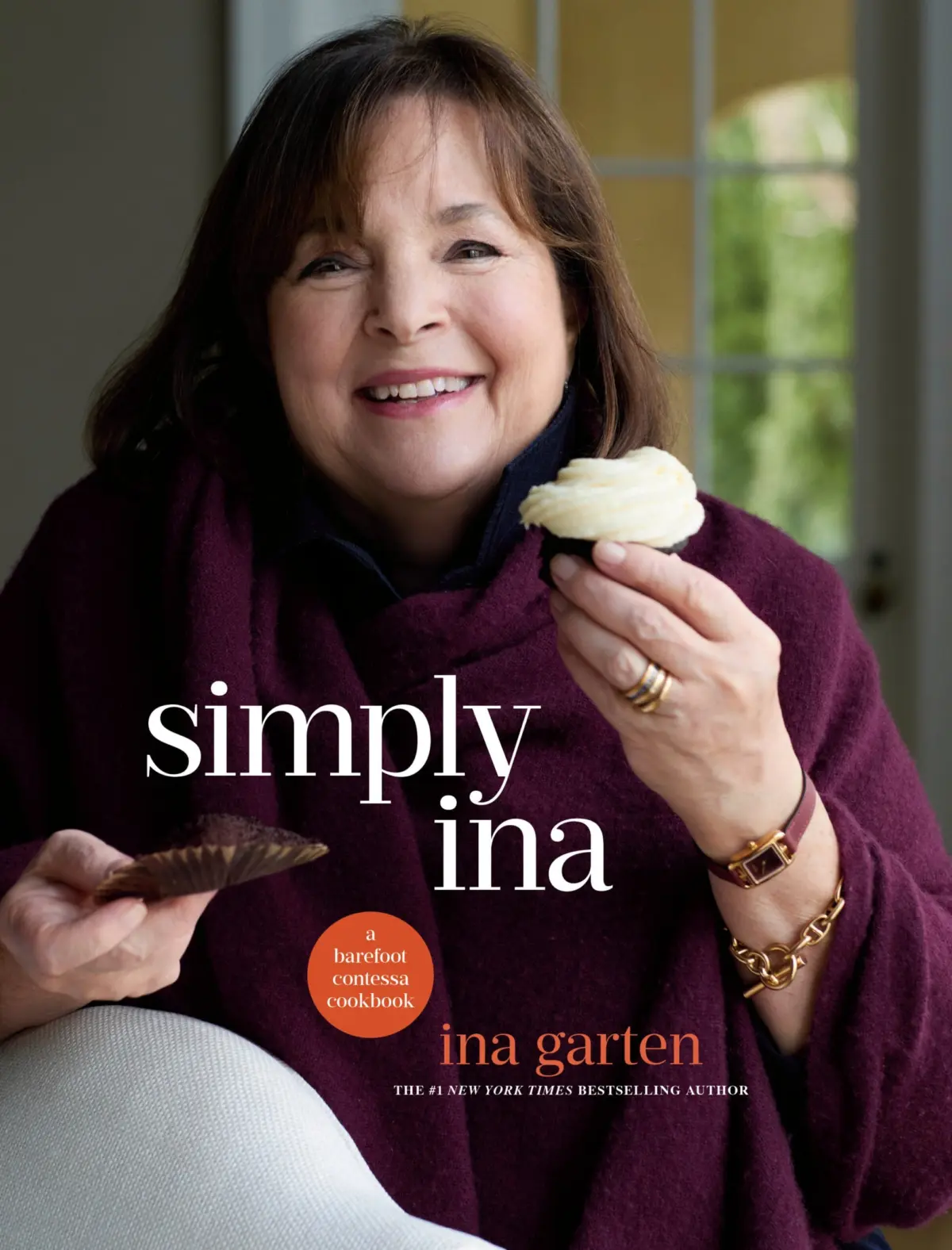
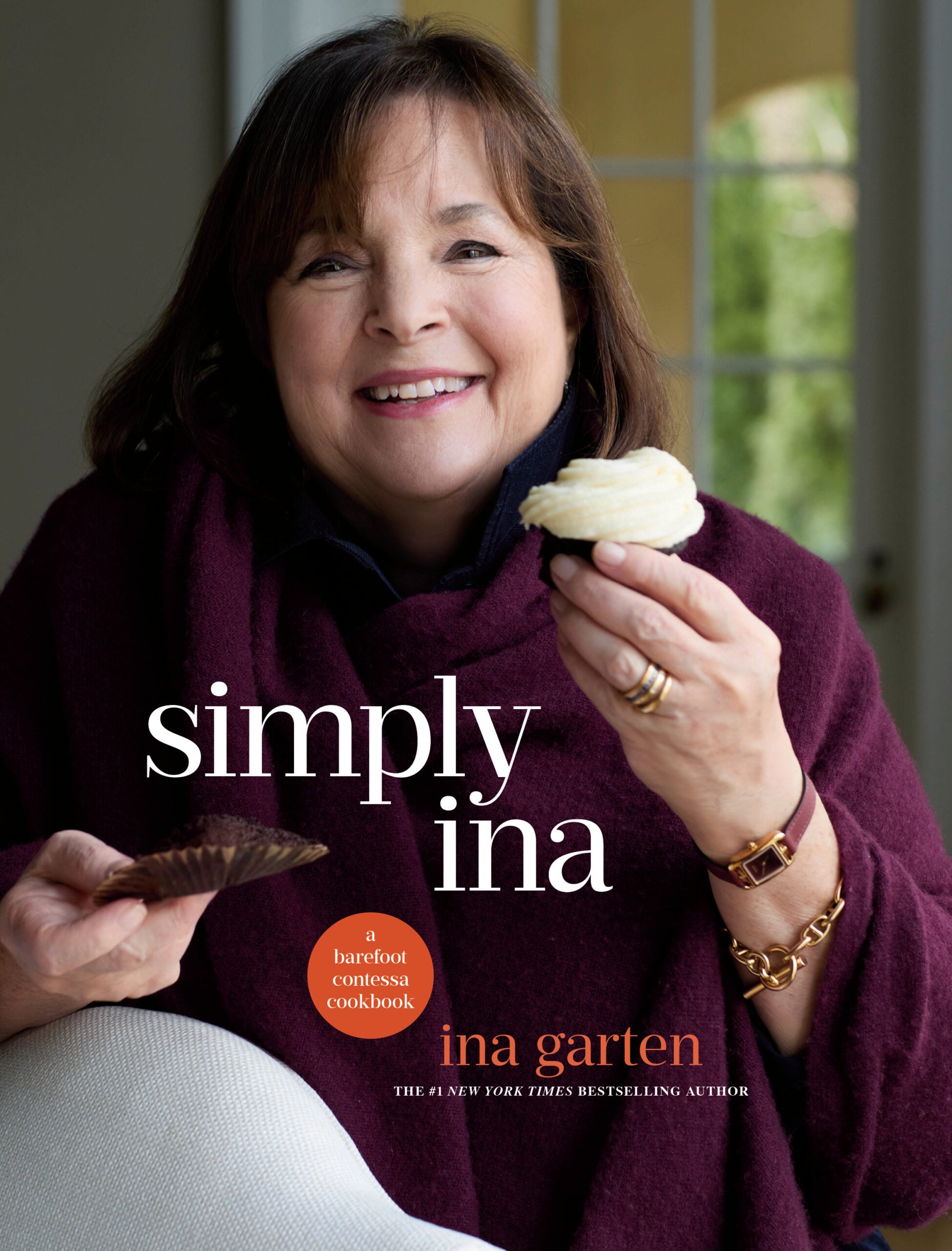
For decades, the name Ina Garten has been synonymous with approachable elegance, unfailing reliability, and the quiet, radiant joy of home cooking. Since trading her career as a nuclear budget analyst in Washington, D.C., for the sun-drenched aisles of a specialty food store in the Hamptons, Garten has evolved from a beloved specialty purveyor into a cultural institution. With the release of her 14th cookbook, Simply Ina, the culinary icon demonstrates once again why her voice remains singular in an increasingly crowded media landscape.
In a wide-ranging, candid conversation with food writer and cookbook author Casey Elsass, Garten pulled back the curtain on her creative process. She discussed the inspiration behind her latest book, her surprising embrace of time-saving grocery store shortcuts, the evolution of her palate, and the philosophy that has guided her career: that cooking should be an act of community, not a test of endurance. This comprehensive report examines the interview highlights, places Simply Ina within the broader context of contemporary food culture, and explores the enduring legacy of America’s most trusted culinary host.
Detailed Chronology: From the Hamptons to Zoom
The path to securing an interview with Ina Garten is rarely straightforward, given her legendary status and demanding production schedules. However, buoyed by the sports-mantra-turned-pop-culture-catchphrase—"You miss 100% of the shots you don’t take"—Elsass cast his line into the digital ether. When editorial confirmation arrived via Kaitlyn, an editor at Cup of Jo, specifying a rigid date and time, the response was immediate: "Literally nothing could be more important. I will cancel everything!"

What followed was a rare, hour-long face-to-face encounter via Zoom between Elsass and his longtime idol. Eschewing the stiff formality typical of high-profile junkets, the conversation unfolded with mutual warmth and frequent laughter.
Finding Inspiration Across the Globe
When asked what keeps her motivated to step into the kitchen after publishing fourteen books, Garten pointed to the perpetual motion of discovery. Inspiration, she noted, strikes anywhere.
- The French Connection: A recent trip to the South of France yielded an unexpected revelation at a local restaurant—a bourbon sour infused with chocolate liqueur and vanilla. Struck by its brilliance, Garten promptly recreated the cocktail upon returning home.
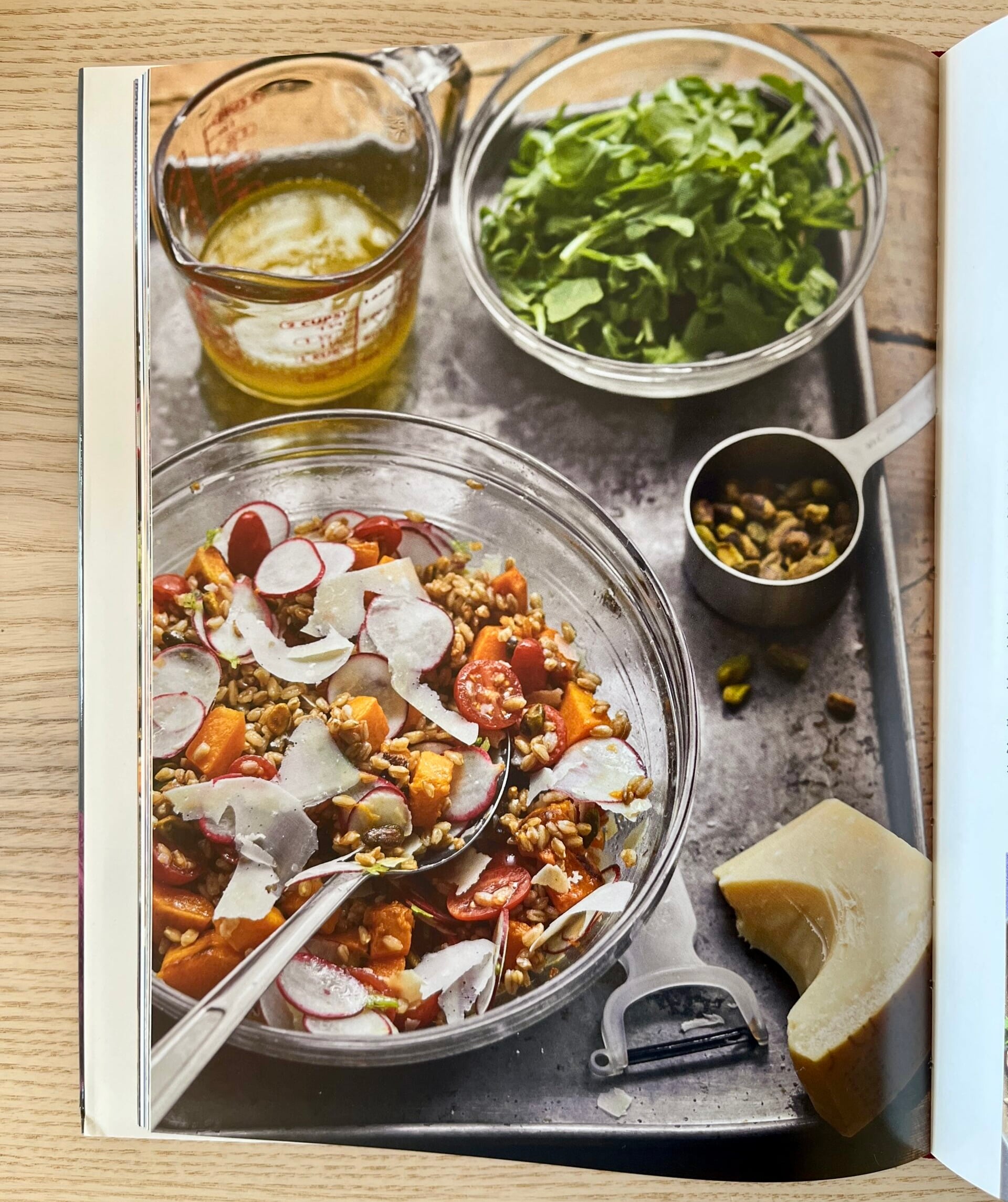
- The New York Nod: Simply Ina also features a nod to urban dining culture, adapting the famed farro salad from Charlie Bird in New York City. After consulting with chef Ryan Hardy about his seasonal variations, Garten developed an autumn iteration incorporating butternut squash, bridging the gap between high-end restaurant fare and home-kitchen execution.
Supporting Context & Metrics: The Philosophy of "Simple"
The foundational premise of Simply Ina addresses a universal home-cook dilemma: How do I make something wonderful without making it harder than it needs to be?

This question reflects a broader evolution in Garten’s culinary philosophy. While her earlier works established foundational techniques for scratch-cooking, her contemporary approach is defined by strategic efficiency.
The Rise of the High-End Shortcut
During the interview, Garten reflected on recipes from twenty years ago, admitting that she often asks herself, "Why on earth was I doing that?" Rather than relying solely on labor-intensive scratch methods, modern Garten recipes thoughtfully incorporate vetted commercial products that elevate a dish without sacrificing integrity.
- The Marinara Benchmark: Garten has long championed high-quality jarred sauces, such as Rao’s marinara, sparing home cooks the hours-long simmer of a from-scratch tomato sauce.
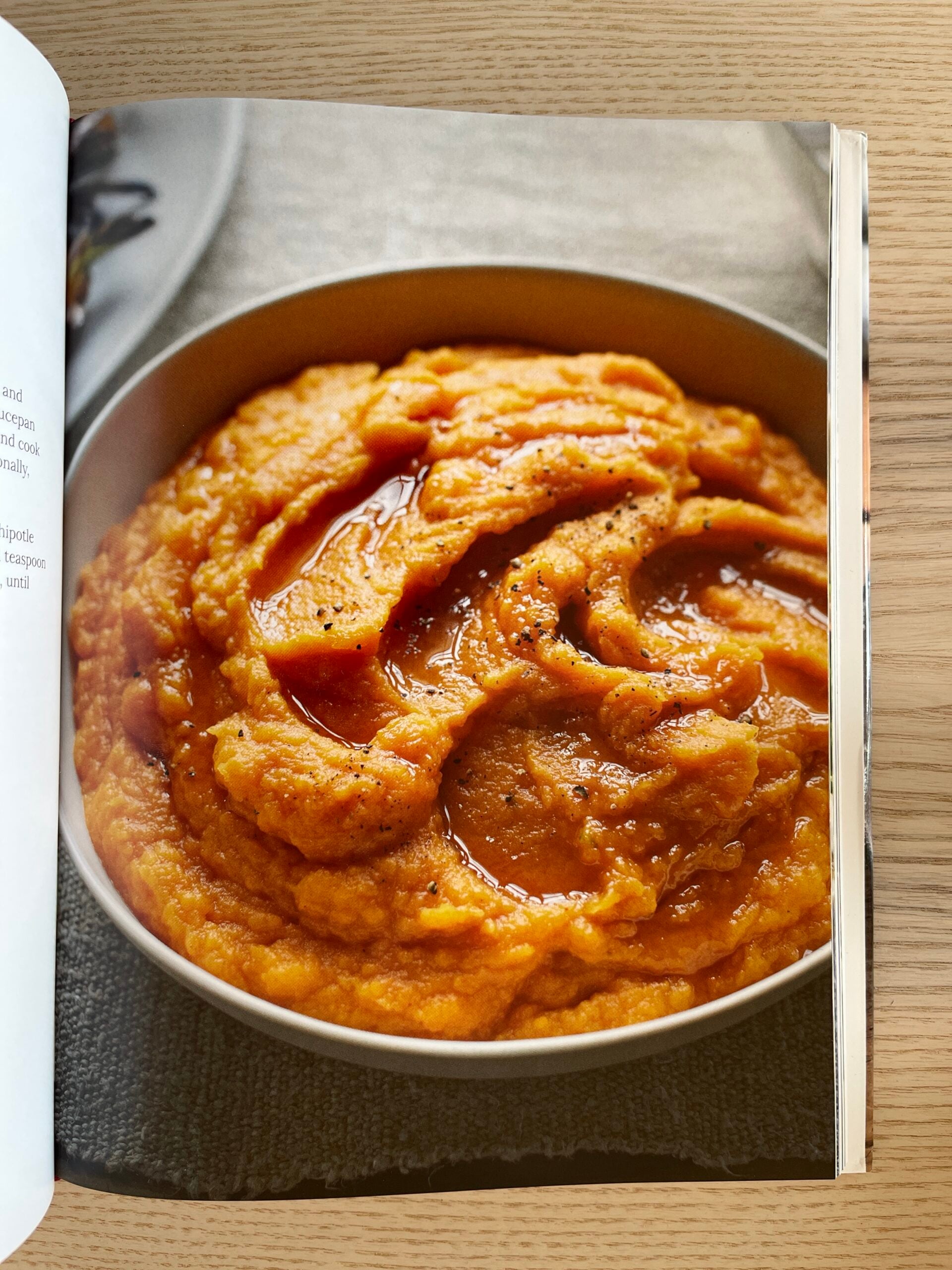
- The Trader Joe’s Revelation: In Simply Ina, a recipe for Chipotle Maple Mashed Sweet Potatoes bypasses the traditional step of roasting and skinning tubers. Instead, Garten discovered a remarkably good pre-mashed sweet potato product at Trader Joe’s, enhancing it with chipotle powder, maple syrup, butter, salt, and pepper. Her verdict on the convenience economy? "Nobody would ever know that I didn’t roast a sweet potato." She even shared a humorous anecdote about her first trip to Trader Joe’s, where she attempted to pay for five prepared items, only to be stunned by a total of $14.70. Her reaction—"Why does anybody ever cook anymore?"—underscores her pragmatic, no-nonsense approach to modern eating.
The Anatomy of an "Ina Recipe"
Every recipe in a Garten cookbook undergoes rigorous testing—often up to 20 iterations—before earning its place on the page. Her editorial criteria are strict:
- Flavor Enhancement: The primary ingredient must taste more like itself.
- Texture and Balance: Elements like butter are introduced to provide unctuous richness, while spices like chipotle offer precise structural balance.
- The Three-Flavor Rule: Garten maintains a strict psychological threshold for complexity. "If there are more than three flavors in a recipe, it gives me a headache."
- The Ingredient Economy: Every single component must justify the consumer’s effort—getting in a car, driving to the grocery store, spending hard-earned money, and storing the leftovers. If an ingredient cannot pull its weight, it is ruthlessly cut.
Official Statements & Personal Insights
Beyond the mechanics of recipe development, the conversation touched on human connection, the art of podcasting, and Garten’s steadfast commitment to the home cook.
The Art of the Interview
Having transitioned into podcasting with her series Happy Hour, Garten reflected on the parallels between hosting a dinner party and conducting an audio interview. Moving past surface-level pleasantries, she has learned the value of the follow-up question—pausing to ask guests, "What did you mean by that?" rather than rushing to the next item on a script.
She also shared vulnerable behind-the-scenes insights regarding pre-interview nerves. Describing her meeting with fellow food personality Alison Roman, Garten noted that a welcoming embrace instantly melted away professional tensions. "When she walked off the elevator and I gave her a big hug, I could feel her go, Whew. Then we were off to the races."
Navigating Food Culture
Despite seismic shifts in restaurant culture and digital food media over the past several decades, Garten’s culinary point of view has remained remarkably singular. While chefs innovate with hyper-modern techniques, she maintains that domestic desires remain steadfast. "People want very simple food at home. They want roast chicken, roast carrots, coconut cupcakes."
At the same time, she is not entirely resistant to evolution. The introduction of modern flavor boosters—such as truffle butter, which elevates a classic egg salad into a sophisticated experience—proves that her palate continues to refine itself.
The Lightning Round: Quick-Fire Preferences
To cap off the conversation, Garten engaged in a rapid-fire session revealing her personal favorites:
- Fast Food: In-N-Out Double-Double Animal Style burger (noting it is Julia Child’s classic order).
- Ice Cream: Häagen-Dazs Vanilla Bean.
- Essential Ingredient: Beurre de baratte butter with flaked sea salt for its crunch and depth of flavor.
- Culinary Nemesis: Cilantro.
- Cooking Soundtrack: Pink Martini.
- Most-Used Emojis: The red heart and the sideways laughing face.
- Comfort Movie: Nancy Meyers’ Something’s Gotta Give.
- Dream Teleportation Destination: Le Voltaire in Paris for classic French bistro fare, followed by a midnight walk through Parisian streets.
Future Outlook
As Simply Ina hits bookstore shelves this October, its release marks more than just a milestone for its author; it represents a reaffirmation of domestic comfort in an increasingly frantic world. While food trends wax and wane—cycling through hyper-complicated techniques, niche diet fads, and social-media-driven novelties—Ina Garten’s enduring appeal lies in her absolute clarity of purpose.
By empowering home cooks to embrace smart shortcuts without compromising on taste, Garten ensures that the kitchen remains a welcoming space rather than a source of stress. Through her books, her podcast, and her unwavering hospitality, she continues to prove that the ultimate goal of cooking is not perfection, but community. As she reminds us time and again, when you keep things simple, people show up—and the table is always large enough for everyone.