

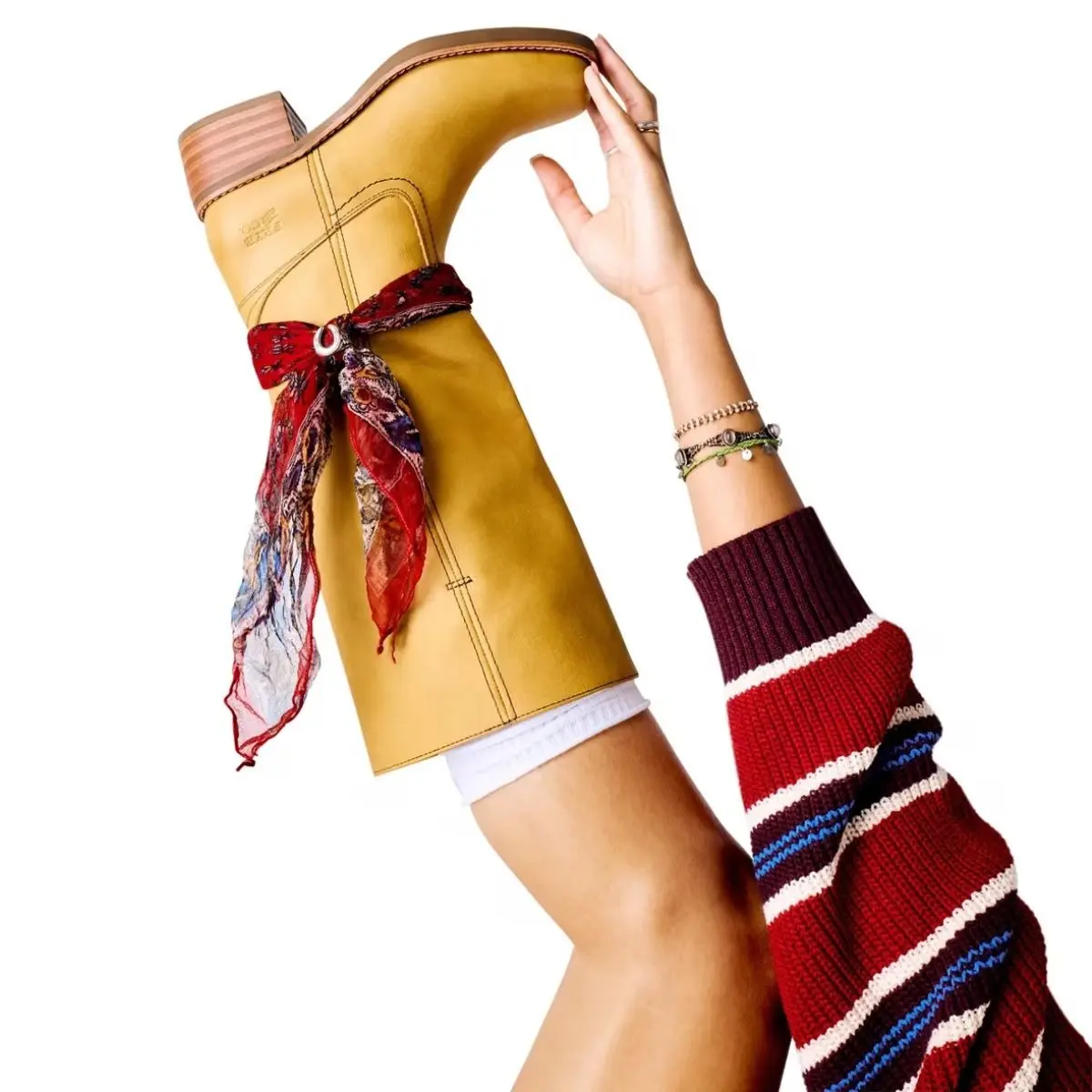
Executive Overview
Every autumn, the fashion industry undergoes a subtle yet fierce competition to crown a single footwear silhouette as the undisputed champion of the season. In previous years, the throne has been occupied by chunky lug-sole loafers, slouched kitten heels, and minimalist ballet flats. However, as the leaves turn and the temperature drops, the sartorial pendulum has swung decisively toward a classic piece of heritage footwear: the traditional equestrian riding boot.
Channeling an effortless "horse girl" aesthetic that marries aristocratic heritage with everyday practicality, the riding boot has officially returned to dominance. This revival does not exist in a vacuum. It arrives alongside a broader cultural and stylistic shift defined by the resurgence of 2010s skinny jeans, the ubiquity of utility barn jackets, and an overarching craving for "quiet luxury"—that elusive "If You Know, You Know" (IYKYK) energy. Characterized by a sleek, knee-high silhouette, premium leather uppers, a functional flat or low block heel, and a palette rich in chocolate browns, deep burgundies, distressed tans, and timeless blacks, riding boots have re-established themselves as the ultimate wardrobe workhorse.
Far from being restricted to the equestrian circuit, today’s riding boot is a versatile chameleon. It pairs seamlessly with flowy boho dresses, tailored trench coats, and tucked-in denim. More importantly, modern fashion houses and footwear brands have recognized the historical shortcomings of traditional tall boots, rolling out inclusive sizing options—including wide and extra-wide calf designs—to ensure that the trend is as democratic as it is stylish.
This comprehensive report examines the cultural roots of the riding boot revival, details the top market contenders dominating retail spaces, explores consumer metrics driving the trend, and outlines the future outlook for fall footwear.
Detailed Chronology: From Stable Yards to the Autumn Runways
To understand how the riding boot reclaimed its crown in contemporary fashion, one must trace its journey from a functional piece of riding equipment to a global style statement.
Origins of Utility (Pre-20th Century)
Originally designed for horseback riding, the classic riding boot served a strictly utilitarian purpose. The tall shaft protected the rider’s calves from friction against the horse’s flanks and saddle leathers, while the slight heel prevented the foot from slipping entirely through the stirrup. Crafted from heavy-duty, treated leather, these boots were built to withstand the mud, rain, and rigorous demands of stable life and country estates.
The Mid-Century Countryside and Equestrian Chic (1970s–1990s)
As high fashion began borrowing heavily from British country pursuits and aristocratic leisure, the riding boot transitioned from the paddock to the pavement. Icons of the 1970s and 1990s embraced knee-high boots as symbols of effortless, patrician elegance. Whether paired with tweed blazers or simple turtlenecks, the boot became synonymous with understated wealth and outdoor sophistication.
The 2010s Peak and Subsequent Lull
The riding boot experienced a massive commercial peak during the early 2010s, coinciding with the height of the skinny-jeans-and-cardigan era. During this period, almost every major high-street and luxury brand offered a variation of the classic harness or buckled knee-high boot. However, as fashion cycled through the athleisure boom, chunky sneaker crazes, and the hyper-relaxed silhouettes of the late 2010s and early 2020s, the structured riding boot faded into the background, deemed by some trend forecasters as too traditional or restrictive.
The 2026 Great Equestrian Revival
Fast forward to the current autumn season, and the riding boot has executed a triumphant comeback. Propelled by runway revivals and a collective cultural nostalgia for heritage styling, designers have reimagined the silhouette. Modern iterations blend structural integrity with modern comfort technologies—such as memory foam footbeds and flexible stretch panels—solidifying the riding boot’s status as the definitive shoe trend of the year.
Supporting Context & Metrics: The Anatomy of a Retail Phenomenon
The resurgence of the riding boot is not merely a stylistic coincidence; it is backed by shifting consumer behaviors, search metrics, and an evolving retail landscape that prioritizes longevity and versatility over fast-fashion disposability.
The "Quiet Luxury" and IYKYK Factor
In an era where logomania is increasingly viewed as dated, consumers are seeking items that convey sophistication without screaming for attention. The riding boot fits this mandate perfectly. Its clean lines, lack of excessive branding, and association with traditional craftsmanship give it an immediate air of pedigree. It projects an effortless "just came from the country estate" aesthetic, even for urban dwellers who have never interacted with a horse.
Inclusive Sizing as a Market Driver
Historically, knee-high boots faced significant criticism from consumers for narrow calf limitations, alienating a large percentage of shoppers. A pivotal shift in the 2026 market is the democratization of the trend. Major footwear brands—ranging from contemporary labels like Vince Camuto to comfort-focused giants like Dr. Scholl’s and Naturalizer—have prioritized wide-calf and extra-wide-calf options. This inclusivity has drastically expanded the addressable market, driving higher conversion rates and sustained online searches for "wide calf tall boots."
The Multi-Brand Ecosystem
The current market is characterized by a healthy tiered pricing structure, ensuring that the equestrian trend is accessible to every demographic:
- The Luxury Tier: Brands like Reformation offer buttery-soft leather investment pieces that promise to age gracefully, developing a rich patina over years of wear.
- The Contemporary & Designer-on-Sale Tier: High-end names like Michael Kors, Vince Camuto, and Sam Edelman deliver structured elegance, frequently boosted by promotional retail discounts (such as deep markdowns on classic zip-up silhouettes).
- The Accessible & Comfort-First Tier: Labels like Frye & Co., Crown Vintage, Steve Madden, Naturalizer, Dr. Scholl’s, and Dream Pairs bridge the gap between high-fashion aesthetics and everyday wearability, offering price points ranging from under $100 to $200.
Curated Market Contenders: The Chicest Equestrian Boots to Shop Now
For fashion enthusiasts looking to invest in the trend, the market offers a diverse array of options catering to various price points, comfort needs, and stylistic nuances.

1. The High-Glamour Splurge: Michael Kors Royce Riding Boot
Offering designer craftsmanship at a remarkable value during promotional windows, the Michael Kors Royce boot features a sleek, polished finish accented by a subtle, understated iteration of the brand’s signature gold logo. Its zip-up construction ensures a streamlined fit against the leg.
2. The Cult-Favorite Alternative: Frye & Co. Miranda 14 Boot
For shoppers captivated by the viral luxury "Banana Boots" circulating across social media—which often retail near the $500 mark—Frye & Co. has introduced the Miranda 14. This nearly identical iteration captures the coveted heritage silhouette and premium look for under $200, making viral aesthetic accessibility a reality.
3. The Minimalist Modernist: DREAM PAIRS Women’s Knee High Riding Tall Boots
Combining modern architectural sensibilities with traditional comfort, these square-toe boots incorporate discreet stretchy side panels. This thoughtful design element ensures a snug, custom-like fit while maintaining a clean, minimalist exterior profile.
4. The Authentic Traditionalist: Sam Edelman Penny Riding Boot
True to its name, the Sam Edelman Penny boot is the epitome of classic equestrian styling. Tall, streamlined, and finished with a classic round toe, it delivers an authentic, "just stepped out of the paddock" aesthetic that anchors any fall wardrobe.
5. The Western-Injected Hybrid: Crown Vintage Feya Boot
Blurring the lines between equestrian tradition and Western flair, this knee-high boot features a half-zipper closure and subtle structural cues that nod to cowboy boot heritage, offering a distinct edge for transitional fall styling.
6. The Moto-Infused Rebel: Steve Madden Sady Boot
For those who prefer a touch of edge with their heritage wear, the Steve Madden Sady boot incorporates hardware accents—including strategic buckles at the base and top of the shaft—giving soft, rich leather uppers a subtle motorcycle-inspired attitude.
7. The Ergonomic Essential: Naturalizer Women’s Tiernan Knee High Boot
Prioritizing all-day wearability without sacrificing style, Naturalizer’s Tiernan boot features advanced contoured cushioning built into textured faux-leather uppers, beautifully detailed with classic straps and hardware buckles.
8. The Memory Foam Sanctuary: Dr. Scholl’s Joplin Wide Calf Tall Boot
Addressing the intersection of comfort and inclusive sizing, Dr. Scholl’s offers a square-toe riding boot elevated by a short, chunky heel for gentle height. Lined with signature memory foam cushioning and available in multiple colorways and wide-calf measurements, it is built for endless walking.
9. The Polished Classic: Vince Camuto Bercla Knee High Riding Boot
Characterized by an authentic aged-bourbon leather finish, a modest block heel, and restrained gold-toned hardware, the Vince Camuto Bercla strikes the ideal balance between everyday practicality and subtle glamour, complete with extended wide-calf sizing.
10. The Investment Piece: Reformation Frances Knee High Boot
For consumers committed to sustainable luxury and long-term wardrobe building, the Reformation Frances square-toe boot utilizes premium, ultra-soft leather uppers designed to soften, mold, and improve with every single wear.
Editorial Methodology: How These Trends Are Evaluated
The curation of seasonal footwear trends requires a rigorous, multi-faceted investigative process. Editors and fashion analysts evaluate the market through a strict journalistic lens:
- Expert Consultation: Engaging with footwear designers, textile engineers, and retail buyers to forecast silhouette longevity.
- Consumer Data Analysis: Combining verified customer reviews, return rates, and e-commerce search velocity to identify products that deliver on both style and structural integrity.
- First-Hand Testing: Assessing the tactile quality of materials, zipper durability, heel stability, and true-to-life sizing metrics (including calf circumferences) to protect the consumer from misleading marketing claims.
Future Outlook
As the fashion industry continues to oscillate between hyper-modern futurism and comforting nostalgia, the riding boot has cemented its place as a permanent fixture rather than a fleeting flash-in-the-pan trend. Moving forward into upcoming winter and spring collections, expect to see the equestrian silhouette evolve further. Designers are already experimenting with lighter pastel leathers for spring transitions, unexpected waterproof technical fabrics, and exaggerated hardware details.
For now, however, the mandate for fall is clear: whether styled with a structured wool blazer, a flowing floral midi dress, or tucked securely over well-worn denim, the riding boot remains the undisputed monarch of autumn footwear. Investing in a quality pair is not merely a nod to current trends; it is the acquisition of a timeless wardrobe staple designed to gallop through the seasons with unwavering grace.