

Executive Overview
For decades, the American food court has functioned as a peculiar cultural ecosystem—a fluorescent-lit landscape of trays, paper cups, and heat-lamp staples that occupy a unique space in our culinary nostalgia. Among the glittering pantheon of food court mythology, few items command the dedicated following of the Costco chicken bake. First introduced in the late 1990s, this golden-brown, torpedo-shaped bread roll stuffed with chicken, bacon, Caesar dressing, mozzarella, and Parmesan has achieved near-mythic status.
Yet, as consumer habits shift toward elevated home cooking and quick weeknight meals, culinary innovators are finding inspiration in unexpected places. In a recent cross-cultural culinary synthesis, food writers and home cooks are reimagining the nostalgic food-court staple as a sophisticated yet approachable weeknight galette. By utilizing time-saving grocery store shortcuts—specifically rotisserie chicken, store-bought pie crust, and a concentrated Caesar-inspired dressing—this comfort food icon undergoes a subtle act of social climbing. It transitions from a greasy, on-the-go snack into an impressive, rustic centerpiece suitable for impromptu dinner parties and cozy weeknight suppers alike.
Detailed Chronology: The Anatomy of an American Phenomenon
1. The Genesis of Food Court Culture
To understand the cultural weight of the chicken bake, one must first examine the architecture of the American food court. Emerging prominently in the latter half of the 20th century, these communal eating spaces became monuments to suburban convenience. They offered a democratic crossroads where teenagers, shoppers, and lonely retirees could share the same spatial experience over soft pretzels, fountain sodas, and standardized fast-casual fare.
2. The Rise of the Costco Concession Stand
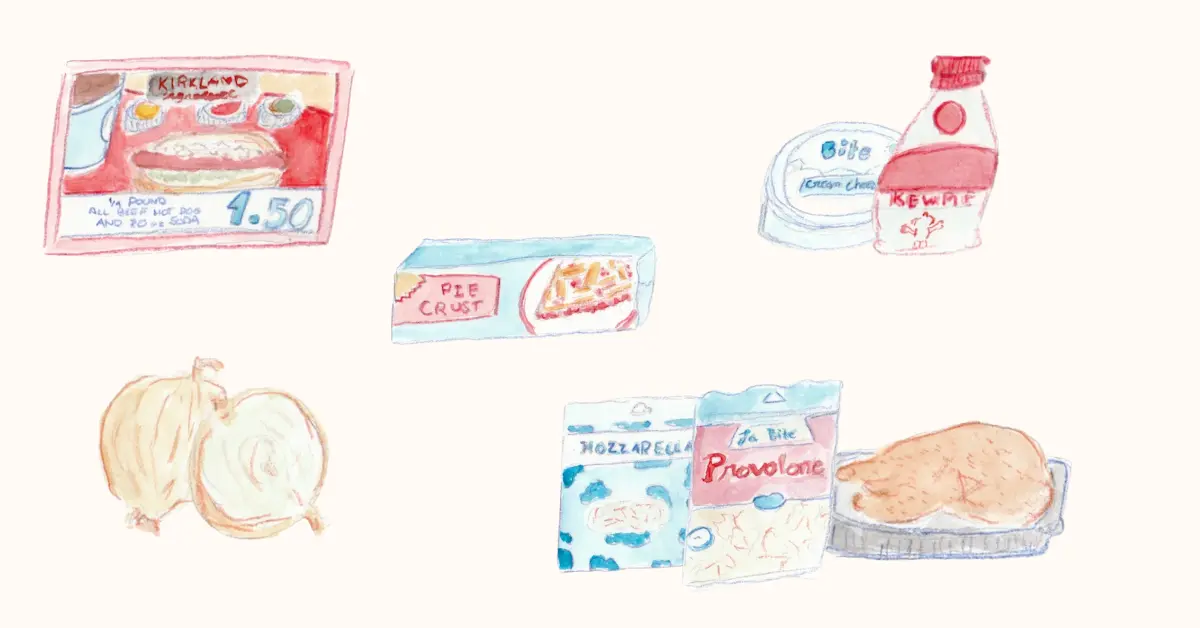
While traditional mall food courts have faced widespread decline in the digital shopping era, warehouse club concessions—most notably at Costco—have thrived. The wholesale giant cultivated a distinct mythology around its food court offerings, anchored by co-founder Jim Sinegal’s legendary 2013 defense of the $1.50 quarter-pound hot dog and 20-ounce soda combo.
Surrounding this budget-friendly anchor are other monument-status items, including massive pizza slices, soft-serve swirls, and, of course, the chicken bake. For many patrons, sharing a chicken bake has transformed into a ritualistic bonding experience—a heavy, savory architectural project split between family members or long-distance siblings catching up over weekend errands.
3. The Culinary Pivot: Enter the Galette
Recognizing the structural appeal of the chicken bake—its savory blend of poultry, cured meat, rich dairy, and pungent cheese—home cooks have begun deconstructing the item for domestic execution. The challenge lies in translating a food-court product, designed to hold heavy liquid filling inside a thick bread tube, into a format that works on a flat pastry base without collapsing into a puddle.
The solution is the galette: a French, freeform rustic tart. Known for being deeply forgiving and requiring little symmetry, the galette provides the ideal structural vehicle for a rich, savory filling. By combining a concentrated cream-cheese-and-Kewpie-based Caesar dressing, smoky bacon, and shredded rotisserie chicken inside a store-bought pie crust, home cooks can replicate the rich flavor profile of the chicken bake with elevated culinary execution.
Supporting Context & Metrics: Convenience Meets Culinary Creativity
The modern home cooking landscape is defined by a paradox: consumers crave comforting, high-impact flavors but possess diminishing amounts of time to execute them from scratch. This tension has fueled a massive market surge for semi-homemade cooking strategies.
- The Rotisserie Chicken Economy: Rotisserie chickens remain a cornerstone of American grocery shopping, with millions sold annually by warehouse clubs and supermarkets. They serve as the primary protein vehicle for speedy weeknight dinners, reducing prep time by upwards of 45 minutes.
- The Rise of Store-Bought Pastry Convenience: Sales of refrigerated and frozen pie crusts have seen steady demand, as home bakers prioritize the reliability of commercial lamination over the labor-intensive process of cutting butter into flour on weeknights.
- Flavors of Functionality: The adaptation of food court favorites points to a broader culinary trend of "elevated nostalgia." Recipes that mimic fast-food or casual-dining icons—such as homemade crunchwraps, upscale smash burgers, and food-court galettes—tap into deep-seated consumer memories while upgrading the ingredient list with artisanal touches like white miso, fresh lemon zest, and high-melting-point cheeses.
Official Statements and Culinary Perspectives
Food writers and recipe developers emphasize that transforming a fast-food item into a home-cooked masterpiece requires structural modifications rather than direct replication.
"A chicken bake can afford a very creamy interior because all that sauce is sealed inside a sturdy bread tube; a galette, which would prefer not to collapse into a delicious puddle, requires a little more restraint," notes food columnist Ashlie Stevens in The Bite.
To achieve this balance, culinary experts recommend utilizing high-fat, low-moisture components. By substituting traditional Caesar dressing with a concentrated blend of cream cheese, Japanese Kewpie mayonnaise (valued for its extra egg-yolk richness and tang), and a dab of white miso—which replicates the fermented, salty umami punch of traditional anchovies—cooks can secure maximum flavor intensity with minimal liquid.
Furthermore, pairing low-moisture mozzarella for the essential cheese pull with provolone for character ensures the filling holds its shape when sliced. Finishing the baked pastry with fresh parsley and serving it alongside a sharply dressed green salad transforms the dish from a guilty pleasure into a balanced, well-rounded meal.
Future Outlook: The Next Wave of Nostalgic Cooking
As food culture continues to oscillate between hyper-refined fine dining and comforting childhood classics, the trend of reimagining fast-casual icons in domestic kitchens is poised to accelerate.
- Democratization of Gourmet Techniques: Home cooks are increasingly comfortable applying classic French techniques—such as the rustic folding of a galette—to lowbrow comfort foods. This cross-pollination breaks down traditional culinary hierarchies.
- The Grocery Store as Pantry: Expect to see further recipe innovations that rely heavily on hyper-accessible grocery staples (rotisserie proteins, pre-made doughs, and global condiments like Kewpie and miso) to drastically lower the barrier to entry for complex flavor profiles.
- Community and Ritual: As digital isolation prompts a resurgence in analog gathering spaces, foods that evoke communal experiences—like sharing a mall food-court item or hosting a spontaneous "come over for dinner" evening—will remain central to how we cook and connect.
Ultimately, the transformation of the Costco chicken bake into a weeknight galette proves that great flavors are not bound by their environment. Whether consumed under fluorescent food-court lights or pulled hot and bubbling from a home oven, comforting food retains its power to anchor our rituals and bring us together.