

Executive Overview
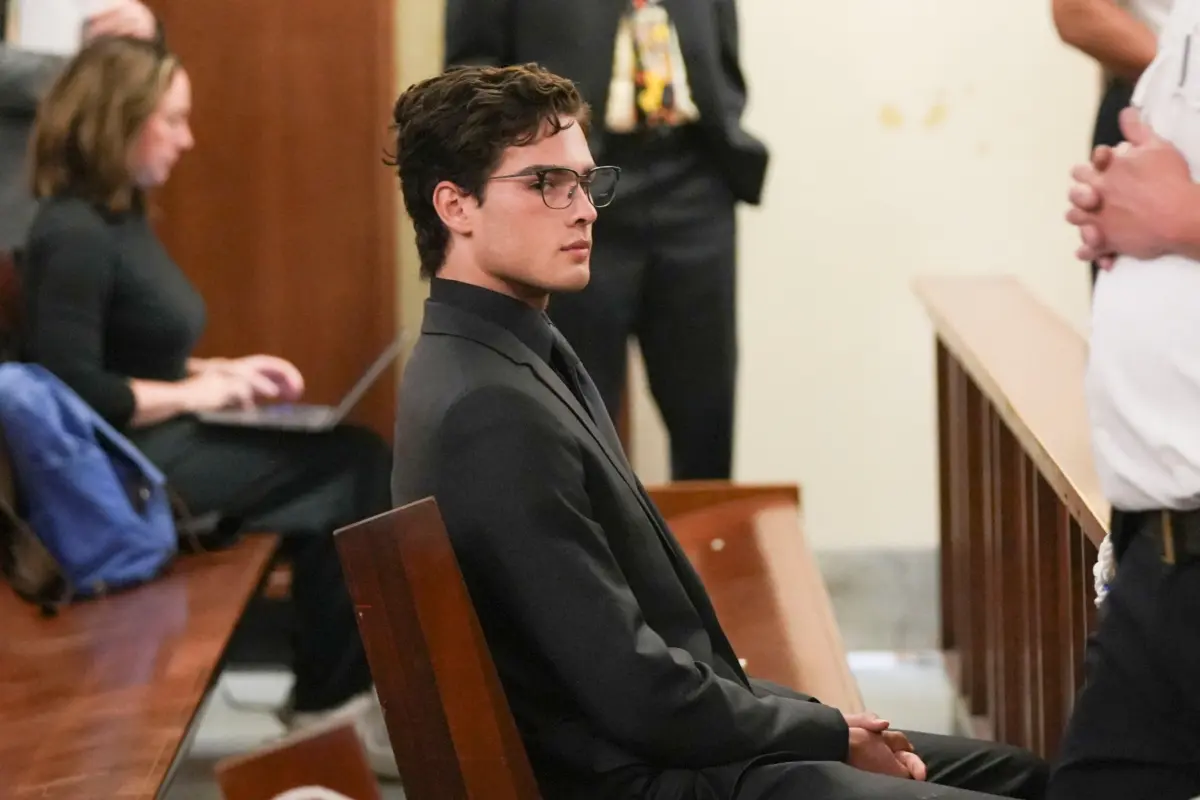
The intersection of digital subcultures, youth celebrity, and severe criminal allegations has once again thrust the darker side of online influence into the mainstream spotlight. Braden Peters, a prominent figure within the burgeoning and often controversial internet subculture known as "Looksmaxxing"—where he operated under the alias "Clavicular"—entered a plea of not guilty in a Massachusetts courtroom to multiple felony and misdemeanor charges, including criminal rape.
The charges stem from an alleged incident in May 2025 at his family’s Cape Cod estate, involving a fellow content creator who was a minor at the time of the events. The case has sent shockwaves through the insulated online communities where Peters held substantial sway, exposing the porous boundaries between manufactured digital personas and real-world legal accountability.
During his arraignment, Peters secured his release after posting a $10,000 cash bail, surrendering his passport, and agreeing to strict judicial conditions, including no-contact orders regarding the accuser and her digital footprint. While Peters’ defense team has signaled an aggressive strategy centered around post-incident communications and alleged contradictions in the accuser’s timeline, the case underscores a critical juncture for platforms that foster unregulated communities centered on aesthetic obsession, male self-improvement, and interpersonal dynamics. This report provides a comprehensive examination of the criminal proceedings, the civil litigation history, the mechanics of the defense, and the broader cultural implications surrounding the rise and legal peril of one of the internet’s niche digital celebrities.
Detailed Chronology of Events
The Alleged Incident on Cape Cod
The foundation of the criminal case against Peters traces back to a weekend in late spring. According to law enforcement documents and concurrent civil filings, the alleged assault took place on or around May 23, 2025. Aleksandra Vasilevna Mendoza, a digital creator widely known under the online pseudonym Alorah Ziva, traveled to Cape Cod to meet Peters at his family’s property.
At the time of the gathering, court documents indicate that Mendoza was 17 years old, placing her under the legal age of consent in Massachusetts. According to investigative reports obtained by major news outlets, the encounter quickly deteriorated from a standard influencer collaboration into a severe legal and personal crisis. Mendoza’s initial civil complaint detailed a sequence of events in which she was allegedly provided alcohol by Peters to the point of incapacitation, rendering her physically unable to provide meaningful legal consent.
Furthermore, the initial legal filings alleged a deeply disturbing sequence of violations: Mendoza reportedly awoke to find Peters engaged in non-consensual sexual acts. Beyond the allegations of incapacitated assault, the civil suit claimed that Peters administered an unapproved substance, potentially containing methamphetamine derivatives, without her knowledge or informed consent. These explosive claims formed the bedrock of both the subsequent police investigation and the civil litigation that preceded the state’s formal criminal indictments.
The Grand Jury Indictments and Arrest
For months following the alleged May incident, rumors circulated within niche internet forums and tracking spaces before spilling over into mainstream investigative journalism. By September 2025, the Commonwealth of Massachusetts moved past preliminary investigative stages, convening a grand jury that resulted in formal criminal charges against the influencer.
Peters was formally indicted on a trio of charges:
- Felony Rape: Stemming from the primary non-consensual sexual assault allegations.
- Felony Drug-Related Sexual Charge: A specialized statutory charge relating to the alleged administration or involvement of controlled substances during the course of the sexual encounter.
- Misdemeanor Procurement of Alcohol for a Minor: Reflecting the provision of alcoholic beverages to Mendoza, who was 17 at the time.
The transition from civil dispute to state-enforced criminal indictments fundamentally altered the stakes for Peters, shifting the matter from a private financial dispute to a trial that carried the very real possibility of extensive prison time.
The Arraignment and Bail Conditions
The legal architecture of Peters’ defense faced its first major test during his arraignment in Massachusetts. Prior to the court appearance, defense attorneys submitted legal memoranda arguing vigorously for minimal bail, asserting that their client represented neither a flight risk nor a physical danger to the community, largely on the grounds of having no prior felony convictions.
The presiding judge ultimately set bail at $10,000, which Peters satisfied in cash during the Thursday proceedings. However, the court imposed stringent pre-trial restrictions to mitigate perceived risks. Alongside the financial bond, Peters was legally mandated to:
- Surrender his international passport to prevent foreign travel.
- Adhere to a strict "stay away" order protecting Aleksandra Vasilevna Mendoza.
- Cease any digital harassment, mention, or indirect communication targeting the accuser across all social media platforms and online forums.
Supporting Context & Metrics: The Mechanics of "Looksmaxxing" and Digital Clout
Understanding the "Looksmaxxing" Phenomenon
To fully comprehend the cultural gravity of the Clavicular case, one must examine the ecosystem from which Peters emerged. "Looksmaxxing"—a portmanteau of "looks" and "maximizing"—is an internet subculture dedicated to optimizing one’s physical appearance through extreme, sometimes pseudo-scientific, and often obsessive routines. Originating from male self-improvement forums, incel adjacent spaces, and niche TikTok communities, looksmaxxing encompasses everything from dietary discipline and gym routines to aggressive regimens like facial bone-scraping ("mewing"), posture correction, and, in more extreme cases, underground cosmetic procedures.
Within this ecosystem, influencers like Peters achieved rapid, high-yield digital status by positioning themselves as authorities on aesthetic optimization. Using platforms like TikTok, YouTube, and specialized Discord servers, creators monetized their perceived physical transformations, building audiences composed largely of impressionable, younger demographics searching for social validation and self-worth through physical metrics.
The Economics of Micro-Celebrity and Access
The collaborative culture of modern influencer ecosystems often encourages young creators to cross geographic boundaries for rapid content generation. Cape Cod, private residences, and rented production spaces frequently serve as backdrops for cross-promotional videos. In the case of Peters and Mendoza, their digital collaboration was initially framed within the standard operating procedures of the creator economy: joint videos, mutual audience cross-pollination, and shared aesthetic branding.
However, investigators and cultural critics have repeatedly pointed out the inherent vulnerabilities of an unregulated micro-celebrity economy. Without HR departments, professional management oversight, or institutional safety nets, young creators operating in private residential spaces are uniquely susceptible to power imbalances, substance abuse, and dangerous environments disguised as casual content creation.
Official Statements and Legal Strategies
The Defense’s Pre-Trial Strategy
In legal documents submitted ahead of the arraignment, Peters’ defense team offered a clear preview of the arguments they intend to deploy at trial. Rather than relying solely on a blanket denial, the defense has elected to build a narrative centered around post-incident behavior, documented interactions, and written communications from the accuser.
According to court filings reported by NBC News, defense attorneys highlighted that Mendoza continued to engage with Peters and participate in collaborative social media initiatives well after the date of the alleged May assault. To substantiate this claim of an ongoing, amicable dynamic, the defense introduced a physical piece of evidence: a handwritten note allegedly authored by Mendoza. The note reportedly contained the lines: "Braden, you have my loyalty 100%… I admire the man you are."
Legal analysts note that this strategy is designed to challenge the credibility of the timeline and create reasonable doubt regarding the psychological and emotional aftermath described in the initial allegations. By presenting evidence of continued professional and personal alignment post-May 23, the defense aims to complicate the prosecution’s narrative of non-consensual trauma and severe post-incident distress.
Legal Maneuvers in the Civil Sphere
The legal landscape is further complicated by parallel civil proceedings. In April 2025, Mendoza filed a civil suit against Peters, detailing sweeping claims of battery, severe emotional distress, and fraud, which closely mirrored the timeline of the criminal charges.
However, in October, Mendoza refiled the civil lawsuit with a strategic modification: the explicit sexual assault allegations were temporarily removed from the civil complaint. Legal representatives for Mendoza clarified that this procedural adjustment was executed to streamline the civil litigation and ensure that it would not interfere with, contaminate, or complicate the ongoing criminal prosecution led by the Commonwealth of Massachusetts.
Public Relations Silence and Digital Defiance
As of the Thursday arraignment, legal representatives for Aleksandra Vasilevna Mendoza declined to comment on Peters’ not-guilty plea, choosing to let the court documents and the state’s criminal case speak for themselves. Similarly, representatives for Braden Peters maintained a strict "no comment" stance regarding the specifics of the arraignment.
Prior to the formal criminal charges and subsequent judicial gag orders, Peters utilized his social media platforms to issue broad denials of any wrongdoing, dismissing the allegations as fabricated or malicious attacks designed to damage his digital brand. However, with the surrender of his passport and strict digital non-contact orders now in effect, Peters’ ability to publicly contest the charges online has been severely curtailed by the judiciary.
Future Outlook: Trials, Precedents, and Platform Accountability
What Lies Ahead in the Judicial Process
As Braden Peters prepares for the rigorous phases of a criminal trial in Massachusetts, several legal milestones remain on the horizon:
- Pre-Trial Motions: The defense is expected to challenge the admissibility of certain evidence, potentially including toxicology reports and the precise nature of the alleged drug involvement.
- Evidentiary Hearings: The authenticity and context of the handwritten note presented by the defense will likely face intense scrutiny from prosecutors seeking to recontextualize Mendoza’s post-incident communications.
- Trial Date Setting: While no definitive trial date has been finalized, legal experts anticipate the proceedings will extend deep into the legal calendar, given the complexity of digital evidence, cross-state creator interactions, and expert witness testimony regarding toxicology and consent.
Cultural and Institutional Ramifications
Beyond the specific legal outcomes for Peters and Mendoza, this case serves as a watershed moment for the digital culture at large. The "Looksmaxxing" community, long accustomed to operating in self-policed digital enclaves with minimal mainstream scrutiny, now finds one of its most visible figureheads facing severe criminal prosecution.
The case highlights urgent questions regarding the safety of minors within the influencer ecosystem, the legal definitions of consent in the age of algorithmic fame, and the responsibilities of digital platforms that monetize aesthetic self-obsession. As the legal system grinds forward, the trial of Braden "Clavicular" Peters will likely establish vital precedents regarding accountability, parasocial power dynamics, and the real-world consequences of actions originating within the virtual spheres of modern digital influence.