

Executive Overview
Over the past decade, the landscape of alternative substances in the United States has undergone a quiet yet profound transformation, marked by the surging popularity of herbal supplements that operate in the gray areas of federal law. Among these, kratom—a tropical tree native to Southeast Asia scientifically known as Mitragyna speciosa—has emerged as a focal point of intense public health concern. While proponents tout the leaf as a natural remedy for chronic pain, anxiety, and opioid withdrawal symptoms, a landmark study recently published in the journal Addiction reveals a deeply alarming reality: reported kratom exposures across the United States have skyrocketed by more than 6,500% over a thirteen-year period.
The findings paint a picture of an unregulated botanical gold rush that has outpaced both scientific consensus and legislative oversight. According to comprehensive data aggregated from America’s Poison Centers, reported exposures to the psychoactive plant climbed from a modest 19 cases in 2010 to a staggering 1,242 cases by 2023. More troubling still is the parallel surge in clinical severity. In the early years of the decade, severe medical outcomes resulting from kratom consumption were virtually nonexistent or exceedingly rare; by the close of 2023, poison centers tracked 158 instances of life-threatening toxicity, permanent disability, or death.
Because kratom remains unscheduled under the federal Controlled Substances Act and lacks approval for medical use by the U.S. Food and Drug Administration (FDA), regulatory authority has fallen entirely to individual state governments. This patchwork approach has created a fragmented national landscape where consumer safety varies wildly depending on geographic location. The new research offers a compelling cross-sectional view of this policy experiment, demonstrating that states enacting total bans on the substance experience significantly lower rates of poison center calls, severe medical trauma, and subsequent healthcare utilization compared to states with lax or nonexistent oversight, as well as those attempting "consumer protection" frameworks like the Kratom Consumer Protection Act.
As emergency departments grapple with an influx of complex overdoses and poison control specialists sound the alarm, federal and state lawmakers find themselves locked in fierce legislative battles. Balancing personal liberty, alternative health advocacy, and urgent public safety mandates, the debate over kratom exposes the critical vulnerabilities of America’s supplement regulation framework. This investigative report explores the trajectory of the kratom epidemic, dissects the epidemiological data, evaluates the regulatory divide, and examines what lies ahead for public health policy in an era of proliferating psychoactive botanicals.
Detailed Chronology: From Southeast Asian Tradition to American Poison Centers
To understand the current crisis, one must trace the migration of kratom from its indigenous roots to the digital marketplaces and smoke shops of suburban America. For centuries, laborers in Thailand, Malaysia, and Indonesia chewed kratom leaves or brewed them into teas to stave off fatigue, enhance productivity, and manage minor aches. In these traditional settings, the plant was consumed whole, much like coca leaves in the Andes.
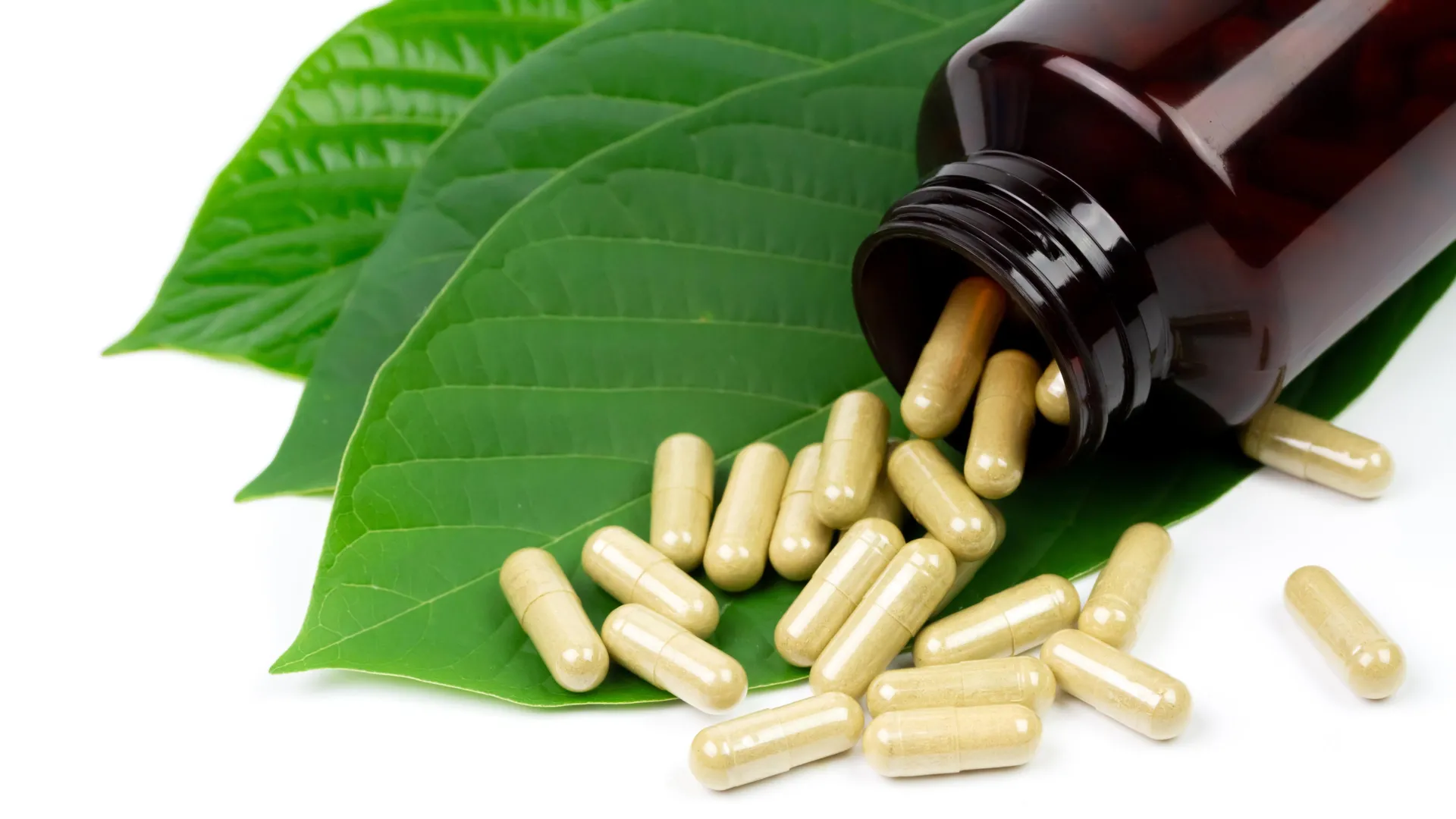
However, the modern American incarnation of kratom bears little resemblance to traditional use. Processed into concentrated extracts, powders, capsules, and liquid "shots," contemporary kratom products deliver concentrated doses of active alkaloids—primarily mitragynine and 7-hydroxymitragynine. These compounds bind to the body’s opioid receptors, producing stimulant effects at low doses and powerful, opioid-like sedation and pain relief at higher concentrations.
The 2010 Baseline: A Fringe Botanical
At the start of the decade analyzed by researchers, kratom was largely a niche product consumed by a small subculture of psychonauts, chronic pain patients seeking alternatives to prescription opioids, and individuals attempting self-treatment for substance use disorders. In 2010, America’s Poison Centers recorded a mere 19 exposures to the plant nationwide. Clinical encounters were sporadic, and the medical establishment was largely unfamiliar with the pharmacokinetics or toxicity profile of mitragynine.
The Mid-Decade Surge and Federal Scrutiny
As the domestic opioid crisis deepened and consumers sought legal, accessible alternatives for pain and anxiety, kratom marketing exploded online and in brick-and-mortar storefronts. Retailers promoted the leaf as a "safe, natural alternative" to pharmaceuticals.
By 2012, poison centers began logging the first formally classified "severe outcomes"—adverse events involving life-threatening physiological distress. Recognizing the mounting danger, the Drug Enforcement Administration (DEA) announced its intent in 2016 to temporarily place kratom into Schedule I of the Controlled Substances Act, citing an imminent hazard to public safety.
However, the DEA’s unprecedented move met fierce pushback. An intensive public advocacy campaign, organized by consumer groups and backed by thousands of public comments—alongside bipartisan congressional pressure—forced the agency to withdraw its scheduling notice. This administrative retreat inadvertently cleared the path for exponential market expansion, leaving state legislatures to confront a rising tide of hospitalizations without federal backup.
The Pandemic Era and Post-COVID Expansion
The years leading up to and immediately following the COVID-19 pandemic witnessed an aggressive acceleration in kratom consumption and availability. Ubiquitous marketing, normalization through social media influencers, and the proliferation of specialized kratom vending machines and gas station displays drove widespread adoption across diverse demographics.
By 2023, the cumulative impact of this unchecked expansion culminated in the record-shattering figure of 1,242 reported poison center exposures in a single year. The narrative surrounding kratom had shifted decisively from an obscure alternative wellness trend to a formidable public health emergency, characterized by complex clinical presentations and overburdened emergency care networks.
Supporting Context & Metrics: The Scale of the Epidemic
The empirical foundation of the recent study in Addiction provides an unprecedented look into the granular realities of kratom toxicity. By examining national poison center databases over a thirteen-year span, researchers were able to quantify not just the volume of exposures, but the specific healthcare burdens associated with the substance.
The 6,500% Exposure Explosion
The raw statistical trajectory uncovered by the study is stark:
- 2010: 19 reported exposures.
- 2012: First severe outcomes formally documented in national reporting systems.
- 2023: 1,242 reported exposures—representing an astonishing 6,500% increase over the 2010 baseline.
This exponential curve mirrors the commercial growth of the kratom industry, illustrating how rapidly public exposure can outpace toxicological monitoring when a psychoactive substance enters the consumer market completely unchecked.
Clinical Severity and Healthcare Utilization
Beyond simple exposure counts, the medical consequences of kratom use have grown increasingly severe. In 2010, no severe outcomes were logged; by 2023, poison centers recorded 158 severe cases. Researchers defined a severe medical outcome as any clinical scenario involving life-threatening physiological effects, significant or permanent lasting disability, or death.
The strain on the healthcare system is further illustrated by admission rates for single-substance exposures:
- Hospital Admissions: Nearly one in seven individuals (approximately 14%) who called a poison center regarding a single-substance kratom exposure required formal admission to a hospital ward.
- Critical Care Admissions: Approximately one in 16 patients (nearly 6.25%) required admission to a specialized Intensive Care Unit (ICU), reflecting the acute, life-threatening nature of high-dose toxicity.
Poly-Drug Interactions and Metabolic Interference
A critical finding of the recent research involves the context of kratom consumption. While single-substance exposures are concerning, clinical data indicates that kratom is frequently used in combination with other substances, including prescription medications, illicit opioids, alcohol, and benzodiazepines.
Dr. Ryan Feldman and his research colleagues emphasize that kratom’s chemical constituents possess a strong tendency to interfere with human metabolic pathways—specifically the cytochrome P450 enzyme system in the liver. When consumed alongside other drugs, kratom can inhibit or alter the body’s ability to metabolize those substances. This metabolic bottleneck can inadvertently amplify the concentrations of accompanying drugs in the bloodstream, heightening the risk of profound respiratory depression, accidental overdose, and fatal toxicity.
Official Statements and Toxicological Perspectives
The debate over kratom regulation is fueled by a stark clash of perspectives between public health toxicologists, medical professionals, industry advocates, and lawmakers. While consumer groups argue that prohibition drives users toward more dangerous illicit opioids, medical authorities point to a growing body of clinical evidence detailing the plant’s distinct physical hazards.
Toxicological Profiles: Beyond "Natural" Safety
Dr. Ryan Feldman, senior author of the Addiction study and researcher at the Medical College of Wisconsin, highlights the fallacies surrounding the perception of natural botanicals.
"Kratom is not scheduled under the US Controlled Substances Act or approved for medical use by the FDA, which leaves US states to set their own regulations. Or not: several US states do not regulate kratom at all, and they consistently had worse outcomes in this study than states that banned kratom use," Dr. Feldman notes.
Addressing the clinical manifestations of toxicity, Dr. Feldman elaborates on the physiological systems targeted by the plant’s alkaloids:
"Evidence shows kratom can cause serious health effects like seizures, irregular heart rhythms, liver damage, and breathing problems. Nearly one in seven cases reported to a poison center with a single-substance kratom exposure were admitted to a hospital, and one in 16 were admitted to a critical care unit. If kratom is used in combination with other drugs, as it often is, kratom’s tendency to interfere with metabolic pathways can heighten the risks of the accompanying drugs."
The Regulatory Divide: Bans vs. "Consumer Protection"
The study’s most policy-relevant finding centers on the efficacy of varying state regulatory models. Across the United States, states have adopted three distinct approaches to kratom:
- Total Prohibitions: Several states (such as Alabama, Arkansas, Indiana, Rhode Island, Vermont, and Wisconsin) have classified kratom or its active alkaloids as controlled substances, banning their sale and possession entirely.
- Kratom Consumer Protection Acts (KCPAs): Promoted heavily by industry trade groups like the American Kratom Association (AKA), these laws allow legal sales but impose manufacturing standards, age limits, and labeling requirements, while prohibiting adulterated or synthetic products.
- No Regulation: A significant number of states maintain zero statutory oversight, allowing the unrestricted sale of kratom products of unknown origin, potency, and purity.
The Addiction study revealed a clear hierarchy of safety outcomes across these jurisdictions. States that enacted total bans consistently demonstrated the lowest rates of reported poison exposures, severe medical outcomes, and overall healthcare utilization. Conversely, states with no regulations experienced the worst outcomes.
Interestingly, states enacting "consumer protection" frameworks occupied an intermediate space, reflecting the inherent difficulties of policing product purity in an under-monitored market where contamination with heavy metals, synthetic enhancers, and adulterants remains a persistent threat.
Future Outlook: Navigating the Legislative Horizon
As public health agencies sound the alarm and the data from institutions like the Medical College of Wisconsin gains national visibility, federal and state legislatures face mounting pressure to formulate a cohesive response. The kratom debate has evolved from a peripheral regulatory footnote into a defining test case for how modern societies manage emerging psychoactive botanicals.
The Need for Rigorous, Unbiased Science
Dr. Feldman underscores that the ongoing policy debates at both the state and federal levels are hampered by a fundamental shortage of high-quality, independent clinical research.
"As kratom use rises, and concerns over kratom and its risks increase, legislatures across the country are debating the best ways to regulate its use," Dr. Feldman states. "Ongoing policy debates reflect limited high-quality evidence, highlighting the need for more rigorous, unbiased research to guide legislation. As our research here shows, the kratom problem is not going away anytime soon."
Without robust clinical trials investigating kratom’s efficacy in treating pain or addiction—balanced against its abuse liability and organ toxicity—lawmakers are frequently forced to legislate in an empirical vacuum, relying on polarized advocacy rather than definitive medical science.
The Federal Dilemma: Scheduling vs. FDA Oversight
At the federal level, the FDA has repeatedly issued consumer warnings against the use of kratom, citing risks of addiction, abuse, and death, while refusing to approve the substance for any medical indication. However, the agency’s enforcement capabilities remain limited primarily to seizing adulterated products at ports of entry or issuing warning letters to fraudulent marketers.
The central question facing federal policymakers is whether to revisit scheduling under the Controlled Substances Act. While a federal ban would unify national policy and provide law enforcement with the tools to stem the commercial flood, critics argue that federal prohibition could mirror the unintended consequences of the war on drugs—driving vulnerable users away from a relatively accessible botanical and toward illicit, fentanyl-contaminated street opioids.
State-Level Policy Evolution
In the absence of sweeping federal action, state legislatures will remain the primary battleground. The empirical evidence linking total bans to reduced medical harm provides powerful ammunition for public health advocates pushing for prohibition. At the same time, industry lobbying for standardized consumer protection acts will continue to shape legislative agendas in states hesitant to enact outright bans.
What remains undeniably clear is that the status quo is untenable. With poison center reports jumping from 19 to 1,242 in little more than a decade, and with intensive care units bearing the brunt of severe overdoses, the hidden public health crisis of kratom has been thrust into the daylight. As researchers continue to unpack the complex pharmacology of mitragynine and policymakers grapple with divergent regulatory models, the trajectory of the kratom epidemic will serve as a critical precedent for the future of herbal supplement regulation in the United States.