

Executive Overview
The contemporary media ecosystem is navigating a period of profound institutional volatility, characterized by high-stakes constitutional showdowns, high-profile career pivots, ethical lapses by premier commentators, and the quiet decimation of local journalism. At the vanguard of these systemic frictions is an escalating confrontation between the executive branch and the press corps, punctuated by federal court interventions to safeguard First and Fifth Amendment protections.
Simultaneously, the broadcast and digital journalism sectors are experiencing significant internal reorganizations. From executive-level editorial shifts at legacy broadcasting institutions like 60 Minutes to expanding digital commentary platforms, the lines separating traditional reporting, opinion journalism, and provocative commentary are increasingly blurred. This friction was recently underscored by an avoidable public relations crisis on ESPN’s airwaves concerning athlete mental health, juxtaposed against the stark economic realities facing regional publications such as the Amarillo Globe-News.
This report provides a comprehensive, structured examination of these developments, synthesizing the legal, ethical, and structural forces currently reshaping the American press.
Detailed Chronology
The White House Press Bans and Judicial Pushback
The ongoing constitutional confrontation between the Trump administration and major news organizations entered a critical legal phase following a sequence of aggressive executive exclusions.
- Two Weeks Prior: The Trump administration enacted a sweeping ban, revoking White House press credentials and physical access for reporters representing CNN, MS NOW, and Politico.
- The Initial Injunction: In response to the executive action, the affected media outlets filed a federal lawsuit. A U.S. District Court judge swiftly granted a 14-day temporary restraining order, forcing the administration to temporarily restore the outlets’ White House grounds credentials.
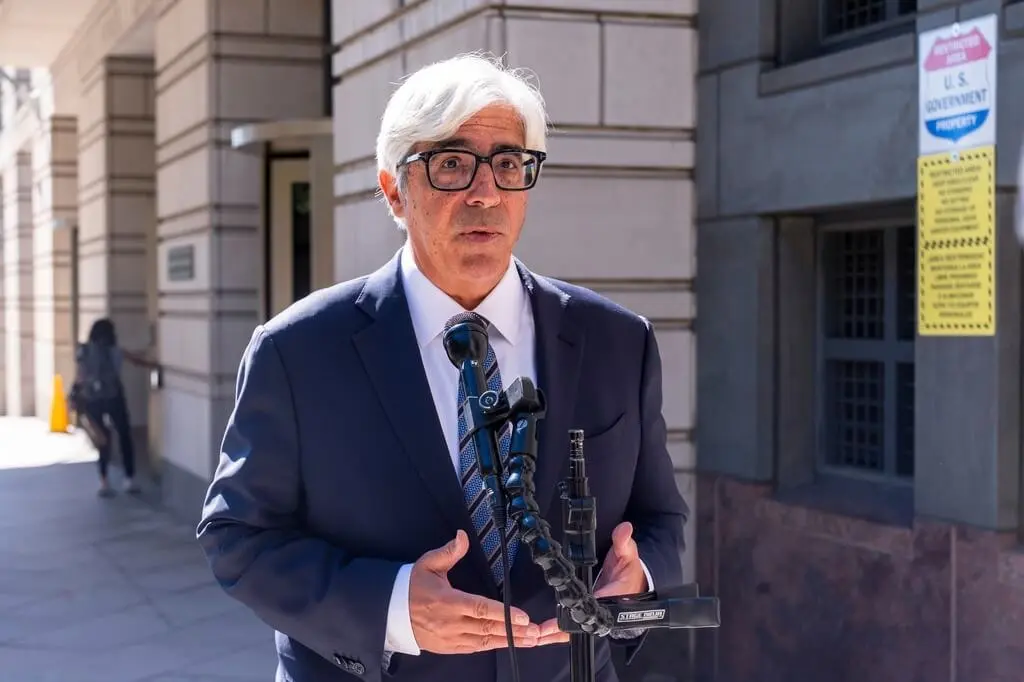
- Thursday’s Hearing: As the initial 14-day restraining order approached its expiration, legal counsels for both the media conglomerates and the federal government appeared before Judge Timothy J. Kelly of the U.S. District Court for the District of Columbia.
- The Extension: Finding that the litigation required deeper constitutional scrutiny, Judge Kelly extended the restraining order through the following Tuesday. Legal observers noted that the judge appeared inclined toward issuing a more durable preliminary injunction capable of withstanding months of protracted litigation.
Concurrently, a related restriction regarding press access aboard Air Force One remains in effect. While the federal judiciary has stepped in to protect physical access to the White House complex, distinct executive privileges concerning presidential aircraft transit have thus far insulated the administration’s ban on those specific travel pools from judicial reversal.
Supporting Context & Metrics
Constitutional Parameters: First vs. Fifth Amendment Scrutiny
The central legal debate in the ongoing battle between the White House and the press hinges on the application of constitutional protections. Attorneys representing CNN, MS NOW, and Politico argue that the administration’s ban constitutes viewpoint discrimination, directly violating their First Amendment rights to free speech and a free press. Central to this argument is an interview given by President Trump to Time magazine, in which he was asked why the outlets were barred and explicitly responded, "Well, it’s just bad story after bad story." During Thursday’s proceedings, Theodore J. Boutrous Jr., lead counsel for the media plaintiffs, characterized this admission as the "coup de grace" for the administration’s defense.
However, legal proceedings have revealed unexpected analytical tacks from the bench. Judge Timothy J. Kelly has maintained a distinct focus on whether the administration violated the media organizations’ Fifth Amendment rights to due process. During the hearing, Judge Kelly remarked directly to government counsel, "That’s probably the biggest hurdle you all have," signaling skepticism regarding the arbitrary nature of the credential revocations. Simultaneously, the court has expressed profound skepticism toward the administration’s secondary assertions that the outlets’ coverage posed identifiable threats to national security.
Broadcast and Opinion Shifts: Douthat’s Dual Role
In parallel with legal battles over institutional access, the personnel configurations of premier newsrooms are undergoing radical transformations. Following a turbulent summer at CBS News marked by the departure of its executive producer and several veteran correspondents, Editor-in-Chief Bari Weiss announced a surprising appointment: New York Times opinion columnist Ross Douthat was hired as a correspondent for 60 Minutes, despite his lack of prior television news reporting experience.
This appointment was followed by a second, more expected announcement: Douthat is joining Weiss’s digital publication, The Free Press, as a regular columnist. Douthat recounted that his partnership with Weiss originated from conversations following her departure from The Times in 2020. In a foundational column titled "I’m Writing a Column for The Free Press," Douthat described envisioning a general-interest publication that is politically independent, competitive with legacy journals like The Atlantic and The New Yorker, and liberated from the ideological polarities of modern partisan politics.
Douthat emphasized that his dual roles—reporting investigative segments for 60 Minutes and penning analytical essays for The Free Press—are complementary. His early television assignments have included a probing interview with Patrick Clancy, the former husband of a woman accused of murdering their three children, and a profile of North Carolina Republican Senator Thom Tillis.
The Stephen A. Smith Controversy and the Ethics of Commentary
The pressures of modern media production—specifically the demand for continuous, provocative commentary—sparked a significant ethical controversy involving ESPN analyst Stephen A. Smith.
During an episode of First Take, Smith addressed the sudden retirement of Philadelphia Eagles offensive lineman Lane Johnson, who cited severe mental health challenges as his primary reason for stepping away from the sport. Smith appeared to make light of Johnson’s disclosure, suggesting that the player’s true motivation stemmed from the team’s on-field performance. Guest Kimberly A. Martin immediately challenged Smith on air, telling him, "I feel like you’re making light of the situation."
Subsequent attempts by Smith to address the backlash on his SiriusXM radio program initially fell flat; he argued his remarks were "misconstrued" while discussing his own historical mental health struggles. The defense drew sharp criticism from media analysts, including The Athletic’s Andrew Marchand, who argued that Smith had embarrassed himself and should offer an unvarnished apology.
The following morning, Smith opened First Take with a direct, comprehensive retraction:
"Here’s the reality of the situation. I was wrong. I messed up."
Smith issued specific apologies to Lane Johnson, the Philadelphia Eagles organization, and individuals battling mental health conditions. He acknowledged the profound societal damage such rhetoric can inflict, noting that discouraging individuals from seeking help represents a severe breach of public trust. Industry analysts viewed the episode as an indictment of the modern debate format, where commentators are incentivized to generate voluminous, unscripted content without adequate institutional safeguards for sensitive topics.
The Quiet Collapse of Local News: Amarillo
While national media platforms grapple with legal and ethical disputes, regional journalism continues to face structural erasure. The Amarillo Globe-News—the paper of record for Amarillo, Texas, serving a population of 205,000—was reduced to a single high-profile sports reporter after its parent company, USA Today Co., laid off the remainder of its editorial staff without prior warning.
The cuts follow a broader pattern of terminations across the media chain’s regional properties, including systemic layoffs executed during corporate reorganizations. Despite inquiries from press advocates and local transparency groups, corporate leadership has declined to comment on the viability and future operational footprint of the publication.
Official Statements
-
Judge Timothy J. Kelly, U.S. District Court for the District of Columbia:
Addressing government counsel regarding the administration’s procedural actions against credentialed journalists:"That’s probably the biggest hurdle you all have."
-
Theodore J. Boutrous Jr., Attorney for Banned Media Outlets:
Commenting on President Trump’s public statements regarding critical news coverage during a Time magazine interview:"That interview really is the coup de grace."
-
Bari Weiss, Editor-in-Chief of The Free Press:
Announcing the addition of Ross Douthat to the publication’s roster via social media:"A dream come true."
-
Stephen A. Smith, ESPN Analyst:
Issuing a public apology on First Take regarding his remarks on athlete mental health:"Here’s the reality of the situation. I was wrong. I messed up… The biggest regret that I have for all of this is the fact that it may have given people that wanted to open the door to seek help a reason to pause and hesitate and not do so."
-
Ross Douthat, Columnist and Correspondent:
Detailing the editorial mission of his new column and its relationship to his television work:"This is not my day job. I am a newly minted correspondent for 60 Minutes, where the goal is to ask probing questions, not sling political hot takes. If all goes well, this column will complement that work, staying a little bit above the partisan fray while giving readers useful frameworks… through which to understand our strange-and-getting-stranger century."
Future Outlook
As the judicial calendar dictates the next phase of the White House press accreditation dispute, legal analysts anticipate that Judge Kelly will rule on a durable preliminary injunction. If the court upholds the media outlets’ claims, it will establish a significant constitutional precedent limiting an administration’s ability to weaponize press access as a tool of political retaliation. However, the persistence of restrictions governing travel pools such as Air Force One indicates that executive branches will continue testing the legal boundaries of institutional control.
Simultaneously, the media industry’s broader structural evolution—exemplified by the migration of traditional print columnists into hybrid broadcasting and digital subscription models—will likely accelerate. As organizations navigate the tension between profitable provocative commentary and rigorous journalistic standards, the cautionary fallout from high-profile missteps underscores the necessity for heightened editorial oversight. Concurrently, the unyielding contraction of local journalism outlets like the Amarillo Globe-News highlights a parallel, structural crisis: even as national media institutions fight for constitutional survival in federal courts, the grassroots infrastructure of American accountability reporting continues to erode at the local level.