

Executive Overview
In an era dominated by relentless digital stimulation, multi-tasking audiences, and exposition-heavy scripts designed to survive the "second-screen" phenomenon, contemporary filmmaking is experiencing an unexpected rebellion. The weapon of choice? Absolute silence.
While the historic transition from silent films to "talkies" in the late 1920s seemingly relegated wordless storytelling to the annals of history, a fascinating artistic loop is closing in modern cinema. Action thrillers and avant-garde projects are increasingly stripping away dialogue to let physical performance, sound design, and pure visual choreography do the heavy lifting.
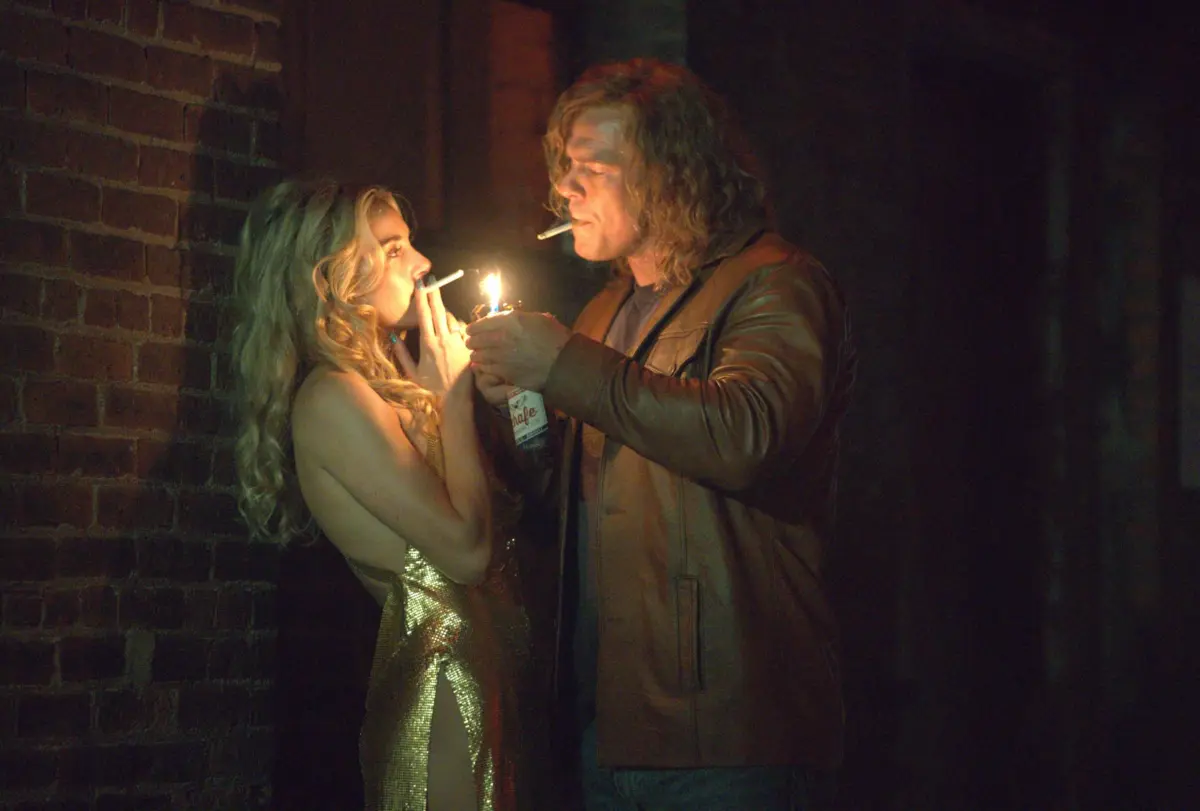
A striking manifestation of this trend can be found in the 1970s-set vengeance thriller Motor City. The film stars Alan Ritchson—a powerhouse action star best known for the verbose, tactical combat of Prime Video’s Reacher—as a wrongly imprisoned Vietnam veteran on a brutal quest for payback. Remarkably, Motor City features a mere five lines of dialogue from the opening credits to the final frame.
By voluntarily gagging its characters, the film inadvertently resurrects the philosophy of early 20th-century masters like Charlie Chaplin, proving that physical acting, specialized stunt choreography, and dynamic soundscapes can communicate narrative depth more powerfully than words ever could. This cultural commentary explores how the cinematic language of silence is transforming contemporary action genres, driving audience engagement, and reminding viewers of the primal power of analog storytelling.
Detailed Chronology: The Evolution of Wordless Cinema
To understand how a modern muscle-bound action flick like Motor City shares DNA with the classic works of Charlie Chaplin, it is essential to trace the historical and aesthetic arc of wordless storytelling on screen.
The Silent Era and the Art of the Body (1910s–1920s)
In the pioneering days of motion pictures, visual storytelling was a necessity born of technological limitation. Performers used their entire bodies—eyes, posture, micro-gestures, and exaggerated physical comedy or tragedy—as primary narrative mechanisms. Intertitle cards bridged comprehension gaps, but visionary directors kept them to a bare minimum.
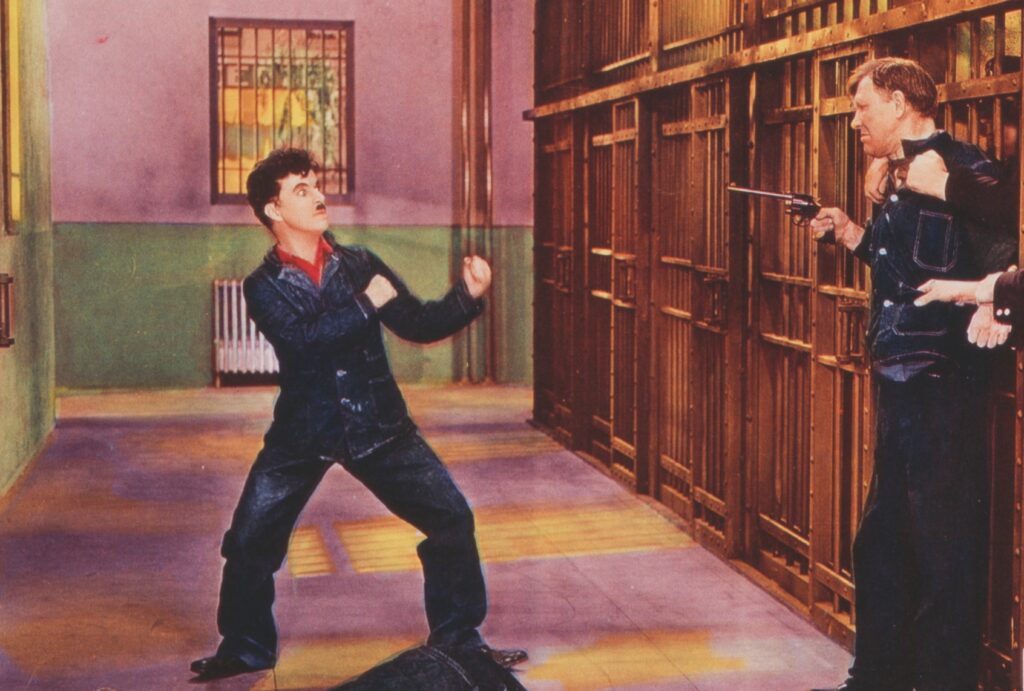
At the height of this epoch, Charlie Chaplin dominated the cultural landscape. Through his iconic character, the Tramp, Chaplin mastered the intersection of broad physical comedy and incisive social commentary.
The Sound Barrier and Chaplin’s Defiance (1930s)
When synchronized audio technology revolutionized the film industry, many silent film stars struggled or faded into obscurity. However, Chaplin famously resisted the "talkies" throughout much of the 1930s. He maintained that giving a voice to characters like the Tramp would strip away their universal, folkloric appeal.
His masterwork Modern Times (1934) stands as a brilliant bridge across eras: it preserves the expressive, wordless physicality of silent cinema while incorporating synchronized music and sound effects to mock the dehumanization of industrial labor. By 1940’s The Great Dictator, Chaplin fully embraced dialogue, weaponizing it in iconic sequences like Adenoid Hynkel’s bombastic, gibberish speech to highlight the absurdity of fascism through a mixture of sound and physical fury.
The Modern Resurgence (2011–Present)
While decades passed where silence was viewed as an archaic relic, modern filmmakers have periodically revisited the format to critical acclaim. Michel Hazanavicius’s The Artist (2011)—a black-and-white, dialogue-free feature—stunned the industry by sweeping the Academy Awards, winning Best Picture, Best Director, and Best Actor.
Today, the tradition continues in unexpected corners of the industry. From action-heavy minimalist films like Sisu and Silent Night to independent festivals and live multimedia events, silence has evolved from a technological constraint into an intentional artistic choice.
Supporting Context & Metrics: The Mechanics of Modern Silence
The release of Motor City—which hit theaters for a brief run in late July before arriving on digital rental platforms—serves as a case study in how modern action cinema utilizes minimalism. Directed with a kinetic eye, the film stars Ritchson as a Vietnam veteran framed by a mobster who has designs on his love interest (Shailene Woodley). Upon his release from prison, Ritchson embarks on a relentless rampage.
By the Numbers: Dialogue vs. Impact
- Dialogue Count: Approximately 5 lines total across a roughly 90-minute runtime.
- Release Timeline: Brief theatrical window in late July, followed by digital release on August 25.
- Artistic Precedents: Shares thematic and stylistic space with modern wordless or dialogue-light action romps such as Sisu (2022) and John Woo’s upcoming silent-action experiment Silent Night (2023).
The Audiovisual Compensations
When dialogue is stripped from a screenplay, the burden of communication shifts dramatically to three pillars:
- Stunt Choreography and Body Language: Actors must convey rage, grief, determination, and tactical thinking entirely through physical performance. For an imposing physical specimen like Ritchson, this requires a level of micro-expression and spatial awareness that typical line-deliveries often mask.
- Sonic Architecture: Far from being entirely silent, dialogue-sparse films rely heavily on sound design. Every bone-crunching impact, rustling jacket, metallic knife-slide, and directional gunshot is amplified to heighten tension.
- Needle Drops and Musical Scores: Soundtracks step in to shoulder the emotional narrative, guiding the audience’s psychological state without relying on expository conversations.
Cultural Touchstones and Re-Engagement
The appetite for analog, wordless experiences extends far beyond multiplexes:
- Silent Movie Mondays: Venues like Seattle’s Paramount Theatre host quarterly screenings accompanied by live performances on historical instruments, such as the Mighty Wurlitzer organ.
- Silents Synced: Touring global initiatives pair classic silent masterpieces—such as F.W. Murnau’s Nosferatu (1922)—with modern musical acts like Radiohead, bridging a century of artistic output.
- Modern Silent Shorts Festival: Initiated in 2024 by industry insiders with roots in classic auteur productions (such as Sofia Coppola’s sets), this annual festival commissions and showcases entirely wordless short films, proving that emerging directors view silence as a fresh frontier rather than an old limitation.
Official Statements and Industry Insights
The resurgence of dialogue-light filmmaking has sparked significant discourse among cultural critics, festival organizers, and filmmakers alike.
Industry analysts emphasize that stripping dialogue from modern screenplays is an aggressive counter-strategy against the "second-screen" era—a cultural phenomenon where audiences scroll through smartphones while passively consuming streaming content.
"Reducing or omitting speech from a movie’s audio tracks forces viewers to give the screen their full attention," notes cultural commentary within industry circles. "When pulled off successfully, the power of silence raises the volume on everything else that matters. In a theatrical economy defined by divided and shortened attention spans, that can be serious currency."
Furthermore, creators behind modern silent showcases highlight the communal, meditative appeal of analog cinema. Founders of the Modern Silent Shorts festival point out that contemporary audiences, oversaturated by a non-stop barrage of digital noise and hyper-verbal social media clips, experience a profound psychological release when sitting in a dark theater where images and music do all the work.
Future Outlook: The Currency of Attention in Future Filmmaking
As the entertainment landscape continues to fragment under the weight of short-form video platforms and algorithmically optimized streaming content, the value of deep, undivided audience attention is skyrocketing.
Projects like Motor City demonstrate that action cinema does not need to rely on witty banter or heavy exposition to keep viewers on the edge of their seats. By leaning into the raw, visceral traditions of silent film pioneers like Charlie Chaplin, modern action directors are discovering that physical performance transcends language barriers.
Looking forward, the integration of silent cinematic techniques into mainstream genres signals a broader maturation of the medium. Whether through high-concept indie shorts, live musical-silence hybrid tours, or muscular revenge thrillers where the fists do the talking, silence is no longer viewed as a ghost of cinema’s past. Instead, it has emerged as the ultimate luxury asset in a noisy world—a bold, artistic challenge that commands absolute focus and delivers unforgettable visceral impact.