

Executive Overview
In the volatile landscape of pomology, few fruits evoke as polarizing a reaction as the Macoun apple. For years, casual consumers and culinary purists alike have found themselves trapped in a cycle of disappointment, biting into winter-store specimens that offer little more than the textural integrity of a waterlogged sponge and the flavor profile of an industrial exhaust pipe. Yet, seasoned orchardists have long maintained that the Macoun is, in fact, a masterpiece—provided it is consumed at the precise zenith of its seasonal maturity.
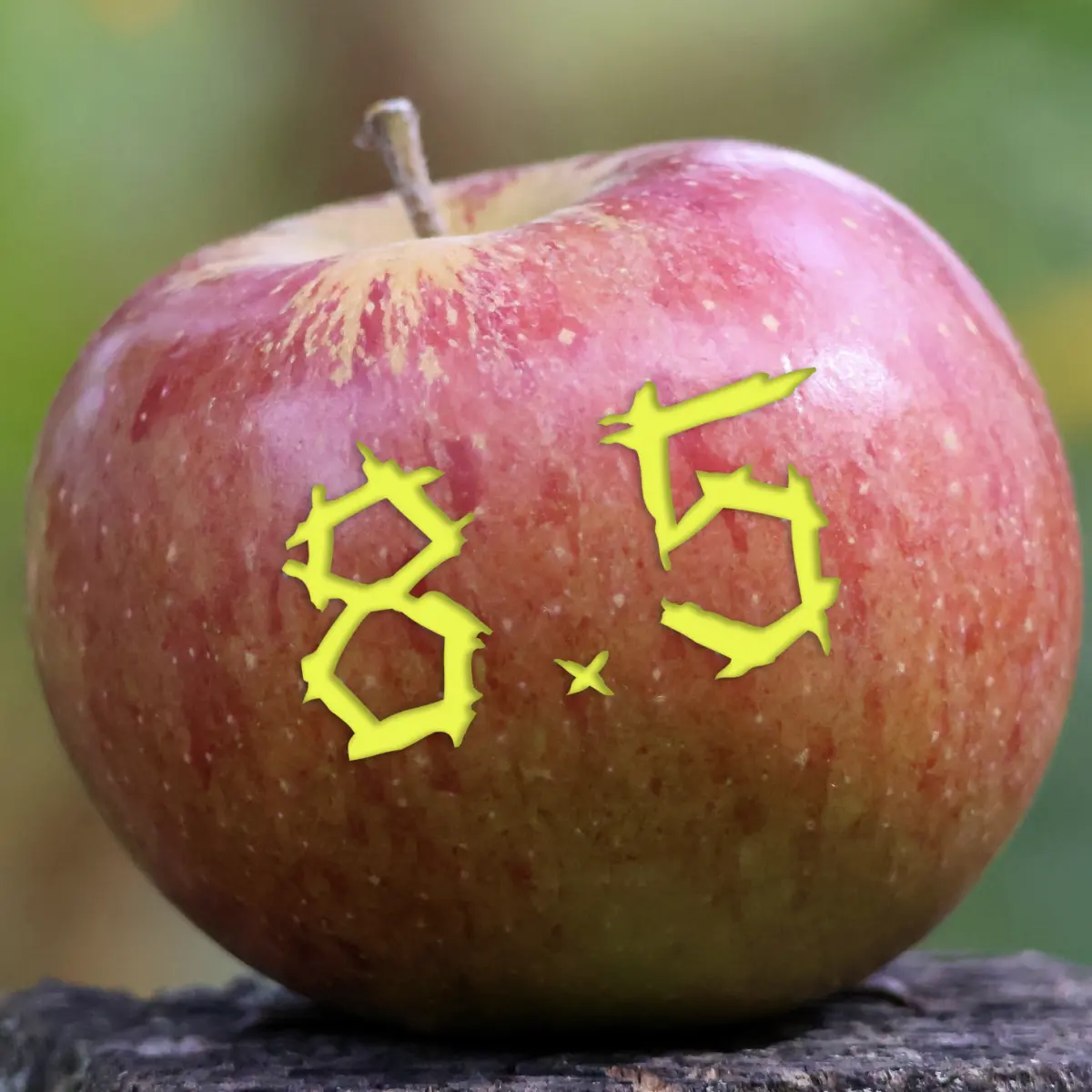
This investigative review examines the stark dichotomy between the tragic, out-of-season grocery store iterations of the Macoun and its transcendent, orchard-fresh incarnation. Through sensory evaluation, historical contextualization, and agronomic analysis, we explore why this early-20th-century New York native remains a top-tier snacking fruit, earning a robust 8.5 out of 10 when properly sourced.
Detailed Chronology of the Tasting Experience
To fully understand the redemption of the Macoun, one must first confront its darker counterpart: the mid-winter supermarket specimen.
The Winter Grocery Store Fallacy
In January, out-of-season fruit pulled from hyperbaric storage chambers—facilities utilizing atmospheric controls and artificial preservation beams—often presents an entirely false narrative of a cultivar’s capabilities. A Macoun harvested months prior, subjected to artificial stasis, typically yields a distressing sensory experience. The flesh degrades, the aromatics sour, and the consumer is left uttering little more than a frustrated dismissal of the variety entirely. It is a cautionary tale regarding the perils of out-of-season fruit consumption, where the cold sterility of big-box logistics strips the apple of its living soul.

The In-Season Revelation at Tabora Farms
A true assessment requires field conditions. Sourced fresh in-season from Tabora Farms, the experimental subject offered an entirely different paradigm.
- The Encounter with the Skin: Upon the initial bite, the apple’s skin presented an immediate, unusual physical reaction. Rather than offering a crisp, clean snap, the skin smoothly sloughed away from the underlying flesh—a melt-away phenomenon that could initially startle the uninitiated. However, this unusual cutaneous departure quickly resolved itself without becoming a persistent textural impediment.
- Aromatic Development: It was precisely within this ephemeral skin that the cultivar’s complex aromatics resided. Initially greeting the palate with a generic, pleasant wildflower meadow scent, the aroma steadily evolved over successive bites into a distinct, nuanced note of blooming rose.
- The Flesh and Textural Matrix: Beneath the skin lay a stark, brilliant copy-paper white flesh. The texture balanced delicate crispness with a yielding tenderness; it did not demand aggressive crunching, but rather welcomed the teeth with open willingness.
- Flavor Dynamics and Finish: The flavor profile initiated a playful sleight-of-hand. The sweetness struck first with distinct berry-bubblegum undertones. As the natural tartness surged forward to claim territory, an unexpected, effervescent quality emerged—a lively, crisp brightness that can only be accurately described as reminiscent of Sprite. The fruit finished clean, washing over the palate quickly without lingering heavily, cementing its status as an exceptionally refreshing, "crushable" snack apple.
Supporting Context & Metrics: Origins and Nomenclature
Horticultural Lineage and Provenance
Despite frequent misattributions regarding its geography and pronunciation, the Macoun is deeply rooted in North American agricultural history. Developed in the early 20th century, its genetic lineage traces back to a cross between the McIntosh and the Jersey Black. This parentage explains its distinct "McIntoshy" undertones, though the Macoun elevates these traits with a brighter, more effervescent acidity.
The cultivar was named in honor of William Tyrell Macoun, a prominent Canadian horticulturist based in Ottawa. Ironically, despite bearing the name of a Canadian scientist, the Macoun is fundamentally a New York state apple, thriving in the northeastern microclimates that reward its delicate constitution.
Pronunciation and Linguistic Debate
A persistent point of confusion among pomology enthusiasts centers on the articulation of the name. While many instinctively gravitate toward a Southern-inflected "MAY-coon" (mirroring Macon, Georgia), horticultural purists insist upon the proper phonetic realization: ma-COWN, ma-COON, or ma-COWAN. Regardless of linguistic preference, the fruit itself demands respect—provided the supply chain honors its perishable nature.

Final Scoring Matrix
- Aroma: 8.0/10 (Initial wildflowers shifting gracefully to distinct rose)
- Texture: 7.5/10 (Yielding and crisp; unusual skin-sloughing anomaly noted)
- Flavor Complexity: 9.0/10 (Berry-bubblegum opening balanced by a bright, Sprite-like effervescent tartness)
- Drinkability/Crushability: 9.5/10 (Fast-eating, highly refreshing, non-lingering finish)
- Overall Rating: 8.5 / 10 (Top-tier snack apple, conditional upon direct-from-orchard sourcing)
Official Guidelines for Apple Consumers
Navigating the contemporary fruit market requires vigilance. Based on extensive field observations across multiple seasons, agricultural experts and reviewers emphasize the following advisory principles:
- Source Locally: Always procure heirloom and heritage varieties—particularly delicate cultivars like the Macoun—directly from local orchards or reputable farm stands during their designated harvest windows.
- Avoid Industrial Stasis: Refrain from purchasing mid-winter apples from mass-market big-box retailers where cold-storage longevity supersedes culinary integrity.
- Embrace Variability: Understand that historical and regional apples possess unique physiological traits, such as unconventional skin textures or rapid flavor evolution, which are markers of authentic, non-GMO-homogenized fruit production.
Future Outlook: The Ongoing Pomological Renaissance
The revival of interest in heritage apples—exemplified by comprehensive multi-year evaluation projects tracking varieties from the Gravenstein and Hubbardston Nonesuch to the Honeycrisp, Cosmic Crisp, and Macoun—signals a broader cultural shift in how consumers approach produce. As public appreciation for terroir, historical lineage, and authentic flavor profiles grows, the demand for regional orchards over industrial supply chains is expected to rise.
For the Macoun, the future remains bright, provided consumers heed the golden rule of modern pomology: eat them fresh, eat them local, and never, under any circumstances, judge an apple by what it looks like in a January supermarket bin.
