

Executive Overview
The global entertainment landscape lost one of its most idiosyncratic and magnetic performers with the passing of Tim Curry at the age of 80. While obituaries will rightfully chronicle his expansive resume—ranging from stage-musical icons to beloved cinematic villains and celebrated voice-acting roles—his true legacy rests on a far rarer achievement: he made wickedness look magnetic, glamorous, and profoundly seductive.
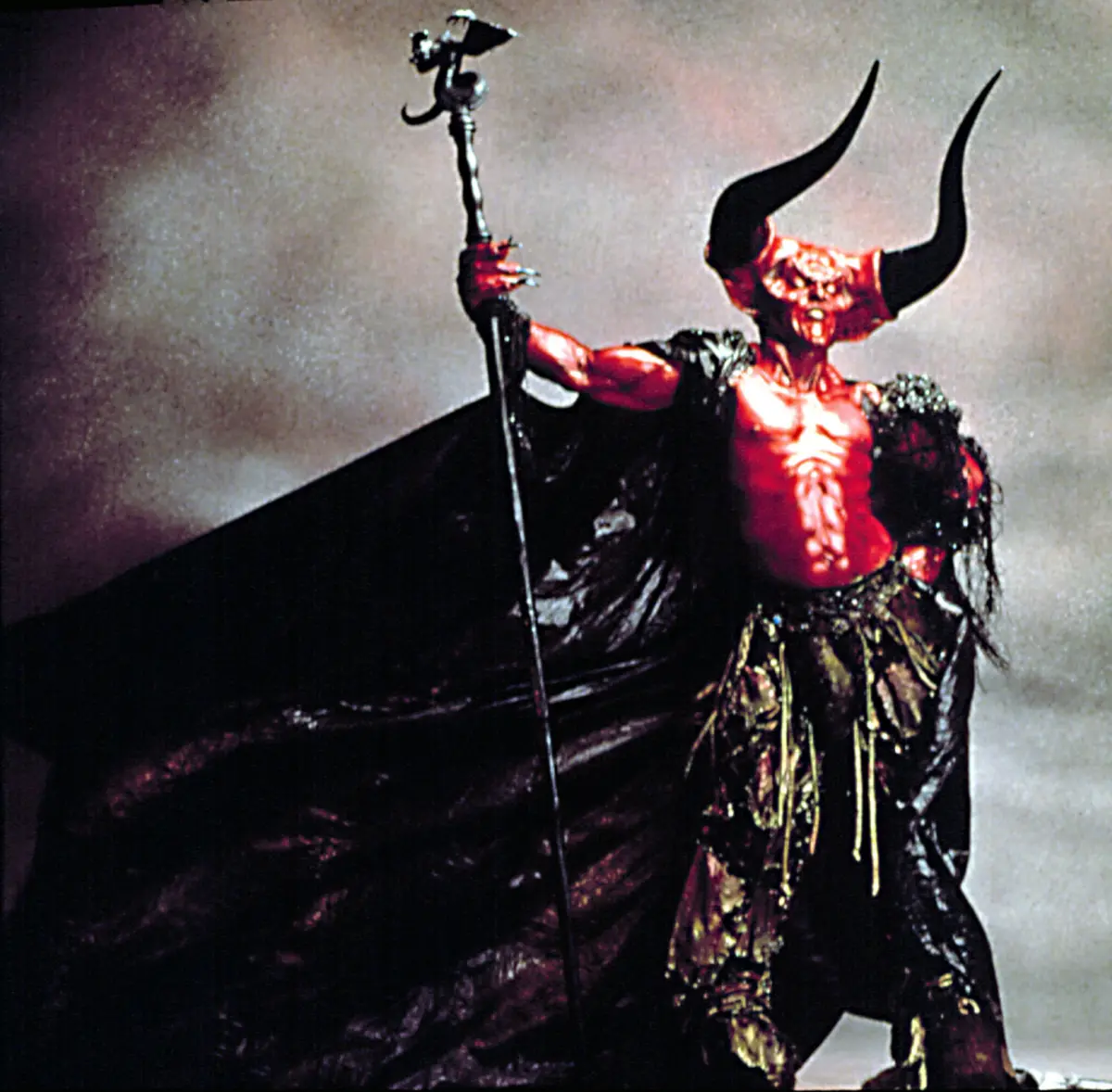
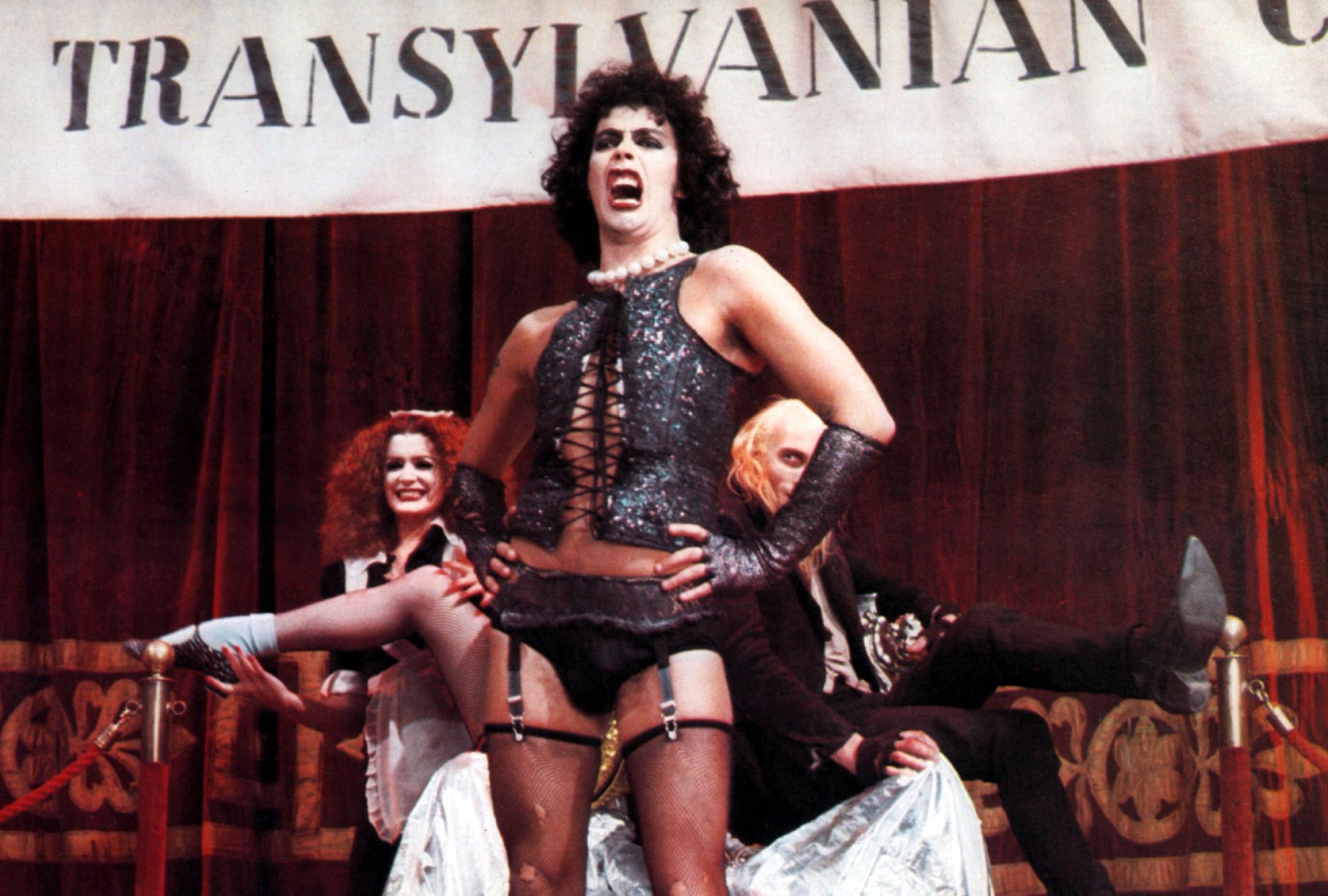
Long before modern media began deconstructing the archetype of the misunderstood villain, Curry carved out a unique space where absolute malevolence and intoxicating charisma collided. Whether strutting in a sequined corset as Dr. Frank-N-Furter, lurking as the grotesque yet mundane Pennywise, or draped in horns and crimson prosthetics as the Lord of Darkness in Ridley Scott’s Legend, Curry possessed an unmatched ability to bend audiences to his will. He did not merely play characters; he inhabited them with a theatrical grandeur that transformed cinematic sin into an irresistible invitation. This retrospective examines the life, career, and enduring cultural footprint of a generational talent who proved that being bad has never looked so good.
Detailed Chronology: From British Stage to Global Icon
Early Life and Theatrical Foundations
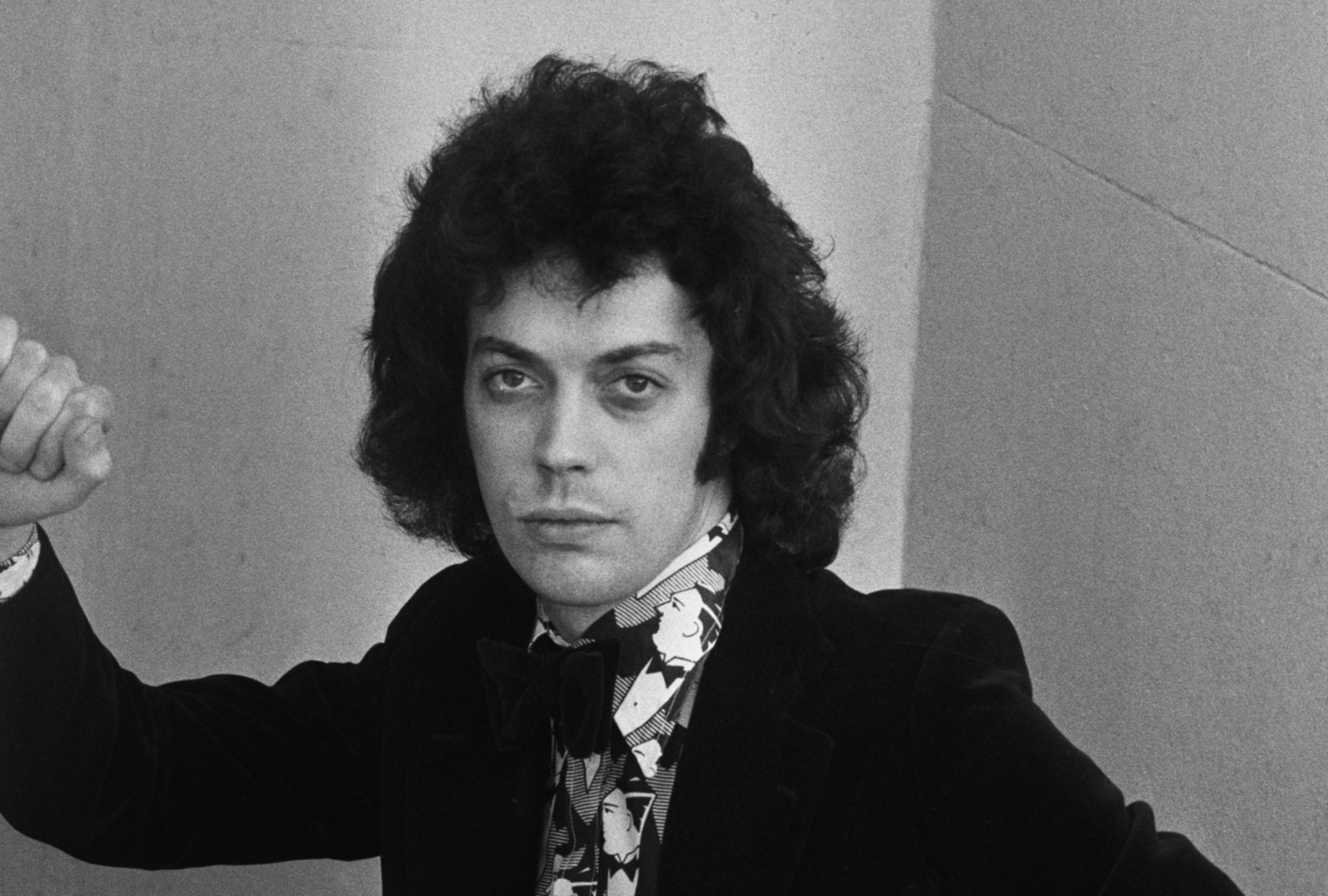
Born in Cheshire, England, in 1946, Timothy James Curry displayed an early affinity for the arts, nurtured by a childhood rich in choral singing and dramatic performance. He graduated with a degree in Drama and English from the University of Birmingham in 1968 before quickly establishing himself in the vibrant London theatre scene.
Curry’s theatrical breakthrough came when he joined the original cast of The Rocky Horror Show at the Royal Court Theatre Upstairs in 1973. Conceived by Richard O’Brien and directed by Jim Sharman, the rock musical was an anarchic celebration of camp, gender fluidity, and sci-fi pastiche. As the "sweet transvestite from Transsexual, Transylvania," Curry did not just anchor the production—he defined its entire aesthetic.
The Transatlantic Phenomenon of Rocky Horror
When the production transitioned to the screen in 1975 as The Rocky Horror Picture Show, Curry’s performance was preserved for eternity. Though the film was initially a commercial disappointment, it evolved into a midnight-movie cult phenomenon unprecedented in cinema history. Every actor who has subsequently donned the corset and garters on stage or screen has walked in Curry’s shadow. His rendition of Dr. Frank-N-Furter remains a masterclass in physical comedy, vocal agility, and unbridled sexual liberation, establishing a benchmark that has never been surpassed.
Expanding the Pantheon of Darkness
Following his stratospheric success with Rocky Horror, Curry systematically avoided typecasting by curating a diverse and unpredictable career across film, television, and the stage.
- The 1980s Character Actor Peak: In 1982, he portrayed the delightfully Dickensian villain Rooster Hannigan in John Huston’s film adaptation of Annie. Three years later, he delivered a masterclass in deadpan timing and physical farce as Wadsworth the butler in Jonathan Lynn’s ensemble comedy Clue (1985).
- The Lord of Darkness (Legend, 1985): Ridley Scott’s dark fantasy Legend presented Curry with perhaps his most physically punishing and visually striking role. Buried under five and a half hours of heavy latex prosthetics and body paint, Curry transformed the Devil into a figure of tragic, Dionysian elegance.
- The Terror of Derry (It, 1990): Shifting from fantasy to outright horror, Curry stepped into the greasepaint of Pennywise the Dancing Clown for ABC’s television miniseries adaptation of Stephen King’s It. Eschewing purely monstrous CGI for raw, theatrical terror, Curry turned the ancient entity into an unforgettable agent of childhood trauma.
- Later Career and Voice Acting: Curry continued to lend his formidable, classically trained voice and commanding presence to dozens of projects. He earned a primetime Emmy nomination for his guest work on Tales from the Crypt and secured a Daytime Emmy Award for voicing Captain Hook in Peter Pan & the Pirates (1991).
Supporting Context & Metrics: The Anatomy of Curry’s Craft
Analyzing Curry’s filmography reveals a performer who consistently elevated material through sheer force of personality and technical discipline.
- Prosthetic Endurance: The creation of the Lord of Darkness in Legend required daily applications lasting upwards of five hours, followed by an hour-long removal process. Despite expressing frustration with the grueling physical constraints of the makeup, Curry infused the character with such profound soulfulness that the human actor beneath remains palpable through the latex.
- Vocal Resonance: Gifted with a cavernous, rich bass-baritone voice, Curry could shift seamlessly between a guttural purr and theatrical projection. This vocal flexibility allowed him to dominate scenes even when physically immobilized or heavily disguised.
- Critical Recognition and Accolades:
- Primary Stage Credits: Dozens of West End and Broadway productions, including Tony Award nominations for Timon of Athens (1994), Love for Love (1975), and My Favorite Year (1993).
- Emmy Achievements: 1 Win (Outstanding Performer in an Animated Program for Peter Pan & the Pirates) and multiple nominations across live-action and voice categories.
- Literary Contribution: Published his career-spanning memoir, Vagabond, in 2025, offering intimate reflections on his decades in the limelight.
Official Statements and Industry Tributes
Following the announcement of his passing, figures from across the entertainment industry—ranging from collaborators to admirers influenced by his work—shared tributes celebrating his monumental impact.
"Tim Curry was a force of nature who approached every role, no matter how outlandish, with absolute commitment and Shakespearean precision. He didn’t just play villains; he made them irresistible. The world is a far less colorful place without him."
— Anonymous Hollywood Director and Longtime Collaborator
Colleagues from the theatre and film worlds emphasized his generosity as an ensemble player. Despite commanding the stage with outsized charisma, Curry was widely regarded as a supportive, collaborative scene partner who brought levity and professional rigor to every set. Fans worldwide have taken to social media and organized spontaneous midnight screenings of The Rocky Horror Picture Show to honor a performer who gave sanctuary to generations of misfits, theater kids, and seekers of the unconventional.
Future Outlook: The Indelible Blueprint of Theatrical Villainy
As the entertainment industry moves further into an era dominated by CGI-heavy spectacles and sanitised cinematic universes, Tim Curry’s body of work stands as a monument to practical, actor-driven theatricality. His performances prove that the most enduring villains are not those defined by computer-generated destruction, but by complex psychological magnetism, physical expressiveness, and unapologetic panache.
Curry’s health struggles following his 2012 stroke kept him largely away from the physical stage in his final years, yet his influence on modern pop culture remains ubiquitous. Contemporary performers attempting to balance menace with campy allure—from superhero cinematic antagonists to Broadway character actors—continue to use the blueprint Curry drew in the 1970s and 1980s.
Ultimately, Tim Curry taught generations of viewers that the line between hero and villain is often drawn by who is having more fun. In reminding audiences of the delicious, seductive nature of wickedness, he secured a permanent, immortal place in the pantheon of cinema and theatre legends.