

Executive Overview
Beneath the manicured rows of North Carolina’s lush blueberry fields, a silent and destructive battle has been unfolding for over a decade. North Carolina, nationally renowned for its vibrant agricultural economy and status as a major producer of highbush blueberries, is facing an unprecedented ecological challenge. An elusive subterranean pest, whose destructive larvae feed voraciously on plant root systems, has been steadily chipping away at the vitality of local crops, occasionally inflicting fatal damage on mature bushes. Until recently, the exact identity of this subterranean aggressor remained a stubborn mystery, leaving growers without targeted management strategies and stymieing agricultural extension efforts.
Now, a dedicated team of researchers at North Carolina State University (NC State) has unmasked the culprit. Through a combination of targeted fieldwork, pheromone trapping, and cutting-edge genetic barcoding, scientists have confirmed that the destructive root-feeding larvae belong to Prionus imbricornus, a species of longhorn beetle historically more associated with hardwood forests than agricultural operations. This milestone breakthrough, published in the Journal of Integrated Pest Management under the title "Prionus imbricornis (Coleoptera: Cerambycidae), an emerging pest in North Carolina blueberries," marks a pivotal turning point for the state’s agricultural sector.
While the identification of P. imbricornus provides much-needed clarity, it also sounds an urgent alarm. North Carolina stands as the first state in the nation to document this specific longhorn beetle infesting blueberries. Compounding the crisis is a stark regulatory and chemical reality: currently, there are no insecticides labeled or approved for use against this specific pest in blueberry production. As NC State researchers race against the clock to evaluate potential chemical interventions and understand the insect’s life cycle, local growers find themselves on the front lines of an emerging agricultural threat, awaiting science-backed solutions to protect their livelihoods.
Detailed Chronology
To fully understand the gravity of the current situation, one must trace the timeline of a mystery that baffled agricultural entomologists for more than ten years. The story of Prionus imbricornus in North Carolina agriculture is one of hidden damage, misdirected assumptions, and technological innovation.
The First Whispers Underground (2010–2019)
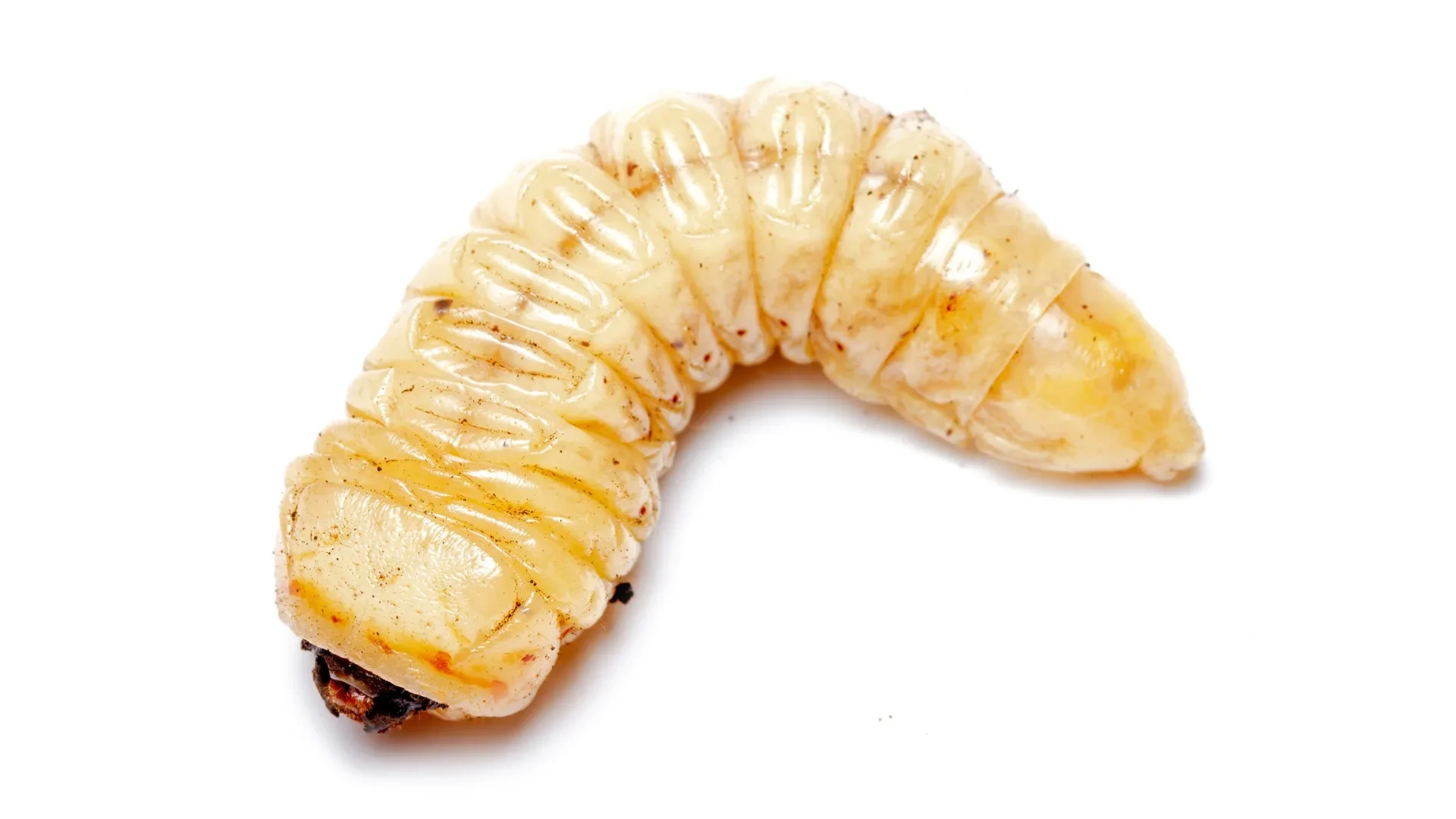
The first tangible signs of trouble surfaced around 2010. Blueberry farmers and agricultural extension agents in southeastern North Carolina began noticing an unusual pattern of decline in their fields. Healthy-looking bushes would suddenly exhibit symptoms of severe root stress, wilting, and, in many cases, dying entirely. Upon excavating the soil around the compromised plants, growers discovered massive, cream-colored beetle larvae chewing voraciously on the root architecture.
At the time, entomologists recognized these grubs as members of the genus Prionus—a group of large, wood-boring longhorn beetles. However, pinning down the exact species proved nearly impossible. The larvae spent their entire lives underground, out of sight and difficult to capture alive for rearing. Furthermore, larvae across different Prionus species look remarkably alike, displaying uniform morphological traits that render visual identification practically useless. For years, the agricultural community was forced to manage symptoms rather than the source, relying on generalized assumptions about the pest’s identity.
The Shift to Molecular Investigation (2020–2023)
Recognizing that traditional morphological identification was a dead end, a research team at NC State’s College of Agriculture and Life Sciences (CALS) determined that a molecular approach was necessary. Led by graduate student Kenneth Geisert, alongside assistant extension professor Lorena Lopez and assistant professor Gareth Powell (director of the NCSU Insect Museum), the team initiated a comprehensive study across the state’s primary blueberry-producing regions.
During this phase, researchers deployed specialized black panel traps baited with synthetic sex pheromones across six commercial blueberry farms in Pender, Sampson, Bladen, and New Hanover counties. These traps successfully lured adult male beetles to the surface, providing crucial physical specimens for analysis. Concurrently, the team harvested larvae directly from the root zones of damaged blueberry bushes.
Genetic Barcoding Breakthrough (2024–Present)
The turning point came when the research team utilized genetic barcoding—a molecular technique that sequences short, standardized segments of an organism’s DNA and compares them against verified reference databases. By extracting DNA from the unidentified underground larvae and matching it with the genetic profiles of the adult beetles captured in the pheromone traps, the researchers closed the loop on a decade-old ecological puzzle.
The DNA analysis yielded a definitive 98 to 99 percent match with Prionus imbricornus. For the first time in agricultural history, science had officially linked the subterranean devastation in blueberry fields to this specific longhorn beetle species. The findings were rapidly compiled, peer-reviewed, and published, shifting the conversation from mystery management to active defense.
Supporting Context & Metrics
To appreciate the scale of the Prionus imbricornus threat, it is essential to examine the biology of the insect, the economic footprint of North Carolina’s blueberry industry, and the methodological rigor of the NC State study.
Biological Profile: The Hidden Giant
Prionus imbricornus, commonly known as the tilehorned prionus, is a formidable insect. Adult beetles are easily distinguished by their long, serrated antennae—a hallmark of the Cerambycidae family. Interestingly, adult P. imbricornus do not feed; their sole biological imperative upon emerging from the soil is to mate and reproduce.
Female beetles deposit their eggs in the soil, typically near the root systems of preferred hosts, which historically included various species of hardwood trees. Once hatched, the larvae burrow into the earth, initiating a subterranean feeding phase that can last for multiple years. These larvae are prodigious consumers of plant tissue, capable of growing up to an impressive five inches in length. As they mature, their continuous gnawing strips away vital bark and vascular tissue from the root system, crippling the plant’s ability to uptake water and essential nutrients. In a commercial agricultural setting where uniformity and root health are paramount, the presence of even a few of these giant grubs can spell doom for a mature blueberry bush.
Geographic Spread and Study Metrics
The ecological survey conducted by NC State was strategically concentrated in four North Carolina counties that form the heart of the state’s blueberry production:
- Pender County
- Sampson County
- Bladen County
- New Hanover County
By sampling across these six distinct commercial farm sites, the researchers ensured that their findings were representative of the broader coastal plain production region where the anomalous root damage had been reported. The deployment of black panel pheromone traps yielded consistent adult captures, which, when paired with the larval DNA sequencing, provided a statistically robust data set boasting that critical 98–99% genetic concordance.
Economic Stakes for North Carolina Agriculture
North Carolina ranks among the top producers of cultivated blueberries in the United States, contributing tens of millions of dollars annually to the state’s agricultural economy. The industry is characterized by high capital investments, intensive management practices, and strict market demands for fruit quality and yield.
The emergence of P. imbricornus as a direct pest of highbush blueberries introduces a novel economic vulnerability. Unlike foliar pests or fruit-attacking insects that can be readily spotted and managed with standard spray programs, subterranean root pests operate completely out of sight. By the time a blueberry grower notices above-ground symptoms—such as premature leaf yellowing, stunted growth, or sudden plant collapse—the subterranean damage is often catastrophic and irreversible.
Official Statements & Expert Insights
The implications of the NC State study extend far beyond academic curiosity, carrying direct consequences for farm management and pest control policy. Key figures behind the research have emphasized both the urgency of the discovery and the complexities of formulating a response.
Kenneth Geisert, the lead author of the study and a graduate student in NC State’s Department of Entomology and Plant Pathology, highlighted the dangers of relying on historical assumptions in pest management.
"Before now, researchers often just assumed the species of Prionus on their commodities based on adult identification," Geisert explained. "If that guess was incorrect, it could mean using a treatment strategy that did not line up with the problem and incorrectly associating species and their hosts."
Geisert elaborated on the ecological risks of misidentification, noting that different longhorn beetle species occupy vastly different niches within an ecosystem.
"For instance, while P. imbricornus attacks roots, another type of longhorn beetle might attack the trunk of a tree, or dead branches," he said. "Without knowing which species of beetle you’re dealing with and their ecology, incorrect management can cause adverse effects on non-target insects."
Dr. Lorena Lopez, an assistant extension professor in the same department and co-author of the study, addressed the double-edged sword of this scientific breakthrough. While identifying the enemy is an undeniable victory, it brings to light a severe regulatory hurdle for growers.
"On one hand, it’s very important that we know which species we’re dealing with," Lopez stated. "On the other, North Carolina was the first state to ever report Prionus infestation in blueberries, and there are no insecticides currently labeled against this pest in blueberries."
The lack of registered chemical controls leaves growers in a precarious legal and operational position. Applying non-labeled chemicals to food crops violates federal and state agricultural regulations, meaning farmers cannot simply adopt off-the-shelf remedies to protect their investments. Recognizing this bottleneck, Lopez has already initiated follow-up trials to evaluate various insecticide formulations, aiming to identify safe, effective compounds that could eventually secure official labeling for use in blueberry systems.
Future Outlook
As the agricultural community digests the findings published in the Journal of Integrated Pest Management, attention is rapidly shifting toward the future of pest management in North Carolina’s berry fields. The resolution of a decade-old mystery has cleared the path, but significant hurdles remain before growers can rest easy.
Developing Targeted Control Strategies
The immediate priority for the NC State research team is the development of practical, field-ready management protocols. Because P. imbricornus spends its life cycle underground, standard insecticide applications designed for surface-dwelling pests are largely ineffective.
Dr. Lopez’s ongoing insecticide trials are focusing heavily on timing and delivery mechanisms. Researchers are working to pinpoint the exact reproductive windows of the adult beetles—tracking when females deposit eggs and when neonate larvae first enter the soil. By aligning insecticide applications with these precise biological milestones, scientists hope to disrupt larval development before the insects can inflict structural damage on the root crowns.
Integrated Pest Management (IPM) Integration
Long-term sustainability will require more than just chemical solutions. Future research efforts will likely explore Integrated Pest Management (IPM) frameworks tailored specifically to subterranean longhorn beetles in woody perennial crops. Potential avenues of exploration include:
- Biological Controls: Investigating natural predators, parasitic nematodes, or entomopathogenic fungi that can target Prionus larvae in the soil without harming beneficial organisms or contaminating fruit yields.
- Cultural Practices: Examining soil management techniques, cover cropping, or post-harvest root sanitation that might make blueberry fields less hospitable to egg-laying females.
- Enhanced Pheromone Monitoring: Refining trap designs and deployment schedules to help growers monitor adult beetle populations, allowing them to predict high-risk periods and target interventions proactively.
A Blueprint for Regional Resilience
While North Carolina is currently the first and only state documenting this specific interaction between P. imbricornus and highbush blueberries, agricultural specialists note that ecological boundaries are rarely static. The methodology pioneered by the NC State team—combining pheromone trapping with rapid genetic barcoding—serves as a valuable blueprint for other agricultural regions facing cryptic, underground pest pressures.
For North Carolina’s blueberry growers, the road ahead demands vigilance and patience. The veil has been lifted on an underground adversary that operated in the shadows for over ten years. Armed with precise identification and the dedication of university researchers, the state’s agricultural sector is now better positioned than ever to defend its harvests, secure its economic future, and write the next chapter in proactive crop protection.
