

Executive Overview
True crime meets digital-age deceit in Netflix’s latest investigative venture. The streaming giant has officially announced that its acclaimed sports documentary franchise, Untold, will turn its lens toward one of the most elaborate and destructive romance scams in recent memory. Titled Untold: Wide Deceiver, the upcoming feature-length documentary aims to unpack the viral moniker, expose the mechanics behind a sophisticated multi-million-dollar fraud operation, and elevate the voices of the women who lived through the nightmare.
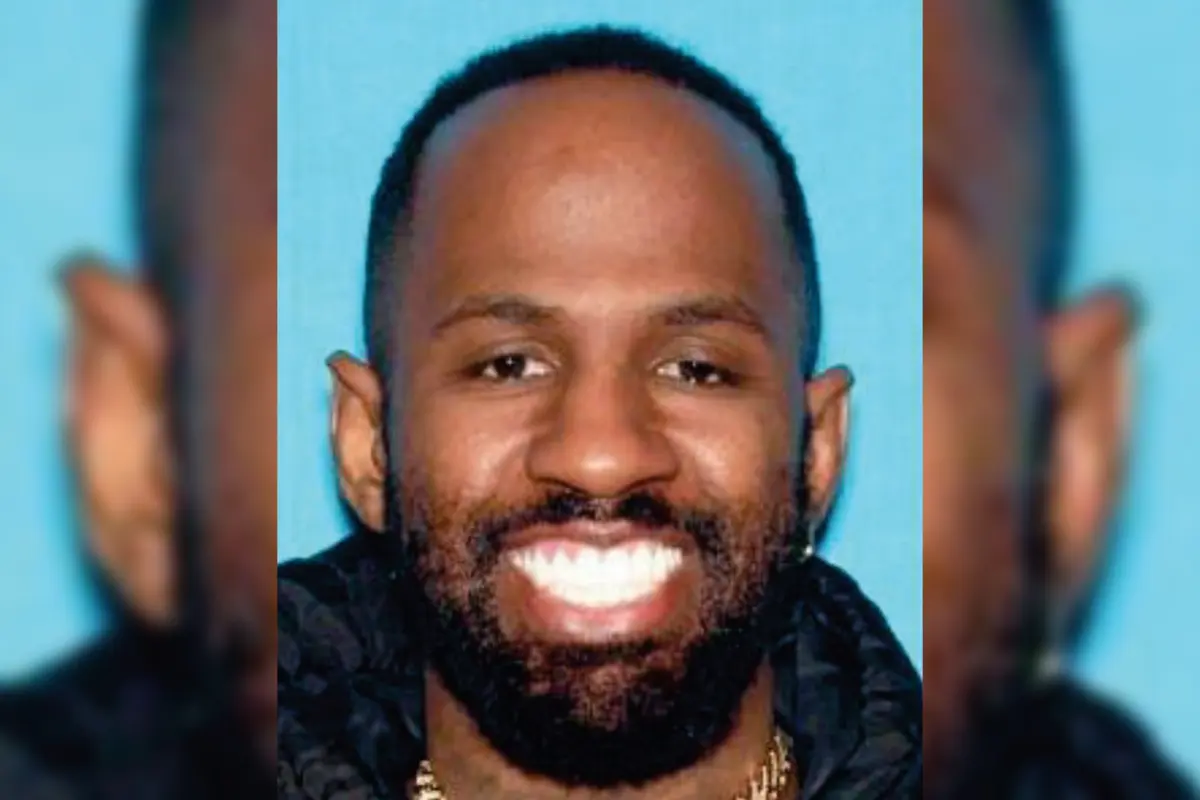
At the center of the narrative is Daejon Love, a 35-year-old serial con artist who weaponized modern dating applications, social media clout, and fabricated athletic prestige to manipulate victims across the United States. Posing as a wealthy, elite professional athlete—specifically a player for the storied San Francisco 49ers—Love allegedly orchestrated a sophisticated web of lies that spanned luxury sports cars, private training videos, and meticulously falsified financial portfolios.
According to federal indictments and statements released by the United States Department of Justice, Love did not act alone. Aided by an 18-year-old accomplice, Taylor Jamie Chan, the pair allegedly conned at least 26 women out of upwards of $1.3 million. However, federal investigators with the Federal Bureau of Investigation (FBI) suspect that the true scope of the enterprise is significantly wider, with dozens more potential victims yet to be identified or publicly unmasked.
The documentary announcement arrives at a pivotal legal juncture. News of the Netflix project broke mere hours after Love made his initial appearance in federal court following his dramatic August arrest. While initial press rollouts from the streamer remained tight-lipped regarding the creative team behind the camera, insiders close to the production have indicated that the film will consciously pivot away from celebrating the sensationalism of the crime. Instead, it will center heavily on the profound psychological, emotional, and financial devastation experienced by the women who fell prey to the "Wide Deceiver."
Detailed Chronology of the Scam: From Gridiron Fantasy to Federal Indictment
The Illusion of Wealth and Status
The anatomy of Daejon Love’s multi-million-dollar deception reads like a Hollywood script, meticulously engineered to exploit the modern psychology of online dating, influencer culture, and parasocial worship of professional athletes.
For months, the digital footprint cultivated by Love projected an enviable, high-rolling lifestyle. Across multiple social media platforms, he maintained a carefully curated persona centered around the trappings of professional sports stardom. Victims and casual scrollers alike were greeted with high-definition video content of Love allegedly running grueling on-field drills, clad authentically in San Francisco 49ers gear. These clips were interspersed with displays of extreme wealth: luxury sports cars tearing down highways, high-end dining, and the effortless mobility of an elite athlete living life in the fast lane.
To the outside observer—and more importantly, to women seeking genuine connections on upscale dating applications—the imagery was overwhelmingly convincing. It bypassed the usual skepticism associated with online dating profiles by offering tangible, visual "proof" of identity and status. Love did not merely claim to play in the National Football League; he broadcasted it as his daily reality.
The Dating App Pipeline and the "Long Con"
Once established on popular dating platforms, Love leveraged his fabricated persona to target women with surgical precision. According to court filings, he did not rush to ask for money. Instead, he deployed the classic playbook of the romance scammer—often referred to in cybercrime circles as "sweetheart swindling"—by bombarding his targets with relentless attention, professing deep, accelerated romantic love, and building an airtight illusion of a committed, long-term future.
Once emotional dependency was secured, the pivot from romance to finance occurred with calculated subtlety. Love introduced his victims to a supposed high-yield investment enterprise. To add an extra layer of corporate legitimacy to the scheme, Love enlisted an 18-year-old co-conspirator, Taylor Jamie Chan, who posed as Love’s professional investment adviser.
The duo operated with a chilling level of administrative polish. When victims expressed initial hesitation or skepticism, Love and Chan were ready with an arsenal of falsified financial documentation. They routinely generated fraudulent bank statements, investment return projections, and corporate dashboards designed to reflect exponential financial growth.
Coercion, Personal Loans, and the Breaking Point
As the fake investment scheme gained traction, the demands escalated. Victims were repeatedly pressured to inject larger sums of capital into the enterprise, enticed by the promise of massive, guaranteed returns. For targets who lacked immediate liquid cash or savings, Love and Chan allegedly applied intense psychological coercion, urging the women to take out personal bank loans, drain retirement accounts, or borrow from family members under the absolute guarantee that their investments would be swiftly repaid.
The house of cards could not stand forever. As mounting financial distress forced several victims to demand payouts or withdrawals—only to be met with stalled communications, fabricated excuses, or demands for further fees—suspicion grew. The cumulative distress of financial ruin paired with the shattering of emotional intimacy ultimately triggered a federal investigation, pulling back the curtain on an operation that had systematically exploited victims across multiple states.
Supporting Context & Metrics: The Scale of Modern Romance Fraud
Legal Realities and Potential Sentences
The legal fallout for Daejon Love is severe. Following his apprehension in August, Love was formally charged by the U.S. Attorney’s Office for the District of Oregon with multiple counts of wire fraud and conspiracy to commit wire fraud.
According to the Department of Justice, the charges carry devastating potential penalties. If convicted on all counts, Love faces:
- Up to 20 years in federal prison.
- Financial restitution orders.
- Individual criminal fines reaching up to $250,000.
Co-defendant Taylor Jamie Chan faces parallel scrutiny as the legal proceedings advance through the federal court system. Legal experts note that because wire fraud charges involve interstate electronic communications—spanning dating apps, text messaging, and online banking systems—federal prosecutors hold a formidable evidentiary advantage, particularly given the digital paper trail left by the falsified bank records and investment portfolios.
The Broader Scope of the FBI Investigation
While the current federal indictment explicitly cites losses exceeding $1.3 million extracted from at least 26 distinct victims, federal law enforcement agencies have expressed deep concern that the actual numbers are significantly higher.
Romance scams frequently suffer from severe underreporting due to the profound social stigma, shame, and psychological trauma experienced by victims. Many individuals targeted by sophisticated operators like Love internalize the blame, delaying or entirely avoiding reporting the crimes to local police or federal authorities. The FBI’s ongoing open call for information suggests that as media coverage surrounding Untold: Wide Deceiver expands, additional victims may step forward to aid investigators and bolster the government’s case.
Netflix’s Untold Franchise and Cultural Impact
The inclusion of Love’s case into the Untold library marks a strategic evolution for the Netflix documentary banner. Historically, the franchise—helmed by creators Chapman and Maclain Way—focused primarily on high-profile, adrenaline-fueled sports controversies, locker-room scandals, and institutional corruption. Previous installments have explored intense narratives ranging from the tragic murder-suicide of former NFL star Steve McNair and the post-career struggles of NBA standout Lamar Odom to the cultural firestorm surrounding controversial Australian Olympic breakdancer Raygun.
By expanding into the intersection of athletics, digital deception, and cyber-enabled romance fraud, Untold: Wide Deceiver signals the franchise’s willingness to examine the darker, modern pathologies that shadow the sports and entertainment industries. The documentary does not merely look at a crime in sports; it examines how the mythology of sports and athletic celebrity can be weaponized by bad actors to manipulate everyday citizens in the digital age.
Official Statements and Industry Insights
The official logline released by Netflix on Tuesday laid out the core mission of the upcoming documentary project:
“Untold: Wide Deceiver will unpack the internet nickname and the far darker story it exposed.”
While corporate announcements from the streaming platform have kept specific creative milestones under wraps, industry reporting from The Hollywood Reporter has illuminated the directorial and thematic compass of the film. According to sources intimately familiar with the production’s development, the documentary will consciously reject the temptation to sensationalize or glorify the perpetrator’s elaborate lifestyle.
Instead, the creative team has structured the narrative to prioritize the human element. The film will serve as an in-depth platform for the women targeted by Love, offering them an unvarnished space to articulate how the deception unfolded, how institutional and dating-app vulnerabilities were exploited, and how they are navigating the arduous journey toward emotional and financial recovery.
Legal advocates specializing in cyber fraud and victim support have praised this reported direction, noting that public discourse surrounding romance scams too often focuses exclusively on the technical mechanics of the con while ignoring the profound emotional abuse inflicted upon survivors.
Future Outlook: What Lies Ahead for the Case and the Culture
As Daejon Love navigates the opening stages of his federal court proceedings, the cultural conversation surrounding online dating safety, digital impersonation, and romance fraud is undergoing a sharp reassessment.
The upcoming release of Untold: Wide Deceiver is poised to serve as a national touchstone. By bringing a complex, multi-state cybercrime investigation into the mainstream pop-culture consciousness, the documentary will likely spark renewed legislative and corporate scrutiny regarding how dating applications verify user identities, how social media platforms police impersonation accounts, and how financial institutions monitor rapid, suspicious transfers tied to online relationships.
For the legal system, the upcoming months will test the strength of the federal government’s case against Love and Chan as defense teams review the mountain of digital evidence, wire transcripts, and financial records compiled by federal investigators. For the public, the case stands as a sobering reminder of the invisible dangers lurking behind high-definition screens, polished avatars, and too-good-to-be-true romantic fairy tales.
As the cameras roll and the courts deliberate, Untold: Wide Deceiver promises to deliver not just a gripping true-crime narrative, but an essential, unflinching examination of trust, exploitation, and survival in an increasingly disconnected digital world.