

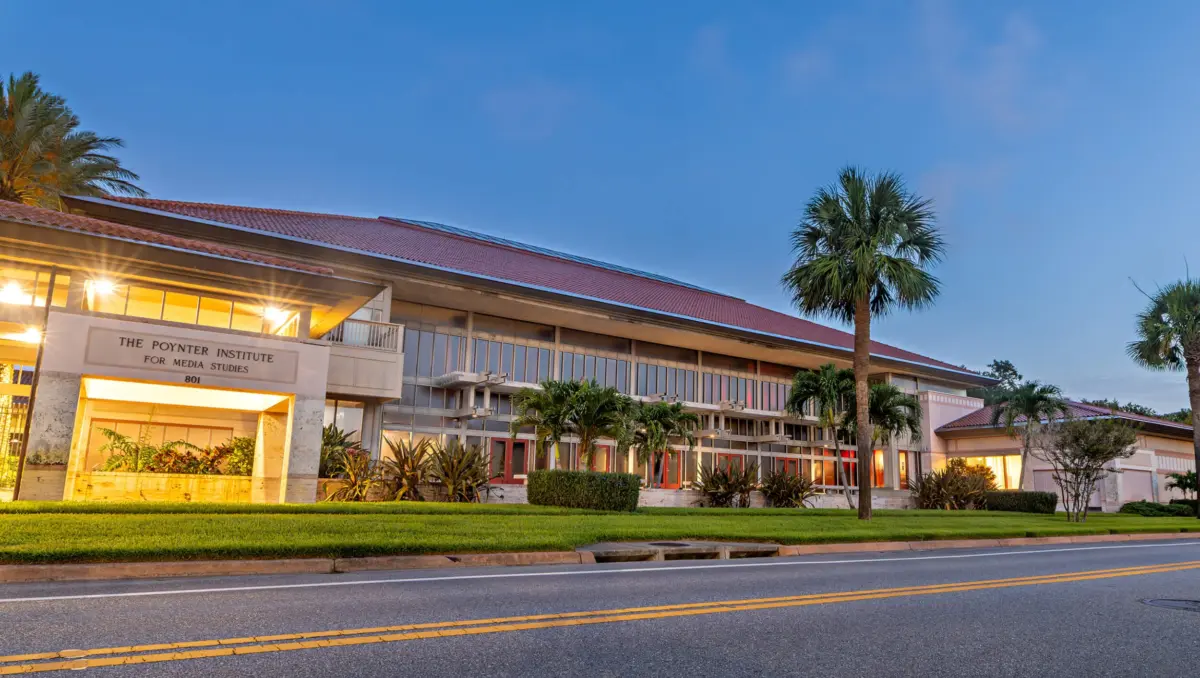
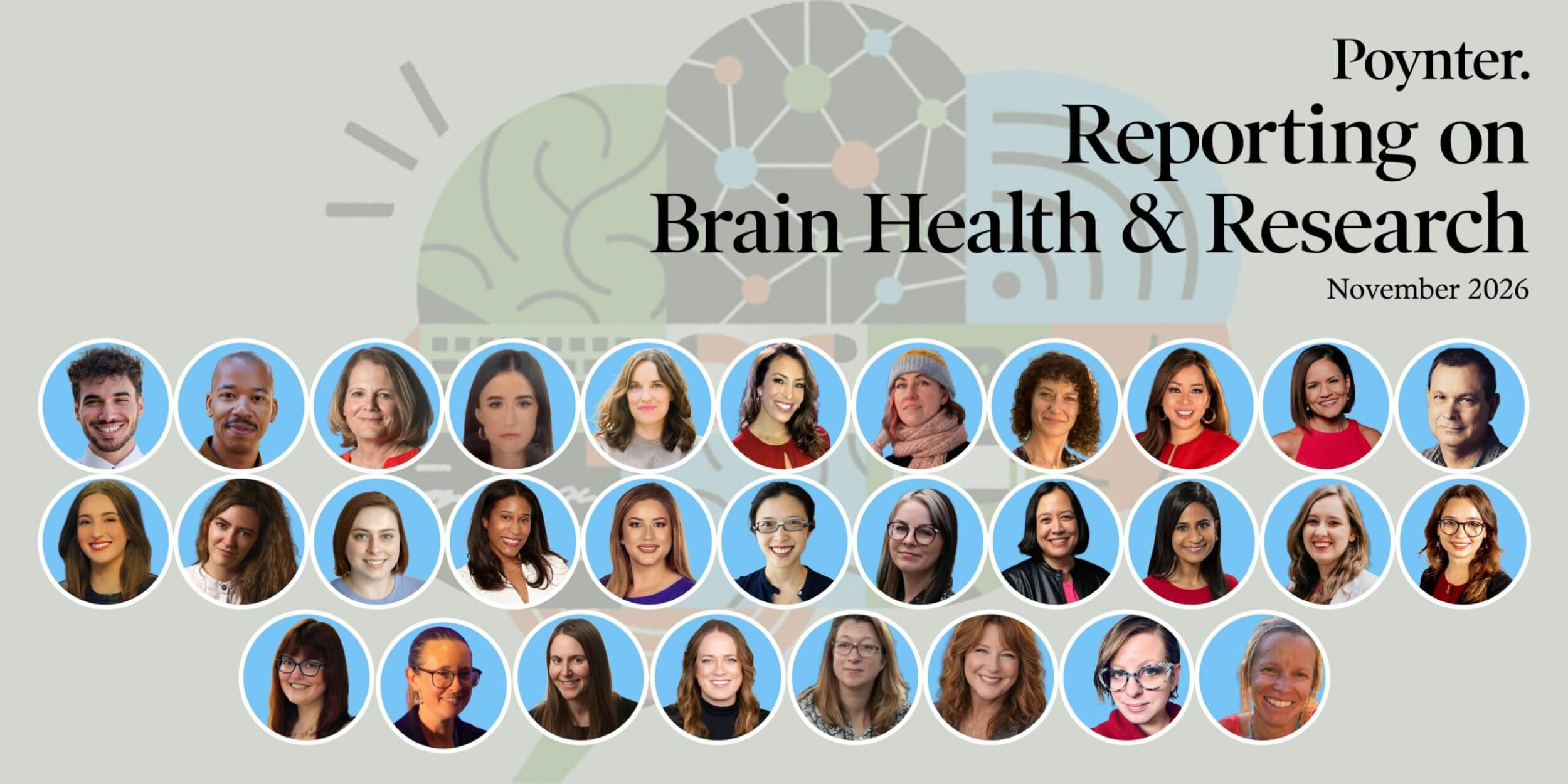
ST. PETERSBURG, Florida — In an era defined by rapid medical breakthroughs and an overwhelming flood of digital information, the intersection of journalism and complex science has never been more critical. Recognizing this urgent need, The Poynter Institute has officially announced the selection of 30 accomplished journalists for its inaugural Reporting on Brain Health & Research: A Poynter Fellowship.
This fully funded, year-long professional development initiative is specifically designed to elevate the standard of reporting on neuroscience, mental health, and neurological disorders. Supported generously by the Brain & Behavior Research Foundation (BBRF), the program brings together a diverse cohort of reporters, editors, producers, and newsroom leaders from across the United States. Representing national heavyweights, regional powerhouses, and vital public media outlets—such as NPR, the Chicago Tribune, Science Magazine, the Miami Herald, and The Salt Lake Tribune—these fellows are poised to transform how complex medical science is translated for the general public.
Executive Overview
The modern journalist faces an unprecedented landscape where scientific advancements—ranging from novel Alzheimer’s therapies and breakthrough psychiatric treatments to the long-term neurological impacts of sports concussions—frequently dominate the daily news cycle. However, translating peer-reviewed scientific literature into accurate, accessible, and compelling narratives requires a specialized skill set. Misinterpretations of medical studies can lead to public confusion, false hope, or unwarranted fear.
The Poynter Institute’s newly minted fellowship addresses this vulnerability head-on. Rather than relying on brief, superficial training seminars, the year-long program offers an immersive, sustained curriculum. Fellows will spend twelve months developing original reporting projects backed by individualized coaching, peer collaboration, and continuous publication opportunities.
By empowering newsrooms to cut through medical jargon and scrutinize methodological flaws, the fellowship aims to foster a healthier public discourse around brain health—a topic that inevitably touches every corner of society, from education and criminal justice to aging and disability.
Detailed Chronology: From Application to Execution
The launch of the 2026–2027 fellowship represents the culmination of months of rigorous planning, curriculum development, and competitive selection. The timeline for this landmark program highlights its intensive structure:
- Mid-2026: The Poynter Institute opens applications for the fellowship, drawing submissions from hundreds of journalists embedded in national networks, metropolitan dailies, and local public broadcasting stations.
- November 17, 2026: Poynter officially announces the final cohort of 30 fellows chosen to participate in the inaugural program.
- December 1–3, 2026: The fellowship officially kicks off with an intensive, three-day in-person convening at Poynter’s scenic campus in St. Petersburg, Florida. Attendees will engage in foundational workshops, hands-on seminars, and networking sessions.
- Throughout 2027: Fellows transition into a dynamic phase of monthly virtual workshops. They will learn directly from a stellar faculty of veteran science journalists, neuroscientists, and medical ethicists while producing and refining their independent reporting projects.
- Late 2027: The program culminates with the finalization and publication of the fellows’ deep-dive reporting projects, designed to serve as benchmark examples of responsible science journalism within their respective newsrooms and across the broader media ecosystem.
Supporting Context & Metrics: The Imperative of Brain Health Journalism
To understand the profound necessity of the Poynter fellowship, one must examine the pervasive nature of brain health in contemporary news coverage. As Kerwin Speight, a Poynter faculty member and the leader of the fellowship, aptly notes, neuroscience is no longer confined to the "science and health" section of a newspaper.
"Anyone covering education, aging, disability, criminal justice, sports, or even general assignment will eventually run into a brain-health angle—autism, dementia, concussion research, mental health," Speight observes.
Consider the statistical weight of neurological and psychiatric conditions globally and domestically:
- Neurodegenerative Diseases: According to the Alzheimer’s Association, millions of Americans are currently living with Alzheimer’s disease and other dementias, a figure projected to rise sharply as the population ages. Local newsrooms are increasingly tasked with reporting on the socio-economic and caregiving strains of these conditions.
- Mental Health Crisis: Public health agencies have repeatedly emphasized an ongoing youth mental health crisis, making accurate reporting on psychiatric research, therapy efficacy, and systemic care deficits a matter of public urgency.
- Traumatic Brain Injury (TBI) and Sports: From youth sports leagues to professional athletics, the long-term cognitive consequences of concussions and repetitive sub-concussive impacts remain a vital beat for sports and investigative reporters alike.
Despite these widespread impacts, journalists frequently encounter steep barriers when attempting to cover brain research. Scientific studies are often dense, laden with statistical jargon, and prone to overstatement by academic press offices seeking institutional visibility. The Poynter fellowship is engineered to bridge this gap, equipping reporters with the analytical tools needed to interrogate data, identify conflicts of interest, and distinguish between preliminary laboratory hypotheses and validated clinical breakthroughs.
An Elite Faculty of Mentors and Instructors
A defining strength of the Poynter program is its exceptional roster of faculty members, mentors, and coaches. These industry leaders bring decades of specialized experience in investigative reporting, science communication, and narrative storytelling:
- Meg Kissinger: A Pulitzer Prize finalist and acclaimed author renowned for her deep, empathetic investigative reporting on America’s mental health system.
- Becky Lang: A respected science writing instructor dedicated to demystifying complex technical research for general audiences.
- Anil Oza: A sharp reporting voice from STAT, specializing in the intricacies of modern biomedical research and the pharmaceutical industry.
- Richard Sima: The Washington Post columnist known for his engaging, deeply researched explorations of the human brain and behavior.
- Rob Waters: Founder of MindSite News, bringing extensive expertise in mental health journalism and systemic advocacy reporting.
- Will Stone: A prominent health correspondent for NPR whose reporting has guided public understanding through some of the most pressing health narratives of the decade.
This stellar lineup ensures that fellows do not merely absorb theoretical knowledge; they receive practical, battle-tested guidance on how to break difficult stories, protect vulnerable sources, and maintain rigorous ethical standards.
Official Statements and Institutional Vision
The partnership between The Poynter Institute and the Brain & Behavior Research Foundation underscores a shared dedication to public enlightenment through reliable journalism. Jennifer Orsi, Vice President of Publishing and Local News Initiatives at Poynter, emphasizes the foundational role such programs play in maintaining civic health.
"It’s less a training and more an immersive, sustained investment in 30 journalists’ ability to cover brain science responsibly," Speight reiterated, emphasizing the fellowship’s commitment to long-term impact rather than superficial compliance.
Through this initiative, Poynter continues to fulfill its broader nonprofit mission: addressing society’s most pressing issues by elevating the quality, trustworthiness, and transparency of the information ecosystem. By strengthening the capacity of journalists to report accurately on neuroscience, the institute is directly contributing to a more informed public capable of making sound decisions regarding personal health, public policy, and community well-being.
Future Outlook: Transforming Newsrooms Nationwide
As the 30 selected fellows embark on this transformative year-long journey in December 2026, the ripple effects are expected to reverberate far beyond their individual bylines. In an era where trust in the media faces continuous scrutiny, rigorous, evidence-based reporting serves as the ultimate antidote to misinformation and sensationalism.
By investing in these journalists—empowering them with advanced analytical frameworks, elite mentorship, and the collaborative support of a national cohort—The Poynter Institute and the Brain & Behavior Research Foundation are setting a new benchmark for scientific storytelling. The resulting investigative projects and everyday news coverage will undoubtedly illuminate the inner workings of the human mind for millions of readers, listeners, and viewers, ensuring that the complex frontier of brain science is navigated with clarity, accuracy, and unwavering journalistic integrity.
Media Contact
Jennifer Orsi
Vice President, Publishing and Local News Initiatives
The Poynter Institute
[email protected]
poynter.org
