

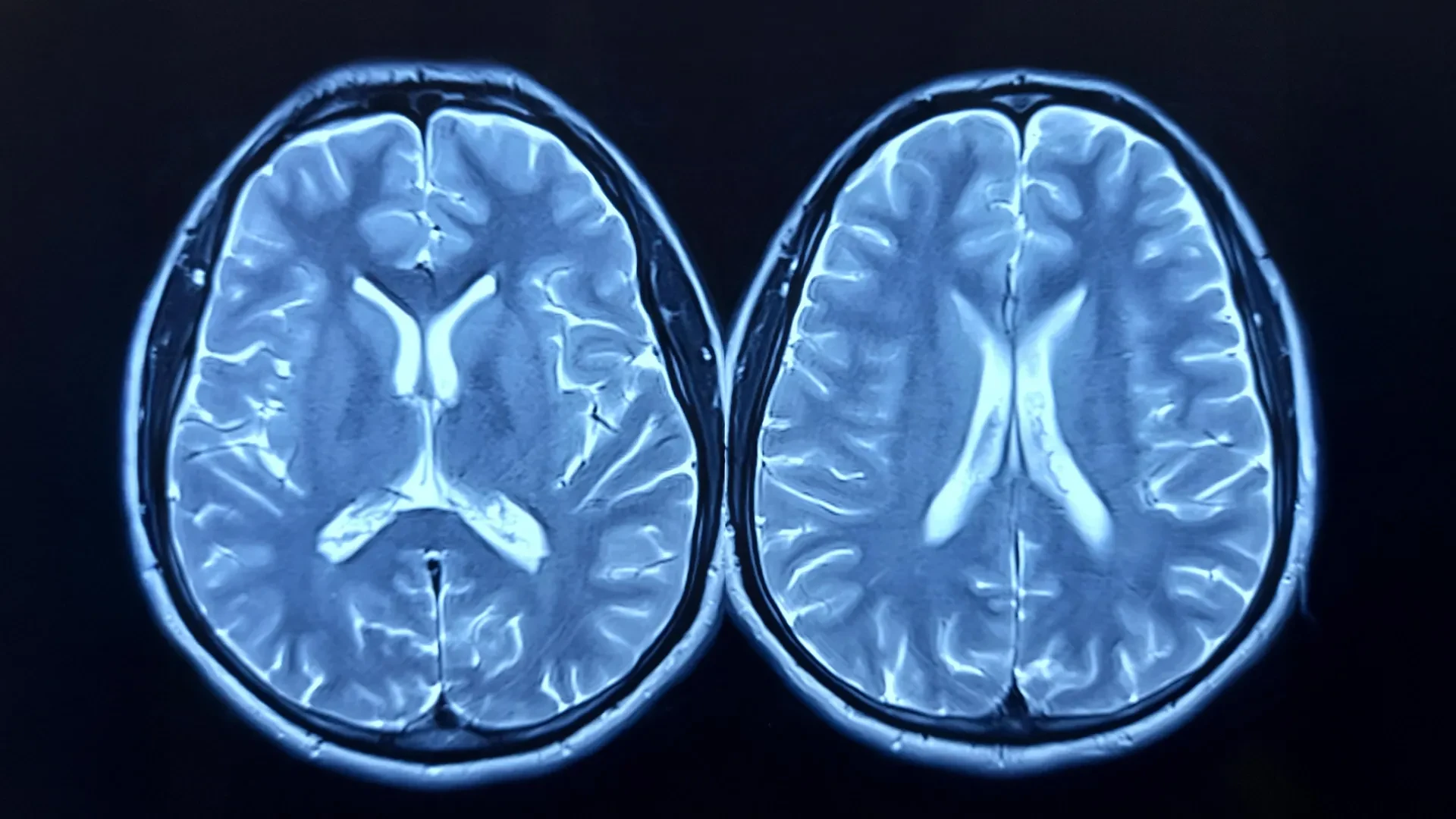
Executive Overview
For decades, the neuroscientific study of autism spectrum disorder (ASD) has relied upon a foundational methodological assumption: that group averages can accurately reveal the underlying neurological markers of the condition. By comparing the aggregated brain activity of autistic individuals against that of neurotypical control groups, researchers have long sought to isolate shared neural signatures that might explain the diverse sensory, communicative, and social experiences defining autism.
However, a groundbreaking study published in the peer-reviewed journal JNeurosci challenges this traditional paradigm. Led by neuroscientists Dorit Kliemann and James Traer at the University of Iowa—in collaboration with researchers from Indiana University and the California Institute of Technology (Caltech)—the investigation reveals a startling paradox. When researchers examined group-level averages, the brain activity of adults with and without autism appeared remarkably similar. Yet, a shift in analytical focus toward individual variation unveiled profound disparities.
Autistic adults displayed significantly higher individual variability in their neural responses compared to their neurotypical peers. This divergence was not evenly distributed throughout the cerebrum; it was most pronounced within the "social brain system"—the interconnected network of regions responsible for deciphering, interpreting, and responding to complex social cues.
This discovery fundamentally reshapes our understanding of neurodiversity. By demonstrating that group averages can entirely obscure critical individual differences, the findings suggest that the clinical and scientific communities must pivot away from a "one-size-fits-all" search for universal autism biomarkers. Instead, the research champions a shift toward personalized neuroscience, one that accounts for the wide spectrum of individual experiences by identifying neurobiological subgroups and tailoring interventions accordingly. As the scientific community digests these implications, the study stands as a watershed moment for how neurological research approaches complex developmental conditions.
Detailed Chronology: Unraveling the Neural Tapestry
To understand how Kliemann, Traer, and their multidisciplinary team arrived at these counterintuitive conclusions, it is necessary to examine the methodological journey that underpinned the research. The project did not originate in a vacuum; rather, it represents the culmination of advanced computational modeling applied to rich, naturalistic neuroimaging datasets.
Phase 1: Leveraging Naturalistic Datasets
Traditionally, neuroimaging studies of autism have relied on restrictive, highly controlled laboratory tasks—such as viewing static images of faces, pressing buttons in response to specific cues, or lying passively inside an MRI machine. While these methods offer precise control over variables, they fail to capture the messy, dynamic complexity of real-world interactions.
To overcome this limitation, the research team utilized previously collected functional magnetic resonance imaging (fMRI) data gathered across institutions at Indiana University and Caltech. Crucially, this dataset recorded the brain activity of adult participants—both autistic and nonautistic—while they engaged in a passive, highly immersive task: watching feature films.
The selected movie clips spanned a diverse array of genres, including whimsical animation, high-octane action sequences, nuanced romantic comedies, and suspenseful Hitchcockian thrillers. This methodological choice was deliberate. Movies provide a continuously evolving stream of multimodal stimuli—simultaneously engaging visual, auditory, and cognitive systems. More importantly, they present rich, contextualized social interactions that mirror the complexity of everyday life. As participants immersed themselves in cinematic narratives, their brains processed shifting character dynamics, emotional inflections, and environmental cues in real time.
Phase 2: Deploying Advanced Computational Modeling
With vast amounts of time-series neuroimaging data in hand, the challenge became how to parse and interpret brain activity that shifted second-by-second in response to dynamic cinematic elements. To solve this, the researchers turned to advanced machine learning and computational modeling.
The team trained a sophisticated computational model designed to map relationships between specific elements within the movies and the corresponding neural activity observed across participants. The model was engineered to track multiple layers of cinematic data simultaneously:
- Low-level sensory details: Visual contrast, luminance, motion tracking, and auditory frequencies.
- Mid-level structural features: Scene cuts, pacing, and spatial configurations.
- High-level abstract information: Complex narrative structures, character motivations, and dynamic social interactions.
Once trained on these parameters, the computational model demonstrated an exceptional ability to predict activity across several distinct neural systems. It served as a reliable yardstick, accurately forecasting how a typical brain should respond to the sights, sounds, and social cues unfolding on screen.
Phase 3: The Paradox of the Averages
With the computational model successfully established, the researchers performed their primary comparative analysis. Initially, the results conformed to prevailing expectations within the literature. When the team calculated group-level averages—aggregating the neural responses of all autistic participants and comparing them against the aggregated responses of the nonautistic control group—the two cohorts appeared remarkably similar. The model predicted activity across various brain networks with a high degree of concordance between the groups.
Had the researchers stopped here, the study would have added to a long line of literature suggesting minimal group-level differences in certain functional domains during naturalistic viewing. However, Kliemann and Traer pushed the analysis further, shifting their lens from collective group averages to individual participant trajectories.
Phase 4: Unmasking Individual Divergence
By quantifying how much individual participants deviated from others within their respective groups, the researchers uncovered a striking structural reality. While neurotypical participants demonstrated tight clustering in their neural responses—meaning individuals within the control group processed the cinematic stimuli in remarkably similar ways—autistic participants exhibited expansive divergence.
The neural responses of individual autistic adults were significantly less alike, showing vast variability from person to person. This heightened individual variance was not localized to a single isolated area; it permeated nearly every major brain system examined by the researchers.
Most importantly, the epicenter of this variability mapped directly onto the social brain system. While neurotypical brains responded to complex social interactions on screen with a high degree of shared, synchronized neural choreography, autistic brains processed these same social cues through markedly disparate, individualized pathways.
Supporting Context & Metrics: Decoding the "Social Brain"
To fully appreciate the weight of these findings, one must examine the neurobiological architecture of the human social brain and the statistical realities of neurodiversity research.
Anatomy of the Social Brain System
The "social brain" is not a single anatomical structure, but rather an intricate, distributed network of regions working in concert. Key components include:
- The Superior Temporal Sulcus (STS): Vital for processing biological motion, eye gaze, and the perception of intentional actions.
- The Medial Prefrontal Cortex (mPFC): Central to mentalizing, theory of mind, and understanding the mental states, beliefs, and motivations of others.
- The Amygdala: Plays a critical role in processing emotional valence, particularly facial expressions and potential social threats.
- The Temporoparietal Junction (TPJ): Essential for distinguishing between self and other, and for empathizing with others’ emotional states.
In neurotypical populations, exposure to dynamic social scenarios—such as characters navigating a complex interpersonal conflict in a film—triggers a well-documented, highly synchronized cascade of activation across these regions. This consistency is what allows group-averaging techniques to work effectively for neurotypical cohorts; because their brains tend to respond to social stimuli in structurally similar patterns, the average accurately represents the individual experience.
The Fallacy of Homogeneity in Autism
The new research underscores a fundamental flaw in applying this same averaging logic to autism spectrum disorder. The word "spectrum" is clinically accurate but often minimized in neuroimaging research. Autism is characterized by an immense heterogeneity of genetic, phenotypic, and behavioral expressions. No two autistic individuals share the exact same cognitive profile, sensory sensitivities, or social communication style.
The JNeurosci study provides concrete neurobiological validation for this behavioral reality. By showing that autistic individuals possess significantly greater inter-subject neural variability, the data suggests that an "average autistic brain" is a statistical construct rather than a biological reality. When researchers average the brain activity of fifty autistic individuals, they are smoothing over profound, distinct variations. In doing so, unique neural processing strategies are cancelled out, leaving behind a homogenized average that masks the very mechanisms researchers are trying to uncover.
Methodological Implications for Future Studies
This paradigm shift calls into question decades of neuroimaging literature that relied exclusively on group-average comparisons. If diagnostic categories like ASD encompass wide-ranging neural phenotypes, group-level analyses risk committing a Type II error—failing to detect true effects because the internal variance of the clinical group overwhelms the comparison.
Furthermore, this variability offers a compelling explanation for why translating laboratory findings into real-world clinical applications has historically proven difficult. Interventions designed around an idealized "average" autistic profile may inevitably fall short when applied to individuals whose underlying neural machinery operates via entirely different computational strategies.
Official Statements and Expert Perspectives
The profound implications of the study have drawn commentary from the lead investigators, who emphasize the necessity of a cultural and methodological shift within cognitive neuroscience.
Dr. Dorit Kliemann, co-lead author of the research from the University of Iowa, highlighted the power of the naturalistic viewing paradigm in parsing complex social difficulties:
"The computational model allowed us to look for robust brain responses to many different aspects of the complex, dynamic contexts in the movies. By moving away from static, oversimplified laboratory tasks and entering a more ecologically valid environment, we were able to observe how these neural systems engage with the real world."
Addressing the surprise surrounding the group-average data, Kliemann elaborated on the future trajectory of diagnostic and support frameworks:
"We were initially struck by the similarity of group averages. However, uncovering this hidden variability changes our roadmap. Identifying ASD subgroups may help us build a more precise understanding of the condition and help develop ways to provide individually tailored support."
Co-lead author James Traer echoed these sentiments, emphasizing that the scientific community must recalibrate its investigative priorities:
"The results suggest that we need to focus on understanding the details of individual brain responses. How and why do they differ? Rather than searching exclusively for universal neural signatures that bind every autistic person together, we must embrace the rich diversity of individual cognitive wiring."
Independent neuroscientists not involved in the study have also praised its methodological rigor. By combining large-scale, multi-institution datasets with advanced machine learning models capable of parsing multi-layered cinematic stimuli, Kliemann and Traer have established a new gold standard for naturalistic neuroimaging. Experts note that this approach bridges the persistent gap between tightly controlled laboratory experiments and the messy, beautiful reality of human neurological diversity.
Future Outlook: Toward Personalized Neurodiversity Care
As the dust settles on these findings, the research team is already charting the next phases of investigation. The publication in JNeurosci is not viewed as a terminal endpoint, but rather as the opening salvo in a broader campaign to rewrite how science understands and supports autism.
Connecting Neural Variance to Behavioral Phenotypes
The immediate priority for Kliemann, Traer, and their collaborators is to investigate how the observed variations in brain activity correlate with real-world behaviors and individual characteristics. The researchers aim to determine:
- Developmental Trajectories: Where and when do these patterns of high neural variability emerge across the human lifespan? Are they present in early childhood, or do they diverge further during adolescence?
- Behavioral Mapping: How do specific variations in social brain network activation map onto everyday social communication styles, sensory processing differences, and executive functioning profiles?
- Etiological Factors: What accounts for this heightened individual variance? To what extent are these neural differences driven by genetic factors, environmental influences, or compensatory learning strategies developed over a lifetime?
Revolutionizing Clinical Support and Interventions
The ultimate promise of this research lies in its potential to transform clinical care. For decades, therapeutic and educational interventions for autism have been designed around generalized group metrics. If an intervention proved effective for the "average" participant in a clinical trial, it was disseminated broadly.
However, recognizing that individual autistic brains process complex social environments through vastly different neural configurations suggests that personalized approaches are paramount. By moving beyond group averages, researchers hope to identify distinct neurobiological subgroups within the broader autism spectrum.
Such stratification could revolutionize clinical care in several ways:
- Targeted Therapeutics: Clinicians could utilize individualized neuroimaging or behavioral profiles to select therapies specifically aligned with a person’s unique neural processing style, rather than relying on generalized protocols.
- Early Identification: Understanding the developmental origins of neural variability could lead to more nuanced, individualized early intervention strategies that support children based on their specific cognitive strengths and challenges.
- Reframing Neurodiversity: Scientifically validating individual neural variance reinforces the neurodiversity paradigm—the understanding that neurological differences are natural variations of human wiring rather than mere deficits to be corrected.
Conclusion
The work of Kliemann and Traer serves as a powerful reminder that in the study of the human mind, the average can be a misleading illusion. By looking past group-level homogeneity and listening closely to the distinct neurological stories told by individual brains, science is stepping into a more nuanced era. In this new frontier, understanding autism will no longer require erasing individual differences in pursuit of an average; instead, it will require embracing the full, brilliant complexity of how every individual processes the world.
