

Executive Overview
In the modern digital economy, the landscape of freelance lead generation has undergone a seismic shift. While job boards saturated with hundreds of desperate applicants and traditional cold-pitching emails continue to yield diminishing returns, a singular platform has emerged as the undisputed gold standard for inbound client acquisition: LinkedIn.
No longer merely a digital Rolodex for corporate job seekers, LinkedIn has evolved into a dynamic ecosystem of thought leadership, peer networking, and high-value B2B connections. For freelance writers looking to escape the feast-or-famine cycle, establishing an authoritative presence on this platform is no longer optional—it is a critical business imperative.
However, mastering LinkedIn requires far more than haphazardly posting a status update or connecting with random peers. Recent algorithmic shifts favor deep niche relevance, authentic engagement, and strict adherence to content parameters that reward industry-specific expertise over generic motivational platitudes. This comprehensive analysis breaks down the five foundational strategies modern freelancers must deploy to turn LinkedIn into an automated inbound client engine, drawing on insights from industry leaders and up-to-date best practices.
Detailed Chronology of the Platform Shift: From Corporate Resume to B2B Marketplace
To understand why LinkedIn holds such immense power for freelancers today, it is essential to examine how the platform transformed over the past decade.
- Phase One (The Digital Resume Era): For years, LinkedIn was treated as a static online repository for resumes. Professionals logged on only when they were looking for a full-time corporate job or attempting to passively display their work history to recruiters. Freelancers completely ignored it in favor of freelance-specific marketplaces, content mills, and direct email outreach.
- Phase Two (The Content Boom and Noise): As the platform introduced native publishing and video, creators flooded the feed. Unfortunately, this era was dominated by "broetry"—short, one-sentence paragraphs designed purely to game the algorithm, often featuring generic hustle culture tropes or emotional personal anecdotes entirely disconnected from actual business value. While some creators built massive follower counts, conversion rates for service providers remained low.
- Phase Three (The Relevance and Authority Paradigm – Current State): Today, LinkedIn’s algorithm has matured significantly. It aggressively penalizes engagement bait and shallow tactics while heavily rewarding contextual depth, specific niche authority, and genuine conversations. Marketing directors, founders, and content managers now use the platform actively to research trends, vet vendors, and hire specialized talent. For the modern freelance writer, this shift means that a well-optimized profile and targeted content strategy can bypass the traditional gatekeepers of procurement entirely, positioning the writer as a trusted industry expert rather than a transactional commodity.
Supporting Context & Metrics: Why Traditional Outreach is Failing
The pivot toward LinkedIn is largely driven by structural changes in how B2B companies buy content services. According to industry data shared by veteran copywriters and agency founders, cold pitching has experienced a steady decline in conversion rates over the last five years. Inbox saturation, aggressive spam filters, and an influx of low-quality, AI-generated pitches have made decision-makers increasingly defensive.
Conversely, inbound leads generated via LinkedIn demonstrate significantly higher conversion rates, shorter sales cycles, and a greater willingness to pay premium retainers. When a marketing director stumbles upon a freelance writer’s insightful breakdown of a B2B SaaS content strategy or reads a data-driven post about financial compliance trends, trust is established before a single sales call ever takes place.
Furthermore, network expansion on LinkedIn compounds over time. Unlike a cold email sent to a single inbox, a well-crafted LinkedIn post viewed and engaged with by secondary connections acts as a persistent billboard, placing the writer directly in front of targeted prospects day after day.
The Five-Step Blueprint for LinkedIn Mastery
Transitioning from a passive profile viewer to an inbound client magnet requires a deliberate, systematic approach. Industry experts recommend implementing five core strategies to optimize time, manage anxiety, and maximize visibility on the platform.
1. Write to Potential Clients, Not Other Freelancers
One of the most common traps new writers fall into is building an echo chamber. They join freelance writing communities, connect exclusively with other copywriters, and spend their time sharing tips on how to write better hooks or land initial gigs.
While peer support is invaluable for emotional well-being and occasional subcontractor referrals, it will not fill your bank account with recurring client revenue.
- Audit Your Feed: Review your last ten posts. If the majority of your content targets other writers, your positioning is flawed.
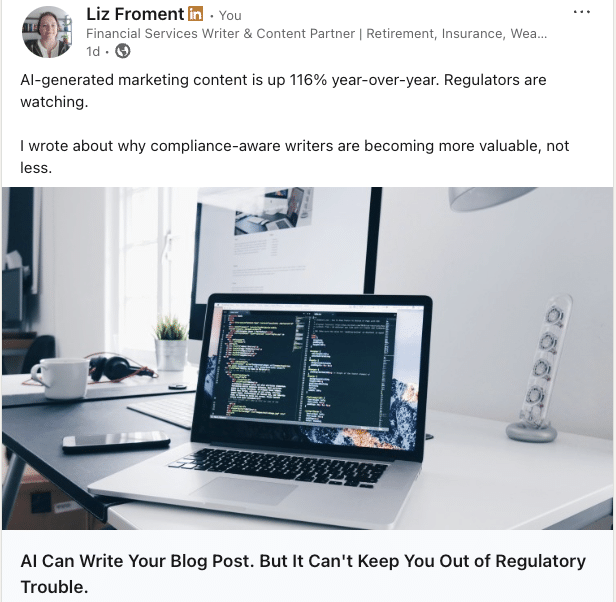
- Identify Core Pain Points: Pinpoint three to five topics that obsess your ideal clients. A freelance medical writer, for instance, should focus on clinical trial regulations, pharmaceutical marketing challenges, or healthcare data privacy. A financial copywriter should dissect fintech trends, compliance updates, or customer onboarding UX.
- Demonstrate Domain Expertise: Write content that proves you understand the commercial realities of your clients’ industries. Share high-level strategic insights, break down why a competitor’s content is failing, or offer a nuanced take on a breaking industry news story. When a marketing manager visits your profile, they must immediately recognize that you speak their language.
2. Overcome Posting Anxiety Through Sustainable Cadence
The pressure to post daily is one of the primary reasons freelancers abandon their LinkedIn efforts before seeing results. The conventional wisdom dictating a grueling daily publishing schedule often leads to severe burnout, imposter syndrome, and complete paralysis.

The reality is liberating: posting consistently just once or twice a week over a sustained period yields massive results.
- Establish a Manageable Cadence: Choose a routine you can maintain indefinitely without stress—such as publishing every Monday and Thursday, or strictly every Wednesday. Consistency trumps volume every single time.
- Batch Your Content: Block out 30 minutes every Sunday to draft and schedule your posts for the week using LinkedIn’s native scheduling tool.
- Keep Formats Simple: Right now, text-based posts featuring strong, curiosity-driven hooks and clean formatting outperform expensive graphics and video. A well-argued point delivered in concise, readable paragraphs will always win the day.
3. Master the Art of Engagement ("Walking the Marketing Dog")
Content publishing is only half the battle. In the early stages of building a LinkedIn presence, proactive engagement is far more critical to your success than the posts themselves.
Renowned B2B content strategist Sarah Greesonbach refers to this daily maintenance routine as "walking the marketing dog"—a non-negotiable daily habit designed to keep your business active and visible.
- Curate a Prospect List: Compile a targeted list of 20 to 30 marketing directors, content managers, and founders at the exact companies you dream of working with. Follow all of them.
- Leave Thoughtful Comments: Dedicate 15 to 20 minutes a day to scrolling through their recent updates. Avoid generic, hollow responses like "Great post!" or "So true." Instead, add genuine value by expanding on their point, introducing a counter-perspective, or sharing a relevant metric.
- Adopt the 3-2-1 Method: Popularized by B2B launching expert Ed Gandia, this framework simplifies daily outreach: send 3 connection requests, leave 2 thoughtful comments, and publish 1 post per day. Scale this down if needed, but ensure daily interaction remains a habit.
4. Treat Your Profile Like a High-Converting Sales Page
Your content attracts attention, but your profile closes the deal. If a prospect clicks your name after reading a great comment, your profile must instantly convert them from a curious reader into a paying client.

- Optimize Your Headline: Eradicate the generic title "Freelance Writer." Instead, craft a value-driven headline that explicitly states who you help and what results you deliver. (e.g., "I write high-converting content that helps B2B SaaS companies scale customer acquisition").
- Rewrite the About Section: Speak directly to the reader in the second person. Address their specific business pain points, outline your methodology, highlight marquee past clients, and conclude with a crystal-clear call to action pointing them to your portfolio website.
- Leverage the Featured Section: Pin your absolute best writing samples, case studies, and glowing client testimonials directly to the top of your profile to establish instant credibility.
5. Build an "Idea Brain" to Eliminate Writer’s Block
Running out of things to say is a common roadblock, but it can be systematically cured by building an idea generation pipeline.
- Capture Volume Over Quality: Set a daily reminder to open your phone’s notes app and jot down 10 raw ideas. They can be article concepts, client questions, industry frustrations, or random observations.
- Filter Weekly: At the end of the week, review your list of 70 raw ideas. You will inevitably find 5 to 10 gems worth developing into full posts.
- Utilize AI as a Launchpad: If you find yourself completely stuck, leverage AI writing assistants like ChatGPT to generate a baseline list of topic prompts tailored to your niche, then apply your unique voice and professional experience to flesh them out.
Future Outlook: The Indispensable Value of a Personal Network
As the digital landscape continues to evolve alongside automated technologies, the value of human connection and verified expertise has never been higher. Dedicating just 20 to 30 minutes a day to strategic LinkedIn optimization and engagement transforms the platform from a passive social network into a resilient business asset.
Beyond securing steady inbound client leads, an active LinkedIn presence acts as professional insurance. By cultivating a robust network of peers, editors, and industry leaders, freelancers create a resilient referral pipeline that cushions them against market fluctuations and platform algorithm changes. For any writer serious about building a sustainable, high-income freelance business in the coming years, mastering LinkedIn is not merely an option—it is the ultimate strategic advantage.
