

Executive Overview
In the sprawling, often contentious ecosystem of contemporary pomology, few cultivars evoke as polarized a response as the Macoun. To the casual grocery store shopper encountering a bruised, cold-storage specimen in the dead of January, the experience is nothing short of harrowing—a sensory betrayal characterized by mealy textures and oxidized, lackluster profiles. Yet, within orchard circles and among dedicated fruit historians, the fresh, in-season Macoun is whispered of with reverence.
This investigation explores the duality of Malus domestica ‘Macoun’, contrasting the lamentable reality of mass-market cold storage with the vibrant, effervescent triumph of a peak-season harvest. Sourced fresh from Tabora Farms, our subject underwent rigorous organoleptic evaluation to test a central hypothesis: that the perceived shoddiness of certain apple varieties is frequently an artifact of temporal misalignment rather than inherent genetic failure.
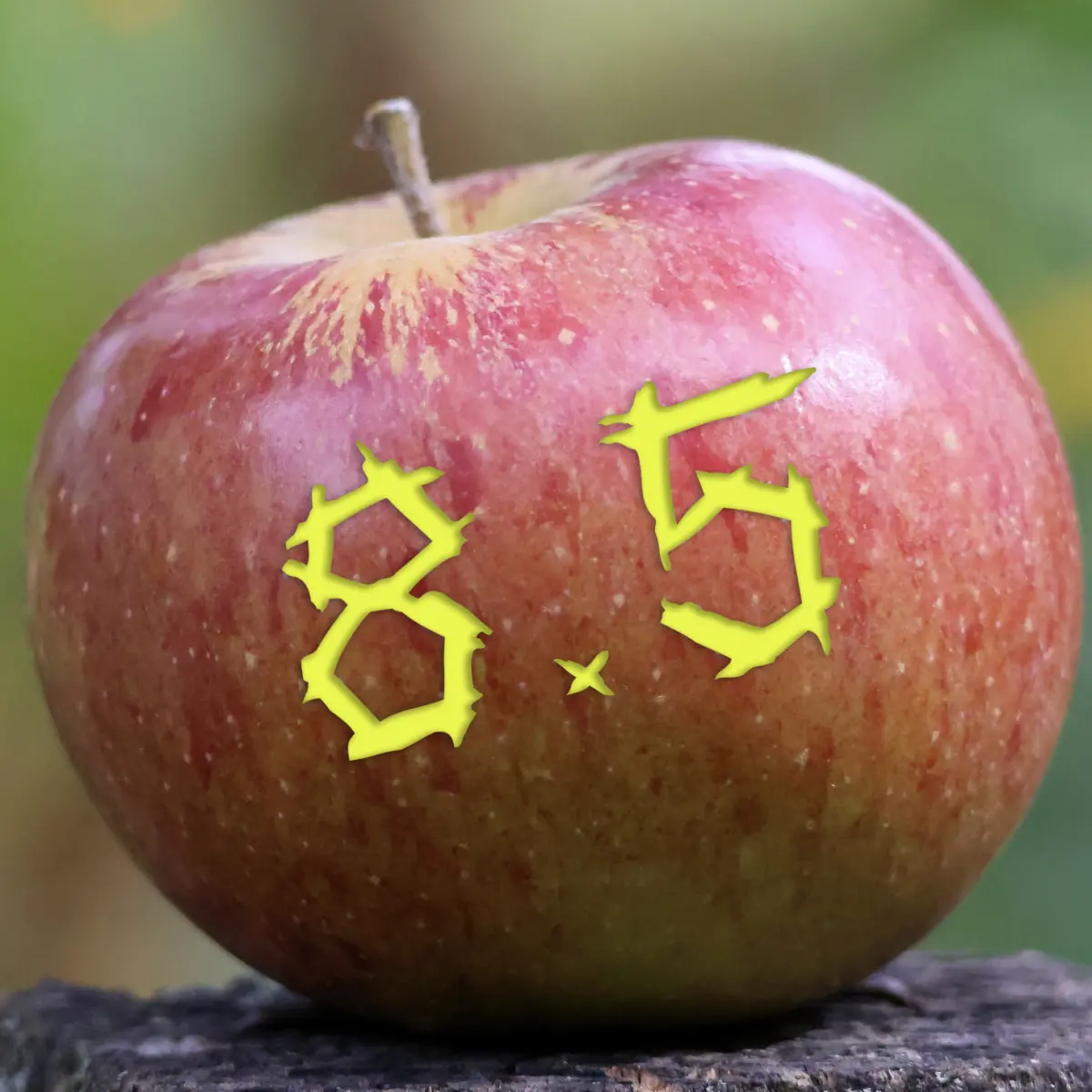
With a final score of 8.5 out of 10, the properly harvested Macoun establishes itself as a top-tier snacking apple. However, its reputation remains hostage to logistical failures in national grocery supply chains. This report examines its origins, horticultural lineage, sensory profile, and broader implications for modern fruit distribution.
Detailed Chronology: From Grocery Store Purgatory to Orchard Redemption
The redemption arc of the Macoun apple began with a low point of culinary disillusionment. Months prior, an off-season encounter with a January grocery store variant left a lasting, unfavorable impression. Stored in hyperbaric-style commercial fruit chambers—facilities utilizing atmospheric controls and technological wizardry to artificially arrest the decay cycle while allowing the internal structural integrity and soul of the fruit to wither—that initial specimen was, frankly, undrinkable. Reviewers at the time encapsulated the experience with brutal succinctness: an emphatic rejection of the modern supply chain’s lowest common denominator.
However, adherence to rigorous journalistic and gastronomic inquiry demanded a second chance. The working theory of pomological redemption posits that judging an apple by its winter supermarket incarnation is akin to evaluating a vintage wine stored unprotected on a radiator.
[January Supermarket Specimen]
       │
       ├─► Storage: Hyperbaric chambers & artificial gas mixes
       ├─► Texture: Mealy, compromised ("wet trash")
       └─► Verdict: Utterly condemned

                     VS.

[Peak-Season Orchard Specimen (Tabora Farms)]
       │
       ├─► Storage: Direct from tree to local market
       ├─► Texture: Crisp, resilient, yielding flesh
       └─► Verdict: 8.5/10 — "Crushable" and transcendent
The turning point occurred during the peak autumn harvest window at Tabora Farms, a local orchard that shields its fruit from the indignities of transcontinental freight and multi-month dormancy. Stripped of the artificial constraints of industrial preservation, the true character of the Macoun finally emerged, transforming a historical grudge into an enthusiastic endorsement.

Supporting Context & Metrics: Lineage, Nomenclature, and Anatomy
Understanding the Macoun requires a deep dive into its pedigree, naming conventions, and physical attributes.
Nomenclature and Origins
The cultivar’s name is a persistent source of linguistic debate among consumers. Commonly mispronounced with a Southern cadence (akin to Macon, Georgia, as MAY-cun), the true pronunciation aligns with ma-COWN, ma-COON, or ma-COWAN.
The apple honors William Tyrell Macoun, a prominent early-20th-century Canadian horticulturist based in Ottawa, Ontario. Ironically, despite its Canadian namesake, the Macoun is fundamentally a New York creation, developed in the early decades of the 1900s at the New York State Agricultural Experiment Station in Geneva.
Genetic Parentage
Pomologists trace the Macoun’s lineage back to a cross between two notable varieties:
- The McIntosh: Lending its characteristic aromatics, tender flesh, and slight tartness.
- The Jersey Black: Contributing structural depth and skin characteristics.
Organoleptic Metrics and Sensory Breakdown
| Attribute | Observation & Analysis |
|---|---|
| Skin Integrity | Upon initial bite, the skin possesses a distinct, unusual behavior—sloughing off cleanly, almost meltily, akin to a river-logged surface layer. While initially startling, this characteristic quickly dissipates and does not detract from the eating experience. |
| Aroma Profile | The skin acts as the primary reservoir for the fruit’s aromatics. Initial notes present as a generic, pleasant wildflower meadow aroma, which progressively develops subtle, sophisticated undertones of fresh rose. |
| Flesh Composition | The interior flesh is a bold, striking, copy-paper white. It is crisp without being aggressively hard or overly crunchy, yielding obligingly to the teeth. |
| Flavor & Acidity | Opens with an upfront sweetness reminiscent of berry-bubblegum, quickly balanced by a sneaky, sophisticated tartness that introduces an unexpected, effervescent "Sprite-like" finish. |
| Mouthfeel & Finish | Highly crushable. The fruit breaks down rapidly, refreshes the palate, and avoids an unwelcome lingering aftertaste. |
Official Statements and Expert Perspectives
While formal horticultural bodies maintain strict classification standards for fruit sizing, coloration, and brix levels (sugar content), the subjective evaluation of a cultivar’s "crushability" relies heavily on independent field testers.
Local orchardists and agricultural purists have long championed the notion of terroir and harvest timing in northern-tier apple varieties. Experts emphasize that varieties derived from McIntosh heritage—such as the Macoun—are notoriously sensitive to prolonged cold-storage durations.

"When harvested at the exact zenith of its ripening window, a Macoun balances structural yielding with aromatic complexity in a way few modern commercial cultivars can replicate," notes one regional orchard manager. "Leave it in a modified-atmosphere warehouse past December, however, and you are essentially serving structural disappointment disguised as produce."
Consumer feedback gathered across seasonal tasting panels further reinforces this dichotomy, separating the fruit into two distinct categories: the transcendent orchard snack and the supermarket disaster.
Future Outlook & Recommendations
As global supply chains continue to prioritize shelf-life longevity—often favoring rubbery, indestructible varieties like the Red Delicious or heavily marketed novelty hybrids—heritage and mid-century cultivars like the Macoun occupy a precarious space.
Actionable Guidance for Consumers:
- Avoid Off-Season Big-Box Retail: Refrain from purchasing Macoun apples from major national supermarket chains (such as Wegmans or similar entities) during the deep winter months (January through April). Doing so invites the consumption of what can only accurately be described as "wet trash."
- Seek Out Local Orchards: Experience the cultivar exclusively during its true harvest season (typically early to mid-fall) by visiting regional orchards directly, where cold-chain logistics are measured in hours rather than months.
- Embrace the Flaw: Accept the temporary eccentricity of the skin’s texture in exchange for the extraordinary, effervescent flavor profile hidden beneath.
By exercising discretion regarding when and where to acquire this nuanced fruit, consumers can rescue a top-tier snack from the unfair stigma generated by industrial preservation methods.
