

Executive Overview
In the high-stakes arena of heirloom pomology, few specimens command the quiet, textured reverence of mid-nineteenth-century European selections. Following a brief operational hiatus dictated by sudden vestibular turbulence—colloquially diagnosed as a bout of acute vertigo, though playfully blamed on improbable environmental factors such as "head bats"—the vanguard of heritage fruit journalism has returned.
Rather than executing
a conventional adversarial face-off, this investigation examines a parallel anomaly: the uncanny convergence of two distinct botanical entities originating from disparate European soils yet sharing an astonishingly similar phenotypic and flavor architecture.
The subjects under scrutiny are the Claygate Pearmain, born in the United Kingdom during the 1830s, and the Zabergau Reinette, established in Germany during the mid-19th century. Both varieties are self-sterile, heavily russeted, equally suited for fresh consumption and cider production, and possess a structural mouthfeel that defies binary categorization between crisp and soft.
This report provides a granular breakdown of their shared lineage, their subtle biochemical divergences, and a definitive scoring metric that cements their status as towering achievements in pomological history.
Detailed Chronology: The Return to the Orchard
The Brief Interregnum of Vertigo
Operations at the apple-review desk were temporarily grounded due to an unannounced bout of dizziness and rotational vertigo. Eschewing speculation of viral origin—confirmed negative via diagnostic testing—the disruption was chalked up to sporadic inner-ear friction, atmospheric barometric anomalies, or dubious seafood consumption. Swift recovery was catalyzed, in part, by an excursion to a live performance by comedian Patton Oswalt, proving once again that high-caliber stand-up comedy serves as an effective post-vertigo restorative.

Resumption of Field Testing: The Scott Farm Selections
With equilibrium restored, testing resumed with a formidable "two-fer" acquisition sourced directly from Scott Farm. Eschewing the typical single-varietal review format, the spotlight turned simultaneously toward the Claygate Pearmain and the Zabergau Reinette.
While initially teased as a gladiatorial "Versus Mode" death match, the tasting quickly revealed a more profound narrative: these apples do not compete; they echo one another. They operate as alternate-reality twins separated at birth, bearing a striking resemblance in texture, aesthetic, and aromatic complexity.
Supporting Context & Metrics: Anatomy of the Russet Lads
To understand the Claygate Pearmain and the Zabergau Reinette is to understand the concept of "russeting"—the rough, corky skin deposition that gives certain heritage apples the tactile quality of dry parchment paper or fine-grit exfoliation pads.
Shared Genetic and Phenotypic Traits
- Historical Epoch: Both varieties emerged concurrently during the mid-1800s, reflecting an era of deliberate, meticulous agricultural selection in European orchards.
- Reproductive Biology: Both selections are strictly self-sterile, requiring cross-pollination to set fruit.
- Dual-Purpose Utility: Historically championed both as dessert apples (consumed out of hand) and as foundational components in traditional hard cider blends.
- Skin Topology: Both feature a pronounced, parchment-like russet finish.
- Texture ("Crunft"): Breaking away from the binary constraints of rock-hard density and mealy softness, both apples occupy a brilliant middle ground. They are neither crisp nor soft, achieving a textural synthesis best designated as "crunft."
- Juice Profile: Neither variety engages in excessive, jaw-drenching juice loss; rather, moisture release is measured, deliberate, and controlled.
- Flavor Architecture: Both present deep pear undertones married to a classic russet profile: a sweet-tart foundation underscored by subtle anise-licorice top notes and a warming, pecan-like nuttiness upon prolonged mastication.
Divergent Characteristics: The Nuance of the Lads
Despite their profound similarities, careful sensory analysis reveals subtle distinctions in their chemical makeup and sensory delivery:
| Metric | Claygate Pearmain | Zabergau Reinette |
|---|---|---|
| Country of Origin | United Kingdom (1830s) | Germany (Mid-19th Century) |
| Dominant Flavor Note | Honeyed sweetness, subtle Honey Nut Cheerios resonance | Intensified, highly forward pear aromatics |
| Sweet-to-Tart Ratio | Approximately 60% sweet / 40% tart | Balanced 50/50 split |
| Tannin & Mouthfeel Impact | Smooth, mellow sweet-tart integration | Higher tannin content; induces a lip-buzzing, moisture-wicking vibratory sensation |
The Zabergau Reinette’s elevated tannin levels create a fascinating physiological response: rather than simply drying the palate, it produces a localized micro-vibration on the lips, creating the whimsical sensation that the fruit is actively tasting the consumer back. Conversely, the Claygate leans into a comforting, honeyed warmth, evoking nostalgic breakfast-cereal aromatic profiles without sacrificing its pomological dignity.
Official Statements and Horticultural Analysis
In evaluating these two selections, pomological observers have frequently remarked on the curious phenomenon of parallel evolution in European orchard culture.

"They are brothers from another mother—nutty, funky russet lads whose structural and chemical profiles demonstrate the remarkable versatility of nineteenth-century arboriculture. To dismiss them as mere rough-skinned novelties is to ignore centuries of refined agricultural breeding aimed at balancing tannin, sugar, and acid."
Furthermore, the integration of these varieties into contemporary tasting regimens underscores a broader cultural shift: consumer appreciation is increasingly moving away from industrial, uniform monocultures (such as standard supermarket varieties) and toward complex, historically rich heirlooms that challenge the palate with notes of licorice, pecan, and parchment.
Future Outlook: The Legacy of the Russet Lads
As the annual apple review calendar progresses through its exhaustive index—spanning from the early-season Gravenstein to the late-winter Spartan—specimens like the Claygate Pearmain and the Zabergau Reinette secure their positions as elite components of the modern fruit-tasting canon.
Final Scoring & Cultural Impact
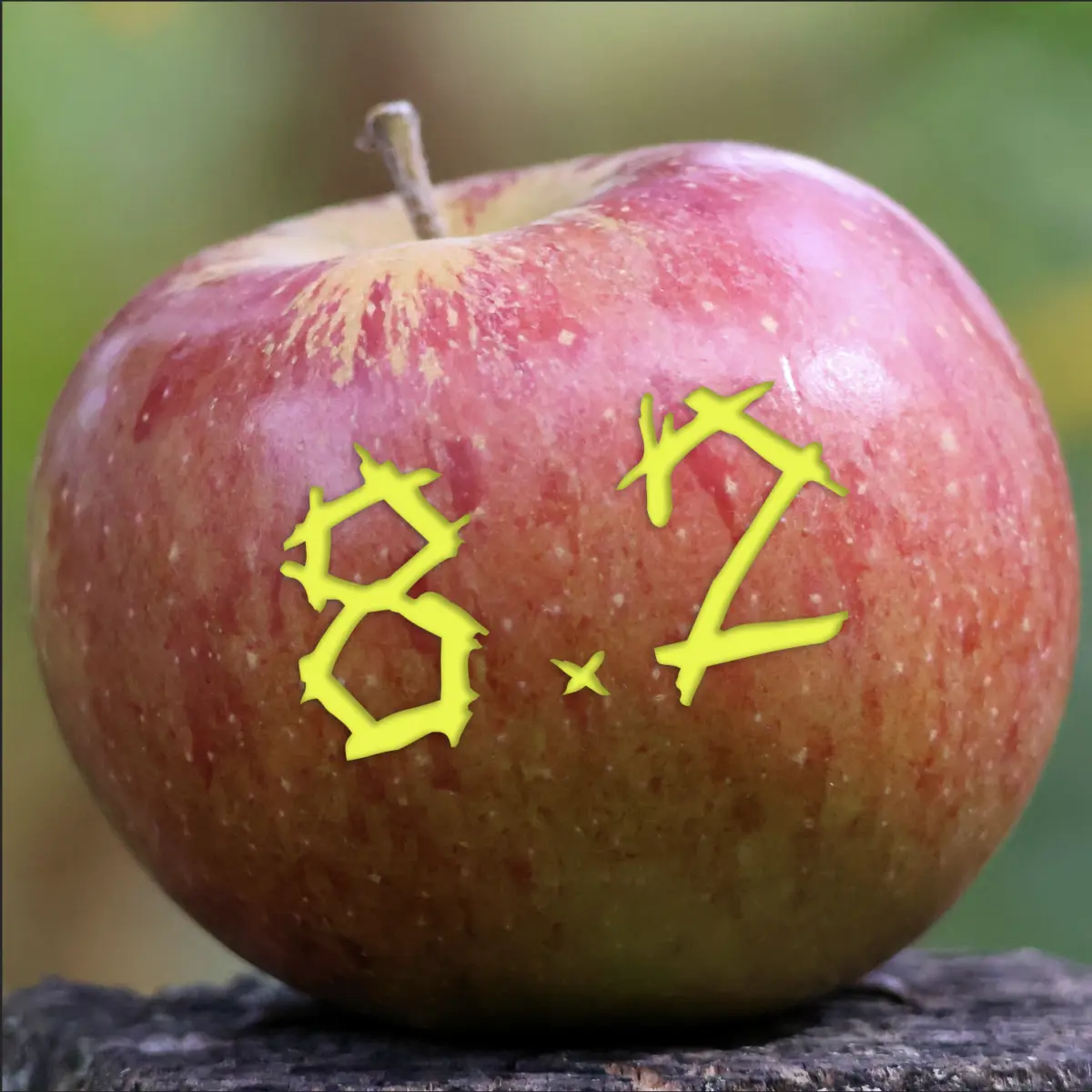
- Final Score: 8.2 / 10 for both specimens. They stand as stellar examples of fine, exfoliating, round fruit architecture.
- Alternative Ventures: The undeniable synergy between these two cultivars has already inspired cultural offshoots, including the hypothetical cottagecore EDM fado band “Nutty Funky Russet Lads,” slated for a breakout performance in Manchester at the Wicker Man festival.
Comprehensive Archive Context
This review anchors a vast ongoing archival project documenting heritage and contemporary apples across multiple seasons. For researchers and enthusiasts tracking the evolution of taste, these evaluations sit alongside a comprehensive lineage of reviews:
- Selected 2026 Archived Entries: Gravenstein, Hubbardston Nonesuch, Kickapoo Spice, Jonagold, Reine des Reinettes, Glockenapfel, Grimes Golden, Ambrosia, Calville Blanc d’Hiver, Macoun, Northern Spy, and Spartan.
- Selected 2025 Archived Entries: Honeycrisp, Knobbed Russet, Cox’s Orange Pippin, Ashmead’s Kernel, Esopus Spitzenburg, Roxbury Russet, Black Oxford, D’Arcy Spice, and Granny Smith.
As the orchard seasons turn and vestibular health permits, the pursuit of pomological truth continues unabated. Onward we go.
