

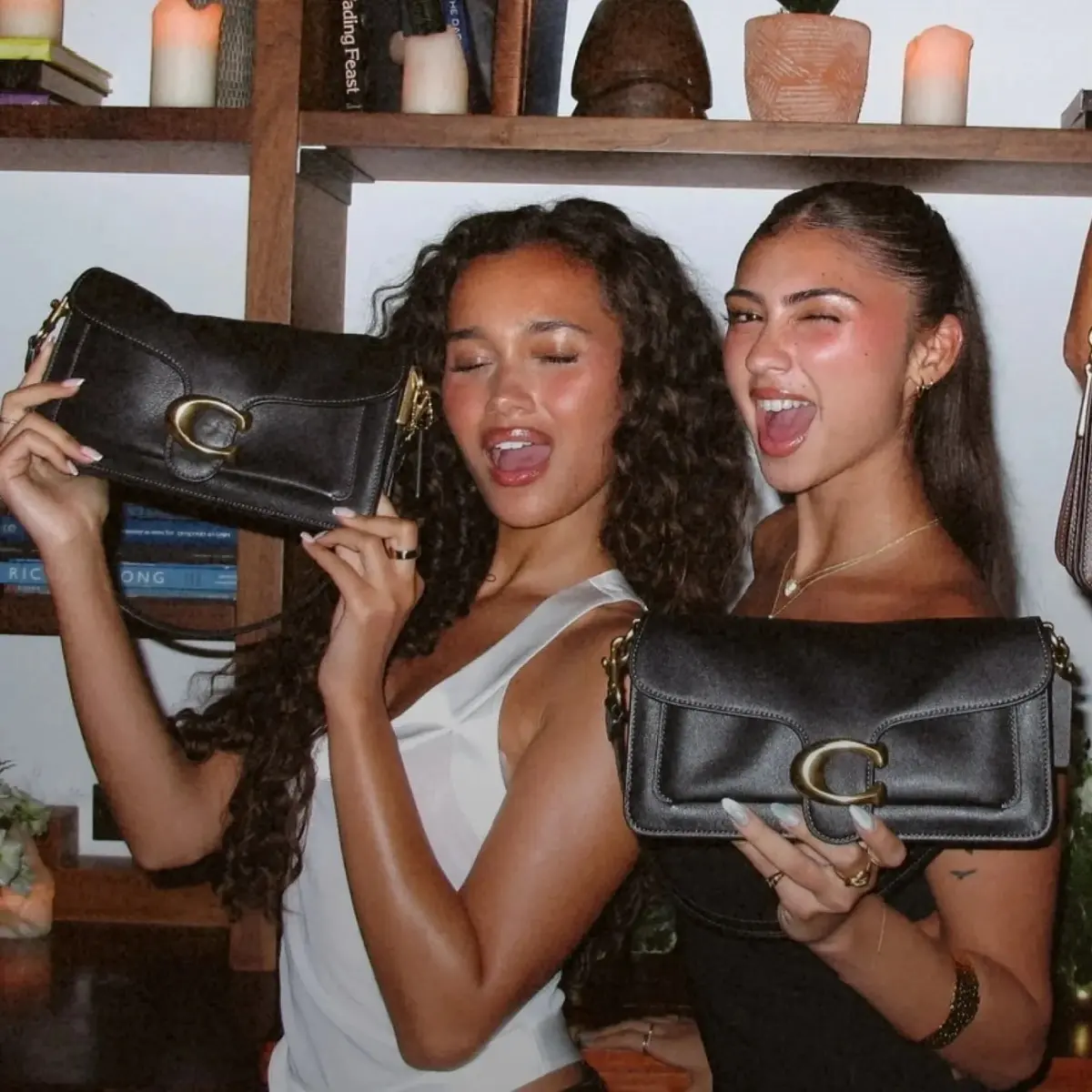
Executive Overview
The art of gift-giving has undergone a profound psychological and cultural shift over the past decade, driven largely by the emergence of Generation Z as a dominant economic and trend-setting demographic. Moving far beyond traditional, monolithic luxury markers, Gen Z consumers—individuals born roughly between 1997 and 2012—prioritize hyper-personalization, irony, tactile playfulness, and distinct individual expression over rigid adherence to institutional status symbols. In response to this evolving consumer psychology, heritage fashion houses and contemporary luxury retailers are pivoting rapidly. Among them, the Coach Outlet has carved out a distinct niche by capitalizing on the "bag charm" and modular accessory renaissance, transforming classic silhouettes like the Teri and Jet shoulder bags into customizable canvases.
This comprehensive report investigates how Coach Outlet has successfully captured the Gen Z aesthetic by blending archival nostalgia with modern whimsy through its latest assortment of bag charms, patterned straps, and modular accessories. Beyond simply highlighting retail offerings, this feature examines the broader macroeconomic and cultural factors steering Gen Z shopping habits, the psychology behind accessorizing everyday luxury goods, and what this strategic focus means for the future of contemporary fashion retail.
Detailed Chronology: The Evolution of Gen Z Bag Customization
To understand how bag charms and modular straps became the ultimate Gen Z-approved stocking stuffer, it is necessary to trace the convergence of archival fashion revivals, digital subcultures, and retail adaptation over recent years.
The Y2K Revival and the Reimagining of Everyday Carry (2020–2022)
The genesis of the modern charm trend began during the height of the COVID-19 pandemic, as internet subcultures on TikTok and Instagram plunged deep into early-2000s (Y2K) nostalgia. Consumers began unearthing vintage designer bags from the late 1990s and early noughties—eras characterized by excess, playful irony, and maximalist accessorizing. Fashion historians note that this era was defined by personalization: customizing denim jackets with pins, cell phones with dangling charms, and luxury handbags with silk scarves, keychains, and novelty trinkets. As Gen Z rediscovered these archival styles, they sought modern entry points to replicate the look without breaking the bank.
The TikTok "What’s in My Bag" and Charm-Stacking Phenomenon (2023)
By 2023, the trend evolved from simple nostalgia into an interactive online sport. TikTok videos featuring "bag tours" and "charm stacking"—the practice of layering multiple keychains, plush toys, and metallic trinkets onto a single designer handbag—accumulated billions of views. Platforms like TikTok and Pinterest transformed handbags from static luxury items into dynamic, rotating art projects. Rather than purchasing a single, expensive statement bag and leaving it pristine, young consumers preferred to buy a versatile, neutral-toned base bag and completely alter its personality every week using affordable, interchangeable accessories.
The Contemporary Pivot: Coach Outlet’s Modular Strategy (2024–Present)
Recognizing that younger consumers viewed heritage luxury brands through a lens of remix culture, Coach and its accessible counterpart, Coach Outlet, began aggressively expanding their modular accessory lines. Rather than viewing customization as a dilution of brand equity, the brand leaned into it, releasing limited-edition seasonal charms ranging from shearling produce (such as the Carroty Bag Charm) to metropolitan homages (the iconic Taxi Bag Charm) and playful silver motifs. This strategy effectively bridged the gap between luxury aspiration and Gen Z accessibility, capturing gift-givers during the winter holiday season and maintaining year-round momentum for milestone celebrations like graduations and birthdays.
Supporting Context & Metrics: Decoding the Gen Z Luxury Mindset
To contextualize Coach Outlet’s current retail strategy, industry analysts point to several distinct metrics and psychological shifts defining how Generation Z interacts with the fashion market.

The Democratization of Luxury and the "Low-High" Mix
Unlike preceding generations who often saved luxury purchases exclusively for formal occasions or milestone achievements, Gen Z views luxury items as integrated components of everyday streetwear. Studies on youth consumption indicate that over 65% of Gen Z shoppers mix high-end designer pieces with thrifted or accessible contemporary brands. Accessories serve as the ideal bridge in this equation. A consumer might invest in a reliable, high-quality leather shoulder bag from Coach Outlet and completely transform its vibe by attaching a sub-$30 playful chain charm or a vibrant floral strap. This approach allows for maximum outfit rotation without requiring an entirely new wardrobe.
| Consumer Preference Shift | Traditional Luxury Model | Gen Z Modular Model |
|---|---|---|
| Bag Ownership | Pristine, untouched, static design | Customized, lived-in, frequently updated |
| Primary Motivator | Brand prestige and exclusivity | Individual self-expression and playfulness |
| Gifting Utility | High-ticket single item | Modular additions (charms, straps, chains) |
| Aesthetic Priority | Timeless minimalism | Maximalist layering, irony, and tactile texture |
The Power of Tactile Play and Dopamine Dressing
Psychologists attribute the massive surge in popularity of plush charms, shearling vegetables, and colorful dinosaurs to the concept of "dopamine dressing" and tactile comfort in a digital-first world. Because Gen Z spends a significant portion of their daily lives interacting with flat, digital screens, physical accessories that engage multiple senses—such as the soft texture of shearling or the satisfying metallic clink of a multi-motif chain—provide immediate psychological comfort and joy. Furthermore, novelty items like the Taxi Bag Charm allow wearers to express personality, humor, and a sense of localized identity (such as an appreciation for metropolitan cityscapes), making the luxury item feel deeply personal rather than corporate.
Official Statements and Industry Insights
Retail strategists and fashion editors have increasingly noted the democratization of personalization as a primary driver for modern accessories sales. While specific corporate executive commentary regarding quarterly micro-trends remains focused on overall accessory category growth, industry insiders emphasize the strategic brilliance of the modular retail approach.
"When you give someone a handbag, it is a wonderful gesture, but when you pair that handbag with a meticulously chosen charm, strap, or chain that speaks directly to their personal quirks, you elevate the gift from a standard transaction to an intimate reflection of understanding," notes retail market analysts observing current holiday shopping patterns. "For Gen Z, perfection is out; personality is in. The willingness of heritage brands to embrace quirky, whimsical, and slightly ironic accessories proves they are listening to the pulse of younger buyers who reject stuffy, unapproachable luxury in favor of playful customization."
Editorially, lifestyle and fashion platforms have echoed this sentiment, pointing out that accessories like the Strap With Floral Print in refined pebbled leather or the Braided Bag Charm offer a mature, sophisticated entry point into personalization, while options like the Dinosaur Bag Charm and Motif Chain Bag Charm lean heavily into humorous, joyful self-expression.
Future Outlook: Where Accessory Customization is Headed
Looking forward, the market for modular bag accessories and personalized luxury add-ons shows no signs of slowing down. As retail brands look toward the remainder of the decade, several key trajectories are expected to shape the landscape of Gen Z gifting and personal style:
- Hyper-Personalization and Monogramming Integration: Beyond pre-made charms and straps, brands are expected to lean further into on-demand personalization, allowing consumers to mix, match, and even build custom charms directly at retail counters or via digital configurators.
- Sustainability and Upcycled Modulars: As sustainability remains a core purchasing pillar for Gen Z, the ability to refresh existing wardrobe staples using interchangeable straps and charms will be marketed not only as a stylistic choice, but as an eco-conscious alternative to buying entirely new bags each season.
- The Expansion of Tech-Adjacent Accessories: Future charm iterations are likely to incorporate functional elements—such as miniature pouches designed specifically for wireless earbuds, cardholders, or multi-use tech cleaning tools—merging whimsical aesthetics with daily utility.
Ultimately, Coach Outlet’s success in capturing the Gen Z gifting market serves as a masterclass in retail agility. By recognizing that younger consumers value storytelling, humor, and individuality over rigid prestige, the brand has transformed traditional leather goods into interactive platforms for creative self-expression. Whether tucked into a holiday stocking or wrapped for a graduation milestone, these thoughtful accessories prove that the most memorable luxury items are those that allow the wearer to make them entirely their own.
